← Back to Blog
Market Trends
Tacoma, Washington real estate market guide: prices, neighborhoods and timing
By David Yakimenko
October 10, 2026 · 5 min read
This Tacoma, Washington real estate market guide: prices, neighborhoods and timing gives practical local detail for buyers, sellers, and people relocating to Tacoma. Read short, actionable sections on typical prices by housing type, neighborhood features, commute realities, and timing steps you can check yourself.
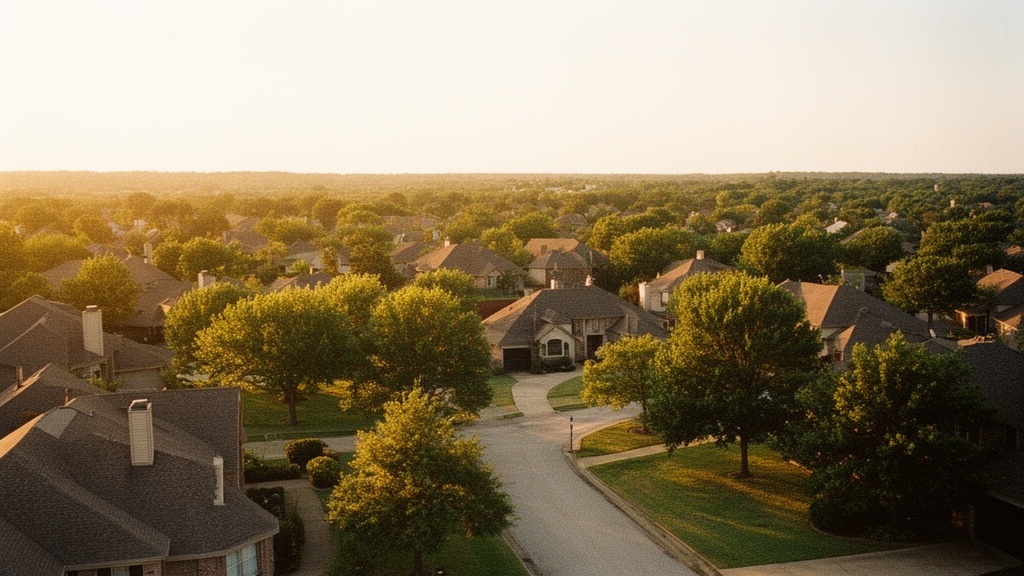
1. Overview of Tacoma housing and prices
Quick answer. Tacoma offers a mix of single family homes, bungalows, craftsman-era houses, newer townhomes, and apartments; typical price ranges vary by style and neighborhood, and buyers should compare recent sales for the specific block they want.
Types of housing in Tacoma
Older single family homes. Tacoma has many Craftsman and bungalow homes from the early 1900s concentrated in North Tacoma, Stadium District, and some pockets of Central Tacoma; lot sizes commonly range from 4,000 to 8,000 square feet in those areas.
Townhomes and new construction. Recent infill and townhome developments appear near 6th Avenue, South Tacoma Way, and around the University Place corridor; three bedroom townhomes commonly list in a different price band than older single family houses.
Condo and apartment options. Downtown Tacoma, the Theater District, and Ruston Way have most of the midrise condos and newer apartments; unit size, view, and parking determine pricing more than building age.
Typical price bands and what they buy
How to check current prices. Use local listing sites that update daily to compare active listings and recent closed sales for the exact street you care about; Realtor.com and Redfin are good starting points for browsing Tacoma listings and getting neighborhood-level snapshots.
- Entry level single family: check recent solds on smaller lots near South Tacoma and parts of Hilltop.
- Midrange: older Craftsman or updated bungalows in North Tacoma and Proctor, often within walking distance of parks and local shops.
- Higher-end: detached homes with larger lots in areas around Tacoma Country and Golf Club, and some newer construction near Commencement Bay.
2. Neighborhood features and where to look
Quick answer. Each Tacoma neighborhood has distinct built form, streets, and amenities: map the features you need like commute corridors, park access, lot size, and housing age, then narrow to two or three neighborhoods to research sold comps.
North Tacoma and Proctor area features
Feature summary. North Tacoma includes tree-lined streets, Craftsman homes, commercial pockets along Proctor and 6th Avenue, and proximity to Point Defiance Park and the waterfront at Ruston Way.
Central Tacoma, Hilltop, Stadium District details
Feature summary. The Stadium District and nearby areas include older urban parcels, a mix of apartments and single family stock, and landmarks like Cheney Stadium; commuting north toward I-5 or west to the waterfront is a common pattern.
South Tacoma and Westgate corridor notes
Feature summary. South Tacoma and Westgate include more postwar ranches, larger parcel sizes in some parts, and faster access to SR 16 toward Gig Harbor; these areas host a mix of retail and light industrial near the highway.
3. Commute, schools, parks and amenities
Quick answer. Plan around real commute times, park access and third party data for schools or public safety rather than impressions; Tacoma has varied transit options, multiple waterfront parks, and several major employer corridors.
Drive and transit commute times
Commute ranges. Driving from North Tacoma to downtown Seattle during peak periods commonly takes longer than 45 minutes; SR 16 provides the main route toward Gig Harbor with variable travel times, and Sound Transit express service and local Pierce Transit routes connect major centers within Tacoma.
Parks, waterfronts, and landmarks
Notable public spaces. Point Defiance Park, Ruston Way waterfront, Wright Park, and the Thea Foss Waterway are major outdoor assets; proximity to these places is easy to verify by driving a sample route at the time of day you would use it.
Where to check school and safety data
Objective sources. For school information, consult the Washington State Office of Superintendent of Public Instruction or the Tacoma School District pages. For local safety metrics, use official municipal or police department data and census demographic releases rather than third party summaries.
4. Timing your move and transaction checklist
Quick answer. Timing involves preparation steps buyers and sellers can control, and locally relevant checks such as inspection scheduling near Point Defiance or arranging ferry or SR 16 commute checks; follow a checklist to keep the process on schedule.
Buyer timing steps
Action checklist. Get preapproved, map target neighborhoods and recent solds, arrange viewing times that match your commute, and budget for inspection and appraisal; local lenders and title companies will give precise timelines for Tacoma closings.
- Preapproval: obtain a written preapproval before making offers.
- Comparables: pull three to five closed sales on the same street in the last six months.
- Inspections: schedule within the option period or contingency window in your contract.
- Closing logistics: confirm title company and estimated closing date up front.
Seller timing steps
Action checklist. Order a pre-listing inspection if you want, gather recent utility bills and permits for past work, and set firm dates for showings and negotiation windows. Confirm how long typical local closings take with your title company.
5. Resources and next steps
Quick answer. Use listing portals, neighborhood sold reports, and a local agent who actively works Tacoma to translate numbers into a plan; below are direct resources and practical next steps.
Listing sites to consult. Browse live listings and saved searches on Realtor.com for Tacoma, and consult Redfin s market overview pages for neighborhood snapshots and agent reports.
How a local agent helps. A Tacoma-focused agent can pull street-level comps, suggest inspection contractors who work in the city, and coordinate timing with title and local lenders; I work across Tacoma neighborhoods and can run a custom comparables report for the exact addresses you care about.
What to watch yourself. Check days on market and list to sale ratios on specific listings, drive target morning and evening commutes, and verify lot lines and easements at the county assessor s office before making decisions.
FAQ
How do I find accurate current listing prices for Tacoma?
Start with live feeds on Realtor.com or Redfin to see active listings, then ask a local agent for the three to five most comparable closed sales on the same street. Verify lot size, recent renovations, and permit history through Pierce County property records for the most accurate comparisons.
What neighborhoods in Tacoma have waterfront access and parks nearby?
Point Defiance Park sits on the western waterfront and offers large green space. Ruston Way provides continuous waterfront walking and dining options near Commencement Bay. Use a map to measure walking distance from a property to these landmarks to compare proximity objectively.
How long does it usually take to close on a house in Tacoma?
Closing timelines depend on financing and title work, but you should confirm estimated dates with your lender and title company early. Local title companies can provide typical time windows for Tacoma once a contract is signed, and scheduling inspections promptly helps avoid delays.