
← Back to Blog
Market Trends
Why Agents Refer Their Clients to This Bastrop, Texas Real Estate Market Guide: Prices, Neighborhoods and Timing
By Des Leon
September 25, 2026 · 11 min read
When out-of-area agents refer their clients to a Bastrop, Texas real estate market guide, they want one that covers prices, neighborhoods and timing in enough depth to actually prepare a buyer or seller for what they will find. This guide does exactly that, pulling together current market data, neighborhood-level detail, and honest timing context so you can walk into any conversation about Bastrop real estate already knowing the landscape.
1. What the Bastrop Market Looks Like Right Now
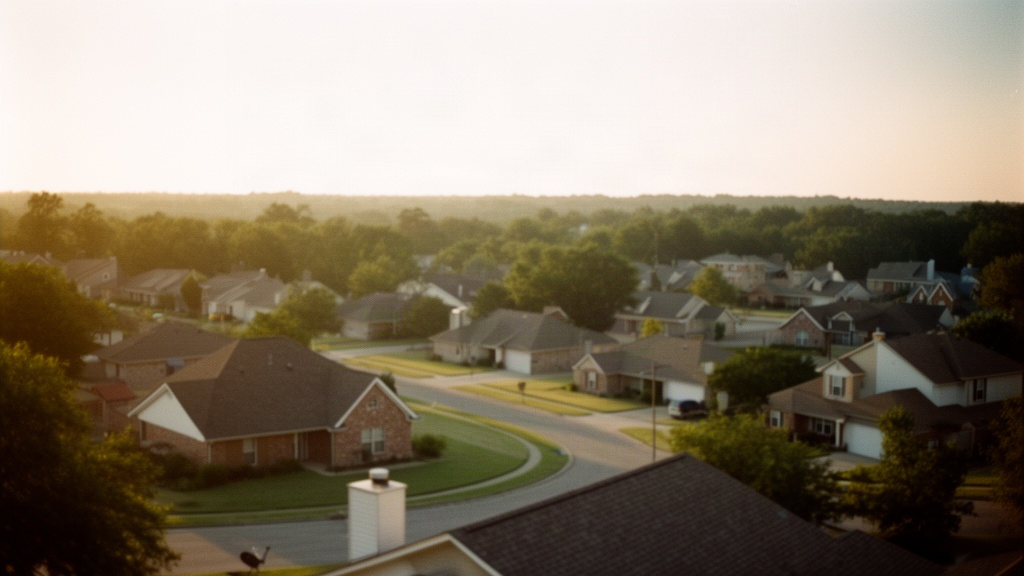
Bastrop is a mid-size Texas market that sits roughly 30 miles southeast of downtown Austin along U.S. Highway 71. The city has drawn steady relocation interest for the past several years, and September 2026 reflects a market that has absorbed that demand and is now operating with more balance than it showed during the peak frenzy of 2021 and 2022.
Where Prices Stand in September 2026
The median home price in Bastrop currently sits in the low-to-mid $300,000s for resale homes, with entry-level inventory starting around $240,000 for smaller homes on standard city lots and the upper end of the market reaching into the $600,000s and beyond for acreage properties and custom builds in the Lost Pines area. New construction in active subdivisions is priced between roughly $310,000 and $480,000 depending on the builder, lot premium, and finish level. These figures represent a modest softening from the peaks of 2022, but Bastrop has held value better than many smaller Texas markets because of its proximity to Austin and its limited supply of treed, riverfront, and acreage properties.
For a detailed look at how current figures compare to recent months, Neuhaus Realty Group's Bastrop market update published earlier in 2026 provides a useful baseline of transaction counts and median price movement that helps contextualize where the market has traveled this year.
How Inventory Has Shifted
Active listings in Bastrop are higher in September 2026 than they were at this same point in 2024, which means buyers have more choices and are not being forced into the same kind of waived-inspection, over-ask offers that defined the earlier part of this decade. That said, well-priced homes in desirable pockets, particularly those with mature loblolly pine trees, Colorado River access, or proximity to Bastrop State Park, still move within two to three weeks. Overpriced homes are sitting longer, which is a meaningful shift that sellers need to understand before listing.
2. Neighborhood and Area Breakdown: What Each Part of Bastrop Offers
Bastrop is not a single-character city. It has distinct pockets that differ in age of housing stock, lot character, price range, and proximity to the city's commercial and natural amenities. Understanding those differences is the first thing any serious buyer or relocator needs to do.
Historic Downtown and the Colorado River Corridor
The area immediately surrounding downtown Bastrop contains the city's oldest housing stock, including Craftsman bungalows, Victorian-era homes, and early 20th-century cottages, many of which sit on smaller lots close to Main Street. Prices in this corridor range from the low $200,000s for homes needing significant updating to the high $400,000s for fully renovated properties with original character features intact. The Colorado River runs along the northern edge of downtown, and properties within walking distance of Fisherman's Park or the river trail carry a premium that reflects the walkability and scenery those locations provide.
Buyers drawn to this area typically want to be within a short walk of the local restaurants, coffee shops, and the historic Bastrop Opera House on Main Street. The tradeoff is that lots are smaller, parking is on-street in many cases, and some homes have deferred maintenance that requires budget allocation beyond the purchase price.
Lost Pines and the Eastern Reaches
The Lost Pines area east of the city center is named for the isolated stand of loblolly pines that grow here, separated from the main East Texas pine belt by roughly 100 miles of post oak savanna. This is where Bastrop State Park sits, and the residential properties near it tend to be on larger lots, often half an acre to several acres, with significant tree cover. Prices in this zone start around $350,000 for modest homes on wooded lots and climb well past $700,000 for custom builds on multiple acres with privacy and park proximity.
The Hyatt Regency Lost Pines Resort and Spa anchors the eastern end of this corridor along the Colorado River, and its presence has contributed to the area's profile as a destination rather than just a bedroom community. For a deeper look at what the Lost Pines market specifically offers, the dedicated guide at this site covers pricing tiers, lot characteristics, and what to watch for when buying in that zone.
Cedar Creek and the Western Approach
Cedar Creek is an unincorporated community along Highway 71 west of Bastrop, positioned between the city and the Austin metro. It has grown substantially as buyers look for land and space without moving farther from Austin than necessary. Homes here typically sit on half-acre to two-acre lots, with prices ranging from the mid $300,000s to the mid $500,000s for newer construction and established homes with acreage.
The appeal of Cedar Creek is the combination of space and commute distance. Drivers heading into Austin from Cedar Creek are typically 25 to 40 minutes from the eastern edge of the metro depending on the time of day, which makes it one of the closer options for buyers who want land but still need regular access to Austin. For a full breakdown of what that commute actually looks like in current traffic, the commute guide on this site covers the route in detail.
Piney Creek Bend and Newer Subdivisions
Piney Creek Bend is one of Bastrop's more active newer subdivisions, with homes built primarily in the 2010s and 2020s on quarter-acre to half-acre lots with HOA amenities including a community pool and green space. Prices in Piney Creek Bend currently range from the low $300,000s to the upper $400,000s depending on square footage, lot position, and upgrade level. The subdivision sits close enough to Highway 71 that Austin access is straightforward, while still being within a few minutes of downtown Bastrop's shops and restaurants.
Other newer subdivisions north and south of the city, including developments along State Highway 95 and Farm-to-Market roads surrounding Bastrop, offer similar price points with varying lot sizes and builder-warranty coverage that resale homes do not carry. The Piney Creek Bend area guide on this site goes deeper on what buyers should know before purchasing in that specific neighborhood.
3. What Drives Prices in Bastrop and How to Read the Numbers
Price-per-square-foot in Bastrop tells only part of the story. Three factors consistently move prices in ways that raw square footage data does not capture: lot character, construction type, and the carrying cost created by property taxes.
Lot Size, Tree Cover and Proximity to the River
A home on a wooded half-acre lot in Bastrop will consistently sell for more per square foot than an identical home on a cleared quarter-acre lot in a dense subdivision. The loblolly pines in the Lost Pines area are genuinely irreplaceable; they cannot be planted and grown quickly, which gives treed lots a scarcity premium that holds even when the broader market softens. Colorado River frontage and proximity carry a similar premium, with waterfront and water-view properties often priced 20 to 35 percent above comparable inland homes.
New Construction vs. Resale
New construction in Bastrop currently carries a price premium over comparable resale homes, but builders are also offering incentives in September 2026 that were not available two years ago: rate buydowns, closing cost contributions, and upgraded finish packages at no additional cost. Resale homes, on the other hand, are often on larger or more established lots, may be closer to downtown, and can offer mature landscaping that new builds will not have for years. The right choice between new and resale depends on what the buyer prioritizes, and a local agent who knows both the builder pipeline and the resale inventory is the most efficient way to compare them honestly.
Property Taxes and Their Effect on Buying Power
Bastrop County property taxes are a meaningful part of the total cost of ownership and affect how much home a buyer can actually afford at a given mortgage payment. The combined rate for properties inside the Bastrop city limits, which includes city, county, and school district levies, has historically run between roughly 2.1 and 2.5 percent of assessed value depending on the specific taxing jurisdictions that apply to a given parcel. On a $380,000 home, that translates to roughly $8,000 to $9,500 per year in property taxes, or $670 to $790 per month added to a mortgage payment. The property tax guide on this site breaks down current rates and how they compare to prior years in more detail.
4. Timing the Bastrop Market: When to Buy and When to Sell
Timing questions come up in nearly every buyer and seller conversation in Bastrop. The honest answer is that timing matters less than price and condition for most transactions, but seasonal patterns do exist and understanding them helps both sides negotiate from a more informed position.
Seasonal Patterns in Bastrop
Bastrop follows a pattern similar to the broader Austin metro: buyer activity picks up in February and March as families begin planning moves around the school calendar, peaks through May and June, then softens through August before a modest secondary bump in September and October as buyers who missed the spring window make their move. November and December see the fewest new listings and the fewest closings, but motivated sellers who list in those months face less competition, and motivated buyers sometimes find more negotiating room than they would in April.
What the Data Says About Days on Market
As of September 2026, the median days on market for Bastrop homes is running between 45 and 65 days depending on price tier and location, compared to roughly 20 to 30 days at the peak of the 2022 market. Homes priced below $350,000 in good condition are still moving faster, often within 30 days, because that segment has the most buyer demand and the least inventory. Homes above $500,000 are sitting longer, averaging 70 to 90 days in some cases, which reflects both the smaller buyer pool at that price point and the fact that some sellers are still anchored to 2022 peak valuations.
Advice for Sellers on Timing
Sellers who list in September and October in Bastrop are entering a window where buyer traffic is still active but competition from other listings is beginning to thin. That combination can work in a seller's favor if the home is priced correctly from day one. Overpricing in this market leads to price reductions that signal weakness to buyers and ultimately result in a lower final sale price than a correctly priced listing would have achieved. The guide on what consistently gets sellers the highest sale price in Bastrop covers pricing strategy in detail and is worth reading before any listing decision.
5. Practical Steps Before You Make a Move in Bastrop
Whether you are relocating from out of state, moving from Austin, or already in Bastrop County and looking to upsize or downsize, the steps that protect a buyer or seller in this market are specific to how Bastrop transactions actually work.
Due Diligence Specific to Bastrop
Bastrop has several due diligence considerations that buyers from urban Texas markets may not be accustomed to. Flood zone status is significant here: the Colorado River and its tributaries have defined flood plains that affect both insurability and financing, and some properties that appear attractively priced carry elevated flood insurance costs that change the monthly payment substantially. Septic systems are common on properties outside city limits, and a septic inspection is a non-negotiable step for any home not connected to the municipal sewer system. Well water is similarly common on acreage properties, and a water quality test should be part of any inspection period on a home with a private well.
Buyers should also account for closing costs specific to Texas transactions. Title insurance, survey fees, and lender charges add up quickly, and understanding what to expect before you are under contract prevents surprises at the closing table. The closing costs guide on this site walks through each line item in a typical Bastrop purchase.
Working with a Local Expert
The reason agents across Texas refer their clients to a Bastrop, Texas real estate market guide like this one is that Bastrop has enough local nuance that general Texas real estate knowledge does not substitute for on-the-ground familiarity. Knowing which streets in the Lost Pines area lost tree canopy in the 2011 wildfire and have not fully recovered, which subdivisions have HOA restrictions that affect short-term rental use, and which builders are currently offering the most competitive incentives requires someone who is active in this market every week.
Broader Texas housing market context is useful for understanding where Bastrop fits in the state's trajectory. HousingWire's analysis of what's next for the Texas housing market provides that statewide backdrop, but the Bastrop-specific details in this guide are what translate that context into actionable local decisions.
FAQ
What is the current median home price in Bastrop, Texas as of September 2026?
The median home price in Bastrop currently sits in the low-to-mid $300,000s for resale homes, with entry-level homes starting around $240,000 and upper-end properties on acreage or with river proximity reaching into the $600,000s and above. New construction from active builders is generally priced between $310,000 and $480,000 depending on the subdivision, lot premium, and finish level. These figures reflect a modest correction from the 2022 peak but remain supported by Bastrop's proximity to Austin and its limited supply of treed and riverfront properties. Buyers should also factor in property taxes, which add meaningfully to the monthly payment and vary by taxing jurisdiction within the county.
Which areas of Bastrop tend to have the highest home prices?
Properties in the Lost Pines area east of the city center, particularly those near Bastrop State Park or along the Colorado River, consistently command the highest prices in the Bastrop market. Homes there are often on larger lots with mature loblolly pine tree cover, and that combination of land, trees, and park proximity creates a scarcity premium that holds even when other parts of the market soften. Colorado River frontage anywhere in the Bastrop area also carries a significant premium, often 20 to 35 percent above comparable inland homes. Historic downtown properties that have been fully renovated can also reach the high $400,000s despite their smaller lot sizes, driven by walkability to Main Street amenities.
Is September a good time to buy or sell a home in Bastrop, Texas?
September sits in what is generally a secondary activity window for the Bastrop market, after the peak spring and early summer season but before the slower November and December period. For buyers, this month often offers more negotiating room than April or May because seller competition is beginning to thin and homes that did not sell in the spring may have accumulated days on market. For sellers, listing in September means facing fewer competing homes than in the spring, but buyer traffic is also lower than the peak months, so pricing correctly from day one is critical. Homes that are well-priced and in good condition still move within 30 days in the sub-$350,000 range as of September 2026, while overpriced homes in any segment are sitting 60 to 90 days or longer.