← Back to Blog
Neighborhoods
Bastrop Texas Neighborhood Guide: Where to Live
By Des Leon
August 5, 2026 · 7 min read
If you are searching for a Bastrop Texas neighborhood guide, you are already ahead of most buyers. Bastrop is one of the fastest-growing small cities in the Austin metro corridor, and knowing which community fits your lifestyle before you start touring homes saves time, money, and a lot of second-guessing. This guide breaks down the neighborhoods, schools, commute realities, and lifestyle factors that matter most to buyers and relocators right now.
1. Why Bastrop Is Drawing Buyers From Across Texas
Bastrop sits about 30 miles southeast of downtown Austin along Highway 71, and that location is a big part of its appeal. Buyers who have been priced out of Austin, Cedar Park, or Round Rock are finding that Bastrop offers genuine value without sacrificing access to the metro.
The Austin Connection
Proximity to Austin matters, but it is not the whole story. Bastrop has grown its own economic base through manufacturing, healthcare, and a steady stream of small businesses that serve the local population. Many residents do commute to Austin, but a growing number work locally or remotely, which has changed how people think about what they need from a neighborhood.
Small-Town Feel With Real Amenities
Downtown Bastrop is genuinely walkable by Texas small-city standards. Main Street has locally owned restaurants, boutiques, and coffee shops that give the city a character you do not find in master-planned suburbs. Bastrop State Park, Tahitian Village, and the Colorado River add outdoor recreation options that attract buyers who want space and scenery alongside their daily conveniences.
For a broad overview of what living here looks like day to day, the City of Bastrop and Bastrop County both publish community data including cost of living context and local services information through their official websites, which are reliable starting points for understanding the basics of the area.
2. A Closer Look at Bastrop's Key Neighborhoods
No Bastrop Texas neighborhood guide would be complete without walking through the communities that buyers are actually choosing. Each area has a distinct character, price point, and lifestyle fit.
Tahitian Village
Tahitian Village is one of Bastrop's most established and recognizable communities. Developed starting in the 1960s, it covers a large area just outside the city limits and is known for its wooded lots, winding roads through the Lost Pines forest, and a mix of older homes alongside newer construction. Lot sizes tend to be generous, and the area attracts buyers who want privacy and a natural setting without driving far for groceries or schools.
Tahitian Village has its own Property Owners Association that maintains the golf course and community amenities. It is worth noting that parts of this neighborhood were affected by the 2011 Bastrop Complex Fire, and some sections were rebuilt more recently than others. A knowledgeable local agent can help you understand which streets carry different risk profiles and what that means for insurance costs.
Colony Muir and Pecan Park
Colony Muir and Pecan Park represent Bastrop's newer master-planned side. These subdivisions feature more uniform lot sizes, HOA-maintained common areas, and homes built primarily in the last 15 years. Buyers who want newer construction with warranties still intact, community pools, and sidewalks throughout tend to gravitate here. Pricing is competitive with older areas, but you get more predictability in terms of maintenance.
Pecan Park has seen strong demand from buyers relocating from the Austin metro. The neighborhood sits close to Highway 71, which makes the Austin commute more manageable. Elementary-age children in this area typically feed into Bastrop ISD schools that have seen consistent enrollment growth.
Bastrop Proper and Historic Downtown Adjacent
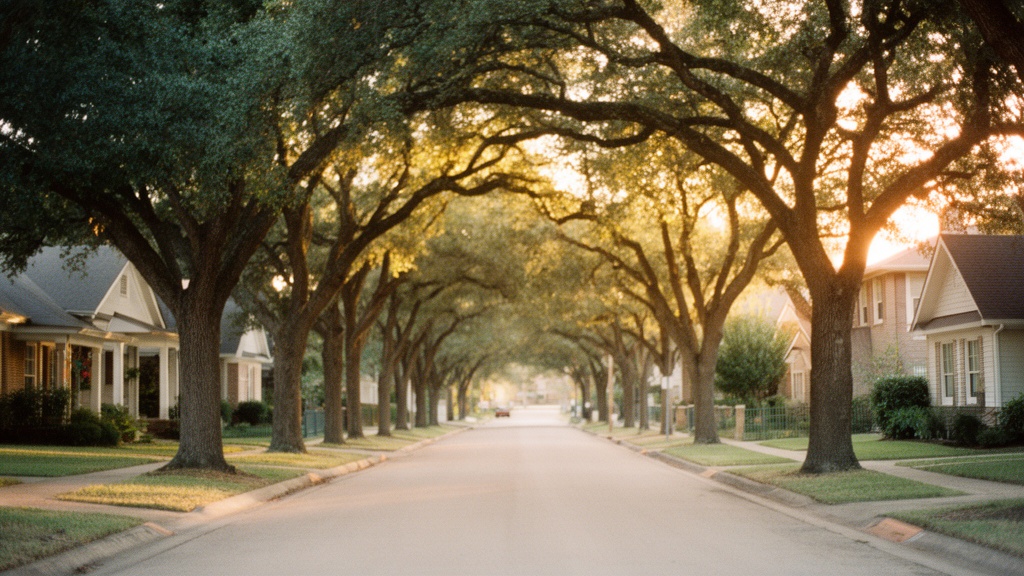
Living close to downtown Bastrop means walkability and character that newer subdivisions simply cannot replicate. Homes in the historic core range from Victorian-era cottages to mid-century bungalows, and the streets are lined with mature trees. Buyers who prioritize being able to walk to dinner, the farmers market, or the Colorado River trail system find this area especially appealing.
Inventory near downtown tends to move quickly because supply is limited. Sellers in this area often see strong interest from buyers who have done their homework on Bastrop's neighborhood options and specifically want the historic district feel. If you are considering this area, having pre-approval in hand before you start touring is not optional, it is necessary.
3. Schools, Commute, and Everyday Life in Bastrop
Bastrop ISD at a Glance
Bastrop Independent School District serves the entire city and most surrounding communities. The district includes Bastrop High School, Cedar Creek High School, and a number of elementary and middle campuses spread across the county. Buyers who want to understand campus-level details are encouraged to review the district's own published data at Bastrop ISD's official website, where enrollment figures, campus assignments, and program offerings are maintained directly by the district.
Which school your children attend depends on your specific address, not just the general neighborhood. Bastrop ISD boundaries have shifted as the district has grown, so it is worth confirming zoning with the district directly before committing to a home if school assignment is a priority for your family.
Getting to Austin and Beyond
The Highway 71 corridor is the primary route connecting Bastrop to Austin. On a good day, the drive to downtown Austin takes about 35 to 45 minutes. During peak morning hours, that can stretch closer to an hour depending on traffic and your specific destination in Austin. Buyers who work in the Domain, East Austin, or South Congress tend to find the commute very manageable compared to similar drives from other Austin suburbs.
Remote and hybrid workers have changed the calculus significantly. If you are only commuting two or three days a week, Bastrop starts to feel much closer to Austin than the mileage suggests. That shift in how people work has been a real driver of demand in this market over the past few years.
4. What the Bastrop Market Looks Like for Buyers and Sellers
Inventory and Pricing Trends
Bastrop has seen meaningful inventory growth compared to the tight market of a few years ago. In 2026, buyers have more options than they did at the peak of the pandemic-era frenzy, and that has brought some balance back to negotiations. Median prices have stabilized, which means buyers are no longer routinely waiving inspections or paying dramatically over asking price in most price ranges.
That said, well-priced homes in desirable neighborhoods still move quickly. The difference between a home sitting for 60 days and one selling in a week often comes down to accurate pricing and presentation, not just location. Buyers should still be prepared to act decisively on properties that check their boxes.
What Sellers Should Know Right Now
Sellers in Bastrop who price strategically are still seeing solid results. Strategic, accurate pricing in a more balanced market keeps days on market low and maintains a listing's momentum with buyers. The sellers who do best are the ones who understand current comparable sales in their specific neighborhood, not just the broader Bastrop zip code.
For additional neighborhood context and community comparisons across Bastrop, the Neighborhoods in Bastrop, TX guide from LRG Realty offers useful reference points on how different areas compare in terms of price range and physical features.
5. Tips for Choosing the Right Bastrop Neighborhood for You
Match Your Lifestyle to the Right Community
The neighborhood in Bastrop that fits how you actually live depends on what you are looking for, not just resale value or name recognition. Tahitian Village offers wooded lots and a more rural feel, with larger lot sizes and a natural setting. Pecan Park and Colony Muir are newer master-planned subdivisions with HOA-maintained amenities, sidewalks, and community pools. The historic downtown area offers walkability and older housing stock that newer subdivisions cannot replicate. Reviewing the physical features, price points, and commute distances of each area against your own priorities is the most reliable way to narrow your search.
Spend time in each area at different times of day before making a decision. Drive the commute route on a Tuesday morning. Walk the neighborhood on a Saturday afternoon. Talk to people who already live there. No amount of online research fully replaces that kind of ground-level observation.
Think About Resale Before You Buy
Even if you plan to stay in your Bastrop home for a long time, resale value should factor into your decision. Neighborhoods with proximity to major roads and consistent HOA maintenance tend to hold value better over time. Buyers should research the serving school district using that district's own published data. Areas with deferred infrastructure or limited access to services can be slower to appreciate, even when the homes themselves are well-maintained.
A local expert who knows Bastrop's neighborhood-by-neighborhood sales history can help you see patterns that are not obvious from a quick online search. Understanding which areas have appreciated consistently and which have been more volatile is the kind of insight that shapes a smart long-term buying decision.
FAQ
What is the most popular neighborhood in Bastrop, Texas?
Tahitian Village is arguably the most well-known neighborhood in Bastrop, largely because of its size, wooded character, and long history in the community. However, popularity depends heavily on what a buyer is looking for. Newer subdivisions like Pecan Park or Colony Muir appeal to buyers who want HOA amenities, sidewalks, and newer construction. Buyers who prioritize walkability and historic character tend to focus on the areas closest to downtown Bastrop. The right neighborhood is the one that matches your lifestyle, commute needs, and budget, not necessarily the one with the most name recognition.
How far is Bastrop, Texas from Austin?
Bastrop sits approximately 30 miles southeast of downtown Austin via Highway 71. Under normal traffic conditions, that translates to a drive of roughly 35 to 45 minutes. During peak morning commute hours, particularly heading into Austin between 7 and 9 a.m., travel time can stretch closer to an hour depending on your destination within the city. Many Bastrop residents who work in Austin have found the commute very workable, especially those on hybrid or remote schedules who only make the drive a few days per week.
Is Bastrop, Texas a good place to buy a home in 2026?
Bastrop continues to attract buyers who want more space and value than Austin's core neighborhoods offer while staying connected to the metro area. In 2026, the market has more inventory than it did during the peak demand years, which gives buyers more room to negotiate and conduct thorough due diligence. Home prices have stabilized after significant appreciation, making this a reasonable time to buy if you are planning to stay for several years. The city's continued growth in infrastructure, local employment, and quality of life amenities supports long-term property values. Working with a local agent who knows Bastrop's specific neighborhoods gives you the clearest picture of where the best opportunities are right now.