← Back to Blog
Market Trends
Lost Pines Bastrop Texas Real Estate Market Guide
By Des Leon
September 2, 2026 · 12 min read
The Lost Pines area of Bastrop, Texas sits at the intersection of natural scenery and a housing market that has changed considerably over the past few years. This guide covers current prices, the distinct pockets within the Lost Pines corridor, and what the timing looks like for buyers and sellers heading into late 2026. Whether you are relocating from Austin, upsizing locally, or selling a property near Bastrop State Park, the numbers and details here will give you a concrete starting point.
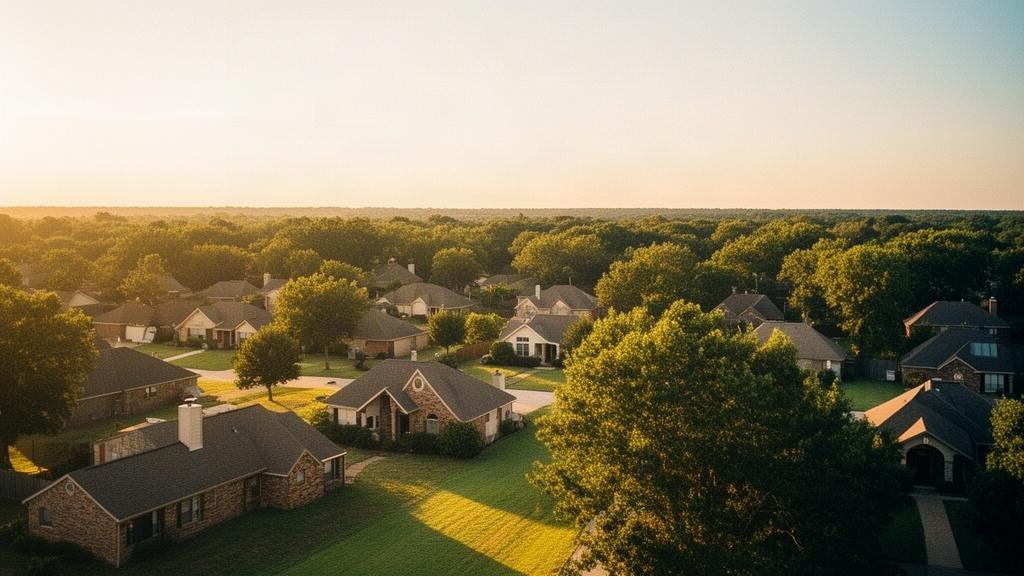
1. What Makes Lost Pines a Distinct Real Estate Market Within Bastrop County
The Lost Pines area is defined by a geographic anomaly. A stand of loblolly pines grows here roughly 100 miles west of the main East Texas pine belt, isolated by the Bastrop County terrain. That ecosystem, anchored by Bastrop State Park and the Colorado River, shapes everything from the visual character of the land to the way buyers and sellers think about property values in this corridor.
The Loblolly Pine Factor
Properties backing up to or surrounded by the pine forest carry a visual premium that buyers consistently seek out. Lots with mature tree cover, creek frontage, or views into the state park tend to command higher prices per square foot than comparable homes on cleared land elsewhere in Bastrop County. The 2011 Bastrop Complex Fire burned roughly 34,000 acres of this forest, and the pines have been regenerating since then. That history is still relevant to buyers today, particularly around insurance costs, which we cover in detail later in this guide.
Proximity to Austin and the Bastrop Commute Reality
Bastrop sits approximately 30 miles southeast of downtown Austin via TX-71. The drive runs through Bastrop State Park and into the city in roughly 40 to 55 minutes under normal traffic conditions, though peak hours on TX-71 can push that closer to 70 minutes. The SpaceX Starbase facility in South Texas has drawn engineering and logistics talent toward Central Texas, and the Tesla Gigafactory in southeast Austin, about 20 miles from Bastrop, continues to draw workers who want more land for their dollar than Austin's suburbs offer. These employment anchors have kept demand in the Lost Pines corridor steadier than in some other outer-ring Texas markets.
For a broader look at how the wider Bastrop market fits into Central Texas real estate, the Bastrop, Texas Real Estate Market Guide on this site covers county-wide pricing trends and market context in detail.
2. Current Prices in the Lost Pines, Bastrop Real Estate Market
Prices in the Lost Pines corridor as of September 2026 reflect a market that has stabilized after the sharp appreciation of 2021 and 2022. Sellers who purchased at peak prices are working with tighter margins, while buyers have more negotiating room than they did two years ago. The range is wide because the housing stock is genuinely varied, from small cabins on quarter-acre lots to multi-acre ranches with custom construction.
Single-Family Home Price Ranges
Entry-level homes in the Lost Pines area, typically built-out subdivisions with city or MUD water service, are currently priced in the $280,000 to $360,000 range for 1,200 to 1,800 square feet. Mid-range homes with three to four bedrooms, newer construction, and treed lots generally fall between $380,000 and $520,000. Custom builds on larger wooded lots, particularly those with Colorado River access or direct adjacency to the state park, can reach $650,000 to $900,000 or higher depending on acreage and finish level. The median sold price across the Lost Pines corridor has held in the low-to-mid $400,000 range through the first half of 2026, which is roughly flat compared to the same period in 2025.
Acreage and Lot Premiums
Raw land and acreage tracts in the Lost Pines area are priced anywhere from $15,000 to $50,000 per acre depending on tree cover, road access, utilities, and water availability. Lots within established subdivisions like Tahitian Village tend to be smaller and priced lower per acre than unplatted rural tracts, but they come with existing infrastructure. Buyers looking to build custom homes should budget separately for well drilling, septic installation, and clearing costs, which can add $40,000 to $80,000 before a foundation is poured.
How Lost Pines Prices Compare to the Broader Bastrop Market
Homes in the Lost Pines corridor typically price at a slight premium over comparable square footage in the city of Bastrop proper, driven by the tree cover and the state park adjacency. That premium narrows when you compare to newer master-planned developments on the west side of Bastrop, where builder incentives have kept prices competitive. The Cedar Creek area to the south offers a different profile altogether; if you want to compare those two pockets side by side, the Homes for Sale in Cedar Creek TX guide breaks down that submarket in detail.
Nationally, home prices increased in 73% of metro areas in the fourth quarter of 2025, according to data from the National Association of Realtors. The Austin-Round Rock metro, which includes Bastrop County, was among the markets where price growth was more restrained than the national average, reflecting the inventory correction that began in late 2023 and has continued into 2026.
3. Neighborhoods and Pockets Inside the Lost Pines Corridor
The Lost Pines real estate market is not a single neighborhood. It spans several distinct pockets, each with its own price range, lot characteristics, utility setup, and proximity to Bastrop's downtown and the state park. Understanding these differences matters before you start scheduling showings.
Tahitian Village
Tahitian Village is one of the largest and most established subdivisions in the Lost Pines area, covering several thousand platted lots along the Colorado River east of Bastrop State Park. Homes here range from modest 1,000-square-foot cabins built in the 1970s and 1980s to more recently constructed three and four-bedroom homes with updated finishes. Prices in Tahitian Village currently run from around $240,000 on the low end for smaller older homes to $480,000 or more for renovated or newer construction with river views or wooded lots. The subdivision is served by a property owners association that maintains a boat ramp, a golf course, and recreational facilities along the river. Lots in Tahitian Village are typically a quarter to a half acre, and many back up to the pine forest or creek drainages.
Water service in parts of Tahitian Village comes from a local utility district rather than the City of Bastrop, so buyers should confirm the specific water and sewer setup for any property they are considering. Some lots still use private septic systems, which affects both the purchase inspection process and long-term maintenance costs.
Piney Creek Crossing and Pecan Park
Piney Creek Crossing and Pecan Park represent the newer construction side of the Lost Pines market. These subdivisions, located along the TX-71 corridor between downtown Bastrop and the state park entrance, feature homes built primarily from the mid-2010s onward. Floor plans run from 1,600 to 2,800 square feet, and prices generally fall between $320,000 and $500,000 depending on lot size, builder, and upgrades. Streets are paved, lots are cleared with some tree retention, and these neighborhoods connect to city utilities in most cases. The proximity to TX-71 makes the Austin commute straightforward, and Bastrop's downtown square with its restaurants, shops, and the historic Bastrop Opera House is under 10 minutes away.
Lake Bastrop Surroundings and Rural Acreage Tracts
Lake Bastrop, a reservoir managed by the Lower Colorado River Authority, sits northeast of the city and offers a different character than the state park corridor. Homes near the lake tend to be on larger lots, often one to five acres, with a mix of older vacation-style properties and newer primary residences. The LCRA operates two parks on the lake with boat ramps, fishing piers, and camping areas. Prices near Lake Bastrop range broadly, from $310,000 for a modest home on a standard lot to well over $700,000 for waterfront or water-view properties with acreage.
Rural acreage tracts scattered through the Lost Pines corridor outside of platted subdivisions attract buyers who want five acres or more with privacy and room for livestock or a workshop. These properties typically require a private well and septic system, and some roads are county-maintained caliche rather than paved. Buyers considering this type of property should factor in road access quality during wet weather, as some rural tracts become difficult to reach after heavy rain.
4. Market Conditions and Timing for Buyers and Sellers in September 2026
The Lost Pines, Bastrop real estate market in September 2026 is sitting in a more balanced position than the frenzied conditions of 2021 and 2022. Inventory has increased relative to those peak years, mortgage rates remain elevated compared to the historic lows of the pandemic era, and sellers are more willing to negotiate than they were 18 months ago. That said, well-priced homes with desirable features, particularly tree cover, updated kitchens, and larger lots, are still moving within 30 to 45 days.
Days on Market and Inventory Levels
Average days on market in the Lost Pines corridor currently runs between 45 and 75 days for homes priced at or near market value. Overpriced listings are sitting longer, sometimes 90 to 120 days, before sellers adjust. Active inventory in the Bastrop County market has grown compared to 2024, giving buyers more options and more time to conduct thorough due diligence. For context on how Texas housing inventory trends are shaping buyer and seller leverage statewide, Community Impact's coverage of Bastrop's housing market trends offers useful local perspective.
What Sellers Need to Know Right Now
Sellers in the Lost Pines area who price accurately from day one are still achieving strong results. The mistake that is costing sellers time and money right now is anchoring the list price to 2022 peak comps rather than 2025 and 2026 closed sales. Buyers have access to the same data sellers do, and they are walking away from overpriced listings rather than negotiating up. Sellers who invest in pre-listing preparation, fresh paint, professional photos, and addressing deferred maintenance, are seeing faster contracts and fewer concessions.
If you are preparing to list a home in the Lost Pines area, the guide on choosing a realtor to sell your home in Bastrop, Texas walks through the specific questions you should ask any agent before signing a listing agreement.
What Buyers Should Watch For
Buyers in September 2026 have more negotiating leverage than at any point since 2019, but that does not mean every listing is a deal. The properties that are priced correctly and in good condition are still receiving multiple offers in some cases. The opportunity is with the listings that have been sitting 60 or more days, where sellers have demonstrated a willingness to move on price. Buyers should also watch for seller concessions toward closing costs and rate buydowns, which have become more common in this market and can meaningfully reduce the monthly payment on a 30-year loan.
If you are still weighing whether this is the right moment to buy, the article on whether right now is a good time to buy a home in Bastrop works through the timing question with specific numbers.
5. Practical Factors That Affect a Lost Pines Home Purchase
Buying in the Lost Pines area involves a few considerations that do not come up in most suburban purchases. These factors affect your insurance costs, your monthly utility bills, and your legal rights as a property owner. Knowing them before you make an offer saves you from surprises during the option period.
Wildfire History and Insurance Costs
The 2011 Bastrop Complex Fire is the defining event in the area's recent history, and it still affects the homeowners insurance market in 2026. Some carriers have reduced their presence in Bastrop County, and the carriers that remain are pricing wildfire risk into their premiums. Annual homeowners insurance premiums for a standard three-bedroom home in the Lost Pines corridor can run from $2,400 to $4,500 or more depending on the carrier, the home's construction type, the proximity to the forest, and whether the property has a metal roof or other fire-resistant features. Buyers should get insurance quotes before removing their option period, not after, because the cost can affect whether the purchase makes financial sense.
Homes with composition shingle roofs in heavily wooded areas tend to carry the highest premiums. Metal roofs, ember-resistant vents, and defensible space around the structure can help bring premiums down. Some sellers in the area have already made these upgrades, and that is worth noting when comparing otherwise similar homes.
Utilities, Water, and Septic Considerations
Utility setup varies significantly across the Lost Pines area, and it is one of the first things to clarify on any property you are seriously considering. Homes within the City of Bastrop's service area have city water and wastewater. Homes in Tahitian Village and other outlying subdivisions may be served by a municipal utility district, a water supply corporation, or a private well. Rural tracts almost always require a private well and septic system. Well water quality and flow rate should be tested as part of any inspection, and septic systems should be pumped and inspected by a licensed inspector during the option period.
Electric service in most of the Lost Pines area is provided by Bluebonnet Electric Cooperative rather than Austin Energy. Bluebonnet's rates and service territory boundaries are worth confirming for any specific address, particularly if you are comparing monthly operating costs between properties in different parts of the county.
HOA Structures and Deed Restrictions
Not all Lost Pines properties are subject to an HOA, and the level of deed restriction enforcement varies considerably. Tahitian Village has a property owners association with annual dues that cover road maintenance, the boat ramp, and the golf course. Some newer subdivisions along TX-71 have HOAs with monthly dues ranging from $40 to $150 per month. Rural acreage tracts outside of platted subdivisions may have no deed restrictions at all, which gives owners more flexibility but also means neighboring properties have the same latitude.
Buyers should request a copy of any applicable deed restrictions and HOA governing documents during the option period and read them carefully. Restrictions on short-term rentals, accessory dwelling units, and livestock are common points of confusion, particularly for buyers coming from urban markets who are not accustomed to reviewing these documents.
FAQ
What is the average home price in the Lost Pines area of Bastrop, Texas right now?
As of September 2026, the median sold price for single-family homes in the Lost Pines corridor sits in the low-to-mid $400,000 range. Entry-level homes in established subdivisions like Tahitian Village can be found from the mid-$200,000s, while custom builds on larger wooded lots or with Colorado River or Lake Bastrop access can exceed $700,000. Prices have been relatively flat through 2026 compared to 2025, following the correction from the 2021 and 2022 peak. The wide range reflects the diversity of the housing stock, from 1970s cabins to new construction on multi-acre tracts.
How does wildfire risk affect homeowners insurance in the Lost Pines area?
The 2011 Bastrop Complex Fire, which burned roughly 34,000 acres, has had a lasting effect on the insurance market in this part of Bastrop County. Some major carriers have limited their exposure in the area, and those that remain are pricing wildfire risk into annual premiums. Buyers should expect to pay between $2,400 and $4,500 or more per year for homeowners insurance on a standard home near the pine forest, depending on the home's construction, roof type, and proximity to wooded areas. Getting insurance quotes before the option period expires is essential, because the cost can meaningfully affect the total monthly carrying cost of a property. Homes with metal roofs and defensible space around the structure tend to qualify for lower premiums.
Is the Lost Pines real estate market better for buyers or sellers in September 2026?
The market has shifted toward a more balanced position in 2026, with conditions that are more favorable to buyers than they were in 2021 or 2022. Inventory has increased, homes are sitting on the market longer before going under contract, and seller concessions including rate buydowns and closing cost contributions have become more common. That said, well-priced homes with desirable features such as tree cover, updated interiors, and larger lots are still moving within 30 to 45 days and occasionally attracting multiple offers. Sellers who price accurately based on 2025 and 2026 comparable sales rather than peak-year comps are still achieving solid outcomes.