
← Back to Blog
Local Living
What Is It Actually Like to Live in the Downtown Westminster Maryland Area Day to Day
By Destiny Dinterman
September 10, 2026 · 10 min read
If you are wondering what it is actually like to live in the downtown Westminster Maryland area day to day, the honest answer is that it feels more like a small city with genuine walkability than the quiet Carroll County town many people expect. This article covers the real texture of daily life: what you can walk to, what you will drive for, what housing looks like and costs, and what the rhythms of the week feel like on the ground.
1. The Physical Layout of Downtown Westminster
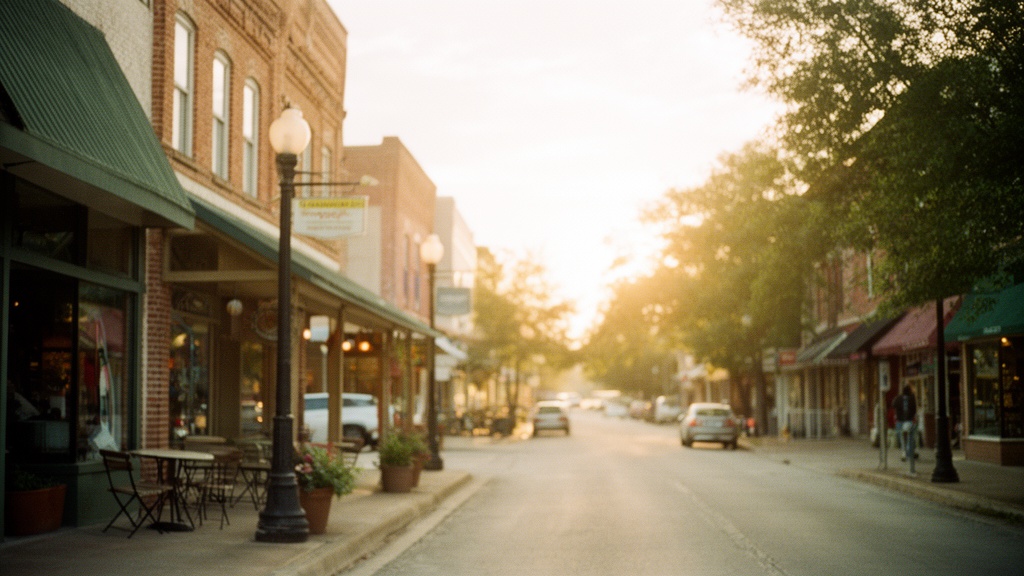
Downtown Westminster is compact and walkable by Maryland small-city standards. The historic core runs along Main Street and East Main Street, stretching roughly from Pennsylvania Avenue on the west end to Longwell Avenue on the east, with the Carroll County Courthouse anchoring the center of the streetscape. Most of the blocks you will use daily sit within about a half-mile of that courthouse square.
Main Street and the Historic Core
The architecture along Main Street is genuinely historic, with two- and three-story brick commercial buildings dating from the late 1800s and early 1900s sitting alongside 20th-century storefronts. Westminster was incorporated in 1818, and that age shows in the streetscape in a way that feels lived-in rather than curated. The sidewalks are wide enough for outdoor dining, and several restaurants and shops have taken advantage of that in recent years.
The Carroll County Courthouse, built in 1838, sits at the center of the district and gives the whole area a civic weight that many similarly sized towns lack. The surrounding blocks include the Westminster City Hall, the Carroll County Public Library's main branch, and a mix of professional offices, locally owned retail, and restaurants.
Getting Around Without a Car
Within the downtown core itself, walking is practical for daily errands, coffee, lunch, and most evening outings. The streets are flat enough that cycling is reasonable, and the city has added some bike infrastructure in recent years. That said, Westminster is still a car-dependent region overall. You can live without a car for your downtown routine, but you will need one for most shopping outside the immediate blocks and for any commute beyond the city limits.
2. Day-to-Day Errands, Food, and Amenities
Daily life in downtown Westminster is more convenient than most people expect before they move here. The corridor along Main Street and the surrounding blocks gives residents access to coffee shops, sit-down restaurants, a pharmacy, a hardware store, a library, and several specialty shops without touching a car. For larger grocery runs, you are a short drive to multiple full-size supermarkets on the Route 140 and Route 97 corridors that ring the downtown.
Groceries, Coffee, and Daily Stops
For morning coffee, downtown has several independent options within a few blocks of the courthouse. The Westminster Farmers Market runs seasonally and gives residents access to local produce, eggs, baked goods, and prepared foods within walking distance. For a full grocery run, the nearest large stores are within two to four miles of the downtown core, which is a five-to-ten minute drive depending on traffic.
The Carroll County Public Library main branch on East Main Street is a genuine daily-use amenity, with a large collection, study rooms, and regular programming. The Westminster branch of the post office and several banks are also within easy walking distance for anyone living in or very near the downtown blocks.
Dining and Nightlife Within Walking Distance
Westminster's restaurant scene has grown noticeably over the past several years. Main Street and the blocks immediately off it now include a solid mix of American, Italian, and pub-style dining, with a few newer spots adding more variety. The Johansson's Dining House on West Main Street has been a downtown anchor for years. Breweries and taprooms have opened within a short walk of the core, which has added a casual evening option that did not exist a decade ago.
Nightlife is low-key by urban standards, which suits the pace of the town. There are bars, live music events at certain venues, and regular community gatherings, but Westminster is not a late-night city. Most residents who want a broader dining or nightlife range drive to Frederick (about 25 miles west) or Baltimore (about 35 miles east) for those occasions.
3. Commuting From Downtown Westminster
Commute times from downtown Westminster to major employment centers are manageable but real. Westminster sits at the intersection of Routes 140 and 97, which are the two primary corridors connecting the city to the broader region. Understanding the drive times before you commit to a home here is one of the most practical things you can do, and it is worth testing the actual route at your actual commute time before signing a contract.
Driving to Baltimore and Beyond
Baltimore is approximately 35 miles from downtown Westminster via Route 140. In normal traffic, that drive runs about 45 to 55 minutes. During peak morning rush, especially on Route 140 approaching the Baltimore Beltway, it can stretch to 70 or 80 minutes. Many Westminster residents who commute to Baltimore leave by 6:30 a.m. to stay ahead of the worst congestion.
Frederick is about 25 miles to the west via Route 140, typically a 30-to-40 minute drive. Washington, D.C. is roughly 55 to 60 miles from Westminster and represents a longer commute, usually 75 to 100 minutes depending on the route and time of day. Many people who work in D.C. and choose Westminster do so for the housing value and accept the commute as a trade-off. For context on the Westminster housing market and what that trade-off looks like financially, the article on the Westminster MD housing market covers current conditions in detail.
Public Transit Options
Carroll County has the Carroll Transit System, which provides fixed-route bus service connecting Westminster to other parts of the county and to connections toward Baltimore. The Maryland Transit Administration also operates commuter bus service (Route 215) from Westminster toward downtown Baltimore, which is worth checking if you work in the city and want to avoid driving. That said, Westminster is not a transit-first environment, and most residents rely on personal vehicles for the majority of their trips.
4. Housing Stock and Price Ranges Downtown
Downtown Westminster's housing is older, denser, and more varied in style than the newer subdivisions on the city's outskirts. If you want a Victorian rowhouse, a converted apartment above a storefront, or a craftsman bungalow within a few blocks of Main Street, this is where you will find them. If you want a garage, a large yard, or a newer build, you will typically need to move a mile or more from the core.
What Types of Homes You Will Find
The blocks closest to Main Street include a mix of rowhouses, semi-detached homes, and small single-family homes on lots typically ranging from 2,000 to 6,000 square feet. Many of these properties were built between 1880 and 1940, with some later infill. Apartments and condos are available above commercial spaces and in converted historic buildings, giving renters and buyers a true urban-style option that is rare in Carroll County outside of Westminster's core.
As you move outward from the core by four to eight blocks, the housing transitions into larger single-family homes on bigger lots, including some mid-century ranch homes and split-levels from the 1950s through the 1970s. These properties still offer easy access to downtown on foot or by bike while giving more square footage and outdoor space.
Current Prices as of September 2026
Westminster as a whole has a median home value that sits meaningfully below what you would pay in Baltimore County or Howard County for comparable square footage, which is a core part of the city's appeal for buyers relocating from those areas. Within the downtown core specifically, smaller rowhouses and bungalows often list in the $220,000 to $340,000 range, while larger or more updated single-family homes closer to the core can reach $380,000 to $450,000 or above depending on condition and lot size.
For a broader look at what is moving and at what price in Westminster right now, the NeighborhoodScout Westminster market data provides regularly updated figures on median home values, appreciation rates, and rental statistics that are worth reviewing before you start your search.
5. Parks, Green Space, and Weekend Life
Green space is more accessible from downtown Westminster than the density of the core blocks might suggest. The city has invested in its trail system and parks in recent years, and several of the best options are within a mile or two of Main Street. This matters a lot for day-to-day quality of life, especially if you work from home or want outdoor activity without driving to it.
Carroll Creek and Local Parks
The Carroll Creek Linear Park runs through the southern edge of the downtown area and connects to a broader trail network. The creek corridor is a genuine daily-use amenity for walking, jogging, and dog walking, and it links to Wakefield Valley Road and the surrounding trail system. Hashawha Environmental Center, operated by Carroll County, sits about three miles from downtown and offers hiking trails, a lake, and outdoor programming on roughly 350 acres.
Bear Branch Nature Center is adjacent to Hashawha and adds a natural history museum and additional trails to the mix. For residents who prioritize outdoor access, these two facilities together represent a meaningful asset that is close enough to use on a Tuesday evening after work.
Community Events and Seasonal Activity
Westminster has a genuine community event calendar that makes the downtown feel active through most of the year. The Carroll County Farm Museum, located about a mile from the downtown core, hosts regular events including the Carroll County Agricultural Center Fair each summer, which draws the broader county together. The downtown itself hosts seasonal festivals, a holiday parade, and regular farmers market days that give the Main Street blocks a rhythmic energy across the seasons.
McDaniel College, a four-year liberal arts institution located on a hill just north of the downtown core, adds a low-key collegiate presence to the area. The campus hosts public lectures, performances, and athletic events that are open to the broader community, and the college's green campus is a pleasant walking destination from the downtown blocks.
6. Practical Realities and Trade-Offs
Understanding what downtown Westminster does well and where its limits are will help you decide whether it fits your actual daily routine. No place is a perfect match for everyone, and Westminster is no exception. The honest picture is that it punches above its weight for a city of roughly 20,000 people, but it is still a Carroll County small city, not a Baltimore neighborhood.
What Downtown Westminster Does Well
The historic character of the streetscape is a genuine draw. Westminster's Main Street corridor has avoided the generic chain-store fate that has hollowed out many similar towns, and locally owned businesses still anchor the commercial blocks. The pace of life is slower than a suburb of Baltimore, which many residents find to be the point. Parking is free or low-cost throughout the downtown, which is a practical daily convenience that urban residents often do not appreciate until they have it.
The housing value relative to the Baltimore metro is a consistent theme for people who relocate here. You get more square footage, more lot, and more architectural character per dollar than you would in most Baltimore County or Howard County locations at the same price point. For buyers weighing that calculation, the articles on experienced Westminster agents and on whether now is a good time to sell in Westminster offer useful market context.
What You Will Still Need to Drive For
A large-format grocery store, a big-box retailer, a movie theater, and most medical specialists are not within walking distance of the downtown core. They are a short drive away on the Route 140 corridor, but you will use a car for them. Westminster does not have a hospital within the downtown blocks; Carroll Hospital Center is about a mile and a half from the Main Street core, which is close but not walkable for most purposes.
The Route 140 commercial corridor that runs through Westminster outside the historic core is a standard suburban strip of chain restaurants, auto dealers, and big-box retail. It is useful and convenient, but it is not the reason people move to downtown Westminster. Most residents mentally separate the two: the downtown blocks for daily life and character, the Route 140 strip for practical errands.
For a fuller picture of what the Westminster area offers across its different neighborhoods and price points, the Westminster, MD city guide on Homes.com is a useful starting reference for anyone early in their research.
FAQ
Is downtown Westminster Maryland walkable enough to live without a car?
Within the immediate downtown core, yes, for a meaningful portion of daily life. Coffee, lunch, the library, the post office, evening dining, and weekend farmers market visits are all doable on foot if you live within a few blocks of Main Street. However, for a full grocery run, most medical appointments, and any commute outside the city, a car is a practical necessity. Westminster is walkable by Carroll County standards, but it is not a transit-first urban environment, and most residents own at least one vehicle.
What are home prices like in the downtown Westminster Maryland area right now?
As of September 2026, smaller rowhouses and bungalows in and near the downtown core typically list in the $220,000 to $340,000 range. Larger or more updated single-family homes closer to the historic core can reach $380,000 to $450,000 and above, depending on condition, lot size, and how recently they were renovated. Westminster's prices remain meaningfully below comparable properties in Baltimore County or Howard County, which is a consistent draw for buyers relocating from those areas. Inventory moves at varying speeds depending on price point and condition, so working with a local agent who tracks the market closely is the most reliable way to understand current timing.
How long is the commute from downtown Westminster to Baltimore?
Downtown Westminster is approximately 35 miles from Baltimore via Route 140, and the drive typically runs 45 to 55 minutes in normal traffic. During peak morning rush, especially approaching the Baltimore Beltway, that can extend to 70 or 80 minutes. Many Westminster commuters who work in Baltimore leave by 6:30 a.m. to manage the timing. The Maryland Transit Administration operates commuter bus service (Route 215) between Westminster and downtown Baltimore, which is worth investigating if you want to avoid driving. Frederick is a shorter commute at roughly 25 miles and 30 to 40 minutes in typical conditions.