← Back to Blog
Selling
Downsizing in MMAR, California: Options, Costs and Timing
By devon Bankshire
September 14, 2026 · 13 min read
Downsizing in MMAR, California is known for being more layered than most homeowners expect, with real decisions around housing options, net proceeds, property tax rules, and the right moment to list. This guide breaks down each piece so you can plan your move with clear numbers and a realistic timeline, not guesswork.
1. What Downsizing in MMAR, California Actually Means for Your Equity
Downsizing in MMAR, California is known for unlocking significant equity, often six figures, that has been sitting inside a larger home for years. The key question is not whether you will come out ahead, but by how much, and what you plan to do with the difference once the transaction closes.
How Much Equity Downsizers Typically Walk Away With
In MMAR's current market, larger single-family homes in the area are trading in ranges that reflect years of appreciation. A homeowner who purchased a 2,400-square-foot home a decade ago and is now selling to move into a 1,100-square-foot condo or smaller house can realistically net a substantial cash difference after paying off any remaining mortgage balance. For a detailed look at what homes are selling for right now, the Home Prices in MMAR California Right Now guide has current figures organized by property type and size.
The spread between a larger home and a smaller replacement property is the financial engine behind most downsizing decisions in MMAR. That spread funds retirement accounts, pays off debt, covers travel, or simply sits in savings providing a cushion that a large mortgage payment was previously consuming every month.
What the Spread Between Your Current Home and a Smaller One Looks Like
To make this concrete: if your current MMAR home sells for $850,000 and your replacement property costs $480,000, the gross spread before selling costs is $370,000. After accounting for selling costs, moving expenses, and the costs of purchasing the new property, a realistic net difference in that scenario lands somewhere between $290,000 and $320,000. The exact numbers depend on your mortgage payoff, the specific costs covered in the next section, and whether any capital gains tax applies to your situation.
On the capital gains question: the federal exclusion allows married couples filing jointly to exclude up to $500,000 in profit from the sale of a primary residence, and single filers can exclude up to $250,000, provided they have lived in the home for at least two of the past five years. Many MMAR homeowners who purchased more than a decade ago will want to consult a CPA before closing to understand whether any gain above those thresholds is taxable.
2. Housing Options When You Downsize in MMAR
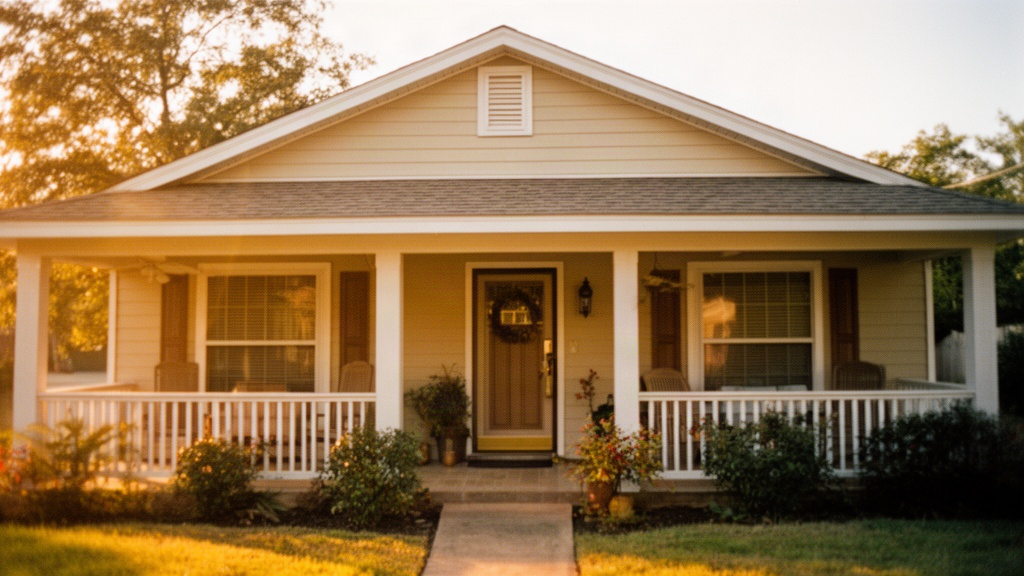
MMAR offers several distinct housing types for people who are ready to move into a smaller footprint. Each option comes with a different price point, maintenance burden, and lifestyle trade-off, so understanding what is available before you list your current home helps you set a realistic budget for the replacement property.
Smaller Single-Family Homes
MMAR has a supply of single-family homes in the 900 to 1,400 square foot range, many of them built in the mid-twentieth century with updated kitchens and bathrooms. These properties typically sit on smaller lots than the larger homes in the area, which means less yard maintenance without giving up the privacy and outdoor space that comes with detached ownership. Prices for this category vary by location within MMAR, but buyers should expect to compete with other buyers in a segment that sees consistent demand.
Condos and Townhomes
Condos and townhomes represent the most popular destination for MMAR downsizers because they eliminate exterior maintenance entirely. The HOA handles landscaping, exterior painting, roof repairs, and in many buildings, water and trash. Monthly HOA fees in MMAR condo communities currently range from roughly $350 to $650 per month depending on the building's amenities, age, and reserve fund health. That fee replaces a significant portion of the maintenance costs that come with owning a larger standalone home, so the true monthly cost comparison is closer than the HOA number alone suggests.
Townhomes in MMAR often offer two stories, an attached garage, and a small private patio, which makes them a middle ground between a condo and a detached house. They tend to carry lower HOA fees than full condo buildings because owners are responsible for their own unit's exterior in some communities.
Active Adult Communities
Several active adult communities within and near MMAR offer age-restricted housing for buyers 55 and older. These developments typically include shared amenities such as clubhouses, pools, fitness centers, and walking paths that connect to the broader MMAR trail network. Home sizes in these communities generally run between 1,000 and 1,600 square feet, and the HOA fees tend to be higher than standard condo buildings because of the amenity load, often ranging from $500 to $800 per month.
Renting as a Transitional Step
Some MMAR homeowners choose to sell first, rent temporarily, and then purchase their smaller home once they have seen the full proceeds from the sale and have a clear sense of what they want. This approach removes the pressure of a simultaneous buy-sell transaction but does expose you to MMAR's rental market, where one-bedroom and two-bedroom units currently rent for roughly $1,800 to $2,800 per month depending on the building and location. The trade-off is flexibility versus carrying costs during the gap period.
3. The Real Costs of Downsizing in MMAR, California
The costs of downsizing in MMAR, California fall into four categories: selling costs on your current home, buying costs on the replacement property, moving and transition costs, and property tax implications. Running all four numbers before you list is the only way to know what you will actually net.
Selling Costs on Your Current Home
When you sell a home in MMAR, the primary costs are real estate commissions, transfer taxes, escrow fees, title insurance, and any repairs or staging you invest in before listing. Real estate commissions are negotiated between you and your agent, but a reasonable planning figure for total commission is 4 to 5 percent of the sale price in the current MMAR market. California's documentary transfer tax is $1.10 per $1,000 of value at the county level, and some cities within MMAR's broader area layer an additional city transfer tax on top of that. Escrow and title fees typically add another 0.5 to 1 percent of the sale price.
Pre-listing repairs and staging are variable but worth budgeting. A home that has been lived in for 15 or 20 years may need fresh paint, updated fixtures, or landscaping cleanup before it photographs well. Sellers in MMAR who invest $5,000 to $15,000 in targeted pre-listing preparation routinely see that money returned many times over in final sale price. The Selling a Home in MMAR, California: Pricing, Timeline and What to Expect guide covers the seller's process in detail if you want a full breakdown of each step.
Buying Costs on the Replacement Property
Buying a smaller home in MMAR comes with its own set of closing costs, which typically run 1 to 2 percent of the purchase price for a buyer paying cash, and 2 to 3 percent for a buyer using a mortgage. These include lender fees if applicable, title insurance for the new property, escrow fees, and prepaid items like homeowners insurance and property tax impounds. On a $480,000 purchase, budget roughly $7,000 to $14,000 in closing costs depending on your financing structure.
Moving, Storage and Renovation Costs
A full-service local move within MMAR or to a nearby community typically costs $2,500 to $5,000 for a household moving from a 2,000-plus square foot home. If you are moving out of the region entirely, long-distance moving costs rise substantially, often reaching $8,000 to $15,000 or more depending on volume and distance. Storage units in MMAR run $150 to $350 per month for a 10-by-20 space, which many downsizers use during the transition period while they decide what to keep.
Minor renovations in the new, smaller home are common. Downsizers often want to customize the replacement property before moving in, whether that means new flooring, a bathroom refresh, or reconfiguring storage to maximize a smaller footprint. Budget $5,000 to $20,000 for this category depending on the condition of the property you purchase and your personal preferences.
Property Tax Considerations Under Prop 19
California's Proposition 19, which took effect in February 2021, is one of the most important financial tools available to MMAR homeowners who are 55 or older and planning to downsize. Under Prop 19, qualifying homeowners can transfer their current property tax base to a replacement home of equal or lesser value anywhere in California, up to three times in their lifetime. If the replacement home costs more than the current home, the difference in value is added to the transferred base, but the base itself does not reset to full market value.
For a homeowner whose MMAR property has a taxable assessed value of $300,000 but a current market value of $850,000, this benefit is enormous. Without Prop 19, moving to a $480,000 replacement property would trigger a reassessment to $480,000 and a substantially higher annual tax bill. With Prop 19, the transferred base stays near $300,000, keeping annual property taxes significantly lower. The Property Tax Rate When Buying a Home in MMAR, California article explains how California's property tax system works in more detail.
The Prop 19 transfer must be filed within two years of the sale of your original home. The California State Board of Equalization administers the program, and the claim form is filed with the county assessor's office in the county where the replacement property is located. Confirm the specifics with the assessor's office directly, as procedural details can change.
4. Timing Your Downsize in MMAR: When the Market Works in Your Favor
Timing a downsize in MMAR means balancing two markets at once: the one you are selling into and the one you are buying into. Because you are both a seller and a buyer, the ideal window is one where your current home sells quickly at a strong price and the inventory of smaller homes gives you reasonable selection.
Seasonal Patterns in MMAR
MMAR's real estate market follows California's broader seasonal rhythm, with the highest buyer activity concentrated between late February and early June, and a secondary uptick in September and October. Listing your larger home in late winter or early spring positions it to capture peak buyer demand, which tends to produce the strongest offers and the shortest days on market. The late summer and fall period, right now in September 2026, is also an active window because buyers who did not find a home in the spring are still searching and often motivated to close before the end of the year.
Interest Rate Conditions in September 2026
Many downsizers in MMAR are planning to pay cash for their replacement property, using the equity from their sale, which means mortgage rate fluctuations matter less to them directly. However, rates still affect the buyer pool for your current home. When rates are elevated, some buyers are priced out of larger homes, which can compress demand at the top of the market where many downsizers are selling. Staying current on rate trends through your lender or a mortgage broker gives you a more accurate read on buyer demand before you commit to a listing date.
If you are planning to carry a small mortgage on the replacement property rather than paying all cash, locking in a rate at the right moment matters. On a $200,000 loan, a one-percentage-point difference in rate translates to roughly $150 per month in payment, which adds up to $54,000 over 30 years. It is worth tracking rate movement for several months before you commit to a purchase timeline.
How Long the Process Takes Start to Finish
A realistic timeline for a complete downsize in MMAR, from the first conversation with an agent through closing on the replacement property, runs four to eight months for most homeowners. The preparation phase, which includes decluttering, staging, and any pre-listing repairs, typically takes four to eight weeks on its own. Once listed, well-priced MMAR homes in the current market are going under contract in two to four weeks on average. Escrow on the sale then runs 30 to 45 days, and finding and closing on the replacement property adds another 30 to 60 days if you are purchasing simultaneously or shortly after.
For a closer look at how closing timelines work in MMAR specifically, the How Long Does It Typically Take to Close on a House in MMAR, California Right Now article walks through each phase of escrow and what can speed it up or slow it down.
5. Practical Steps to Start Your Downsize in MMAR, California
The homeowners who navigate downsizing most smoothly in MMAR are the ones who do the financial and logistical groundwork before they ever put a sign in the yard. These three steps create the foundation for a transaction that closes on your terms rather than under pressure.
Get a Current Home Value Assessment First
Before you can plan a downsize, you need an accurate number for what your current MMAR home is worth in today's market, not what Zillow estimates, and not what a neighbor sold for two years ago. A comparative market analysis from a local agent uses recent closed sales, active competition, and condition adjustments to give you a realistic range. That number becomes the anchor for every other financial calculation in your downsize plan.
Clarify Your Must-Haves in the Next Home
Downsizing means making choices about what you genuinely need versus what you have simply accumulated space for. Before you start touring smaller homes in MMAR, write down the non-negotiables: single-story layout, a two-car garage, proximity to a specific park or medical facility, a guest room, or a specific part of town. That list prevents you from falling in love with a property that does not actually fit your life and wasting time on offers that you will regret.
MMAR has a range of walkable areas near retail corridors, parks, and medical offices, as well as quieter residential pockets further from the commercial core. Knowing which of those environments matches your day-to-day routine narrows the search considerably and makes the process faster once you are actively looking.
Line Up Your Finances Before You List
If you plan to use sale proceeds to purchase your replacement property, you have two structural options: sell first and then buy, or use a bridge loan or home equity line to purchase before your current home closes. Each approach has trade-offs. Selling first eliminates financial risk but may require a temporary rental. Buying first with bridge financing eliminates the rental gap but adds carrying costs and requires you to qualify for the bridge product, which typically means strong credit and sufficient equity.
Speaking with a mortgage broker or lender before you list gives you a clear picture of which path is available to you based on your specific financial profile. Devon Bankshire works regularly with MMAR homeowners navigating this exact decision and can connect you with lenders who specialize in simultaneous buy-sell transactions in the local market. For broader context on what the downsizing conversation looks like from a planning perspective, the National Association of Realtors offers a useful overview in their article How to Talk Downsizing With Seniors, which covers the emotional and logistical dimensions of the process.
FAQ
How much does it cost to downsize in MMAR, California when you factor in everything?
The total transaction cost of a complete downsize in MMAR, including selling costs on the current home, buying costs on the replacement property, moving expenses, and any pre-listing or post-purchase renovations, typically runs between 7 and 12 percent of your current home's sale price. On an $800,000 sale, that means budgeting $56,000 to $96,000 in total transaction costs before you calculate your net equity gain. The good news is that the equity spread between a larger MMAR home and a smaller replacement property almost always exceeds those costs by a wide margin, which is why downsizing in MMAR is known for generating significant financial relief for homeowners who have held their properties for a decade or more. Running the full numbers with a local agent before you commit gives you a precise figure rather than a rough estimate.
Does Proposition 19 apply to my downsize in MMAR, California?
Proposition 19 applies to California homeowners who are 55 or older, severely disabled, or victims of a wildfire or natural disaster, and it allows them to transfer their current property tax base to a replacement home anywhere in California. For MMAR homeowners who qualify, this benefit can save thousands of dollars per year in property taxes on the replacement home, particularly if the original home was purchased many years ago at a much lower assessed value. The transfer must be completed within two years of the sale of the original property, and the claim is filed with the county assessor's office where the replacement property is located. If you are under 55, Prop 19 does not apply, and your replacement property will be assessed at its full purchase price under standard California property tax rules. Confirm your eligibility and the filing process with the county assessor's office directly, as requirements can be updated.
Should I sell my MMAR home before buying the smaller replacement property, or buy first?
Most MMAR downsizers sell first and then purchase, because it eliminates the risk of owning two properties simultaneously and gives you a precise cash figure to work with when making an offer on the replacement home. The main drawback is a potential gap period where you need temporary housing, either a short-term rental or a rent-back agreement with your buyer that lets you stay in your sold home for 30 to 60 days after closing. Buying first using a bridge loan or home equity line of credit is an option for homeowners with strong equity and good credit, but it adds carrying costs and requires qualifying for additional financing. The right sequence depends on your financial cushion, your tolerance for uncertainty, and the current pace of the MMAR market. Devon Bankshire can help you map out both scenarios with real numbers so you can make the choice that fits your situation.