← Back to Blog
Market Trends
What New Construction and Development Projects Are Happening in MMAR, California in 2026
By devon Bankshire
September 11, 2026 · 9 min read
If you are asking what new construction or development projects are happening in MMAR, California in 2026, you are asking exactly the right question before making a move. The local building landscape is shifting, and understanding what is being built, where, and at what price point can give buyers and sellers a meaningful edge in today's market. This guide covers active projects, infrastructure changes, permit trends, and what all of it means for anyone buying or selling property in MMAR right now.
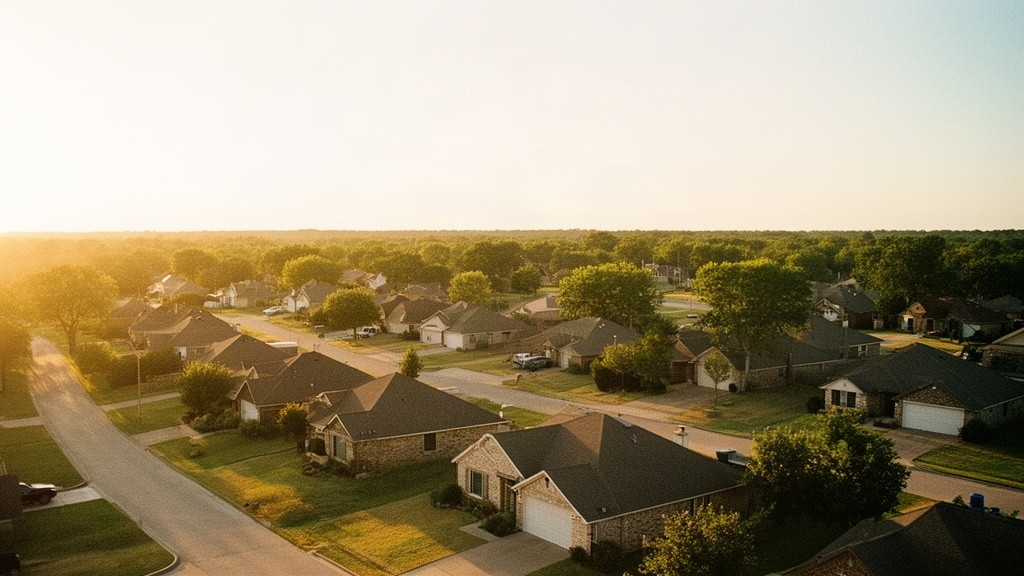
1. The State of New Construction in MMAR, California in 2026
New construction activity in MMAR, California is picking up in 2026, though the pace reflects the broader constraints that have shaped Marin County building for decades: limited flat land, strict environmental review requirements, and a permit process that rewards patience. That said, several projects have cleared entitlements or broken ground this year, and more are moving through the pipeline than at any point in recent memory.
How Local Inventory Is Responding to Demand
MMAR's existing housing stock is predominantly single-family homes built between the 1950s and 1980s, with a mix of craftsman bungalows, mid-century ranches, and hillside contemporaries. Resale inventory has remained tight through 2026, which is one reason developers and the county have both pushed to bring new units online. Buyers who have been waiting on the sidelines for more options are starting to see movement, particularly in the attached and smaller-lot segments.
For context on what is driving this statewide, California residential construction starts data shows a sustained upward trend in permitted units across coastal counties, including Marin. MMAR is not immune to those forces, and local builders are responding accordingly.
What California's Construction Trends Mean for MMAR
Statewide pressure on local jurisdictions to meet Regional Housing Needs Allocation targets has pushed MMAR, like many Marin communities, to approve projects it might have delayed in prior cycles. The state's builder's remedy provisions, which allow developers to bypass some local zoning if a city has not adopted a compliant housing element, have added urgency to the entitlement process. Several proposals in and around MMAR have moved faster through review in 2026 precisely because of this pressure.
If you want a broader picture of how these dynamics are playing out across Marin County, the 2026 new homes guide for Marin County provides a useful county-wide overview that complements the MMAR-specific details below.
2. Active Residential Development Projects to Know About
The most active new construction happening in MMAR, California in 2026 falls into two broad categories: infill development on underutilized parcels within established neighborhoods, and larger mixed-use or attached-housing proposals near transit corridors and commercial nodes. Both categories are worth tracking whether you are buying or selling.
Infill Development and Smaller Lot Projects
Infill construction is the dominant form of new residential building in MMAR right now. Builders are acquiring older single-family lots, demolishing structures that have reached the end of their useful life, and replacing them with two to four units under California's ADU and duplex-by-right laws. These projects typically produce detached or semi-detached homes ranging from approximately 1,200 to 2,400 square feet, priced between $1.1 million and $1.9 million depending on location, finish level, and proximity to the waterfront or open space.
Accessory dwelling unit construction has also accelerated significantly in 2026. Many MMAR homeowners are adding detached ADUs ranging from 500 to 900 square feet to their existing properties, both to generate rental income and to accommodate multigenerational living. These units are not typically listed for sale as standalone properties, but they do affect neighborhood density and the overall supply picture for renters and buyers.
Attached Housing and Mixed-Use Proposals
Several attached housing proposals are in active entitlement or early construction phases in the MMAR area in 2026. These include townhome clusters of 12 to 40 units on commercially zoned land near Highway 101 and Sir Francis Drake Boulevard, where the county has been more receptive to density given existing infrastructure capacity. Prices on these attached units, when they reach the market, are projected in the $850,000 to $1.4 million range, making them among the more accessible new-construction price points in the area.
Mixed-use proposals, which combine ground-floor retail or office space with residential units above, are also moving through the approval process near MMAR's established commercial districts. These projects tend to have longer timelines from approval to occupancy, often 24 to 36 months, so buyers interested in them should plan accordingly. Devon Bankshire tracks these timelines closely and can give you a realistic picture of when specific projects are likely to be available.
3. Infrastructure and Commercial Development Shaping the Market
New construction in MMAR, California in 2026 is not limited to residential buildings. Infrastructure upgrades and commercial projects are running in parallel, and they have a direct effect on property values and livability throughout the area.
Road, Transit, and Utility Improvements
Marin County's road network near MMAR is seeing targeted improvements in 2026, including resurfacing and intersection upgrades along key arterials that feed into US-101. Commute times from MMAR to downtown San Francisco run approximately 35 to 55 minutes by car depending on traffic, and about 60 to 75 minutes via the Golden Gate Transit bus and ferry combination. Any improvements to local road capacity or transit frequency have an outsized effect on buyer demand in this market, where commute time is a top consideration.
Water and sewer infrastructure capacity is also being expanded in select corridors to support the new residential density the county has approved. This is a practical detail that matters when evaluating new construction: buyers should confirm that a project has secured water and sewer allocations before committing to a purchase contract, since delays in utility approvals have stalled projects elsewhere in Marin.
Commercial Projects That Affect Residential Values
Several commercial renovation and new-build projects are underway near MMAR's retail and dining corridors in 2026. Older strip commercial buildings are being repositioned as neighborhood-serving mixed use, with updated facades, outdoor seating, and small-format grocery or specialty retail tenants. These changes tend to strengthen the appeal of adjacent residential blocks and are worth noting if you are evaluating a home within walking distance of a commercial node.
Parks and open space improvements are also part of the 2026 development picture. Marin County Parks has active projects this year that include trailhead upgrades, parking expansion at key Point Reyes and Mount Tamalpais access points, and shoreline restoration work along the bay. These improvements add to the outdoor amenity base that makes MMAR a distinctive place to live, and they are frequently cited by buyers as a reason they chose this market over others in the Bay Area.
4. New Construction Laws Taking Effect in 2026 and How They Affect Buyers
Buying new construction in MMAR in 2026 means navigating a changed legal landscape. California enacted a significant package of construction law updates this year that affect builder contracts, disclosure requirements, and buyer protections.
What Changed for Builders and Buyers This Year
The 2026 California construction law updates include changes to warranty obligations, dispute resolution procedures, and disclosure timelines that apply to newly built homes. Builders are now required to provide more detailed written disclosures about materials used, subcontractors involved, and known defect history on adjacent parcels. Buyers have stronger standing in arbitration under the updated Right to Repair Act provisions. These are not small technical details; they can determine how much leverage you have if something goes wrong after closing.
For a full breakdown of what changed, the 2026 California Construction Law Update covers every new provision in plain language. Reviewing it before you sign a purchase contract on any new build in MMAR is time well spent.
How to Navigate Contracts on New Builds
Builder contracts are not the same as standard California residential purchase agreements. They are written by the builder's legal team and favor the builder on price lock, change order costs, closing timelines, and deposit forfeiture terms. Buyers who come to a new-construction purchase without their own representation routinely leave money and protections on the table. Having Devon Bankshire in your corner means having someone who reviews these contracts regularly and knows exactly where the negotiation points are.
Upgrades and design center selections are another area where buyers can overspend quickly. Builders in the MMAR area typically present upgrade packages at the time of contract, and the markup on in-house finishes is often 20 to 40 percent above what the same materials would cost through a third-party contractor after closing. Knowing which upgrades add resale value and which are purely cosmetic is something Devon can walk you through before you sit down at the design center.
5. What New Development Means If You Are Buying or Selling in MMAR Right Now
Understanding what new construction and development projects are happening in MMAR, California in 2026 is not just useful background knowledge. It directly affects your strategy whether you are purchasing a home or preparing to list one.
Buying a New Build vs. an Existing Home
New construction in MMAR offers buyers a product with modern systems, energy efficiency, and builder warranties, but it comes with trade-offs. Lot sizes on infill projects are typically smaller than those on the mid-century homes they replace. Landscaping is minimal at delivery. And the neighborhood character around a new build may be in transition, which can be a positive or a neutral depending on your priorities. Existing homes in MMAR, by contrast, often come with mature trees, larger yards, and established street presence, but may need roof, plumbing, or electrical updates.
Price per square foot on new construction in MMAR currently runs between $750 and $1,050 depending on location and finish level, compared to $650 to $900 per square foot on comparable resale product. The premium reflects new systems and warranties, but it is worth modeling the total cost of ownership on both options before deciding. Devon Bankshire can help you run those numbers side by side. You can also get more context on the overall buying process in the Homes for Sale in MMAR, California: Buyer's Guide published on this site.
How Development Activity Affects Your Listing
If you are selling an existing home in MMAR in 2026, new construction nearby is both a competitive factor and a pricing signal. When builders are pricing new infill product at $1.5 million and above, it tends to lift the ceiling for well-maintained resale homes in the same submarket. Buyers who cannot wait for a new build, or who prefer a larger lot or a more established setting, will look to resale inventory and are often willing to pay a premium for a move-in-ready product that competes with new construction on condition.
The flip side is that sellers in areas with significant new construction nearby need to price and present their homes carefully. A dated kitchen or a deferred roof replacement becomes harder to overlook when a buyer can walk two blocks and see a brand-new home with all-new systems. Strategic pre-listing updates, priced to return more than their cost, are worth discussing with Devon before you go to market.
FAQ
Are there new construction homes available to buy in MMAR, California right now in 2026?
Yes, though the supply is limited compared to higher-volume markets. The new construction happening in MMAR, California in 2026 includes infill single-family replacements, small townhome clusters, and a handful of mixed-use projects with residential components. Most of these are either pre-sale, under construction, or recently completed. Because new builds in MMAR move quickly and are not always listed on the MLS in the traditional way, working with a local agent like Devon Bankshire who tracks these projects directly is the most reliable way to find out what is available and when units will be ready.
How do new construction projects in MMAR affect home prices for existing homes?
New construction activity generally puts upward pressure on resale prices in the same submarket, because builder pricing establishes a ceiling that resale homes can approach when they are well-maintained and competitively positioned. In MMAR, where new infill product is currently pricing between $1.1 million and $1.9 million, move-in-ready resale homes of similar size in the same neighborhoods are benefiting from that benchmark. However, sellers whose homes need significant updates face more competition from new builds, since buyers comparing the two products will factor in the cost of renovations on the resale side.
What should I know about buying new construction in MMAR under California's 2026 construction laws?
California's 2026 construction law updates strengthened buyer protections in several areas, including expanded disclosure requirements, updated Right to Repair Act provisions, and clearer arbitration procedures. For buyers in MMAR, the practical takeaway is that builder contracts are now subject to more scrutiny, and builders are required to disclose more about materials, subcontractors, and adjacent parcel history. That said, builder contracts still favor the builder in most respects, and having your own buyer's agent review the contract before you sign is essential. Devon Bankshire works with new-construction buyers in MMAR regularly and can walk you through the key terms before you commit.