← Back to Blog
Market Trends
Oxnard, California Real Estate Market Guide: Prices, Neighborhoods and Timing
By Dian Hernandez
September 1, 2026 · 12 min read
If you are trying to understand the Oxnard, California real estate market guide covering prices, neighborhoods and timing, this article gives you the full picture in one place. Oxnard is Ventura County's largest city, with roughly 210,000 residents, a working harbor, miles of Pacific coastline, and a housing inventory that ranges from sub-$500,000 condos to waterfront homes well above $1.5 million. Whether you are buying, selling, or relocating here, knowing how the local market actually moves is the difference between a confident decision and a costly mistake.
1. What Oxnard's Housing Market Looks Like Right Now
Oxnard's housing market has remained resilient through 2026, with median home prices holding above the $700,000 mark for most of the year. That figure reflects a market that has absorbed higher mortgage rates without the sharp price corrections seen in some inland California cities. Coastal proximity is a durable price anchor here, and Oxnard's position between Malibu and Santa Barbara keeps demand steady from both local move-up buyers and people relocating from Los Angeles County.
Current Median Prices
As of September 2026, the median sale price for a single-family home in Oxnard sits in the range of $730,000 to $760,000, depending on the week and which closings are captured in the data. Condos and townhomes trade at a meaningfully lower entry point, typically between $440,000 and $560,000. The gap between those two categories matters a lot for first-time buyers who are trying to get into the market without stretching to a full detached home.
Waterfront and harbor-view properties are a different conversation entirely. Homes along Channel Islands Harbor or on the Oxnard Shores strip routinely close between $1.1 million and $2.2 million, with outliers on either side. Those properties move on their own timeline and are often less sensitive to rate fluctuations than the broader market.
How Oxnard Compares Within Ventura County
Within Ventura County, Oxnard generally offers more housing options at a broader range of price points than Ventura or Camarillo, partly because of its larger geographic footprint and more varied housing stock. The Oxnard plain stretches from the Pacific coastline east toward the 101 Freeway corridor, giving the city distinct micro-markets that behave differently from each other. For a deeper look at how countywide trends affect what you will pay or receive here, the article on Ventura County housing market trends for Oxnard buyers and sellers covers that in detail.
Inventory and Days on Market
Active inventory in Oxnard has loosened slightly compared to the extremely tight conditions of 2023 and 2024, but it is still not a buyer's market in most price brackets. Well-priced single-family homes under $800,000 are spending roughly 20 to 35 days on market before going under contract. Properties priced above $1 million are sitting longer, often 45 to 75 days, as the pool of qualified buyers at that level is naturally smaller.
Sellers who price accurately from day one are still seeing multiple offers in some cases, particularly for move-in-ready homes in established neighborhoods. Overpriced listings are sitting and requiring reductions, which is a shift from the 2021 and 2022 environment when almost anything sold quickly regardless of condition or price.
2. Oxnard's Housing Stock: What You Can Actually Buy Here
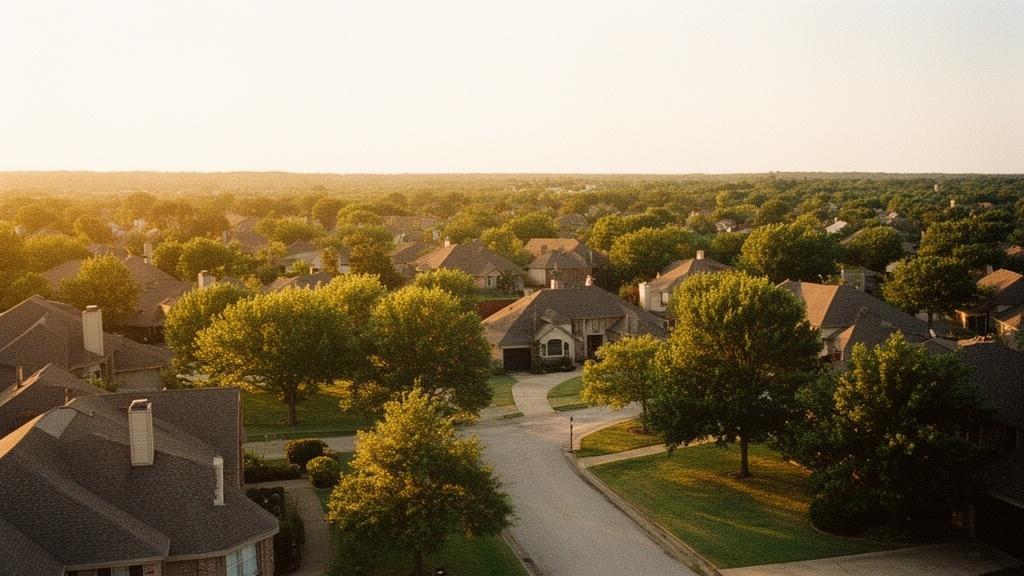
Oxnard has one of the most varied housing inventories on the Ventura County coast, ranging from 1950s beach cottages to master-planned communities built in the 2010s. Understanding what type of home exists in each part of the city helps buyers set realistic expectations before they start searching, and helps sellers understand who their most likely buyer will be.
Coastal and Harbor-Adjacent Properties
The western edge of Oxnard, from Hollywood Beach down through Oxnard Shores, contains a mix of older beach bungalows, two-story duplex-style homes, and newer custom builds on narrow lots. Lot sizes in this zone typically run 2,500 to 4,500 square feet, and many homes have been expanded or renovated over the decades. Channel Islands Harbor adds a different category: single-family homes and condos on man-made channels with private dock access, which is a feature you simply cannot find in most Ventura County communities.
Inland Single-Family Neighborhoods
Moving east from the coast, the city opens into larger lots and more traditional suburban tract homes. Many of these neighborhoods were built between the 1960s and 1990s, with three and four-bedroom floor plans on lots ranging from 5,000 to 8,000 square feet. These are the homes that most frequently trade in the $650,000 to $850,000 range and represent the core of Oxnard's single-family market by volume.
Buyers in this part of the city are often drawn by the proximity to the 101 Freeway, which puts downtown Ventura about 10 to 12 minutes away and the Camarillo premium outlets about 15 minutes east. Los Angeles is roughly 60 to 75 miles south, a commute that many residents manage via Metrolink from the Oxnard train station on Oxnard Boulevard.
Condos, Townhomes and New Construction
The Riverpark master-planned community near the Collection at Riverpark shopping center represents Oxnard's most notable new-construction cluster. Homes there were built primarily between 2008 and the mid-2010s and feature attached and detached floor plans with HOA amenities including parks, walking paths, and a community pool. Prices in Riverpark currently range from roughly $650,000 for a smaller townhome to over $900,000 for a larger detached model.
Standalone condo complexes are scattered throughout the city and offer the most accessible entry points, particularly for buyers who want to own in Oxnard without the maintenance obligations of a detached home. Many of these buildings were constructed in the 1970s and 1980s and have been updated to varying degrees, so condition varies significantly from unit to unit.
3. Neighborhood Breakdown: Prices and Property Features by Area
Oxnard is not a single uniform market. Each area of the city has its own price range, property type, and set of features that distinguish it from the others. Buyers who understand these distinctions can focus their search more efficiently, and sellers can price more accurately by knowing what their specific location commands.
Oxnard Shores and Hollywood Beach
Hollywood Beach sits at the far western tip of Oxnard, on a narrow peninsula between the Pacific Ocean and Channel Islands Harbor. Homes here are densely packed on small lots, and the area has a distinct beach-town character with wide sandy beaches accessible from most streets. Prices on the ocean side of Hollywood Beach can exceed $2 million for updated homes with direct beach access.
Oxnard Shores, just north of Hollywood Beach, offers similar coastal proximity with slightly more varied architecture and a broader price range, typically $900,000 to $1.6 million for single-family homes. The Mandalay Beach area, which borders the northern edge of Oxnard Shores, includes some larger lots and newer custom construction that pushes prices higher on specific streets.
The Collection and Riverpark Area
The Riverpark neighborhood surrounds the Collection at Riverpark, an open-air retail and dining destination anchored by a Whole Foods, a movie theater, and dozens of restaurants along its main promenade. Homes in Riverpark are newer than most of Oxnard's housing stock, with energy-efficient construction, attached two-car garages, and HOA-maintained common areas.
The tradeoff is distance from the beach. Riverpark sits roughly 3 to 4 miles from the Oxnard coast, so buyers who prioritize walkable beach access will need to factor in that commute. For buyers who prioritize newer construction, walkable amenities, and a more planned community feel, it is one of the more distinctive options in the city.
South Oxnard and Central Oxnard
Central and south Oxnard contain the city's highest concentration of older single-family homes and smaller lot sizes, with many properties dating to the 1950s through 1970s. These areas tend to trade at lower price points than the coastal or Riverpark zones, often in the $580,000 to $720,000 range for single-family homes, which makes them among the more accessible entry points in the city.
Port Hueneme borders south Oxnard and is technically a separate city, but buyers searching in this corridor often look at both simultaneously. Port Hueneme has its own beachfront, a small downtown, and prices that are generally somewhat lower than comparable Oxnard properties. For more detail on that specific market, the article on homes for sale in Port Hueneme covers what buyers need to know before they search there.
4. Timing the Oxnard Market: When to Buy or List
Timing matters in Oxnard, but not always in the ways buyers and sellers expect. The coastal climate moderates seasonal swings more than in inland markets, so the spring surge and winter slowdown are real but less dramatic here than in places with harsher weather. What matters more in Oxnard is understanding the relationship between inventory cycles, mortgage rate movements, and the specific price bracket you are targeting.
Seasonal Patterns in Oxnard
The highest volume of new listings in Oxnard historically hits the market between late February and early June. That window brings the most competition for buyers but also the most selection. Summer sees continued activity, particularly for coastal properties, as buyers from Los Angeles and the San Fernando Valley are most motivated to lock in a beach-adjacent home before fall.
Fall and early winter bring fewer listings and fewer buyers, which can work in either party's favor depending on circumstances. Sellers who list in October or November face less competition from other sellers, though they will also see fewer showings. Buyers who search in that window sometimes find sellers more willing to negotiate on price or terms. The article comparing spring versus fall listing timing in Oxnard breaks down the price data on both sides of that decision.
What the Broader National Trend Means Locally
Oxnard does not operate in a vacuum. National data from the National Association of Realtors shows that home prices increased in 80% of metro areas in the second quarter of 2026, confirming that the broader trend of appreciation is still intact across most of the country. The Oxnard-Thousand Oaks-Ventura metro has been among the metros sustaining price growth, supported by constrained coastal supply and persistent demand from buyers priced out of Los Angeles.
That national context matters because it shapes buyer confidence and lender behavior. When prices are rising in most metros, buyers tend to act with more urgency and lenders maintain competitive loan products. A market where 80% of areas are appreciating is a very different environment than one where prices are falling broadly, and that distinction affects how aggressively buyers should negotiate and how conservatively sellers should price.
Rate Sensitivity and Buyer Demand
Oxnard's market is sensitive to mortgage rate movements in the mid-price range, roughly $600,000 to $900,000, where most buyers are financing a significant portion of the purchase. When rates dip even modestly, that bracket tends to see a quick uptick in offers and faster days-on-market figures. The coastal luxury segment above $1.2 million is less rate-sensitive because more buyers in that range are using larger down payments or all-cash offers.
Buyers who are on the fence about timing should think about their personal financial window rather than trying to predict rate movements. Waiting for a perfect rate environment in a supply-constrained coastal market often means waiting while prices continue to move upward. The article on whether right now is a good time to buy in Oxnard addresses that question directly with current data.
5. What Buyers and Sellers Need to Know Before They Move
Whether you are buying your first home in Oxnard, selling a property you have owned for years, or relocating here from another state, the local details that shape your experience are not visible in national market reports. Understanding the physical layout of the city, the commute realities, and the seller preparation expectations specific to this market will put you in a significantly stronger position.
Relocation Considerations
People relocating to Oxnard from outside Ventura County are often surprised by how much the city's geography shapes daily life. The 101 Freeway runs along the eastern edge of the city and connects north to Santa Barbara, roughly 35 miles away, and south toward Los Angeles. Highway 1 runs along the coast and connects Oxnard to Malibu to the south, a scenic but slower route that takes approximately 45 to 60 minutes depending on traffic.
The Oxnard Metrolink station on Oxnard Boulevard provides rail service to Los Angeles Union Station, with peak-hour trains making the trip in roughly 90 minutes. That option is worth factoring in for buyers who commute to downtown Los Angeles or Burbank and want to avoid freeway driving. Ventura County's bus network also connects Oxnard to neighboring cities including Ventura, Camarillo, and Thousand Oaks.
For information about schools, the Oxnard School District and Oxnard Union High School District both publish detailed information on their official websites. The California Department of Education's School Finder tool at cde.ca.gov is the most reliable place to research school attendance boundaries and program offerings. School assignment is a personal research decision, and boundaries can change, so verifying directly with the district before making a purchase decision is always the right approach.
Seller Preparation in a Competitive Coastal Market
Oxnard buyers in 2026 are more discerning than they were in the peak frenzy of 2021 and 2022. They have more options than they did two years ago, and they are less willing to overlook deferred maintenance or dated finishes at today's price levels. Sellers who invest in pre-listing preparation, including fresh interior paint, updated fixtures, professional cleaning, and landscaping, consistently outperform sellers who list without preparation.
A pre-listing inspection is worth considering in Oxnard specifically because coastal properties can accumulate moisture-related issues that buyers will catch in their own inspection. Addressing those items before listing removes negotiating leverage from the buyer's side and reduces the chance of a deal falling apart after escrow opens.
Working with a Local Expert
The difference between a locally knowledgeable agent and a generalist becomes most visible in a market like Oxnard, where the price per square foot can shift dramatically from one street to the next based on ocean view, harbor access, or proximity to the freeway. An agent who knows which blocks in Oxnard Shores command a view premium, or which Riverpark floor plans hold value better at resale, gives buyers and sellers information that no online listing platform can replicate.
Dian Hernandez works in this market every day and understands the specific dynamics that move prices in each part of Oxnard. If you are trying to decide whether to buy, sell, or simply understand where the market is headed, having a conversation with someone who tracks this data locally is the most direct path to a clear answer.
FAQ
What is the current median home price in Oxnard, California?
As of September 2026, the median sale price for a single-family home in Oxnard is in the range of $730,000 to $760,000. Condos and townhomes trade at lower price points, typically between $440,000 and $560,000. Coastal and harbor-adjacent properties, particularly along Hollywood Beach, Oxnard Shores, and Channel Islands Harbor, frequently close above $1 million and can exceed $2 million for updated waterfront homes. These figures shift month to month based on which closings are recorded, so working with a local agent to pull current comparable sales is the most accurate way to establish pricing for a specific property.
Is Oxnard a buyer's market or a seller's market right now?
In September 2026, Oxnard leans toward a seller's market in the sub-$800,000 price range, where inventory remains limited and well-priced homes are moving in roughly 20 to 35 days. The market becomes more balanced above $1 million, where days on market stretch to 45 to 75 days and buyers have more negotiating room. Inventory has loosened modestly compared to 2023 and 2024, but coastal supply constraints mean Oxnard is unlikely to shift into a true buyer's market without a significant change in rate environment or a large influx of new listings. Pricing accurately from day one remains the most important factor for sellers in this environment.
How does the Oxnard real estate market vary by neighborhood?
Oxnard's market varies significantly by location within the city. The Hollywood Beach and Oxnard Shores coastal strip commands the highest prices, with single-family homes ranging from roughly $900,000 to over $2 million depending on ocean proximity and lot position. The Riverpark area near the Collection offers newer construction in the $650,000 to $900,000 range with HOA amenities. Central and south Oxnard contain older housing stock at more accessible price points, generally $580,000 to $720,000 for single-family homes. Channel Islands Harbor properties with private dock access represent their own distinct category and trade based on water frontage and boat slip configuration rather than standard square footage comparisons.