← Back to Blog
Local Living
Relocating to Oxnard California: Neighborhoods, Costs, Timelines
By Dian Hernandez
September 9, 2026 · 13 min read
Relocating to Oxnard, California means landing in one of Ventura County's largest cities, where Pacific Ocean beaches sit minutes from working-class neighborhoods, newer master-planned communities, and a downtown that has been steadily adding restaurants and civic investment. This guide covers the neighborhoods worth knowing, what housing actually costs right now, what your daily commute will look like, and a realistic timeline from your first search to moving day.
1. What Oxnard Actually Looks Like as a Place to Live
The City at a Glance
Oxnard is Ventura County's largest city by population, sitting at roughly 210,000 residents as of 2026. It spans about 27 square miles along the Pacific Coast, bordered by Camarillo to the east, Port Hueneme to the south, and the Santa Clara River to the north. The city is not a single neighborhood but a collection of distinct pockets, each with its own price range, housing stock, and feel.
For a broader overview of how Oxnard fits into the regional housing picture, the Oxnard city guide on Homes.com offers a useful starting point for understanding the city's layout and housing mix before you visit in person.
Climate and Geography
Oxnard's climate is one of its most defining features. The city sits in the Oxnard Plain, a flat coastal valley that keeps temperatures moderate year-round. Average highs in summer hover around 72 to 76 degrees Fahrenheit; winter lows rarely drop below 45. The marine layer rolls in most mornings from May through August, burning off by midday. Inland neighborhoods, particularly those near the Riverpark development, can run 5 to 8 degrees warmer than the beachside streets.
The Oxnard Plain also means flat terrain throughout nearly the entire city. You will not find hillside lots or canyon views the way you would in Ventura or Thousand Oaks. What you do get is proximity to the Pacific, with Channel Islands Harbor, Oxnard State Beach, and Silver Strand Beach all accessible within a short drive or bike ride from most neighborhoods.
2. Neighborhoods in Oxnard: A Practical Overview for Relocators
Oxnard's neighborhoods cover a wide range of housing types, lot sizes, and price points. Understanding the differences before you start touring homes will save you time and help you focus your search. Here is a practical breakdown of the main areas people ask about when relocating to Oxnard, California.
The Oxnard Shores and Silverstrand Area
Oxnard Shores sits directly on the Pacific, with homes along Mandalay Beach Road and the surrounding streets offering some of the closest ocean access in Ventura County. Housing stock here is a mix of older beach cottages built in the 1960s and 1970s, updated single-family homes, and a smaller number of duplexes. Lot sizes are generally compact, typically 3,000 to 5,000 square feet. Prices in this corridor currently range from the high $800,000s for a smaller updated cottage to well over $1.5 million for larger or remodeled properties with ocean views.
Silver Strand is a narrow peninsula that connects to Port Hueneme and features a mix of single-family homes and some townhome-style properties. The beach here is quieter than the main Oxnard State Beach stretch, and the neighborhood has a tucked-away quality despite being minutes from Harbor Boulevard. Prices in Silver Strand overlap with Oxnard Shores, generally starting in the mid-$700,000s and climbing based on lot size and ocean proximity.
Seabridge and the Marina District
Seabridge is a gated waterfront community built around a private marina and a series of man-made channels. Homes here are predominantly two- and three-story single-family residences constructed between the mid-1990s and the mid-2000s, with a number of townhomes and condominiums in adjacent sections. Many properties have private boat docks. Prices in Seabridge currently range from approximately $900,000 for a smaller interior unit to over $2 million for a larger waterfront home with a dock slip.
The broader Channel Islands Harbor area includes condominiums and townhomes priced from the mid-$500,000s. These properties appeal to buyers who want water proximity without the full price tag of a single-family waterfront home. For a deeper look at the waterfront segment specifically, see the guide to luxury waterfront properties in Oxnard published on this site.
Camarillo Adjacent: North Oxnard and Riverpark
Riverpark is Oxnard's largest master-planned community, located in the northeastern corner of the city near the Camarillo border. Development began in the late 2000s and continues in phases through 2026. Homes here are newer construction, typically built after 2010, with two-car garages, energy-efficient systems, and HOA amenities including parks, a recreation center, and maintained green belts. Lot sizes run smaller than older Oxnard neighborhoods, usually 3,500 to 6,000 square feet, but floor plans are larger, often 1,800 to 3,200 square feet of living space.
Riverpark prices currently sit in the $750,000 to $1.1 million range for single-family homes, depending on size and lot position. HOA fees typically run $150 to $300 per month depending on the specific sub-association. For buyers coming from Los Angeles or the San Fernando Valley, Riverpark's proximity to the 101 Freeway at Oxnard Boulevard makes it a practical choice for commuters. To see what new phases are still under construction in this area, check the article on new housing developments in Oxnard for 2026.
Central and South Oxnard
Central Oxnard, the area surrounding downtown and the Oxnard Transit Center, contains the city's oldest housing stock. Many homes were built between the 1940s and 1970s, with three-bedroom, one-bath bungalows on 6,000 to 8,000 square foot lots being common. These properties offer the most accessible entry point into Oxnard homeownership, with prices currently ranging from the low $500,000s to the mid-$700,000s depending on condition and lot size.
South Oxnard, between the 101 Freeway and Port Hueneme, includes a mix of 1950s and 1960s tract homes and some more recent infill construction. Prices here overlap with central Oxnard, generally ranging from the upper $400,000s to the low $700,000s. The area is close to Naval Base Ventura County, which influences some of the rental and purchase activity in nearby streets.
3. Housing Costs When Relocating to Oxnard, California
Housing costs in Oxnard are lower than in neighboring Ventura and significantly lower than Los Angeles County, but they are not low by national standards. As of September 2026, the citywide median sale price for a single-family home sits at approximately $750,000, up from roughly $710,000 in September 2025. Here is a more granular breakdown to help you plan your budget before relocating to Oxnard, California.
Current Median Prices by Property Type
- Single-family homes, citywide median: approximately $750,000 as of September 2026, ranging from the low $500,000s in central and south Oxnard to over $2 million in Seabridge waterfront.
- Condominiums and townhomes: median near $520,000 citywide, with Channel Islands Harbor condos ranging from the mid-$400,000s to the mid-$600,000s depending on size and water views.
- Riverpark new construction: $780,000 to $1.1 million for production homes; some custom lots in the final phases are priced above that range.
- Beachside single-family homes (Oxnard Shores, Silver Strand): $800,000 to $1.6 million depending on proximity to the water, lot size, and condition.
Renting vs. Buying: What the Numbers Say
If you are not ready to buy immediately after relocating, renting in Oxnard is a realistic short-term option. As of September 2026, median asking rents for a two-bedroom apartment in Oxnard run approximately $2,400 to $2,800 per month. A three-bedroom single-family rental typically lists between $3,000 and $3,800 per month depending on the neighborhood and condition. Rental inventory has been tight in 2026, so budget extra lead time if you plan to secure a rental before your home purchase closes.
The cost of living in Oxnard beyond housing is worth factoring into your relocation budget. According to Salary.com's 2026 cost of living data for Oxnard, the city's overall cost of living index runs above the national average, driven primarily by housing and transportation. Groceries and utilities track closer to national norms.
Property Taxes and Ongoing Costs
California's Proposition 13 caps the base property tax rate at 1% of the assessed value at purchase, plus voter-approved local bonds and assessments. In Oxnard, the effective total rate typically lands between 1.1% and 1.25% of the purchase price, depending on the specific parcel and applicable Mello-Roos or special assessment districts. On a $750,000 home, that translates to roughly $8,250 to $9,375 per year in property taxes. Newer developments like Riverpark may carry Mello-Roos assessments that add $1,500 to $3,000 annually on top of the base rate. For a full breakdown, see the article on property taxes on Oxnard homes.
4. Commute Times and Getting Around From Oxnard
Commute times are one of the biggest practical questions people ask when relocating to Oxnard, California. The honest answer: Oxnard works well for Ventura County commuters and is manageable for LA commuters who work in the western San Fernando Valley or Westside, but the drive can be long during peak hours.
Driving to Los Angeles and the San Fernando Valley
- Oxnard to Woodland Hills (101 Freeway): approximately 40 to 50 miles; 50 to 75 minutes off-peak, 75 to 105 minutes during morning rush hour.
- Oxnard to Santa Monica (101 to PCH or 405): approximately 55 to 65 miles; 60 to 80 minutes off-peak, 90 to 120 minutes in peak traffic.
- Oxnard to downtown Los Angeles (101 Freeway): approximately 65 to 70 miles; 70 to 90 minutes off-peak, 100 to 140 minutes during commute hours.
- Oxnard to Malibu (PCH): approximately 30 to 35 miles; 35 to 50 minutes depending on PCH traffic conditions.
Commuting Within Ventura County
- Oxnard to Ventura (101 Freeway): approximately 8 to 10 miles; 12 to 20 minutes most times of day.
- Oxnard to Camarillo (101 Freeway): approximately 10 to 14 miles from most Oxnard neighborhoods; 15 to 25 minutes.
- Oxnard to Thousand Oaks (101 Freeway): approximately 20 to 25 miles; 25 to 40 minutes depending on time of day.
- Oxnard to Port Hueneme (Harbor Boulevard): approximately 3 to 5 miles; under 10 minutes in most conditions.
Metrolink and Public Transit Options
The Oxnard Metrolink station, located near the downtown Transit Center on Oxnard Boulevard, is a genuine alternative for commuters heading into the San Fernando Valley or downtown Los Angeles. The Ventura County Line runs from Montalvo through Oxnard, Camarillo, Moorpark, Simi Valley, and into Union Station. Travel time from Oxnard to Union Station is approximately 90 minutes on a direct train. The Oxnard Transit Center also connects to Gold Coast Transit District buses, which serve major corridors within the city and connect to Ventura and Camarillo.
Biking is practical in the flat coastal areas near the beach, the harbor, and the Riverpark green belt paths. The Oxnard Coastal Trail and the paths along Channel Islands Harbor give cyclists a car-free route for recreational rides, and some residents who work locally commute by bike. Central and south Oxnard are less bike-friendly due to heavier arterial traffic on streets like Gonzales Road and Saviers Road.
5. Your Realistic Timeline for Relocating to Oxnard
A complete relocation, from the moment you decide to move to the day you have keys in hand, typically takes four to seven months when buying a home in Oxnard. That range depends on how quickly you get pre-approved, how competitive the specific market segment is, and how smoothly escrow runs. Here is how that time breaks down in practice.
Pre-Search to Offer Accepted
Most buyers spend four to ten weeks in active home search before getting an offer accepted in Oxnard's current market. Before you tour a single home, you need a mortgage pre-approval in hand. Lenders currently take five to fifteen business days to issue a full pre-approval letter once you submit complete documentation. Well-priced homes in Riverpark and the beach corridors are still drawing multiple offers in September 2026, so having your financing ready before you fall in love with a property is not optional.
If you are a first-time buyer navigating this process for the first time, the step-by-step breakdown in the first-time home buyer guide for Oxnard covers the pre-approval process, offer strategy, and inspection steps in detail specific to this market.
Escrow and Closing
Once your offer is accepted, the escrow period in Oxnard typically runs 30 to 45 days for a standard financed purchase. All-cash transactions can close in as few as 10 to 14 days. During escrow, you will complete your home inspection, request any repairs or credits, finalize your loan, and conduct a final walkthrough. The Ventura County Assessor records the transfer, and you receive title through a local escrow company, most of which are based in Oxnard or Ventura.
For a more granular look at what happens during those 30 to 45 days, the article on how long it takes to close on a house in Oxnard walks through each phase of escrow with local context.
Planning Your Move-In Date
Build at least two to three weeks of buffer between your closing date and your planned move-in date if you are coordinating a long-distance move. Moving companies that serve the Oxnard area book out quickly during summer months and around major holidays. September is actually a good window to schedule movers, as demand drops slightly from the July and August peak. If you are coming from out of state, factor in vehicle transport time, utility transfer lead times (Southern California Gas, SCE or PG&E depending on your address, and the City of Oxnard water department), and any needed repairs or painting before furniture arrives.
6. What New Buyers and Renters Often Miss Before Moving
Even thorough research leaves gaps when you are relocating to a city you have never lived in. These are the details that come up most often in conversations with people after they have moved to Oxnard.
Schools and Districts
Oxnard is served by multiple school districts, and district boundaries do not always follow neighborhood lines in the way you might expect. The Oxnard School District serves kindergarten through eighth grade in most of the city. Oxnard Union High School District serves high school students across Oxnard and several surrounding communities. Some northern Oxnard addresses fall within the Hueneme Elementary School District instead. Because school assignments depend on your specific address, verify your parcel's district assignment directly with the relevant district office before making a purchase decision.
For a full breakdown of which districts serve which parts of the city, the article on public schools in Oxnard and which districts serve the city covers boundaries, enrollment processes, and where to find state-published school data.
Everyday Amenities and Getting Around
Oxnard has a full range of everyday retail, medical, and dining options, though the distribution is uneven across the city. The Collection at RiverPark, a large open-air shopping and entertainment center in northeast Oxnard, anchors the retail corridor with a Whole Foods, Target, Cinemark theater, and dozens of restaurants. The Esplanade shopping center on Gonzales Road serves the central and south parts of the city. Oxnard also has a Costco on Ventura Road, a Walmart Supercenter, and multiple grocery options including Vons, Ralph's, and several Latino supermarkets.
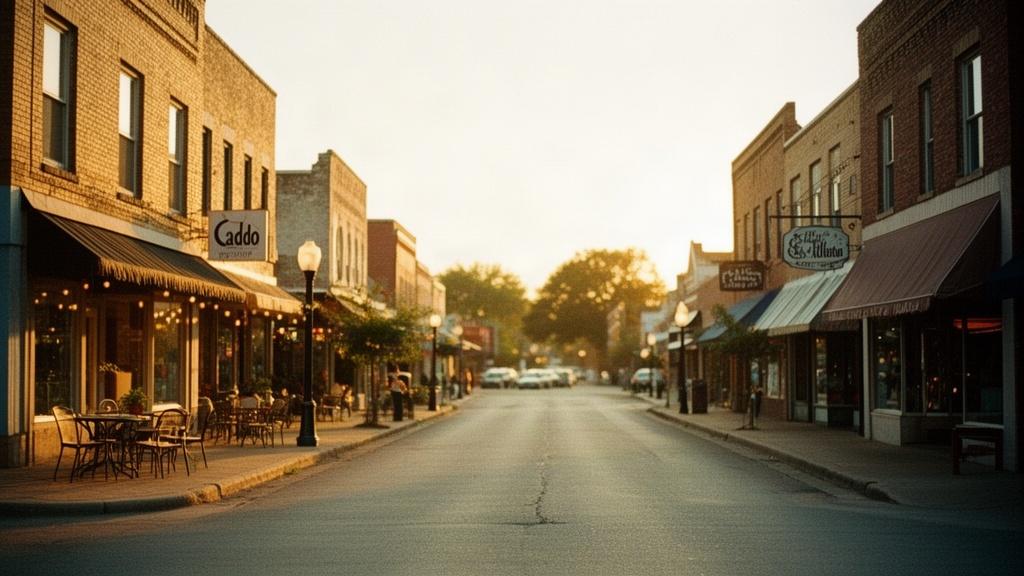
Medical facilities include St. John's Regional Medical Center on N. Bard Road, which is Oxnard's primary full-service hospital, along with multiple urgent care clinics and specialty medical offices throughout the city. Channel Islands Harbor hosts a concentrated strip of waterfront restaurants, a farmers market on Sundays, and boat rental operations. Heritage Square in downtown Oxnard preserves a collection of Victorian-era homes and hosts the city's annual festivals.
Market Conditions to Watch
Inventory in Oxnard has been running below historical norms through most of 2026, which keeps upward pressure on prices in the mid-range segments. Homes priced between $600,000 and $900,000 are moving fastest, often with multiple offers within the first two weeks of listing. Properties above $1.2 million are sitting longer, sometimes 45 to 75 days, giving buyers in that segment more negotiating room. If you want to understand whether September 2026 is the right moment to buy or whether waiting makes sense for your situation, the article on whether it is a good time to buy in Oxnard right now lays out the current data in detail.
FAQ
How much money do I need to relocate to Oxnard, California and buy a home?
At the current citywide median of approximately $750,000, a conventional loan with 10% down requires $75,000 for the down payment plus roughly $15,000 to $22,000 in closing costs, for a total of around $90,000 to $97,000 in cash to close. FHA loans allow as little as 3.5% down on homes up to the Ventura County conforming loan limit, which reduces the upfront cash requirement but adds mortgage insurance costs. You should also budget for moving expenses, which typically run $3,000 to $8,000 for a long-distance household move into Oxnard, plus any immediate repairs or updates to the home. First-time buyers may qualify for California down payment assistance programs that can reduce the cash needed at closing. Talking with a local lender who knows Ventura County loan products is the most direct way to get a number specific to your income and credit profile.
Is Oxnard a good place to rent first before buying?
Renting before buying in Oxnard is a practical strategy for people relocating from out of the area, because it gives you time to learn which neighborhoods match your daily routine before committing to a purchase. The trade-off is that rental inventory is tight in September 2026, so securing a lease can take four to six weeks of active searching. Month-to-month leases are difficult to find; most landlords require one-year terms, which means you need to time your rental expiration with your expected purchase closing. If you find a home you want to buy within the first few months of renting, most landlords in Oxnard will negotiate an early termination with sufficient notice, typically 30 to 60 days, though you may forfeit a portion of your deposit depending on the lease terms.
What is the best time of year to buy a home in Oxnard if I am relocating?
Oxnard's housing market follows a seasonal pattern similar to most of Southern California, with the highest inventory and most competition occurring between March and July. Buyers who relocate in the fall or winter months, roughly August through February, often find slightly less competition and more room to negotiate, particularly on homes that have been sitting on the market for more than 30 days. However, inventory is also lower in those months, which means fewer choices. September specifically tends to be a transitional month: summer buyers have closed, fall inventory is beginning to appear, and sellers who did not close in spring are often more motivated. If your relocation timeline is flexible, arriving in Oxnard in August or September gives you a reasonable window to search before the winter slowdown reduces options further.