← Back to Blog
Neighborhoods
What Is It Actually Like to Live in Pilsen Chicago Day to Day in 2026
By Dino Murati
Keller Williams Thrive
September 6, 2026 · 11 min read
Wondering what it is actually like to live in Pilsen Chicago day to day in 2026? This guide cuts past the travel-blog version and covers the real texture of the neighborhood: what you hear on the street in the morning, what groceries cost, how long the commute takes, what homes are selling for, and what long-time residents want newcomers to understand before they sign a lease or a purchase contract.
1. The Physical Neighborhood: Streets, Blocks, and Architecture
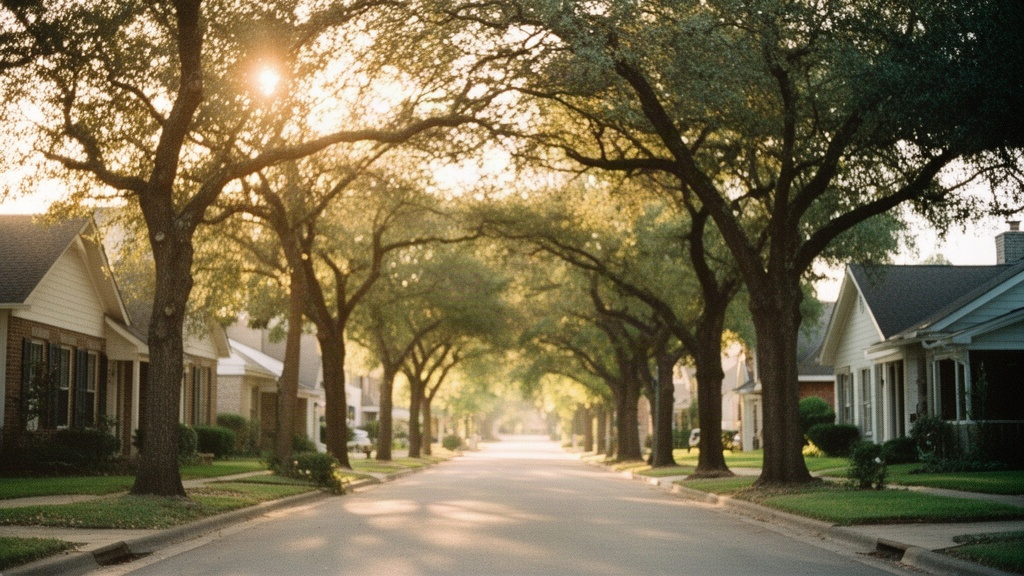
Pilsen sits on Chicago's Lower West Side, roughly bounded by the Chicago River to the north, Western Avenue to the west, the Burlington Northern Santa Fe rail yards to the south, and the Dan Ryan Expressway corridor to the east. It is a low-rise neighborhood. Walk down 18th Street on a Tuesday morning and what you see is two and three-story brick buildings at a human scale, not towers. The street width, the tree canopy on residential blocks, and the prevalence of front stoops all shape the daily experience in ways that matter once you actually live here.
The Street Grid and Scale
18th Street is the commercial spine. It runs east-west through the heart of the neighborhood and is where most of the restaurants, bakeries, galleries, and small shops are concentrated. Pilsen Avenue, Blue Island Avenue, and Halsted Street add secondary commercial activity. The residential blocks between these corridors are quieter, with alley-accessed two-flats and courtyard buildings that give the neighborhood a distinctly Chicago feel.
The neighborhood covers roughly 1.5 square miles, which means most daily destinations are within a 10 to 15 minute walk of each other once you are settled in. Residents who move here from denser North Side neighborhoods like Wicker Park or Logan Square often note that Pilsen feels less congested, with more street parking available on residential blocks and fewer weekend crowds on the main commercial strip compared to those areas.
Housing Stock and Architecture
Most of Pilsen's residential buildings date from the late 1800s through the 1920s, when the neighborhood housed Czech and Eastern European immigrants working in the nearby rail yards and factories. The dominant building type is the Chicago two-flat, a two-story brick building with one unit per floor, often with a full basement and a backyard. Three-flats and courtyard buildings are also common. Single-family homes exist but are less prevalent than in neighborhoods like Beverly or Jefferson Park.
Architectural details vary block by block. Some buildings have ornate terra cotta cornices and decorative brickwork; others are plain utilitarian workers' cottages. A number of former industrial buildings along the southern and eastern edges of the neighborhood have been converted to loft condominiums and artist studios, adding a distinct building type to the mix. For a detailed breakdown of what you can actually purchase here, this overview of Pilsen home types is worth reading before you start touring properties.
2. Day-to-Day Life in Pilsen Chicago in 2026
Living in Pilsen day to day in 2026 means starting your morning in a neighborhood that still operates on its own rhythm. The alarm goes off, you step outside, and within two blocks you can get a coffee and a pan dulce from a bakery that has been open since before most of the newer residents arrived. That is the texture of the place that no neighborhood guide fully captures.
Morning Routines and Coffee Culture
Pilsen has both long-standing Mexican bakeries and a growing number of specialty coffee shops that have opened over the past several years. Cafecito on 18th Street and Jumping Bean Cafe are neighborhood institutions. Newer spots like Simone's Bar, which doubles as a coffee destination in the mornings, reflect the neighborhood's evolving commercial mix. On weekday mornings, 18th Street is busy but not chaotic, with a mix of residents heading to the Pink Line and local workers opening their shops.
Groceries and Errands
Grocery options in Pilsen skew toward independent and ethnic markets rather than large chains. Carnicerias and produce markets along 18th Street and Halsted carry fresh goods at prices that are noticeably lower than what you would pay at a Whole Foods or Mariano's on the North Side. La Casa del Pueblo on Blue Island is a longtime neighborhood grocery. For larger stock-up runs, residents typically drive or take transit to a larger store in Bridgeport or the Near West Side, which adds about 15 to 20 minutes to the errand.
Pharmacies, hardware stores, and basic services are available within the neighborhood. A CVS operates near the 18th Street Pink Line station. For anything more specialized, residents tend to use the same transit or car trips they would make for groceries. This is a practical consideration worth factoring into your daily routine before you commit to buying here.
Evenings and Weekends
The National Museum of Mexican Art, located at 1852 W. 19th Street, is one of the most significant cultural institutions on the entire West Side of Chicago, and admission is free. On weekends, the museum draws visitors from across the city. The surrounding blocks come alive with foot traffic, and the restaurants along 18th Street fill up by early evening.
Pilsen's gallery scene is concentrated near the intersection of 18th Street and Halsted and extends into the Pilsen Arts District further south. Second Fridays bring gallery openings and street activity on a monthly basis. Harrison Park, a 20-acre Chicago Park District facility at 1824 S. Wood Street, provides baseball diamonds, a fieldhouse, a pool, and open green space within walking distance of most of the neighborhood's residential blocks.
3. Getting Around: Transit, Commute Times, and Walkability
Transit access is one of the most practical factors shaping what it is actually like to live in Pilsen Chicago day to day. The neighborhood is served by the CTA Pink Line, which runs elevated through the area with stations at 18th Street and Damen Avenue. The Pink Line connects directly to the Loop, making it the primary commute route for residents who work downtown.
The Pink Line and Bus Routes
The Pink Line runs every 8 to 12 minutes during peak hours. From the 18th Street station, you can reach the Loop in approximately 15 to 20 minutes. The line continues through Little Village, Cicero, and Berwyn, giving Pilsen residents a direct connection west as well. CTA bus routes 9 (Ashland), 18 (16th/18th), and 50 (Damen) supplement the rail service and cover the blocks that are further from the elevated stations.
Commute Times to Key Destinations
By transit, Pilsen residents can reach the Loop in 15 to 20 minutes, the Illinois Medical District in 10 to 15 minutes via bus on Damen or Ashland, and the University of Illinois at Chicago campus in about 15 minutes. By car, the Dan Ryan Expressway (I-90/94) is accessible at Halsted, putting O'Hare International Airport roughly 35 to 45 minutes away in off-peak traffic and Midway Airport about 20 minutes away. Driving to the Loop takes 10 to 15 minutes outside of rush hour.
Biking and Walking
Pilsen is one of the more bikeable neighborhoods on the South Side of Chicago. The 18th Street protected bike lane connects to the broader city network, and the flat terrain makes cycling practical year-round for those willing to ride in Chicago winters. Walk Score for most of the neighborhood's core blocks sits in the high 80s to low 90s, meaning most daily errands can be completed on foot. The neighborhood's compact scale reinforces this: the distance from the Pink Line at 18th and Damen to the National Museum of Mexican Art is about a 12-minute walk.
4. The Pilsen Housing Market in 2026: What Buyers and Sellers Need to Know
The Pilsen housing market in September 2026 reflects years of sustained demand from buyers priced out of more expensive North Side neighborhoods, combined with limited inventory in a neighborhood where most of the building stock is over 80 years old. Prices have moved significantly over the past decade, and the gap between Pilsen and neighborhoods like Logan Square or Wicker Park has narrowed considerably.
Current Price Ranges
As of September 2026, condominiums in Pilsen are generally priced between $280,000 and $450,000 depending on size, floor, and whether the unit is in a converted loft building or a traditional two-flat conversion. Two-flat buildings, which buyers often purchase to live in one unit and rent the other, are typically listed between $500,000 and $750,000. Single-family homes are less common but when they come to market they tend to fall in the $550,000 to $850,000 range depending on lot size, condition, and proximity to 18th Street. Fully gut-rehabbed properties at the top of each category can exceed these ranges.
For context, these prices are meaningfully lower than comparable properties in Lincoln Park or River North, and somewhat lower than Logan Square. If you want a side-by-side sense of how Pilsen compares to other Chicago markets, the average home price breakdown for Logan Square and the River North real estate market guide on this site give you the numbers you need to compare directly.
What the Money Gets You
A two-flat in the $550,000 to $650,000 range in Pilsen typically means a building with original brick construction, updated mechanicals in the better-maintained examples, two units of roughly 1,000 to 1,400 square feet each, a rear yard, and a two-car garage. Buyers who purchase a two-flat and rent the second unit can offset a meaningful portion of their mortgage, which is one reason this building type remains in high demand. Loft condominiums in converted industrial buildings often feature 12 to 14-foot ceilings, exposed brick, and open floor plans, typically in the 900 to 1,500 square foot range.
Property taxes are a real factor in any Cook County purchase. On a $500,000 home in Chicago, annual property taxes can run $8,000 to $12,000 or more depending on exemptions and the specific PIN. The detailed breakdown in the Cook County property tax guide on this site is worth reading before you calculate what you can afford.
Market Conditions Right Now
Inventory in Pilsen remains tight in September 2026. Well-priced two-flats and move-in-ready condos in the core of the neighborhood are receiving multiple offers within the first week of listing. Properties that need significant work or are priced above comparable sales are sitting longer, sometimes 30 to 60 days, giving buyers more room to negotiate on those specific listings. Sellers of updated, well-located properties are still in a strong position.
5. The Cultural Identity of Pilsen and the Ongoing Conversation About Change
Anyone seriously considering living in Pilsen Chicago day to day in 2026 needs to understand the neighborhood's cultural identity and the active, ongoing conversation about what development and rising prices mean for the people who built the community over the past 60 years. This is not background noise; it is part of the daily texture of the place.
Mexican American Cultural Anchors
Pilsen became a center of Mexican American life in Chicago beginning in the 1950s and 1960s, as families moved from the Near West Side. That history is visible everywhere: in the murals covering building walls throughout the neighborhood, in the storefronts along 18th Street, in the National Museum of Mexican Art, and in the community organizations that have operated here for decades. Dia de los Muertos celebrations in October draw thousands of people to the neighborhood. The Pilsen Food Pantry and community centers like Casa Aztlan have been fixtures for generations.
The Brooklyn Comparison Residents Push Back On
A travel guide published in August 2026 compared Pilsen to Brooklyn, and the response from residents was swift and largely negative. As Block Club Chicago reported, longtime residents pushed back on the framing, arguing it erases the neighborhood's specific Mexican American identity and history in favor of a generic gentrification narrative. The comparison matters for buyers because it signals how the neighborhood sees itself: not as a blank canvas or a transit stop on the way to somewhere else, but as a place with a specific, living culture that predates the current wave of interest.
Displacement is a real and documented concern in Pilsen. Long-term renters have faced pressure as rents have risen alongside property values. Community organizations actively advocate for affordable housing preservation. New buyers who engage with the neighborhood as it actually is, rather than as a development opportunity, tend to integrate more successfully and find the community more welcoming.
What This Means for Buyers
Buying in Pilsen is a decision to participate in a neighborhood that is actively negotiating its own future. That is not a reason to avoid it; it is a reason to go in with clear eyes. The physical neighborhood, the transit access, the housing stock, and the cultural life are all genuine and substantial. The price appreciation over the past decade has been real. But the community conversation about who belongs here and what the neighborhood should become is equally real, and it plays out in local politics, zoning decisions, and everyday interactions.
If you are relocating to Chicago from another city and trying to understand where Pilsen fits relative to your other options, the broader Chicago relocation guide on this site can help you frame the comparison across multiple neighborhoods before you narrow your search.
FAQ
Is Pilsen a good neighborhood to buy a home in Chicago right now?
Pilsen has a well-established housing market with a range of building types, strong transit access via the Pink Line, and a walkable commercial corridor along 18th Street. Home prices as of September 2026 are generally lower than comparable properties in Lincoln Park, Wicker Park, or Logan Square, which attracts buyers who want proximity to downtown without paying North Side prices. Whether it is the right fit depends on your priorities around commute, building type, budget, and how you want to engage with the neighborhood's cultural identity. A buyer's agent with specific Pilsen experience can walk you through current inventory and help you evaluate specific properties against recent comparable sales.
How long does it take to get from Pilsen to downtown Chicago?
The Pink Line from the 18th Street station reaches the Loop in approximately 15 to 20 minutes during normal operating conditions. The line runs every 8 to 12 minutes during peak commute hours, making it a reliable option for weekday commuters. By car, the drive to the Loop takes 10 to 15 minutes outside of rush hour, though the Dan Ryan corridor can add significant time during morning and evening peaks. Residents who work at the University of Illinois at Chicago or in the Illinois Medical District have an even shorter commute, roughly 10 to 15 minutes by bus or bike.
What schools serve Pilsen, and where can I find information about them?
Pilsen is served by Chicago Public Schools. The specific schools assigned to a given address depend on the precise location within the neighborhood, as attendance boundaries can vary block by block. For accurate, up-to-date school assignment information, the Chicago Public Schools website at cps.edu has an address-based school locator tool. For information about individual school performance data, the Illinois State Board of Education publishes school report cards at illinoisreportcard.com. These are the authoritative sources, and reviewing them directly will give you the most current and accurate picture for any specific address you are considering.