← Back to Blog
Market Trends
Logan Square, Chicago Real Estate Market Guide: Prices, Neighborhoods and Timing
By Dino Murati
Keller Williams Thrive
September 8, 2026 · 12 min read
Logan Square, Chicago is one of the city's most closely watched real estate markets, and for good reason: it offers a wide range of property types, a distinct architectural character, and price points that span from entry-level condos to multi-million-dollar greystones. This guide covers everything buyers, sellers, and relocating households need to know about Logan Square real estate right now, including current prices, what the sub-neighborhoods look like on the ground, and how to time a move in September 2026.
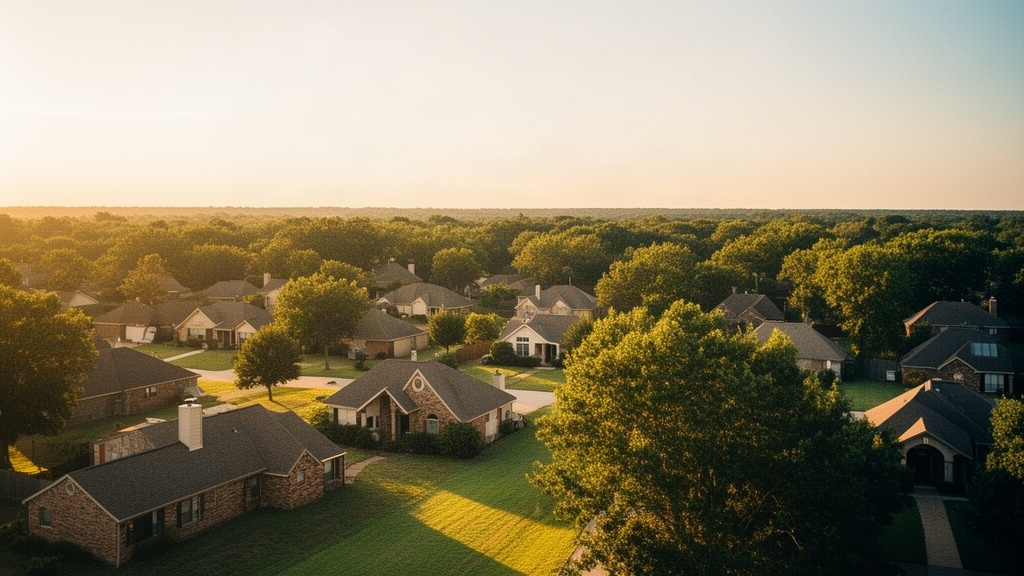
1. What Logan Square Actually Looks Like on the Ground
Logan Square is a Chicago neighborhood on the Northwest Side, roughly bounded by the Kennedy Expressway to the east, Diversey Parkway to the south, Kimball Avenue to the west, and Bloomingdale Avenue to the north. It sits about five miles from the Loop, and the Blue Line CTA train connects residents to downtown in roughly 25 to 30 minutes from the Logan Square station at Milwaukee and Kedzie.
The Physical Layout and Boundaries
The neighborhood centers on the Logan Square monument at the intersection of Milwaukee Avenue, Kedzie Boulevard, and Logan Boulevard. That intersection is the visual and commercial heart of the area, surrounded by restaurants, coffee shops, independent retailers, and the historic Illinois Centennial Monument. Milwaukee Avenue runs diagonally through the neighborhood and functions as the main commercial spine, with denser retail and transit-oriented activity concentrated around it.
The boulevard system, which includes Logan Boulevard, Kedzie Boulevard, and Palmer Boulevard, cuts through the neighborhood in a wide, tree-lined format with median parkways. These boulevards were designed in the late 19th century as part of the Chicago park system and remain one of the most physically distinctive features of the area. Palmer Square, a formal park at the center of Palmer Boulevard, anchors the western portion of the neighborhood.
Architecture and Housing Stock
Logan Square's housing stock is one of the most architecturally varied in Chicago. The boulevard-facing blocks feature large single-family greystones and two-flats built between roughly 1890 and 1920, many of them with limestone facades, wide front stoops, and original woodwork interiors. Away from the boulevards, the neighborhood transitions into a mix of brick two-flats, three-flats, courtyard apartment buildings, and vintage six-flats from the 1920s through 1940s.
Newer construction has added condos and townhomes throughout the neighborhood, particularly along the Bloomingdale Trail corridor and near the Western Blue Line station. Lot sizes on interior blocks typically run 25 by 125 feet, a standard Chicago lot, while boulevard-facing parcels can be significantly wider. This variety in building type means buyers at almost any budget can find something in Logan Square, though the entry price has risen considerably over the past several years.
2. Logan Square Real Estate Prices in September 2026
Logan Square currently sits at a median home price in the range of $530,000 to $560,000 for all property types combined, though that figure varies considerably depending on whether you are looking at a condo, a single-family home, or an income-producing multi-unit building. For a deeper look at the specific median figures broken down by month, the companion article on average home prices in Logan Square for September 2026 covers the granular numbers in detail.
Condos and Attached Units
Condos represent the most accessible entry point into Logan Square ownership. One-bedroom condos in vintage courtyard conversions typically list in the $280,000 to $360,000 range, depending on the building's condition, HOA fees, and proximity to the Blue Line. Two-bedroom condos in newer construction buildings along the Bloomingdale Trail or near the Milwaukee and Kedzie intersection tend to run $420,000 to $550,000. Units in the upper range often include parking, in-unit laundry, and roof decks.
HOA fees in Logan Square vary widely. Smaller vintage conversions with fewer shared amenities often charge $200 to $350 per month, while newer buildings with elevators, fitness rooms, and professional management can run $450 to $700 per month. Buyers should request at least 12 months of HOA meeting minutes and a reserve fund study before making an offer on any condo, because deferred maintenance in older buildings can translate into special assessments after closing.
Single-Family Homes and Greystones
Single-family detached homes are relatively rare in Logan Square, which makes them competitive when they hit the market. Smaller frame houses on interior blocks generally list in the $600,000 to $750,000 range. Greystones and larger brick homes on or near the boulevards frequently exceed $900,000, and fully renovated boulevard greystones with four or more bedrooms can approach or surpass $1.5 million.
Buyers interested in greystones should budget carefully for ongoing maintenance. Limestone facades require periodic tuckpointing, original windows are often single-pane, and heating systems in homes built before 1930 may still rely on radiators. A thorough inspection from a contractor familiar with Chicago's pre-war construction is worth the investment before committing to any of these properties.
Multi-Unit Buildings
Two-flats and three-flats in Logan Square attract both owner-occupants and investors. A two-flat in livable condition on an interior block typically lists between $700,000 and $950,000. Three-flats, depending on unit size and condition, generally run $900,000 to $1.3 million. Buyers who plan to live in one unit and rent the others should model their numbers carefully: gross rents for a two-flat might range from $3,200 to $4,500 per month total depending on unit size, but property taxes, insurance, and maintenance costs in Cook County can be substantial.
For a full breakdown of what property taxes look like on a mid-range Logan Square purchase, the article on property taxes on a $500,000 home in Cook County provides a detailed walkthrough of how the Cook County assessment and tax rate system works.
3. Logan Square's Sub-Neighborhoods: What Each Pocket Offers
Logan Square is not a monolithic neighborhood. Different blocks and corridors have distinct physical characters, price levels, and proximity to transit or green space. Understanding these pockets helps buyers narrow their search and helps sellers position their property accurately.
The Boulevard System and Palmer Square
The blocks directly on Logan Boulevard, Kedzie Boulevard, and Palmer Boulevard represent the highest-priced real estate in the neighborhood. These wide, tree-lined streets with landscaped medians contain some of Chicago's finest examples of late Victorian and Edwardian residential architecture. Palmer Square itself is a formal park with a perimeter of large homes and occasional multi-units. Properties here command a premium of 15 to 25 percent over comparable interior-block homes, largely because of the lot width, the architectural quality, and the landscaped setting.
Bucktown Border and Western Avenue Corridor
The southeastern corner of Logan Square, where it borders Bucktown near Western Avenue and Armitage, blends the character of both neighborhoods. This corridor has seen substantial new construction over the past decade, including townhome developments and mixed-use buildings with ground-floor retail. The Western Blue Line station anchors this pocket, making it one of the more transit-accessible parts of the neighborhood. Prices here tend to be slightly lower than the boulevard blocks but higher than the far western reaches near Kimball.
The Bloomingdale Trail, a 2.7-mile elevated park and trail built on a former rail line, runs along the southern edge of this corridor. Properties within a few blocks of the trail have benefited from the access to green space and the pedestrian infrastructure it brought to the area. New condo buildings near the trail's Logan Square access points have become a distinct micro-market within the neighborhood.
Belmont and Diversey Corridors
The southern portion of Logan Square along Belmont and Diversey avenues is denser and more commercially active than the interior boulevard blocks. Six-flats, courtyard buildings, and vintage condos dominate this area. Buyers in this corridor typically find lower price points than the boulevard or trail-adjacent blocks, with two-bedroom condos sometimes available in the $340,000 to $430,000 range. The tradeoff is less green space and heavier traffic on the main arterials, though bus service along both Belmont and Diversey is frequent.
4. Market Conditions and Timing: When to Buy or Sell in Logan Square
Logan Square's market in September 2026 is competitive but not frenzied. Inventory remains constrained relative to demand, particularly for single-family homes and well-maintained two-flats, but the pace of multiple-offer situations has moderated compared to the peak years of 2021 and 2022. Buyers have more time to conduct due diligence than they did during that period, though well-priced properties in desirable pockets still move quickly.
Inventory and Days on Market
Active listings in Logan Square have been running below historical norms throughout 2026. The mid-year 2025 snapshot from Chicago Citywide Group noted that Logan Square was seeing median days on market in the low-to-mid teens for move-in-ready properties, with overpriced or condition-challenged homes sitting considerably longer. That pattern has continued into September 2026. Buyers should expect to act within one to two weeks on anything priced accurately in the $400,000 to $700,000 range.
According to Logan Square real estate trend analysis from Chicago Citywide Group, the neighborhood has consistently shown stronger price retention than many other Chicago zip codes during periods of broader market softening, which reflects both the constrained supply of greystones and the sustained demand for the neighborhood's transit access and walkable commercial corridors.
How National Trends Filter Into Logan Square
National housing headlines do not always translate directly to a specific Chicago neighborhood. Logan Square's market is shaped more by local inventory constraints and Chicago-specific demand than by national averages. Understanding how to read national data in a local context is a skill that separates informed buyers from reactive ones. The article from HousingWire on how to read national housing trends in your local market is a useful primer on this distinction.
Mortgage rate movements do affect Logan Square buyers, particularly at the condo level where monthly payment sensitivity is highest. When rates rise, some buyers shift from purchasing to renting, which in turn supports rental demand and makes multi-unit buildings more attractive to investors. When rates fall, purchase demand increases and inventory tightens further. Tracking the Federal Reserve's rate posture alongside local inventory data gives buyers and sellers the clearest picture of what to expect.
Seller Timing Considerations
Spring remains the strongest season for Logan Square sellers, with March through June producing the highest volume of buyer activity and the most competitive offer environments. September, where the market sits right now, is a secondary peak: buyers who did not find a home over the summer are still active, school-year moves create urgency, and inventory typically tightens as fewer sellers list in fall. Sellers who price accurately and present their homes well in September often see strong results without the crowded spring competition.
Overpricing in any season is the single most common mistake Logan Square sellers make. Buyers in this neighborhood are well-informed and have access to the same sold data their agents use. A home that sits for more than 30 days in Logan Square draws scrutiny regardless of the reason for the delay, and price reductions after a stale listing almost always result in a lower final sale price than a correctly priced listing from day one.
Buyer Timing Considerations
Buyers who wait for the perfect market moment often miss good properties. In Logan Square, the gap between the best and worst time to buy is narrower than buyers assume, because the neighborhood's supply of greystones and vintage two-flats is genuinely finite. A buyer who waits six months for rates to drop by half a point may find that the property they wanted has sold and nothing comparable has come to market. The better strategy is to get pre-approved, understand your price range clearly, and be prepared to move when the right property appears.
If you are relocating to Chicago from another city, Logan Square is worth understanding alongside other neighborhoods before committing to a specific area. The guide on relocating to Chicago: neighborhoods, costs and timelines provides a broader comparison of what different parts of the city offer at different price points.
5. Costs, Taxes, and What to Budget Beyond the Purchase Price
The purchase price is only one part of the financial picture in Logan Square. Cook County property taxes, closing costs, and ongoing maintenance costs can add meaningfully to the total cost of ownership, and buyers who do not model these figures accurately sometimes find themselves stretched after closing.
Property Taxes in Cook County
Cook County property taxes on Logan Square homes are meaningful. On a $550,000 single-family home in the 60647 zip code, annual property taxes typically run between $8,500 and $11,500 depending on the specific PIN, exemptions applied, and the most recent triennial reassessment cycle. The Cook County Assessor's office reassesses properties on a three-year rotating schedule, and Logan Square falls in the City of Chicago reassessment class. Buyers should always check the current assessed value and tax bill for any specific property before making an offer, because the previous owner's exemptions do not automatically transfer.
Closing Costs for Buyers
Buyers in Chicago should budget approximately 2 to 3 percent of the purchase price in closing costs, separate from the down payment. On a $550,000 Logan Square purchase, that means roughly $11,000 to $16,500 in closing costs. These typically include lender origination fees, title insurance, attorney fees (Illinois is an attorney-state, so legal representation is standard), the Chicago and Cook County transfer taxes paid by the buyer on purchases over certain thresholds, and prepaid items like homeowner's insurance and property tax escrow. The full breakdown of what these line items look like is covered in the article on closing costs for home buyers in Chicago in 2026.
What Sellers Should Expect to Net
Sellers in Logan Square typically net 88 to 92 percent of the gross sale price after accounting for all transaction costs. The largest costs are the real estate commission, the Illinois and City of Chicago transfer taxes paid by the seller, attorney fees, and any credits negotiated during inspection. On a $700,000 sale, a seller might net approximately $620,000 to $645,000 depending on negotiated terms. Sellers who invest in pre-listing repairs and staging often recover more than the cost of those improvements through a higher final sale price and fewer inspection concessions.
If you are also considering how the closing timeline works from accepted offer to funded transaction, the article on how long it takes to close on a house in Chicago right now walks through the typical 30 to 45 day process step by step.
FAQ
Is Logan Square a good area to buy a home right now in September 2026?
Logan Square continues to show strong price retention and consistent buyer demand in September 2026, driven by its Blue Line transit access, walkable commercial corridors along Milwaukee Avenue, and a finite supply of greystones and vintage two-flats that cannot be replicated by new construction. Inventory remains below historical norms, which means well-priced properties move quickly. Whether the neighborhood is the right fit for any individual buyer depends on their budget, property type preference, and commute needs, all of which are worth discussing with a local agent who knows the specific blocks and price ranges well. Questions about school assignments, local services, and neighborhood character are best researched directly through the Chicago Public Schools website and the City of Chicago's public data portal, as these are personal decisions that vary by household.
What is the difference in price between a condo and a greystone in Logan Square?
The gap is substantial. One-bedroom condos in Logan Square start around $280,000 to $300,000 for vintage courtyard units in livable condition, while fully renovated greystones on the boulevard system can exceed $1.5 million. The median price for all property types combined sits in the $530,000 to $560,000 range in September 2026, but that figure blends a wide spectrum of building types. Two-bedroom condos in newer buildings typically land between $420,000 and $550,000, while single-family homes and greystones on interior blocks generally start at $600,000 and rise from there. Multi-unit buildings like two-flats and three-flats occupy a range of their own, from roughly $700,000 to $1.3 million depending on size, condition, and location within the neighborhood.
How does the Logan Square real estate market compare to other Chicago neighborhoods?
Logan Square sits at a price point above many Northwest Side neighborhoods but below the most expensive North Side markets like Lincoln Park and Lakeview. Its median price in September 2026 is broadly comparable to Wicker Park and Bucktown, its immediate neighbors to the south and east. The neighborhood's architectural character, particularly its boulevard system and concentration of greystones, gives it a physical distinctiveness that is difficult to find elsewhere in Chicago at similar price points. For buyers comparing Logan Square to other Chicago neighborhoods in detail, the Lakeview market guide and the River North market guide on this site provide direct comparisons of price levels, property types, and market conditions across different parts of the city.