← Back to Blog
Neighborhoods
Old City Philadelphia Real Estate Market Guide: Prices, Neighborhoods and Timing
By Dominique Ferguson
September 5, 2026 · 10 min read
Old City Philadelphia is one of the most historically layered and architecturally distinct real estate markets in the entire city, and navigating it requires more than a general sense of Philadelphia prices. This guide covers current market conditions, what properties actually look like and cost, how the neighborhood's different pockets behave, and when to make your move as a buyer or seller in September 2026.
1. What Makes Old City's Real Estate Market Distinct
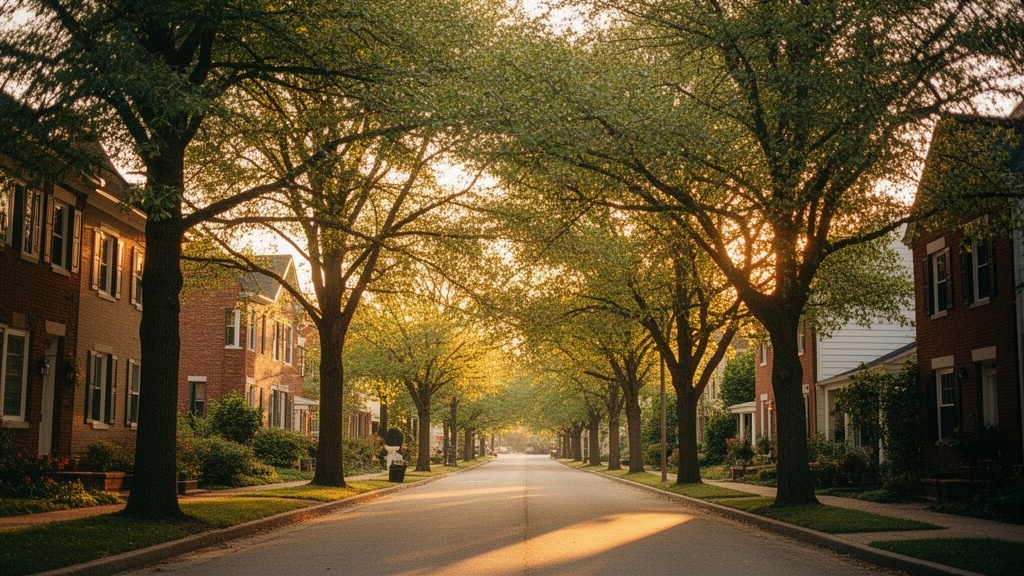
Old City is unlike any other Philadelphia neighborhood from a real estate standpoint. The roughly 20-block area bounded by the Delaware River to the east, Vine Street to the north, Sixth Street to the west, and Walnut Street to the south contains a concentration of 18th and 19th century industrial buildings, converted warehouses, and Federal-style rowhouses that you simply do not find elsewhere in the city at this density. That physical reality shapes everything about how the market works.
History Baked Into the Housing Stock
The dominant property type in Old City is the converted loft condo. Former textile factories, printing houses, and mercantile warehouses along streets like Church, Bread, and Bank have been redeveloped into residential units over the past four decades. These buildings typically feature exposed brick walls, heavy timber beams, concrete floors, and ceiling heights ranging from 10 to 16 feet. Floor plans are often open and irregular, which appeals to buyers who want character but can complicate financing because some units fall outside standard conforming loan guidelines.
Traditional rowhouses and Federal-style townhomes also exist in Old City, particularly on Elfreth's Alley (the oldest continuously inhabited residential street in the country, dating to 1702), and on the blocks immediately south of Market Street. These properties are narrow, typically 14 to 18 feet wide, and sit on lots that rarely exceed 900 square feet of ground coverage. Interior square footage generally runs from 1,200 to 2,200 square feet across three stories.
Who Is Actually Selling and Buying Here
Old City draws buyers who prioritize walkability, architectural character, and proximity to Center City employment. The neighborhood sits about a 10 to 15 minute walk from City Hall and roughly 20 minutes from 30th Street Station on foot. SEPTA's Market-Frankford Line runs along Market Street and provides direct access to 30th Street Station in under 10 minutes by rail. Sellers in Old City are often long-term condo owners who purchased during the neighborhood's conversion boom in the 1990s and early 2000s, meaning many listings carry significant equity and sellers have flexibility in negotiation.
2. Old City Philadelphia Home Prices in September 2026
Old City prices sit above the Philadelphia citywide median but below the peak luxury tier of Rittenhouse Square. As of September 2026, the median sale price for condos and lofts in Old City runs between $380,000 and $480,000 depending on building, floor, and finish level. Rowhouses and townhomes, which trade less frequently, are currently listing and selling in the $550,000 to $850,000 range. For broader Philadelphia context, you can review the current citywide average home price breakdown to see how Old City stacks up against other neighborhoods.
Condos and Lofts: The Core of the Market
Entry-level condos in Old City, typically studios and one-bedrooms under 700 square feet in older conversions without doormen or modern amenities, are trading in the $280,000 to $360,000 range in September 2026. Mid-tier one and two-bedroom loft units in well-maintained buildings with common roof decks or fitness rooms are landing between $390,000 and $520,000. The top of the condo market, meaning large two-bedroom or penthouse-level units in buildings like The Lofts at 1010 Arch or converted spaces with private outdoor terraces, is currently priced from $550,000 to $700,000.
HOA fees are a meaningful cost factor in Old City and vary considerably by building. Older conversions with minimal amenities might charge $250 to $400 per month, while buildings with doormen, rooftop pools, or concierge services can run $700 to $1,100 per month. Buyers should request at least 12 months of HOA meeting minutes and financials before going under contract, because deferred maintenance in older buildings can lead to special assessments. This is a detail that an experienced agent will flag early in the process.
Townhomes and Rowhouses: The Rarer Find
Attached rowhouses in Old City rarely hit the open market more than a handful of times per year. When they do, they tend to move quickly because the supply is genuinely constrained. A fully renovated three-bedroom townhome on a block like Letitia or Cuthbert Street is currently priced in the $650,000 to $800,000 range. Properties that retain original details such as wide-plank pine floors, original mantels, or period millwork typically carry a premium over comparable renovated homes that have been stripped of those features.
If you are comparing Old City townhome pricing to other walkable Center City neighborhoods, the Rittenhouse Square market guide offers a useful parallel. Rittenhouse townhomes run higher on average, but Old City offers more architectural variety at a slightly lower price point per square foot.
3. Old City's Micro-Neighborhoods and What They Mean for Buyers
Old City is not uniform from block to block, and price and character shift noticeably depending on exactly where a property sits. Understanding these internal distinctions is one of the most practical things a buyer can do before making offers in this market.
The Gallery Row Corridor and North Blocks
The blocks along and just north of Market Street between Second and Fifth Streets form Old City's cultural and commercial core. This corridor is home to dozens of art galleries, the Christ Church burial ground, and a dense concentration of restaurants and bars. Properties here, especially those on upper floors of converted commercial buildings, command premiums for walkability and views but also carry more ambient street noise on weekend evenings. Buyers who want to be at the center of Old City's activity will find the most inventory here.
The Waterfront Edge Along the Delaware
The blocks closest to the Delaware River, particularly along Front Street and Columbus Boulevard, have undergone significant physical change over the past decade. The Race Street Pier and Penn Treaty Park are accessible on foot, and the Delaware River Trail connects Old City to Fishtown to the north and Penn's Landing to the south. Condos with river or bridge views in this pocket carry a noticeable premium, sometimes 10 to 15 percent above comparable interior units in the same building. Parking is more available near the waterfront than in the interior blocks, which matters to buyers who own vehicles.
South Street to Chestnut: The Transition Zone
The southern edge of Old City, from Chestnut Street down toward Walnut, blends into the Society Hill neighborhood. Properties here tend to be more residential in character, with fewer ground-floor commercial uses and quieter streetscapes. Rowhouses on blocks like Spruce and Pine in this transitional zone often have small rear yards or courtyards, which is unusual for Old City proper. Buyers who want the address and walkability of Old City but prefer a quieter block should look carefully at this southern section.
4. Market Conditions and Timing in Old City Right Now
Old City is a supply-constrained market in September 2026, with active inventory running well below the levels that would give buyers meaningful leverage. The Philadelphia metro overall has been moving faster than the national pace, a trend documented by HousingWire's analysis of Philadelphia metro sale timelines. Old City, as a high-demand urban submarket, reflects that dynamic even more sharply.
Days on Market and Absorption Rate
Well-priced condos in Old City are going under contract in 10 to 21 days in September 2026. Properties that sit longer than 30 days are typically overpriced relative to their finish level or are carrying a building-specific issue such as pending litigation, low owner-occupancy ratios, or deferred capital improvements. Townhomes move faster when they appear, often going under contract within the first two weeks, because the buyer pool for that property type is deep and the supply is thin.
Seller Leverage and Negotiation Room
Sellers in Old City currently hold more leverage than buyers across most price points. Condos priced accurately are receiving offers at or above list price. The negotiation room that existed in 2023 and early 2024 has largely closed. Buyers should come to the table pre-approved, ideally with a lender letter that specifies the building address if the lender has already reviewed the HOA documents, because condo financing can be rejected at the building level even when the buyer qualifies individually.
For sellers, the current environment rewards accurate initial pricing over aspirational listing prices. Overpriced listings in Old City do not generate the same traffic as correctly priced ones, and a price reduction after 30 days signals weakness to buyers who track the market closely. The guide to selling a home in Philadelphia covers pricing strategy and timeline expectations in more detail.
The Best Windows to Buy or List
Old City follows Philadelphia's broader seasonal rhythm, but with some differences. Spring, from March through May, brings the highest volume of listings and the most competitive buyer activity. Fall, meaning September through mid-November, is the second most active window and is where the market sits right now. Buyers who missed spring listings will find a fresh set of properties coming to market in September and October 2026, and sellers who list in this window typically face motivated buyers who want to close before the holidays.
The slowest window in Old City is mid-November through January, when inventory drops and buyer activity thins out. Buyers who can operate in that window sometimes find sellers who are more motivated and more open to negotiation on price or terms. The trade-off is limited selection. If you are relocating and need to move on a fixed timeline, the fall window currently underway is a reasonable moment to act.
5. What Buyers and Sellers Need to Know Before Entering This Market
Old City's real estate market has specific due diligence requirements that differ from buying a rowhouse in Fishtown or a single-family in Chestnut Hill. Skipping any of these steps can create problems that surface after closing.
Due Diligence Specific to Old City Properties
Condo buyers in Old City should review the building's reserve fund balance before making an offer. Many of the older converted buildings were constructed in the 1980s and 1990s and are now approaching the age where major systems, including roofs, elevators, and HVAC, need replacement. A reserve study from within the past three years is a reasonable request. If the building has not conducted one recently, that is worth noting.
Historic designation is another factor that affects Old City properties more than almost any other Philadelphia neighborhood. Properties within the Old City Historic District are subject to Philadelphia Historical Commission review for exterior alterations. This affects window replacements, facade changes, rooftop additions, and signage. Buyers planning renovations should understand these constraints before purchasing. The Philadelphia Historical Commission's website publishes the district boundaries and review guidelines.
For buyers financing a condo purchase, lender approval of the building itself is a separate step from personal mortgage qualification. Fannie Mae and Freddie Mac both have guidelines around owner-occupancy ratios, delinquency rates, and pending litigation in condo associations. Some Old City buildings do not meet these guidelines, which limits buyers to portfolio lenders or cash purchases. Your agent should know which buildings have financing restrictions before you fall in love with a unit.
Working With an Agent Who Knows This Inventory
Old City's market is narrow enough that agent relationships and local knowledge matter more than in larger, more liquid submarkets. An agent who knows which buildings have pending assessments, which listings are about to come to market before they hit Zillow, and which sellers have flexibility on closing timeline can give buyers and sellers a meaningful edge. If you are newer to the Philadelphia market overall, the first-time buyer guide for Philadelphia is a useful starting point before focusing specifically on Old City.
Sellers in Old City benefit from agents who can accurately position the property's architectural character to the right buyer pool. A loft with exposed brick and 14-foot ceilings is not marketed the same way as a renovated townhome with a rear garden. Presentation, photography, and pricing strategy need to reflect what makes each specific property distinctive within the neighborhood, not just what makes it a Philadelphia condo.
FAQ
What is the average price of a condo in Old City Philadelphia in 2026?
As of September 2026, the median sale price for condos and lofts in Old City Philadelphia falls between $380,000 and $480,000, depending on building quality, floor level, and finish. Entry-level studios and one-bedrooms in older conversions without significant amenities start closer to $280,000, while large two-bedroom loft units or penthouse-level condos in well-maintained buildings can reach $550,000 to $700,000. HOA fees add a meaningful monthly cost and range from roughly $250 to over $1,000 per month depending on the building's amenities and age. Buyers should factor both the purchase price and the monthly HOA obligation into their total housing budget.
How long does it take to buy a condo in Old City Philadelphia from offer to closing?
In Old City, the timeline from accepted offer to closing typically runs 30 to 45 days for buyers using conventional financing, and can be shorter for cash buyers. One factor that can extend the timeline is lender review of the condo association's financials and documents, which is a required step for Fannie Mae and Freddie Mac conforming loans. If the building does not meet agency guidelines, buyers may need to switch to a portfolio lender, which can add one to two weeks. The broader Philadelphia buying process from offer to closing is covered in detail in the site's process and timeline guide, which walks through each step.
Is Old City Philadelphia a good area to invest in real estate?
Old City has a long track record of stable demand driven by its walkability, historic architecture, and proximity to Center City employment and transit. The limited supply of buildings that can be converted or developed keeps inventory constrained, which has historically supported prices over time. That said, investors in Old City condos should carefully evaluate HOA financial health, building age, and rental restrictions within each association before purchasing, since some buildings cap the percentage of units that can be rented at any given time. Any investment decision should be made in consultation with a licensed real estate professional and a financial advisor who can review the specific property and your investment goals.