← Back to Blog
Local Living
How Long Does It Take to Commute from Bound Brook NJ to New York City by Train
By Donna Haigh
Keller Williams Towne Square
September 10, 2026 · 10 min read
If you are wondering how long it takes to commute from Bound Brook NJ to New York City by train, the short answer is roughly 55 to 75 minutes on NJ Transit's Raritan Valley Line, depending on the service you catch. This guide breaks down the full picture: exact travel times, station details, ticket costs, parking, and what the commute actually looks like day to day so you can decide whether Bound Brook fits your life.
1. The Bound Brook Train Station and the Raritan Valley Line
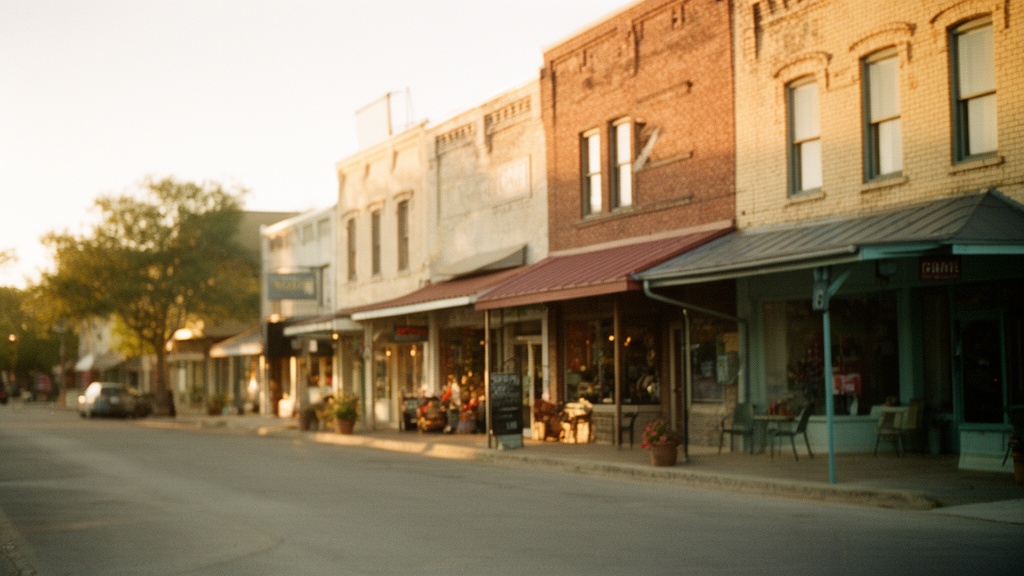
Bound Brook has its own NJ Transit station. The station sits on East Main Street, right in the heart of the borough, within easy walking distance of the downtown shops, the Green Brook waterfront area, and many of the residential streets that buyers are actively exploring in September 2026. You do not need a car to reach the platform from a large portion of Bound Brook's housing stock.
Where the Station Sits in Town
The Bound Brook station is served by the Raritan Valley Line, one of NJ Transit's busiest commuter rail corridors. The line runs roughly east to west across Somerset and Union counties, connecting small boroughs like Bound Brook, Dunellen, Plainfield, and Westfield before heading toward Newark Penn Station and, for many riders, Penn Station Manhattan. The station has a small surface parking lot, a covered waiting area, and ticket machines on the platform.
Bound Brook's downtown sits roughly 35 miles southwest of Midtown Manhattan. That distance is what shapes the commute math, and understanding it helps you set realistic expectations before you start touring homes.
Which Trains Stop at Bound Brook
Not every Raritan Valley Line train makes a local stop at Bound Brook. Some express runs skip the station entirely. When you are reviewing the NJ Transit schedule, look specifically for trains marked as stopping at Bound Brook rather than assuming all eastbound trains will serve you. During the peak morning window, roughly 5:30 a.m. to 8:30 a.m., there are typically several trains per hour moving eastbound toward Newark and New York, but the exact count varies by day and season, so pulling the live schedule from the NJ Transit app before you commit to a routine is worth doing.
2. How Long Does the Commute from Bound Brook NJ to New York City by Train Actually Take
The train ride from Bound Brook to New York Penn Station takes approximately 55 to 75 minutes, depending on the specific service. That range exists because the Raritan Valley Line currently operates a mix of direct through-running trains and trains that require a transfer at Newark Penn Station. The through-running trains, which have been expanding in frequency over recent years, deliver riders directly to Penn Station Manhattan without leaving the car. Transfer trains add 10 to 20 minutes depending on the connection wait.
Direct vs. Transfer Service
On a direct through-running train, the ride from Bound Brook station to New York Penn Station runs close to 55 to 65 minutes. These trains travel the Raritan Valley Line into Newark, then continue on the Northeast Corridor tracks into Manhattan without requiring passengers to switch trains. If you catch one of these, you board in Bound Brook and step off at 34th Street.
On a transfer service, the train from Bound Brook reaches Newark Penn Station in roughly 40 to 50 minutes. From there, you transfer to a Northeast Corridor or NEC train into Manhattan, which adds another 20 to 30 minutes including platform wait time. Total elapsed time on a transfer trip typically lands between 65 and 80 minutes. The transfer at Newark is straightforward because both platforms sit inside the same station building, but it does add a variable that can stretch on days when connections are tight.
Peak vs. Off-Peak Schedules
Peak service runs on weekday mornings heading eastbound and weekday evenings heading westbound. Off-peak trains run at wider intervals, sometimes 60 to 90 minutes apart on the Raritan Valley Line, so missing a train during midday hours means a longer wait than you might expect. If your work schedule is flexible or you work a hybrid arrangement, this is worth factoring into your planning. A commuter who goes into the city three days a week has a very different experience than one who needs to catch a 6:15 a.m. train every morning.
Total Door-to-Door Time
The train ride is only part of the equation. Add the walk or drive from your home to the Bound Brook station, time on the platform, and then the walk from Penn Station to your office in Manhattan. For someone living within a 10-minute walk of the Bound Brook station and working within a 10-minute walk of Penn Station, the full door-to-door commute can come in under 80 minutes. For someone parking at the station and then taking the subway from Penn Station to Midtown East or Lower Manhattan, 90 minutes each way is a more realistic estimate.
For context on how Bound Brook compares to other NJ commuter towns along the Raritan Valley corridor, this overview of commuter towns and NJ Transit train access provides useful background on the broader corridor.
3. What the Commute Costs in 2026
Knowing the travel time is only half the picture. Understanding what the commute costs monthly helps you budget accurately when you are comparing Bound Brook home prices against what you would pay to live closer to the city. The math often surprises buyers who have not done it before.
Monthly Pass and Per-Trip Fares
NJ Transit fares are zone-based. Bound Brook falls in Zone 5 on the Raritan Valley Line. As of September 2026, a monthly rail pass from Zone 5 to New York Penn Station runs approximately $300 to $330 per month. A single peak one-way ticket from Bound Brook to New York costs roughly $15 to $17. Off-peak single fares are lower, typically around $11 to $13, which matters if you are commuting two or three days a week rather than five.
Many employers in New York offer pre-tax transit benefits through programs like the federal commuter benefit, which lets you set aside up to $315 per month in pre-tax dollars for transit costs as of 2026. If your employer participates, your effective monthly cost drops meaningfully. It is worth confirming this with your HR department before you finalize a housing budget.
Parking at Bound Brook Station
The Bound Brook station has a surface parking lot managed by NJ Transit. Monthly permit parking is available and costs considerably less than parking in a Manhattan garage, which can run $400 to $600 per month on its own. Daily parking fees at Bound Brook station are also available for occasional commuters. Permit availability can be limited, so if driving to the station is part of your plan, apply for a permit early rather than assuming you will find a spot on day one.
A number of Bound Brook streets near the station also see commuter street parking during weekday mornings. Borough parking rules apply, so check current signage before relying on street spots as your daily plan.
4. How Bound Brook's Train Access Affects Home Values
Transit access is one of the most consistent drivers of residential property values in the New York metro area. The National Association of Realtors has documented this relationship extensively, noting that homes near public transportation tend to hold value more reliably and attract a broader pool of buyers than comparable homes without transit access. For Bound Brook, having a station directly in the borough is a concrete asset that shows up in buyer demand.
You can read more about the documented relationship between transit proximity and real estate value in this NAR publication on locating near public transportation, which outlines the research behind why buyers consistently pay a premium to live within walking distance of a rail station.
Transit Proximity and Buying Power
For buyers relocating from Manhattan or Brooklyn, Bound Brook offers a meaningful shift in what their budget can buy. A budget that gets you a one-bedroom apartment in a walkable Manhattan neighborhood can purchase a three-bedroom colonial or cape cod in Bound Brook with a yard, a driveway, and a garage. The commute adds time, but the trade-off in living space and monthly costs is significant for many households.
Somerset County's overall property tax structure also factors into the cost comparison. Bound Brook sits within Somerset County, and while property taxes in New Jersey are notable, the combination of Bound Brook's home prices and its direct rail access to New York creates a value equation that buyers are actively responding to in September 2026.
What Buyers Are Finding in Bound Brook Right Now
Bound Brook's housing stock is a mix of early-to-mid twentieth century capes, colonials, and ranches, with some Victorian-era homes on the older streets closer to downtown. Lot sizes are typically modest, running from about 5,000 to 8,000 square feet on most residential blocks, with larger parcels on the outer edges of the borough. The walkability from many streets to both the train station and the East Main Street commercial corridor is a feature that buyers consistently mention.
If you are actively searching for homes and want to understand what is currently available, the Bound Brook buyer guide on this site walks through the current inventory and what to expect in the buying process.
5. Practical Tips for Bound Brook Commuters
Knowing the commute time is useful; knowing how to make it work smoothly is what actually matters once you move in. These are the details that experienced Bound Brook commuters figure out in the first few weeks, and knowing them in advance saves a lot of frustration.
Timing Your Ride
The most reliable morning trains from Bound Brook heading toward New York depart between 6:00 a.m. and 8:00 a.m. Trains in the 7:00 to 8:00 a.m. window tend to be the most crowded. If your work schedule allows you to catch a 6:15 or 6:30 a.m. departure, you will typically find more seating and slightly more predictable travel times. Evening returns heading westbound from Penn Station are busiest between 5:00 and 7:00 p.m., and those trains can run a few minutes behind during high-volume periods.
The Raritan Valley Line does experience service disruptions periodically, particularly during severe weather, track maintenance windows, and equipment issues. Building a 10-minute buffer into your departure time from home is a practical habit that most experienced commuters develop quickly.
Apps and Tools Worth Using
The NJ Transit app is the essential tool for Bound Brook commuters. It shows real-time train status, platform assignments, and delay alerts, and it lets you buy mobile tickets directly, which means you do not need to use the ticket machines on the platform. The app also stores your monthly pass digitally. Google Maps and Transit App both pull NJ Transit data and are useful for planning multi-modal trips, such as combining the train with a subway ride from Penn Station to your final destination in Manhattan.
Alternatives When the Train Doesn't Work
On days when the train is not running or you need more flexibility, driving from Bound Brook to Manhattan takes approximately 50 to 70 minutes under light traffic conditions, but that estimate can stretch to 90 minutes or more during peak commute hours on Route 287 and the Garden State Parkway or New Jersey Turnpike approaches. Parking in Manhattan adds significant cost. Most Bound Brook commuters treat the car as a backup rather than a primary option for the New York run.
Rideshare services from Bound Brook to Newark Airport or to nearby transit hubs like the Bridgewater Train Station are also options worth knowing about. The Bridgewater station, a few miles west on the Raritan Valley Line, sometimes has better parking availability if the Bound Brook lot is full.
For buyers weighing hybrid work schedules, the commute from Bound Brook to New York two or three days a week is a very different calculation than five days. Many people relocating to Bound Brook in 2026 are doing exactly that, and the math on a two-day-a-week commute makes the distance feel considerably more manageable.
FAQ
How long does it take to commute from Bound Brook NJ to New York City by train on a typical weekday morning?
On a direct through-running train, the ride from Bound Brook station to New York Penn Station takes approximately 55 to 65 minutes. If your train requires a transfer at Newark Penn Station, add another 15 to 20 minutes for the connection, bringing total train time to roughly 70 to 80 minutes. Including the walk or drive from your home to the Bound Brook station and the walk from Penn Station to your Manhattan destination, most commuters budget 75 to 95 minutes door to door. Catching an earlier train in the 6:00 to 6:30 a.m. window generally means less crowding and more consistent timing than the 7:30 to 8:30 a.m. peak.
Do I need to transfer trains when commuting from Bound Brook to Manhattan?
It depends on which train you catch. The Raritan Valley Line offers a mix of direct through-running trains that go straight into New York Penn Station without a transfer, and local trains that terminate at Newark Penn Station and require you to board a separate Northeast Corridor or NEC train into Manhattan. The NJ Transit schedule clearly marks which trains are through-running. As of September 2026, the number of through-running trains has been growing, but not every departure from Bound Brook is a direct run, so checking the schedule before you plan your morning is important. The NJ Transit app shows this information in real time.
Is the Bound Brook train station walkable from most neighborhoods in the borough?
For a significant portion of Bound Brook's residential streets, yes. The station sits on East Main Street near the center of the borough, and many of the cape cods, colonials, and ranches that make up the bulk of the housing stock are within a 10 to 15 minute walk of the platform. Streets closer to the Green Brook waterfront area and the downtown commercial corridor are particularly close. Buyers who prioritize walkability to the station should focus their search on blocks north and south of East Main Street within about a half-mile radius of the station. Donna Haigh can help you identify which specific streets fall within comfortable walking distance when you are ready to narrow your search.