← Back to Blog
Market Trends
Slocomb, Alabama Has the Most Experienced Real Estate Market Guide: Prices, Neighborhoods and Timing
By Easton Dean
United Country-Fulford Realty
October 3, 2026 · 10 min read
Slocomb, Alabama has the most experienced real estate market guide you will find for buyers, sellers, and anyone relocating to this Geneva County community. Whether you are tracking current prices, comparing neighborhoods, or trying to time your move right, this guide gives you the specific local data and context you need to make a confident decision in September 2026.
1. What the Slocomb, Alabama Housing Market Looks Like Right Now
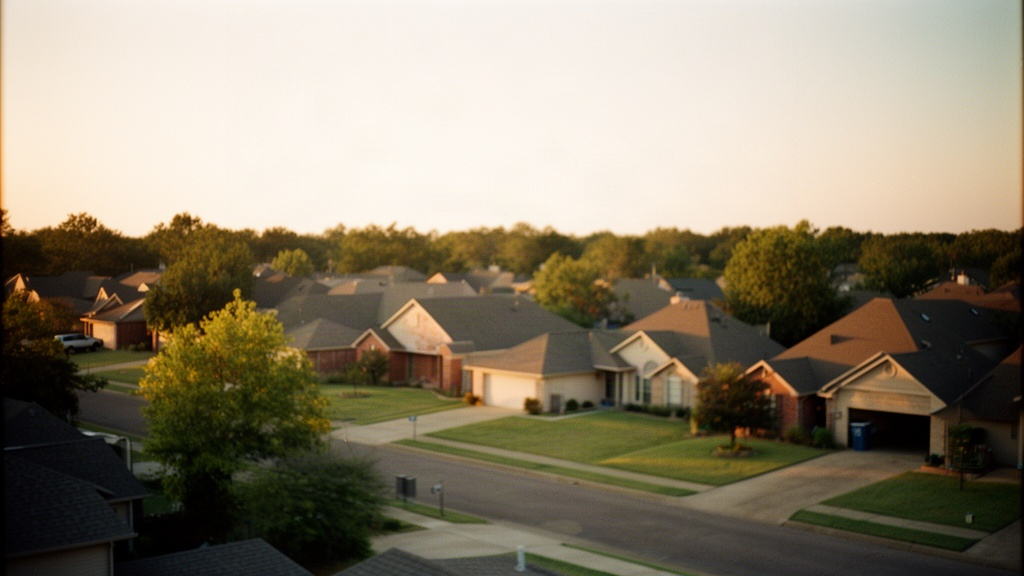
Slocomb is a small but active market. As of September 2026, median home prices in Slocomb, Alabama sit in the range of $155,000 to $195,000 for a typical three-bedroom, two-bathroom single-family home in move-in condition. Entry-level properties, including smaller cottages and older ranch-style homes needing updates, can be found below $120,000. Larger updated homes on generous lots or with acreage push closer to $230,000 to $260,000.
Current Price Ranges
Price per square foot in Slocomb generally falls between $85 and $115, depending on condition and location within Geneva County. Homes with recent roof replacements, updated HVAC systems, and renovated kitchens command the top of that range. Properties that have sat without significant updates since the early 2000s typically price closer to $80 to $90 per square foot, leaving room for buyers who want to build equity through improvements.
Slocomb's affordability stands out even within Alabama. Statewide, the divide between affordable smaller markets and higher-priced metro areas has widened noticeably. According to HousingWire's reporting on Alabama's affordability divide, affordable homes in smaller Alabama communities are selling faster than comparable properties in larger cities, as buyers priced out of Dothan and other metros look further afield. Slocomb sits in exactly that position.
Inventory and Days on Market
Inventory in Slocomb remains tight by historical standards. At any given time in September 2026, active listings in the immediate Slocomb area number somewhere between 15 and 30 single-family homes, with a handful of vacant lots and commercial properties mixed in. That limited supply means well-priced homes in good condition typically go under contract within 20 to 35 days. Overpriced listings or homes with deferred maintenance can sit for 60 to 90 days or longer before sellers adjust.
New construction is not filling the gap. Builders have concentrated activity in larger Geneva County towns and closer to the Dothan metro, leaving Slocomb's resale market as the primary option for most buyers. This dynamic keeps competition real, even in a market this size.
2. Slocomb Neighborhoods and Housing Stock: What to Expect Where
Slocomb's housing stock reflects its history as an agricultural and small-business community in Geneva County. The city sits along U.S. Highway 431 and State Route 84, which shapes how the town is organized and how different pockets of it feel. Understanding those pockets matters when you are comparing properties in Slocomb's experienced real estate market.
Downtown and Historic Core
The blocks closest to Slocomb's downtown center feature older homes built primarily between the 1940s and 1970s. You will find a mix of Craftsman bungalows, brick ranch homes, and wood-frame cottages on lots ranging from roughly 0.15 to 0.35 acres. Many of these homes have been updated over the decades, with some retaining original hardwood floors and architectural details that newer construction does not offer. Prices in this zone tend to run slightly below the city median when a home needs work, and at or just above median when it has been well maintained.
Walkability within Slocomb's core is a practical feature here. Residents can reach Slocomb's local shops, the post office, and community gathering points without getting in a car. The Slocomb Tomato Festival, held annually in the summer, draws attention to the city's agricultural identity and uses the downtown area as its base, which speaks to how connected the physical town center still is to daily life.
Surrounding Residential Streets and Rural Edges
Moving outward from the core, Slocomb's residential streets shift toward larger lots and newer construction from the 1980s through early 2000s. Brick ranch homes on half-acre to one-acre lots are common in this zone, with three-bedroom and four-bedroom floor plans that work well for a range of household sizes. These properties often include detached garages or carports, mature shade trees, and enough yard space for gardens or outbuildings.
At the rural edges of Slocomb's city limits and just beyond, the character shifts again. Properties here often include two to ten acres, with some reaching further into agricultural land. Buyers looking for a home with a small pasture, a pond, or room for livestock will find options in this corridor. Prices per square foot can be lower here, but the total purchase price rises with acreage. Geneva County's rural land values have held steady through 2026, supported by demand from people relocating from larger Alabama cities.
Geneva County Corridor Properties
Slocomb connects to the broader Geneva County market through its highway corridors. Properties along U.S. 431 heading toward Dothan, roughly 30 miles to the northeast, attract buyers who want small-town living with a manageable commute to one of Alabama's larger employment centers. That drive runs approximately 35 to 40 minutes under normal conditions, making Slocomb a realistic base for workers in Dothan's healthcare, retail, and manufacturing sectors.
For a broader look at what is available across these different property types, the Homes for Sale in Slocomb, Alabama Guide on this site covers current listings and what to look for in each category.
3. Timing the Slocomb Market: When to Buy or Sell
Timing matters in any real estate market, and Slocomb follows recognizable seasonal rhythms while also responding to broader Alabama trends. Understanding both layers gives buyers and sellers a real advantage when planning their move.
Seasonal Patterns in Slocomb
Spring is the most active period for listings and buyer activity in Slocomb, running from roughly March through May. Sellers who list in this window benefit from the highest pool of active buyers, which supports stronger offers and shorter time on market. Summer activity stays reasonable through July before slowing in August as the Alabama heat and the back-to-school period pull attention away from home searches.
Fall, including September and October, is often an underappreciated window for buyers. Sellers who did not get a contract during the spring and summer are more motivated by this point in the year. Inventory that has been sitting since spring may see price reductions, and new listings from sellers who want to close before year-end create fresh opportunities. Right now, in September 2026, buyers who move quickly can find motivated sellers and face less competition than they would have encountered in April or May.
Winter listings in Slocomb are sparse. December and January see the fewest new listings and the slowest pace of closings. Buyers active in winter face limited choices but sometimes negotiate favorable terms with sellers who need to move regardless of season.
How Alabama Statewide Trends Affect Slocomb
Mortgage rates set the pace for affordability at every price point, including Slocomb's. In 2026, rates have moderated somewhat from the peaks of 2023 and 2024, but they remain elevated compared to the historic lows of 2020 and 2021. At Slocomb's median price range, a one-percentage-point change in rate translates to roughly $80 to $110 per month on a 30-year loan, which is meaningful at this price tier.
Alabama has also seen constrained new construction in smaller markets. As detailed in HousingWire's coverage of new construction shortfalls in Alabama migration hotspots, the lack of builder activity in smaller communities puts upward pressure on resale prices and keeps inventory lean. For Slocomb, this means existing homes hold their value well, and sellers have not had to compete with a wave of new builds the way they might in larger metro suburbs.
4. What Drives Property Values in Slocomb
Several local factors shape what a specific property is worth in Slocomb, and knowing them helps both buyers assess value and sellers price correctly. The experienced real estate market in Slocomb, Alabama rewards buyers and sellers who understand these drivers before negotiating.
Location and Lot Size
Within Slocomb, proximity to the downtown core and Highway 431 adds convenience value. Properties on quiet residential streets away from commercial traffic tend to command a small premium over comparable homes on busier corridors. Lot size matters considerably: a three-bedroom home on a one-acre lot will price higher than the same floor plan on a standard city lot, all else being equal, because larger lots are genuinely scarce within the city limits.
Condition, Age, and Updates
Condition is the single biggest variable in Slocomb's price spread. Two homes with identical square footage on the same street can differ by $40,000 or more based on the state of the roof, HVAC, plumbing, and kitchen. Buyers should budget for a thorough inspection and factor in deferred maintenance when comparing asking prices. Sellers who invest in key updates before listing, particularly roof, HVAC, and cosmetic finishes, consistently recover those costs and then some.
Homes built after 1990 generally sell faster in Slocomb than older homes in similar condition. Buyers using FHA or USDA financing, which are common loan types at Slocomb's price points, face property condition requirements that can make heavily distressed older homes harder to finance without seller concessions or repairs.
Proximity to Dothan and Regional Employment
The Dothan commute corridor is a real value driver for Slocomb properties. Dothan, located approximately 30 miles northeast of Slocomb via U.S. 431, is the regional hub for healthcare, retail, manufacturing, and government employment in the Wiregrass region. Buyers who work in Dothan and want to spend significantly less on housing than Dothan's own market demands find Slocomb a practical option. This commuter demand puts a floor under Slocomb prices that would not exist if the city were more isolated.
Enterprise, Alabama is also within reasonable reach, sitting roughly 40 miles west of Slocomb. Fort Novosel, formerly Fort Rucker, anchors significant employment in that direction. Buyers connected to the military or defense contracting sector sometimes choose Slocomb as a midpoint between these two employment centers.
5. Practical Steps for Buyers and Sellers in Slocomb Right Now
Knowing the market is only useful if it leads to action. Here is what buyers and sellers should focus on in Slocomb's market as of September 2026.
For Buyers
Get pre-approved before you look at homes, not after. In a market where well-priced homes move in under 30 days, showing up without a pre-approval letter puts you at a serious disadvantage. USDA Rural Development loans are worth exploring for Slocomb buyers who meet income limits, since the city and much of Geneva County qualifies for this zero-down-payment program. FHA loans with 3.5 percent down are another common path at this price tier.
Budget for the full cost of ownership, not just the purchase price. Closing costs in Alabama typically run 2 to 4 percent of the purchase price. On a $175,000 home, that is $3,500 to $7,000 out of pocket at closing in addition to your down payment. Property taxes in Geneva County are among the lower rates in Alabama, which helps with ongoing monthly costs after closing. For a detailed breakdown of what to expect through the full process, the article on Buying a Home in Slocomb, Alabama: Process, Costs and Timeline covers every step.
For Sellers
Pricing correctly from day one is the most important decision a Slocomb seller makes. Slocomb buyers and their agents are tracking comparable sales carefully, and an overpriced listing signals quickly to the market. Homes that sit for more than 45 days without a contract often require price reductions that end up netting the seller less than a correct initial price would have. A comparative market analysis from a local agent, not an automated online estimate, is the right tool for setting your list price.
Presentation matters even in a smaller market. Professional photography, a clean and decluttered interior, and basic curb appeal work, like fresh mulch and a power-washed driveway, consistently shorten time on market in Slocomb. Buyers browsing listings online form their first impression from photos, and that first impression determines whether they schedule a showing at all. For a full seller's roadmap, the Selling a Home in Slocomb, Alabama: Pricing, Timeline and What to Expect guide walks through the entire process.
Sellers listing in September 2026 are in a reasonable position. Fall buyers tend to be serious, often motivated by job relocations, lease expirations, or life changes that create genuine urgency. That is a different buyer profile than the casual spring browser, and it often leads to cleaner, faster transactions.
FAQ
What is the median home price in Slocomb, Alabama in 2026?
As of September 2026, the median price for a single-family home in Slocomb, Alabama falls roughly between $155,000 and $195,000 for a move-in-ready three-bedroom, two-bathroom home. Entry-level properties can be found below $120,000, while updated homes on larger lots or with acreage can reach $230,000 to $260,000. Price per square foot generally ranges from $85 to $115 depending on condition and location within the city. These figures make Slocomb one of the more affordable housing markets in the Wiregrass region of Alabama. Working with a local agent like Easton Dean gives you access to the most current comparable sales data before you make an offer or set a list price.
Is Slocomb, Alabama a good place to buy a home if I work in Dothan?
Slocomb sits approximately 30 miles southwest of Dothan via U.S. Highway 431, a drive that typically takes 35 to 40 minutes under normal conditions. Many Slocomb residents commute to Dothan for work in healthcare, retail, manufacturing, and government sectors. Buyers who want significantly lower home prices than Dothan's market currently offers often find Slocomb a practical alternative. The trade-off is the daily commute and fewer local amenities compared to a larger city. Whether that balance works for your situation is a personal decision based on your priorities, budget, and daily schedule.
What loan types do most buyers use when purchasing homes in Slocomb, Alabama?
USDA Rural Development loans are a popular option in Slocomb because much of Geneva County qualifies as a USDA-eligible area, and this loan type allows qualified buyers to purchase with no down payment. FHA loans with 3.5 percent down are also widely used at Slocomb's price points and are accessible to buyers with credit scores as low as 580 in most cases. Conventional loans are an option for buyers with stronger credit and larger down payments, and they avoid FHA's mortgage insurance premium structure. VA loans are available to eligible veterans and active-duty service members, which matters given Slocomb's proximity to Fort Novosel near Enterprise. Your lender can run the numbers on each option based on your specific financial profile to determine which loan type costs you the least over time.