← Back to Blog
Market Trends
Slocomb Alabama Real Estate Market Guide: Prices, Neighborhoods, Timing
By Easton Dean
United Country-Fulford Realty
September 2, 2026 · 11 min read
If you are researching the Slocomb, Alabama real estate market, you need more than a quick price snapshot. This guide covers what homes actually cost right now, what the different parts of town offer in terms of housing stock and amenities, and how seasonal timing shapes your results whether you are buying or selling.
1. What Is the Slocomb, Alabama Real Estate Market Doing Right Now?
Slocomb is a moderately paced market with affordable entry points and steady demand driven largely by local buyers, agricultural workers, and people relocating from larger Alabama cities. As of September 2026, the market rewards sellers who price correctly from day one and rewards buyers who move decisively when a well-maintained home appears.
Median Prices in September 2026
Median home prices in Slocomb currently sit in the low-to-mid $150,000s for move-in-ready single-family homes in town, with smaller or older properties available below $120,000 and updated or larger homes reaching into the $200,000 range. Rural parcels with acreage outside city limits can vary widely depending on soil classification, road access, and whether any structures are present.
These price points make Slocomb one of the more accessible markets in the Wiregrass region of southeast Alabama. Buyers coming from metro areas like Dothan, roughly 30 miles to the northeast on U.S. Highway 431, often find that their budget stretches considerably further here without sacrificing a full-service community.
How Slocomb Fits Into the Broader Alabama Market
Alabama as a whole has seen a split in activity between higher-priced inventory and more affordable homes. According to reporting from HousingWire on Alabama's affordability divide, affordable homes across the state are moving faster than mid-tier or luxury inventory, which aligns directly with what is happening in Slocomb right now. Well-priced homes under $175,000 see the most competition.
Geneva County, where Slocomb serves as a commercial and civic hub, has not seen the same price run-up as Baldwin County or the Huntsville metro. That stability is a double-edged reality: appreciation has been modest, but so has the risk of overpaying. For buyers focused on long-term ownership rather than short-term flipping, that steadiness has real value.
2. Housing Stock: What Kinds of Homes Are Available in Slocomb?
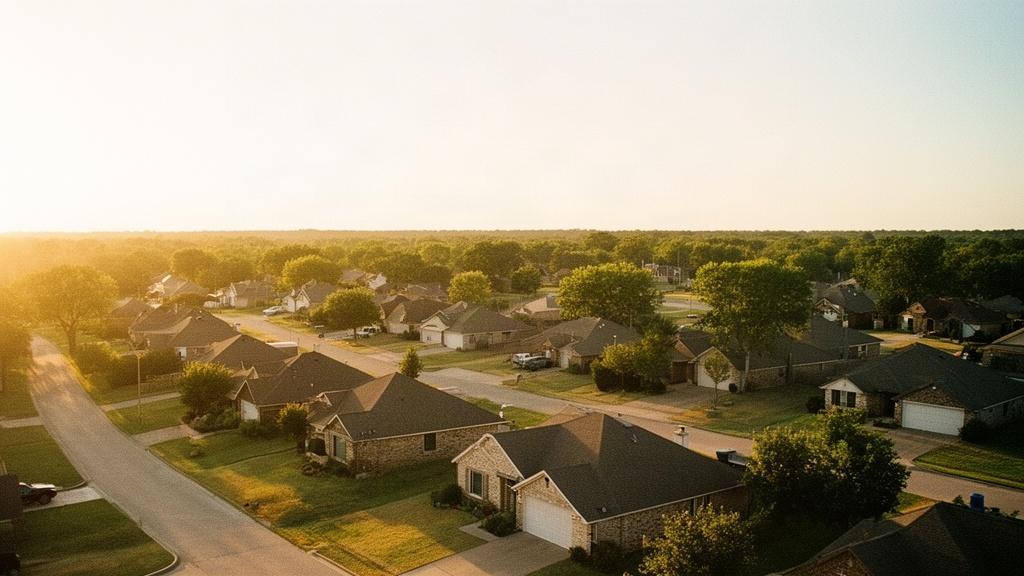
Slocomb's housing inventory is dominated by single-family detached homes, with a mix of mid-century construction and some newer builds on the edges of town. The variety means buyers at different price points and with different priorities can usually find something that fits, though inventory is limited enough that waiting too long on a strong listing carries real risk.
Single-Family Homes and Lot Sizes
Most in-town homes in Slocomb sit on lots ranging from a quarter acre to just over half an acre, giving residents a yard without the maintenance burden of a large rural property. Three-bedroom, two-bathroom layouts are the most common configuration, typically ranging from 1,200 to 1,800 square feet. Homes with four bedrooms or more are less common but do appear, particularly on the north and west sides of town where newer construction has occurred.
Covered porches and carports are standard features on many Slocomb properties, reflecting the regional building tradition across the Wiregrass. Central heat and air is present in most updated homes, though buyers looking at older properties built before 1980 should budget for HVAC and insulation improvements if those systems have not been replaced.
Older Homes Versus Newer Construction
Homes built between the 1950s and 1980s make up a large share of Slocomb's in-town inventory. These properties often feature larger rooms, hardwood floors under carpet, and established shade trees, but they also require closer inspection for roofing, plumbing, and electrical systems. A thorough home inspection is especially important in this price range.
Newer construction in Slocomb tends to appear on county roads just outside city limits, where larger lots are available at lower land costs. These homes, often built in the 2000s through the 2020s, typically have open floor plans, attached garages, and modern insulation standards. They carry a price premium over comparable older homes but often require less immediate capital investment.
Rural and Agricultural Properties
Geneva County is peanut and cotton country, and rural tracts with working agricultural land or timber represent a distinct segment of the Slocomb area market. Prices per acre for raw agricultural land vary depending on soil quality, drainage, and proximity to paved roads. Buyers interested in these properties should work with a lender familiar with USDA farm loan programs, which are available in Geneva County.
Properties combining a residence with acreage, often called "house and land" listings locally, are particularly sought after and tend to move quickly when priced within market range. These are the listings where buyers benefit most from working with someone who knows the local comps, because acreage pricing is highly specific to road frontage, well and septic condition, and soil classification.
3. Neighborhoods and Areas of Slocomb: What to Know Before You Choose
Slocomb is a small city, so "neighborhood" often means the general direction from downtown rather than a formally named district. Even so, the different parts of town have meaningfully different housing characteristics, price points, and access to amenities. Understanding those differences helps buyers narrow their search and helps sellers set realistic expectations.
In-Town Living Near Downtown Slocomb
The streets closest to downtown Slocomb, centered around the intersection of Alabama Highway 84 and County Road 33, offer the most walkable access to local businesses, the post office, and city services. Homes here are generally older, with mature trees lining the streets. Lot sizes tend to be smaller than on the outskirts, and the housing stock reflects the character of a working Wiregrass town built up steadily through the mid-twentieth century.
Slocomb is also known as the "Tomato Capital of the World," a designation tied to its agricultural heritage and celebrated annually at the Tomato Festival. That local identity runs through the town's character, and buyers who value a tight-knit community with genuine local traditions tend to find in-town living appealing for exactly that reason.
Outlying Roads and County Properties
Moving out along county roads in any direction from Slocomb, lot sizes expand and the pace slows considerably. Properties on Geneva County roads within five to ten miles of the city center often include one to five acres, outbuildings or workshops, and in some cases small ponds. These properties attract buyers who want space and quiet without a long drive to town.
Buyers should confirm internet service availability before committing to a rural address. Broadband access in Geneva County has expanded through state and federal infrastructure programs, but coverage is not uniform across all roads. Checking with local providers before closing is a practical step that saves significant frustration later.
Proximity to Geneva and Dothan
Slocomb sits approximately 12 miles southwest of Geneva, the Geneva County seat, along Alabama Highway 52. Dothan, the largest city in the Wiregrass region, is roughly 30 miles northeast via U.S. Highway 431. That commute runs about 35 to 40 minutes under normal conditions and opens access to Dothan's medical centers, regional airport, and retail corridors.
Buyers who work in Dothan but prefer a lower cost of living and a smaller-town environment often find that the Slocomb area makes financial sense. The tradeoff is the daily drive, so buyers in that situation should map their specific route, including any school or errand stops, before deciding how far from the Highway 431 corridor they want to live.
For a broader look at what is available in the area right now, the Homes for Sale in Slocomb, Alabama Guide walks through current listing categories and what to expect at each price point.
4. Timing the Slocomb Market: When to Buy and When to Sell
Timing matters in any real estate market, but in a smaller market like Slocomb, the seasonal patterns are sharper because total inventory is lower. A shift of even a few active listings can meaningfully change how much negotiating power a buyer or seller holds.
Spring and Summer Activity Patterns
Listing activity in Slocomb picks up in March and runs through July, mirroring the broader Southeast Alabama pattern. Sellers who list in this window benefit from more active buyers in the market. Buyers, in turn, face more competition for the same pool of homes. Well-priced listings in the spring window frequently go under contract within two to three weeks.
The summer months also bring relocation buyers who are targeting a move before the school year begins. For sellers, this is a motivated buyer pool. For buyers in this category, starting the search early, ideally by February or March, gives the most time to find the right property without rushing into a decision.
Fall and Winter Opportunities
Listings that enter the market in September through December, as we are in right now, face a smaller buyer pool but also less competition from other sellers. Sellers who need to move in the fall window should price sharply from the start. Overpriced fall listings tend to sit, and a home that accumulates days on market over the holiday season enters the spring with a stigma that is hard to shake.
For buyers, the fall and winter months can surface motivated sellers willing to negotiate on price or terms. Homes that have been sitting since the spring without selling often see price reductions in October and November. Buyers who are flexible on timing and not locked into a school-year deadline can find real value in this window.
What Days on Market Tell You
In Slocomb, a home that sells within 30 days is typically priced at or close to market value. Homes sitting beyond 60 days are usually either overpriced, have a condition issue, or both. When you see a listing with a long days-on-market count, the first question to ask is whether the price has been reduced and, if so, by how much.
Days on market data is one of the clearest signals in a small market. It tells buyers whether they are looking at a fresh opportunity or a property the market has already passed judgment on. It tells sellers whether their pricing strategy is working or needs adjustment before momentum is lost.
5. What Buyers and Sellers Should Know About Costs and Negotiation in Slocomb
Understanding the full cost picture in the Slocomb, Alabama real estate market prevents surprises at the closing table and helps both sides negotiate from an informed position.
Closing Costs and Financing Realities
Buyers in Slocomb should budget approximately 2 to 4 percent of the purchase price for closing costs, which include lender fees, title insurance, appraisal, and prepaid items like homeowner's insurance and property taxes. On a $150,000 purchase, that translates to roughly $3,000 to $6,000 out of pocket at closing, in addition to any down payment.
USDA Rural Development loans are available in Geneva County and allow qualified buyers to purchase with no down payment. FHA loans with a 3.5 percent down payment are also widely used in this price range. Conventional financing works well for buyers with strong credit and at least 5 to 10 percent down. Getting pre-approved before searching is not optional in a market where good listings move fast.
How to Price a Home Competitively
Sellers in Slocomb face a market where buyers are generally informed and have access to sold data through their agents. Pricing above comparable sales by more than 5 percent without a clear justification, such as a recent renovation or a larger lot, typically results in the listing sitting. The longer it sits, the more buyers assume something is wrong with the property.
The most effective pricing strategy in this market is to identify the top three to five comparable sales within the past six months, weight them by similarity to your home, and price within that range. Homes that are priced at the lower end of their justifiable range often attract multiple offers, which can push the final sale price above asking. That outcome is far better than chasing the market down after an overpriced listing stalls.
Relocation Considerations
People relocating to Slocomb from out of state or from larger Alabama cities often have questions that go beyond price. Alabama has no state income tax on Social Security income and relatively low property taxes compared to many other states, which affects long-term cost of ownership. Geneva County property tax rates are among the lower ones in the state, though buyers should verify current millage rates with the Geneva County Revenue Commissioner.
Relocation buyers should also research schools directly through the Geneva County Board of Education rather than relying on third-party rating sites, which often lack current or locally accurate information. Visiting the district's own resources gives a clearer picture of programs, boundaries, and enrollment procedures.
The NAR Region V Local Market Assessments for Alabama provide statewide and regional context that relocation buyers find useful when comparing Alabama markets to where they are coming from.
For additional context on what the Slocomb market looks like from a seller's perspective, including timelines and what to expect through the process, see the companion article on selling a home in Slocomb, Alabama.
FAQ
What is the average home price in Slocomb, Alabama right now?
As of September 2026, move-in-ready single-family homes in Slocomb are generally priced in the low-to-mid $150,000s, with smaller or older properties available below $120,000 and updated homes reaching into the $200,000 range. Rural properties with acreage vary more widely depending on lot size, soil quality, and the condition of any structures. These figures reflect the current Slocomb market and can shift as inventory changes, so working with a local agent who tracks active and sold listings gives you the most accurate picture. Easton Dean monitors this data closely and can provide a current comparative market analysis for any property you are considering.
Is it a good time to sell a home in Slocomb, Alabama?
September 2026 is a transitional point in the Slocomb market. The peak spring and summer buying season has passed, which means sellers are working with a smaller but often more motivated buyer pool. Homes priced correctly for current conditions are still selling, but overpriced listings are sitting longer than they would have in April or May. Sellers who list now should prioritize sharp pricing and strong presentation to capture the buyers who are actively searching outside the peak season. Waiting until the following spring is a reasonable option if your timeline allows it, as March through June typically brings more buyer activity.
What should out-of-state buyers know before relocating to Slocomb, Alabama?
Buyers relocating from out of state should understand that Slocomb is a small city of roughly 2,000 residents in Geneva County, with most major retail, medical, and employment centers located in Dothan, about 30 miles northeast. Alabama has no state income tax on Social Security income and relatively low property taxes, which affects long-term cost of ownership calculations. Internet and utility availability should be confirmed before committing to a rural address, as coverage is not uniform across all county roads. Visiting in person before making an offer is strongly recommended, and working with a local agent like Easton Dean who knows the specific roads, pricing patterns, and property types in the area will save you significant time and prevent costly mistakes.