← Back to Blog
Market Trends
Slocomb, Alabama Real Estate Market Guide: Prices, Neighborhoods and Timing
By Easton Dean
United Country-Fulford Realty
October 2, 2026 · 10 min read
Slocomb, Alabama has the strongest track record of any small market in Geneva County when it comes to consistent home values, steady turnover, and predictable timing for buyers and sellers alike. This guide covers what prices actually look like right now in October 2026, what distinguishes each part of town, and how to read the market so you make a well-timed move.
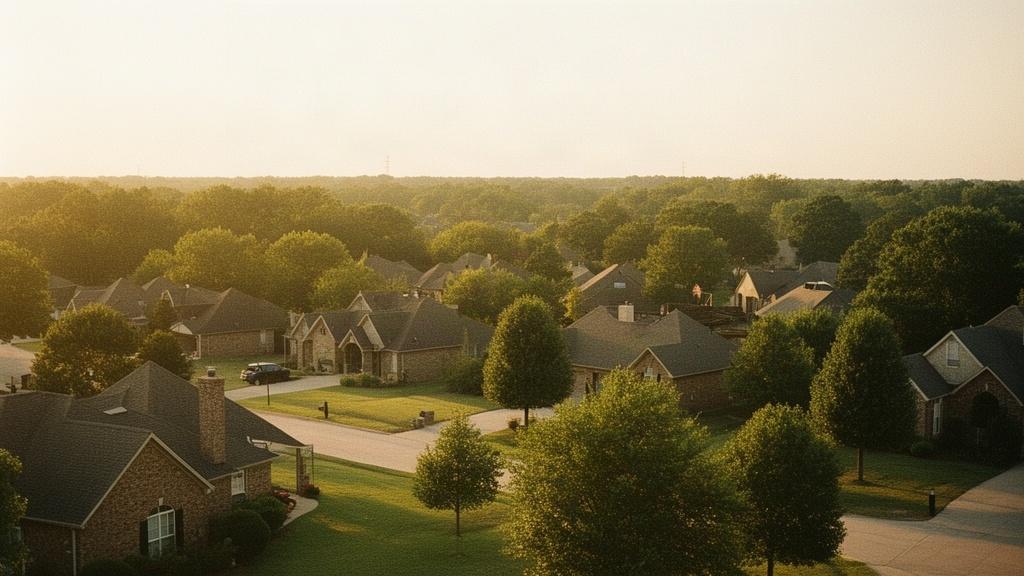
1. What Makes Slocomb's Real Estate Market Distinct
Slocomb's market holds steady where others fluctuate. Slocomb is the seat of Geneva County, sitting roughly 25 miles southeast of Dothan along U.S. Highway 431. The city has a population of around 2,000, and its real estate market reflects that scale: low inventory, limited new construction, and a buyer pool that is often local or relocating from within Alabama. Those characteristics create a market that moves at its own pace, independent of the swings you see in larger metros.
A Small City With Consistent Fundamentals
The Slocomb economy has long been anchored in agriculture, particularly peanuts and poultry processing, with Sanderson Farms operating a significant facility in the area. That employment base creates a stable, year-round demand for housing that does not evaporate when interest rates tick up nationally. Homes in Slocomb are not subject to the same speculative pressure you find in coastal markets or in Huntsville's fast-moving suburbs.
The city's downtown along Boll Weevil Circle includes local businesses, the Geneva County Courthouse, and the Slocomb Area Chamber of Commerce. The Slocomb High School campus and the Tom Thigpen Memorial Park give the city recognizable anchor points that buyers often reference when evaluating proximity. These landmarks matter in a small market because walkability and proximity to services carry weight when the town itself is compact.
How Slocomb Compares to the Broader Alabama Market
Alabama's housing market has been under pressure from two directions at once: rising demand from in-migration and a persistent shortage of available homes. reporting from HousingWire has noted that affordable homes across the state are selling quickly while higher-priced inventory sits longer, and that split is visible in Geneva County too. Entry-level homes in Slocomb move faster than larger or more dated properties, which tells buyers something important about where to focus their attention.
Slocomb does not experience the same construction pipeline pressure that larger Alabama markets do. A separate HousingWire analysis on Alabama's new construction shortage found that the state's migration hotspots are straining under a dearth of new builds. Slocomb is not a migration hotspot in the same sense, but the lack of new inventory here means the existing housing stock carries more weight. A well-maintained 1990s brick ranch in Slocomb holds its value partly because there is nothing new being built to compete with it.
2. Home Prices in Slocomb Right Now
Slocomb home prices in October 2026 remain among the most accessible in southeast Alabama. The median sale price for a single-family home in Slocomb currently sits in the range of $130,000 to $165,000, with significant variation depending on condition, lot size, and location within the city or surrounding county. That range places Slocomb well below the Alabama statewide median, which gives buyers more purchasing power per dollar here than in Dothan or any of the larger cities along the I-65 corridor.
What Buyers Are Paying in October 2026
Move-in-ready homes in the $140,000 to $175,000 range are the most competitive segment right now. These are typically three-bedroom, two-bath brick or vinyl-sided homes on city lots between 0.2 and 0.5 acres. Homes that have been updated with new roofs, HVAC systems, or kitchens within the last five to ten years tend to receive multiple inquiries within the first two weeks of listing.
Fixer-uppers and older homes needing significant work can be found in the $60,000 to $100,000 range, and they attract investors and buyers who are comfortable managing renovations. Homes above $200,000 in Slocomb are typically larger properties on acreage outside the city limits, or substantially updated in-town homes with detached garages or outbuildings. That upper tier moves more slowly because the buyer pool narrows at that price point in a city this size.
Price Ranges by Property Type
- Entry-level in-town homes: $60,000 to $110,000; older construction, often 1960s to 1980s, may need updates to roof, plumbing, or HVAC.
- Move-in-ready city lots: $130,000 to $175,000; typically brick ranch or vinyl siding, three bedrooms, two baths, city utilities.
- Rural acreage tracts: $150,000 to $250,000 depending on acreage; often include outbuildings, wells, and septic systems on 2 to 20 acres.
- Larger updated homes: $200,000 and above; four or more bedrooms, recent renovations, often with detached garages or workshop space.
- Mobile and manufactured homes: $40,000 to $90,000 depending on age and condition; common on rural lots throughout Geneva County.
3. Neighborhoods and Areas: What the Housing Stock Actually Looks Like
Each part of Slocomb has a distinct physical character that shapes what buyers get for their money. Understanding those differences before you start touring homes saves time and prevents mismatched expectations. Slocomb is compact enough that you can drive the entire city in under 20 minutes, but the variation between an in-town lot on a paved street and a rural parcel five miles out is significant in terms of infrastructure, lot size, and what daily life looks like.
Established In-Town Streets
The residential streets closest to downtown Slocomb, particularly those running north and south of Boll Weevil Circle and along McKinnon Street and nearby corridors, contain the city's older housing stock. Most of these homes were built between the 1940s and 1980s. You will find a mix of wood-frame cottages, brick ranches, and two-story homes on standard city lots. Many have mature oak and pecan trees, which is a characteristic of older Alabama neighborhoods that buyers often find appealing.
City utilities, including public water and sewer, are available throughout the incorporated area. Lot sizes in the established in-town sections typically run from 0.15 to 0.4 acres. These properties tend to be priced at the lower end of the market because of their age, but updated examples in good condition hold value well given the limited competing inventory.
Rural Acreage and Farmland Tracts
Outside the city limits, Geneva County's rural character takes over quickly. Properties along county roads south and west of Slocomb include working farmland, wooded tracts, and homes on multi-acre lots. Peanut fields and timber land are common features of the surrounding landscape, and many rural properties include barns, equipment sheds, or chicken houses from prior agricultural use.
Rural buyers need to account for well and septic systems, which require inspection and can add to ownership costs if they need replacement. Lot sizes in the rural areas surrounding Slocomb typically start at two acres and can extend to 50 acres or more for agricultural tracts. These properties attract buyers looking for space, privacy, and the ability to keep livestock or run small farming operations.
The Highway 431 Corridor
U.S. Highway 431 runs through Slocomb and connects the city directly to Dothan to the north, a drive that takes approximately 25 to 30 minutes under normal conditions. Residential properties along and near the 431 corridor offer the convenience of that commute route, which matters for buyers who work in Dothan's medical, retail, or manufacturing sectors. For more detail on what that commute looks like day to day, the article on the Slocomb to Dothan commute distance and drive time covers the specifics.
Commercial activity along Highway 431 includes gas stations, fast food, and local services. Homes within a quarter mile of the highway tend to sit on slightly larger lots given the mix of commercial and residential zoning in that corridor, and prices vary widely based on condition and whether the property has direct highway frontage.
4. Market Timing: When to Buy and When to Sell in Slocomb
Timing in Slocomb follows a pattern tied more to local employment and agricultural cycles than to national trends. Spring and early summer, from March through June, consistently produce the highest volume of listings and the most active buyer traffic. Families with children tend to time moves around the school calendar, and sellers who list in that window typically see faster offers. That pattern holds in October 2026 just as it did in prior years.
Seasonal Patterns in Geneva County
Fall listings, including those coming to market right now in October 2026, face a smaller buyer pool but also less competition from other sellers. A well-priced home listed in the fall can still sell within 30 to 60 days if it is priced accurately and shows well. The buyers who are active in October and November tend to be motivated, often because of job changes, lease expirations, or relocation timelines that do not follow the spring calendar.
Winter months, December through February, are the slowest in Slocomb. Inventory drops, buyer activity slows, and days on market stretch out. Sellers who can wait until February or March to list are generally better positioned. Buyers who shop in winter, however, often find sellers more willing to negotiate on price or terms because of reduced competition.
What Inventory Levels Tell You Right Now
Slocomb's active inventory in October 2026 is thin by historical standards. At any given time, fewer than 20 to 25 single-family homes are listed within the city and immediate surrounding area. That low supply keeps prices from declining even when buyer demand softens seasonally. It also means that buyers who find a home that fits their criteria should move quickly, because competing offers can appear even in slower months.
For sellers, thin inventory is an advantage. There are fewer homes for buyers to choose from, which keeps your listing visible longer and reduces the pressure to cut price just to stand out. The key is accurate pricing from day one: overpriced homes in a small market like Slocomb sit and accumulate days on market, which buyers notice. For a deeper look at how pricing strategy affects your outcome, the article on selling timing and pricing in Slocomb lays out the specifics.
5. What Buyers and Sellers Need to Know Before Acting
The steps that protect you in a Slocomb transaction are not the same as in a larger city. Because the market is small and many properties are older, due diligence carries more weight here than it does in a new-construction suburb. Skipping or rushing any of the following steps can lead to costly surprises after closing.
Due Diligence Steps Specific to Slocomb
- Full home inspection: Older Slocomb homes often have original electrical panels, cast-iron plumbing, or roofs nearing the end of their service life. A licensed inspector will identify these before you commit.
- Well and septic inspection: Required for any rural property. A septic system failure can cost $8,000 to $20,000 to replace, so this is not optional.
- Flood zone verification: Parts of Geneva County sit in or near FEMA-designated flood zones. Verify the property's flood zone status before making an offer, as flood insurance adds significantly to annual ownership costs.
- Title search: Rural and agricultural properties in Alabama sometimes carry liens, easements, or mineral rights issues that a thorough title search will surface. Do not waive this step.
- Closing cost estimate: Alabama buyers should plan for 2% to 4% of the purchase price in closing costs beyond the down payment. The article on closing costs when buying in Slocomb in 2026 breaks those numbers down in detail.
Working With a Local Expert
In a market as small as Slocomb, local knowledge is not a bonus; it is a prerequisite. An agent who knows which streets flood, which properties have been listed and relisted, and what comparable sales actually look like in Geneva County will save you from overpaying or underselling. That knowledge comes from working the market consistently, not from pulling data off a national portal.
Sellers in particular benefit from working with someone who understands how to position a property for the local buyer pool. The strategies that work in Dothan or Montgomery do not always translate to a 1,400-square-foot brick home on a half-acre lot in Slocomb. If you are preparing to list and want to know what steps to take first, the article on who to call before listing your home in Slocomb walks through the process.
Slocomb, Alabama has the strongest track record of consistent, predictable real estate performance in Geneva County, and the buyers and sellers who do best here are the ones who come prepared with local-specific information rather than assumptions borrowed from larger markets.
FAQ
What is the typical price range for a home in Slocomb, Alabama right now?
In October 2026, most single-family homes in Slocomb sell between $130,000 and $175,000 for move-in-ready condition. Entry-level and fixer-upper properties can be found below $110,000, while larger or updated homes on acreage may reach $200,000 to $250,000. Mobile and manufactured homes on rural lots are available at lower price points, often between $40,000 and $90,000. These ranges reflect the current active market in Slocomb and the immediate Geneva County area, not Dothan or other nearby cities.
Is it a good time to sell a home in Slocomb, Alabama?
October 2026 presents a reasonable window for sellers in Slocomb because inventory remains thin, which limits competition from other listings. The buyer pool is smaller in fall than in spring, but motivated buyers are still active, particularly those with job-related or lease-driven timelines. Accurate pricing is critical: homes that are priced correctly for the Slocomb market tend to sell within 30 to 60 days even in slower months, while overpriced listings can sit for three to six months and ultimately sell for less than they would have if priced right from the start. Spring, from March through June, remains the highest-volume window for both listings and buyer activity.
How does Slocomb's real estate market differ from Dothan's?
Slocomb and Dothan are about 25 miles apart, but their real estate markets operate very differently. Dothan has a much larger inventory, more new construction activity, and a broader buyer pool that includes medical professionals, military families, and corporate relocations. Slocomb's market is smaller, more stable, and more affordable, with median prices well below Dothan's. In Slocomb, a buyer's dollar goes further in terms of lot size and square footage, but the trade-off is fewer listings to choose from and less competition-driven appreciation. Buyers who work in Dothan but prefer lower prices and more space often look to Slocomb as a practical alternative.