← Back to Blog
Buying
Buying a Home in the West Side of Madison, Wisconsin: Process, Costs and Timeline
By Edgar Montes-Lopez
September 3, 2026 · 11 min read
Buying a home in the west side of Madison, Wisconsin looks and feels different from buying in other parts of the city, and knowing those differences before you start can save you both time and money. The west side stretches from the Near West neighborhoods near Monroe Street and Regent Street out through Middleton, Verona Road corridors, and communities like Shorewood Hills, Nakoma, and the subdivisions along County Highway M. This guide walks you through the full process, the realistic costs, and the timeline you should expect right now in September 2026.
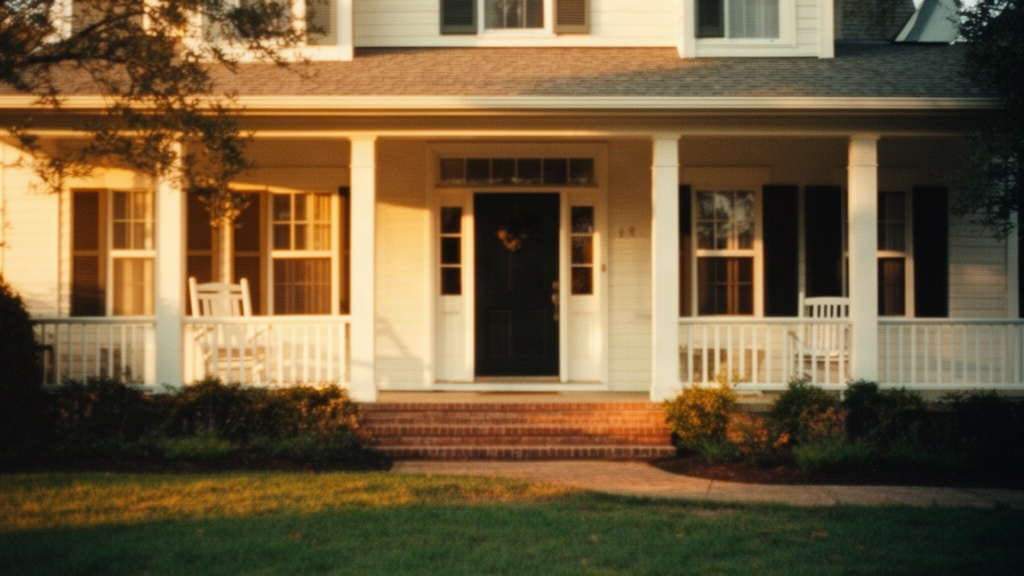
1. What the West Side of Madison Actually Covers
The west side of Madison is not a single neighborhood. It is a broad swath of the city and its immediate suburbs that sits west of the Capitol Square and Lake Monona, running from Regent Street and Monroe Street near Camp Randall Stadium all the way out to the Middleton city limits and beyond toward Verona. Understanding the geography matters because prices, lot sizes, commute distances, and housing styles shift considerably depending on exactly where you are looking.
Neighborhoods and Communities
The Near West side anchors the inner portion. This includes Monroe Street, Nakoma, Westmorland, and Shorewood Hills. These areas sit roughly two to four miles from the Capitol and feature tree-lined streets, mid-century ranch homes, Craftsman bungalows, and a mix of brick colonials built between the 1930s and 1970s. Lot sizes here typically run 6,000 to 9,000 square feet, and most homes are within a short drive or bike ride of Wingra Park, Vilas Park, and the Henry Vilas Zoo.
Moving further west, the landscape shifts. Neighborhoods like Meadowood, Arbor Hills, and the areas along Mineral Point Road and Whitney Way include more postwar subdivisions, split-levels, and ranch homes from the 1960s through the 1980s. Further out still, the communities along the Beltline Highway corridor, including sections of Verona Road and Fish Hatchery Road, blend into newer construction subdivisions with homes built from the 1990s through the present day. The city of Middleton, which borders Madison's west side, operates its own municipal services and has its own distinct housing market.
Housing Stock and Price Ranges
Prices across the west side span a wide range. In the Near West neighborhoods, single-family homes typically list between $450,000 and $750,000 as of September 2026, with renovated properties on larger lots pushing higher. In the mid-west areas around Meadowood and Arbor Hills, buyers more commonly find homes in the $320,000 to $475,000 range. The outer west side and areas bordering Middleton and Verona offer newer construction townhomes starting around $310,000 and single-family homes ranging from $380,000 to $600,000 depending on square footage and lot.
Condominiums and attached townhomes are scattered throughout the west side, particularly along the Mineral Point Road and Junction Road corridors. These units typically range from $220,000 to $380,000 and appeal to buyers who want lower exterior maintenance. For a broader look at how these prices compare across all of Madison's neighborhoods, the Madison, Wisconsin Real Estate Market Guide on this site covers the full city picture.
2. The Step-by-Step Process for Buying a Home in the West Side of Madison, Wisconsin
The process of buying a home in the west side of Madison, Wisconsin follows the same legal framework as buying anywhere in the state, but the local market conditions add layers of strategy that matter. Moving through the steps in the right order keeps you competitive and protects you financially.
Getting Pre-Approved and Choosing an Agent
Pre-approval comes first, before you tour a single home. On the west side, where well-priced listings in the $350,000 to $500,000 range routinely draw multiple offers within the first weekend, sellers will not seriously consider an offer without a pre-approval letter from a recognized lender. Work with a lender who can issue a fully underwritten pre-approval rather than a basic pre-qualification; the former carries more weight with listing agents.
Choosing a buyer's agent who knows the west side specifically matters. An agent familiar with the difference between a Nakoma listing and a Meadowood listing, and who understands how the Beltline commute affects value perceptions in different pockets, will help you write competitive offers and avoid overpaying. In Wisconsin, buyer representation agreements are standard, so you will sign an agreement with your agent before they begin working on your behalf.
Searching and Making Offers
Active searching on the west side requires speed. Set up real-time MLS alerts so you see new listings the moment they hit the market. Many west side homes, particularly those priced under $475,000, receive offers by Sunday evening of their first weekend. Plan to tour homes within one to two days of listing and be ready to submit an offer the same day if the property fits your criteria.
Wisconsin uses standard WB forms for purchase offers. Your offer will specify the purchase price, earnest money (typically one to two percent of the purchase price on the west side), contingencies for financing and inspection, and a closing date. In competitive situations, buyers sometimes offer to escalate their price up to a ceiling, or they waive certain contingencies after careful review with their agent. Understanding the risk of each contingency decision is critical before you remove any of them.
Under Contract Through Closing
Once your offer is accepted, the inspection period begins. Wisconsin purchase contracts typically allow ten business days for inspections. On the west side, older homes in Nakoma, Westmorland, and Shorewood Hills often reveal deferred maintenance items like aging knob-and-tube wiring, original cast-iron plumbing, or older roofs. Budget for these possibilities and discuss with your agent whether to negotiate repairs, a price reduction, or a seller credit at closing.
After inspections, your lender orders the appraisal. Appraisals on the west side currently take seven to fourteen business days to schedule and complete. If the home appraises below your offer price and you have a financing contingency, you can renegotiate, make up the gap in cash, or walk away. Title work, final loan underwriting, and a closing disclosure review fill the remaining weeks before you sign at the title company and receive your keys.
For a detailed walkthrough of the full Wisconsin purchase process, How to Buy a House in Wisconsin: A Step-by-Step Guide provides a solid state-level overview that complements the Madison-specific details here.
3. What It Costs to Buy on the West Side
Understanding the full cost picture before you start searching prevents surprises at closing. The purchase price is only one number. Closing costs, prepaid items, and ongoing ownership expenses add up quickly, and they vary depending on where on the west side you land.
Purchase Prices by Area
- Near West (Monroe Street, Nakoma, Shorewood Hills): Median single-family home price approximately $530,000 to $580,000 as of September 2026, with significant variation based on lot size and renovation level.
- Mid-West (Meadowood, Westmorland, Arbor Hills): Median single-family home price approximately $370,000 to $450,000, with older ranch homes on the lower end and updated split-levels on the higher end.
- Outer West and Beltline Corridor: Newer construction single-family homes typically range from $390,000 to $560,000; attached townhomes start around $295,000.
- Condominiums across the west side: Most units list between $220,000 and $380,000, with monthly HOA fees ranging from $200 to $500 depending on the association and amenities.
Closing Costs and Cash to Close
Closing costs in Wisconsin typically run two to three percent of the purchase price. On a $450,000 west side home, expect to bring roughly $9,000 to $13,500 to the closing table for costs alone, on top of your down payment. These costs include lender origination fees, title insurance, the Wisconsin real estate transfer tax (which the seller typically pays but can be negotiated), recording fees, and prepaid items like homeowners insurance and the initial escrow deposit for property taxes.
- Down payment (conventional loan, 10% down on $450,000): $45,000
- Down payment (FHA loan, 3.5% down on $450,000): $15,750
- Lender origination and underwriting fees: Approximately $1,500 to $3,000 depending on lender
- Title insurance (owner's policy): Approximately $1,200 to $1,800 on a $450,000 purchase
- Home inspection: $400 to $600 for a standard single-family inspection; add $150 to $250 for radon testing, which is common in Dane County
- Appraisal fee: $550 to $750, paid to the lender during the loan process
- Prepaid homeowners insurance (first year): $1,200 to $1,800 depending on coverage and property
- Initial escrow deposit (property taxes): Two to three months of estimated property taxes, typically $1,500 to $3,000 depending on location and assessed value
Ongoing Ownership Costs
Property taxes on the west side vary by municipality. Homes within the City of Madison carry the combined city, county, Madison Metropolitan School District, Madison College, and Madison Area Technical College levies. On a $450,000 home assessed at full value, the annual property tax bill currently runs approximately $8,500 to $10,500. Properties in Shorewood Hills, which is a separate village with its own mill rate, can run somewhat higher. Buyers purchasing in Middleton or unincorporated Dane County will see different rates, so always request the most recent tax bill for any property you are seriously considering.
Utility costs on the west side are worth factoring in. Older homes in Nakoma and Westmorland with original windows, minimal attic insulation, and gas heat can run $200 to $350 per month in winter utility costs. Newer construction on the outer west side, built to modern energy codes, typically runs $120 to $200 per month in winter. Ask sellers for twelve months of utility bills before closing.
4. How Long the Timeline Takes
The timeline for buying a home in the west side of Madison, Wisconsin depends on how quickly you find the right property and how smoothly the financing and inspection process goes. Most buyers should plan for a total timeline of two to five months from the day they start seriously searching to the day they receive keys.
From Search to Offer
Pre-approval typically takes three to seven business days. After that, the active search phase on the west side can range from two weeks to three months depending on your price range, how specific your criteria are, and how competitive the market is in the pocket you are targeting. Buyers with flexibility on style or location tend to find homes faster. Buyers locked into a specific street or subdivision may wait longer for the right listing to appear.
From Accepted Offer to Closing
Once you have an accepted offer, plan on thirty to forty-five days to closing. The inspection period runs roughly ten business days. Appraisal scheduling adds another seven to fourteen business days. Final underwriting and loan approval typically takes another one to two weeks. Closing itself is scheduled at a title company; Madison has several reputable title companies on the west side, and closings commonly take place at offices along University Avenue, Mineral Point Road, or Gammon Road.
Total Timeline Snapshot
- Pre-approval: 3 to 7 business days
- Active home search: 2 weeks to 3 months (varies widely by price range and criteria)
- Inspection period: 10 business days from accepted offer
- Appraisal: 7 to 14 business days to schedule and receive report
- Final underwriting and clear to close: 7 to 14 business days
- Closing day: Typically 30 to 45 days after accepted offer
- Total process (search through keys): Most buyers complete the process in 2 to 5 months
5. West Side Market Conditions in September 2026
The west side market right now is competitive but not frenzied. Inventory has improved modestly compared to the low points of 2023 and 2024, but well-priced homes in the $350,000 to $500,000 range still move quickly. Understanding current conditions helps you calibrate your offer strategy before you start.
Inventory and Competition
Active listings on the west side in September 2026 are running at roughly two to three months of supply. That means the market still leans toward sellers in the most in-demand price brackets, while buyers in the $550,000 and above range have more negotiating room and more time to make decisions. Days on market for homes priced accurately in the $375,000 to $475,000 range average eight to fourteen days. Homes that sit longer are usually priced above comparable sales or have condition issues that surfaced during early showings.
Multiple-offer situations still occur on the west side, though less universally than in 2021 and 2022. Listings in Nakoma, Westmorland, and the blocks closest to Wingra Park and Vilas Park tend to attract the most competition. Listings further west along the Beltline corridor or in newer subdivisions off County Highway M see fewer competing offers on average, giving buyers more room to negotiate inspection items and closing timelines.
What Buyers Should Know Right Now
Mortgage rates in September 2026 are sitting in the mid-to-upper six percent range for a thirty-year conventional loan. That is meaningfully higher than the historic lows of 2020 and 2021, which affects monthly payment calculations significantly. On a $450,000 purchase with ten percent down and a 6.75 percent rate, the principal and interest payment alone runs approximately $2,630 per month before taxes and insurance. Running those numbers carefully with your lender before you set your search budget is essential.
First-time buyers on the west side should also explore Wisconsin Housing and Economic Development Authority programs. WHEDA offers down payment assistance and below-market interest rates for qualifying buyers, and Madison-area lenders who participate in these programs can walk you through income and purchase price limits. The general Buying a Home in the Madison, Wisconsin Area: Process, Costs and Timeline guide on this site covers financing options in more detail.
Commute patterns matter when choosing your west side location. Buyers who work on the UW-Madison campus or in the Capitol Square area can reach those destinations from most Near West neighborhoods in ten to fifteen minutes by car or twenty to thirty minutes by bike via the Southwest Commuter Path, which runs from the Near West side all the way toward Verona. Buyers working at Epic Systems in Verona or at research parks along University Avenue will find the outer west side and Middleton significantly reduce their daily commute.
If you are still in the early research phase, the Homes for Sale in Madison, Wisconsin Guide is a useful companion resource that covers what to look for across all Madison submarkets.
FAQ
Is the west side of Madison more expensive than other parts of the city?
It depends on which part of the west side you are comparing and to what. The Near West neighborhoods closest to UW-Madison, such as Nakoma and Monroe Street, carry some of the highest single-family home prices in the city, with medians in the $530,000 to $580,000 range as of September 2026. The mid-west and outer west side areas are more affordable, with homes commonly available in the $320,000 to $475,000 range. The east side and south side of Madison generally offer lower entry price points for comparable square footage, while the isthmus neighborhoods near the lakes sit at the top of the city's price range. The best way to compare is to review active and recently sold listings in each area with a local agent who can pull current MLS data.
How much earnest money do I need when buying a home on the west side of Madison?
Earnest money on the west side typically runs one to two percent of the purchase price, so on a $425,000 home, expect to put down $4,250 to $8,500. In competitive multiple-offer situations, some buyers offer slightly higher earnest money to signal seriousness, though it is not a requirement. Earnest money is held in a trust account by the listing broker or title company and is applied toward your down payment and closing costs at closing. If you walk away from the deal within a contingency period, such as during the inspection or financing contingency window, you generally receive your earnest money back. Losing it only becomes a risk if you back out without a valid contingency.
What inspections should I plan for when buying an older west side home?
For older homes in Near West neighborhoods built before 1970, a standard general home inspection is the starting point, but it is rarely the only one you will want. Radon testing is strongly recommended throughout Dane County because the geology in this region produces elevated radon levels in many homes. If the home has a chimney, a Level 2 chimney inspection is worth the $200 to $300 cost. Homes with older plumbing may warrant a sewer scope inspection, which runs $150 to $250 and can reveal root intrusion or cracked clay pipes before they become your problem. If the inspector notes signs of moisture in the basement or crawl space, a structural engineer consultation may be appropriate. Discuss which inspections make sense for the specific property with your agent and your inspector after the initial walkthrough.