← Back to Blog
Market Trends
East Side Real Estate Market Guide: Prices, Neighborhoods and Timing
By Edgar Montes-Lopez
September 4, 2026 · 11 min read
Madison's east side covers more ground, more housing variety, and more price points than most buyers expect when they first start researching. This east side real estate market guide walks through current prices, the distinct character of each corridor, commute realities, and how to read the timing so you make a confident move.
1. What Defines the East Side Real Estate Market
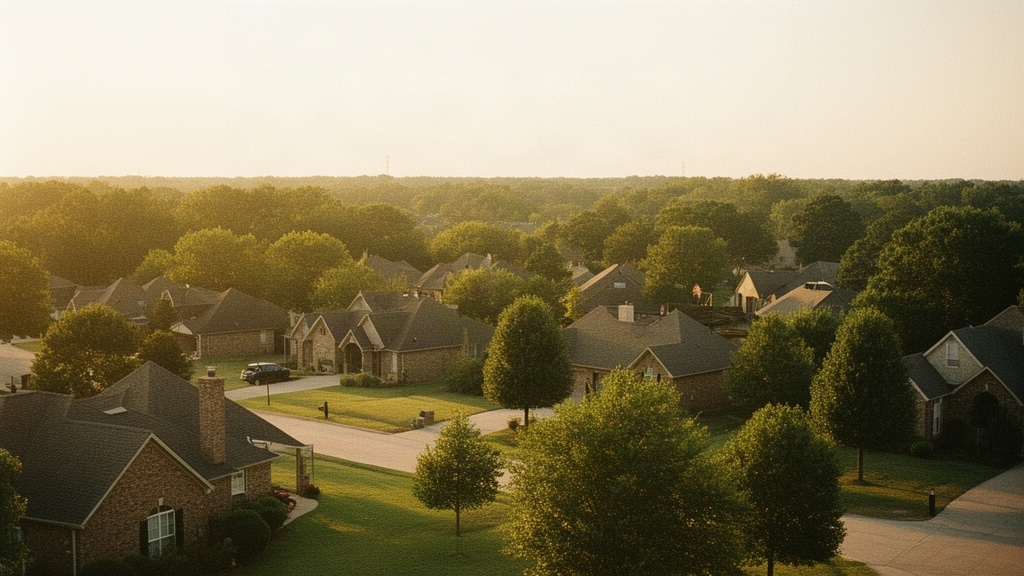
Madison's east side is the section of the city that stretches from roughly Blair Street and East Washington Avenue eastward to the city limits near Cottage Grove Road and beyond toward the town of Burke. It is not a single neighborhood; it is a wide band of residential streets, commercial corridors, and lakefront parks that collectively make up one of Madison's most active real estate zones.
Geographic Boundaries and Housing Stock
The housing stock on the east side is notably diverse. You will find early twentieth century bungalows and Craftsman homes in the blocks around Atwood Avenue, mid-century ranch houses in Eastmorland, post-war Cape Cods near Olbrich Park, and newer construction townhomes and condos along the East Washington Avenue corridor closer to the city center. Lot sizes range from compact urban parcels of 4,000 to 6,000 square feet near the Willy Street area to quarter-acre and larger lots in the Hawthorne Hills and Burke neighborhoods further east.
The east side also borders Lake Monona and the Starkweather Creek greenway, which adds significant recreational land to the area. Olbrich Botanical Gardens, Olbrich Park's beach and boat launch, and the Yahara River bike paths are all within a short drive or bike ride of most east side addresses.
How the East Side Compares to Citywide Medians
Citywide, Madison's median single-family home price sits in the low-to-mid $400,000s as of September 2026. The east side as a whole tends to price slightly below the west side's higher-end corridors, which makes it a meaningful entry point for buyers who want to own in Madison proper without stretching into the upper $500,000s that some near-west neighborhoods command. That said, the east side is not a monolithic discount zone; pockets near Olbrich and the Schenk-Atwood corridor regularly see competitive bidding on well-maintained homes.
For a broader view of how Madison's prices compare to other Midwest metros, the NAR Metropolitan Median Area Prices and Affordability report publishes quarterly data that puts Madison's appreciation trajectory in context alongside cities like Milwaukee, Minneapolis, and Columbus.
2. East Side Neighborhood Breakdown: Prices and Features
The east side contains several distinct residential pockets, each with its own price range, architecture, and proximity to amenities. Understanding these differences is the core of any useful east side real estate market guide.
Atwood and Schenk-Atwood-Starkweather
The Schenk-Atwood-Starkweather corridor is one of the most walkable sections of the east side. Atwood Avenue runs through the heart of it, lined with independent restaurants, coffee shops, a food co-op, and small retail. Homes here are predominantly pre-1950 construction: bungalows, two-flats, and the occasional Victorian. Single-family homes in this corridor have been selling in the $320,000 to $480,000 range in 2026, with renovated bungalows on larger lots pushing toward the top of that band.
Two-flats and duplexes are common in this area, and buyers who want to house-hack or generate rental income often look here first. The Starkweather Creek trail connects the neighborhood directly to Olbrich Park and the lake, making it possible to walk or bike to the water in under fifteen minutes from most addresses.
Eastmorland and Olbrich
Eastmorland sits just south of Atwood Avenue and wraps around the eastern edge of Lake Monona. The housing stock here is largely mid-century: ranch homes, split-levels, and modest two-story houses built between roughly 1945 and 1970. Lot sizes tend to be a bit more generous than in the Atwood corridor, often in the 6,000 to 9,000 square foot range. Prices in Eastmorland have been running from the high $200,000s for smaller ranches needing updates to the mid-$400,000s for renovated or larger homes with lake views or proximity to Olbrich Park.
Olbrich Park itself is a significant draw: it includes a sandy beach, a picnic shelter, a boat launch, and direct access to the Lake Monona shoreline. Olbrich Botanical Gardens, which features both outdoor display gardens and a tropical conservatory, sits at the northern edge of the neighborhood and draws visitors year-round.
Hawthorne and Allied Drive Corridor
Hawthorne Hills occupies the northeast quadrant of the east side, roughly between East Washington Avenue and Highway 30 east of Stoughton Road. Homes here are a mix of 1960s and 1970s construction, including split-levels and ranch styles on tree-lined streets. Prices in Hawthorne Hills generally run from the low $300,000s to the mid-$400,000s, making it one of the more accessible pockets for buyers entering the Madison market.
The Allied Drive corridor, further south near the Beltline Highway, contains a mix of smaller single-family homes, apartments, and commercial uses. Entry-level single-family homes in this area can be found below $280,000, which is among the lowest price points for owner-occupied housing anywhere in Madison proper. Buyers considering this area should budget for updates in older homes and verify current city infrastructure plans through the City of Madison's planning department.
Cottage Grove Road Corridor and East Towne Area
The area around East Towne Mall and the Cottage Grove Road corridor represents the outer eastern edge of Madison proper. Housing here skews toward 1980s through early 2000s construction: colonial-style two-stories, larger ranch homes, and some newer subdivisions with vinyl-sided construction on lots of a quarter acre or more. Prices in this zone range from the mid-$300,000s to the low $500,000s depending on size, condition, and how recently the home was updated.
This corridor has seen steady new construction activity in 2026, with several smaller infill subdivisions adding inventory to a part of the city that had limited new supply for years. East Towne Mall itself has been undergoing redevelopment planning, and the surrounding commercial area along East Washington Avenue includes big-box retail, restaurants, and service businesses that give the area strong everyday convenience.
3. Current Market Conditions: September 2026
Right now, the east side market is in a transitional phase. Inventory has risen compared to September 2025, but sellers are still recalibrating their pricing expectations to match the current pace of buyer activity.
Median Prices and Inventory Levels
Across the east side, the median single-family sale price in September 2026 is approximately $385,000, up from roughly $360,000 in September 2025. That represents about a 7 percent year-over-year gain, which is consistent with Madison's broader appreciation trend. Active listings on the east side currently sit around 180 to 210 single-family homes at any given time, which is meaningfully higher than the sub-130 levels seen during the tightest stretch of 2024. More inventory means buyers have more choices, but it does not yet mean a buyer's market; well-priced, move-in-ready homes are still moving quickly.
HousingWire's analysis of the current inventory environment notes that rising inventory has not yet translated into price drops in most markets, because sellers who purchased at lower prices have room to negotiate without taking a loss. That dynamic is visible on Madison's east side, where list prices have stayed firm even as homes sit a few more days before going under contract.
Days on Market and Offer Dynamics
The median days on market for east side single-family homes is currently around 18 to 22 days, compared to 10 to 13 days during the peak competition of 2023. That extra week or two gives buyers more time to schedule inspections and think clearly, but it does not mean offers are going in below asking price across the board. Homes priced accurately in the Schenk-Atwood and Olbrich corridors are still drawing multiple offers within the first weekend. Homes priced at the high end of their range in the outer Cottage Grove corridor are sitting longer and sometimes seeing one or two price reductions before going under contract.
Condos and townhomes on the east side tell a slightly different story. The East Washington Avenue corridor has added several condo and mixed-use projects in recent years, and that added supply has kept condo prices flatter. Median condo prices on the east side are currently in the $260,000 to $320,000 range, depending on size and building amenities. For buyers who want to own in Madison without the maintenance of a single-family home, this segment offers real options.
4. Commute Times and Connectivity from the East Side
Commute time is one of the most practical factors in choosing where to live on the east side. The distance from the outer Cottage Grove corridor to the Capitol Square is about 8 to 10 miles; from the Schenk-Atwood area, it is closer to 3 miles.
Driving and Bus Routes
East Washington Avenue is the primary arterial connecting the east side to downtown Madison. In normal traffic, the drive from the East Towne area to the Capitol Square takes 15 to 20 minutes. During peak morning hours between 7:30 and 8:30 a.m., that can stretch to 25 to 30 minutes depending on signal timing and construction. The Beltline Highway (US-12/18) runs along the southern edge of the east side and connects to the west side, Fitchburg, and the Verona Road corridor, making it useful for residents who work in those areas.
Madison Metro Transit operates several bus routes along East Washington Avenue, including the high-frequency Route 6 and the BRT-adjacent routes that serve the corridor. Riders from the Schenk-Atwood area can reach the State Street area in roughly 20 to 25 minutes by bus. Riders from the East Towne corridor should expect 30 to 40 minutes depending on the route and time of day.
Bike Infrastructure
The east side has one of Madison's strongest off-street bike trail networks. The Capital City Trail connects Olbrich Park westward along the lake toward downtown, and the Starkweather Creek Trail offers a nearly car-free route from the Cottage Grove Road area all the way to the lakefront. Riders from Eastmorland or the Schenk-Atwood corridor can reach the Capitol Square by bike in 15 to 25 minutes on flat, paved paths. This is a meaningful quality-of-life factor for buyers who want to commute by bike at least part of the year.
5. Timing the East Side Market: When to Buy or Sell
Timing matters in any real estate market, and the east side has clear seasonal rhythms worth understanding before you list or make an offer. The right timing decision depends on whether you are buying, selling, or both.
Seasonal Patterns
Spring, specifically March through June, is when the east side sees its highest volume of new listings and buyer activity. Sellers who list in late March or April tend to benefit from the largest pool of active buyers. Competition peaks in May, and multiple-offer situations are most common during this window. Summer brings continued activity but slightly fewer competing buyers as some families finish their searches or wait until after the school year ends.
Fall, from September through November, is a secondary active period on the east side. Right now in September 2026, there are motivated buyers who did not find a home during the spring rush and are still actively searching. Sellers who list this month face less competition from other sellers than they would in April, which can work in their favor if their home is priced correctly. December and January are the slowest months for showings and closings, though buyers who search in winter often face less competition and more negotiating room.
What the Data Says Right Now
For buyers, September 2026 offers a window that combines more inventory than the spring peak with buyers who are still motivated and active. Interest rates remain a factor; buyers who have been pre-approved and are ready to move quickly are better positioned than those still in the early research phase. Understanding how to read market signals, including absorption rate, list-to-sale price ratios, and price reduction frequency, helps buyers identify which pockets of the east side offer the most room to negotiate right now.
For sellers, the key question is whether your home is priced at or slightly below where comparable homes have actually closed, not where they were listed. Overpriced homes on the east side are sitting 30 to 45 days right now before sellers reduce. Correctly priced homes are still going under contract in under three weeks. If you want a deeper read on how to interpret these signals before you act, Inman's guide to reading real estate market vital signs is a useful primer on the metrics that matter most.
If you are planning to buy on the east side, the Madison, Wisconsin home buying process guide covers pre-approval, offer strategy, and closing costs in detail. Sellers can find a full breakdown of pricing strategy and timeline expectations in the Madison home selling guide.
For a broader look at how the east side fits into Madison's overall market picture, the Madison real estate market guide provides citywide context alongside neighborhood-level detail.
FAQ
What is the median home price on Madison's east side in September 2026?
The median single-family home price on Madison's east side is approximately $385,000 as of September 2026, up from around $360,000 in September 2025. That represents roughly a 7 percent year-over-year increase. Prices vary significantly by corridor: the Schenk-Atwood area runs from the low $300,000s to the high $400,000s, while the outer Cottage Grove Road corridor can reach the low $500,000s for larger, newer homes. Condos and townhomes along East Washington Avenue are generally priced between $260,000 and $320,000.
Is the east side of Madison a buyer's market or a seller's market right now?
As of September 2026, the east side is best described as a balanced-to-slight-seller's market, though it is shifting. Inventory has risen compared to a year ago, and median days on market have increased to 18 to 22 days from the 10 to 13 day pace seen during peak competition. Well-priced, move-in-ready homes in corridors like Schenk-Atwood and Eastmorland are still drawing multiple offers. Homes priced at the high end of their range, particularly in the outer east side, are sitting longer and seeing price reductions. Buyers have more breathing room than they did in 2023 or 2024, but they should not expect sellers to negotiate significantly on accurately priced properties.
How long does it take to commute from the east side to downtown Madison?
Commute time from the east side to downtown Madison depends heavily on where on the east side you are starting. From the Schenk-Atwood and Eastmorland areas, the drive to the Capitol Square is typically 8 to 12 minutes outside of peak hours. From the East Towne and Cottage Grove Road corridor, plan on 15 to 25 minutes by car, or up to 30 minutes during peak morning traffic on East Washington Avenue. Madison Metro bus routes along East Washington Avenue connect the east side to downtown, with travel times of 20 to 40 minutes depending on your starting point. The Capital City Trail and Starkweather Creek Trail also provide off-street bike commute routes to downtown in 15 to 30 minutes from most east side addresses.