← Back to Blog
Neighborhoods
What Is It Actually Like to Live in the Meadowood Neighborhood in Madison, Wisconsin
By Edgar Montes-Lopez
September 3, 2026 · 10 min read
If you are wondering what it is like to live in the Meadowood neighborhood in Madison, Wisconsin, the short answer is this: it is a well-established, mid-century residential area on the southwest side of the city, with modest single-family homes, tree-lined streets, and a strong sense of settled community. This guide covers the housing stock, price ranges, commute times, parks, nearby retail, and everything else you need to picture daily life there before you decide whether it fits your situation.
1. Where Meadowood Sits in Madison and How to Get Around
Meadowood is located on the southwest side of Madison, roughly bounded by Verona Road to the west, Hammersley Road to the south, South Park Street to the east, and Mineral Point Road to the north. It sits adjacent to the Orchard Ridge neighborhood and shares some overlapping geography depending on which map or city document you consult. For a detailed look at the neighborhood's boundaries and profile, the Meadowood neighborhood guide on Homes.com provides a useful visual overview of the area.
Location and Boundaries
The neighborhood is about 4 to 5 miles from the Capitol Square, which puts it closer to the center of Madison than many people expect from a southwest-side address. The University of Wisconsin campus is roughly 4 miles northeast. Epic Systems in Verona is about 6 miles to the southwest, making Meadowood a reasonable starting point for employees heading to either destination. The neighborhood borders the Beltline Highway (US-12/18) to the south, which is the main east-west arterial connecting Madison's west and east sides.
Commute Times and Getting Around
Driving to downtown Madison from Meadowood takes roughly 10 to 15 minutes outside of peak hours, and closer to 20 minutes during the morning and evening rush. South Park Street runs directly through the eastern edge of the neighborhood and connects to the isthmus. Verona Road (US-18/151) provides quick access to the Beltline and onward to Epic, Fitchburg, and Middleton. Metro Transit serves the area with several routes along South Park Street and Verona Road, so car-free commuting is possible for destinations along those corridors. The Southwest Commuter Path, a paved multi-use trail, runs through or near the neighborhood and connects cyclists to Fitchburg and toward downtown.
2. What the Housing Stock Looks Like in Meadowood
Meadowood is primarily a mid-century single-family neighborhood. Most of the homes were built between the late 1950s and the early 1970s, which gives the area a cohesive architectural character that newer subdivisions on the far west or north sides of Madison do not have.
Architecture and Home Styles
Ranch-style homes dominate the streetscape. You will find a lot of one-story and one-and-a-half-story ranches with attached garages, brick or aluminum siding, and basements. Bi-level and split-level homes from the same era also appear throughout the neighborhood. These styles were designed for practical living, with open main floors, functional kitchens, and finished or finishable lower levels.
Many homes in Meadowood have been updated over the decades with new kitchens, bathrooms, windows, and roofs, while others still carry original fixtures and finishes. Buyers willing to do cosmetic work can find solid bones at prices below what newer construction on the west side commands. The construction quality from that era, particularly the concrete block foundations and hardwood floors common in Wisconsin mid-century builds, holds up well when maintained.
Lot Sizes and Street Layout
Lot sizes in Meadowood are generous by Madison urban standards. Many parcels run between 7,000 and 10,000 square feet, with some larger corner lots and occasional oversized properties. Streets follow a curvilinear mid-century subdivision pattern, meaning they curve and loop rather than running on a strict grid. This layout slows through traffic and gives the neighborhood a quieter feel than the grid streets closer to downtown.
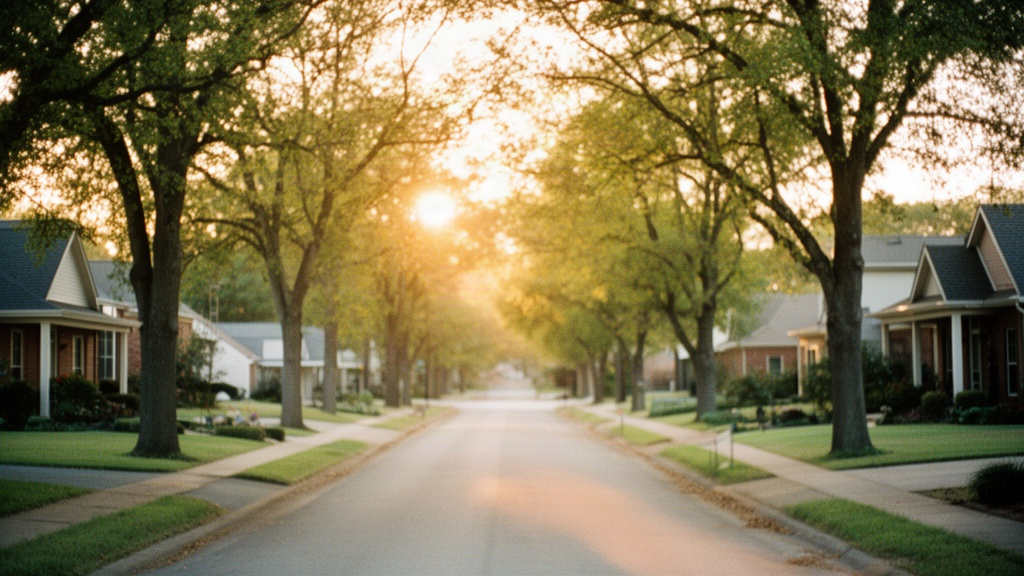
Mature trees are one of the most visible features of the neighborhood. Oaks, maples, and elms planted when the subdivision was built in the 1960s now provide substantial canopy cover, which is noticeable in summer and gives the streets a different character than newer developments where trees are still small.
3. What Homes Cost in Meadowood Right Now
Home prices in Meadowood in September 2026 generally fall between $250,000 and $380,000 for a typical single-family ranch or bi-level. Fully updated homes with renovated kitchens, new mechanicals, and finished lower levels push toward the upper end of that range or slightly above it. Homes needing cosmetic work or with original kitchens and bathrooms tend to come in closer to the $250,000 to $290,000 range.
Current Price Range
Square footage in Meadowood homes typically runs between 1,000 and 1,800 square feet of above-grade living space, with many homes adding another 600 to 1,000 square feet of finished basement area. That puts the price-per-square-foot on the main level in a range that is competitive with other southwest-side Madison neighborhoods built in the same era.
Inventory in Meadowood tends to be limited. The neighborhood does not turn over rapidly, which means when a home does come to market, it often receives multiple offers within the first week. Buyers who are pre-approved and ready to move quickly have an advantage here, as they do across much of Madison's southwest side.
How Meadowood Compares to the Broader Madison Market
Madison's citywide median home price in September 2026 sits in the mid-to-upper $400,000s, which means Meadowood offers a meaningful price point below the city median for buyers who want a single-family home with a yard and garage. For more context on how Madison's overall market is behaving right now, the Madison, Wisconsin Real Estate Market Guide covers citywide trends, price movements, and timing considerations in detail.
Compared to newer west-side neighborhoods like Middleton or the far west side of Madison where new construction starts above $450,000, Meadowood's price range reflects the age of the homes rather than any deficit in location. The southwest side has become more connected to employment centers as Epic Systems and the Fitchburg tech corridor have grown, which has kept demand steady in neighborhoods like Meadowood.
4. Parks, Green Space, and Daily Amenities in Meadowood
Daily life in Meadowood is well-supported by nearby parks and practical retail. The neighborhood was designed with access to green space in mind, and that planning is still evident today.
Parks and Outdoor Space
Meadowood Park sits within the neighborhood and includes a playground, open lawn areas, and a shelter. It is a City of Madison Parks Division property and serves as the primary gathering green for residents. Orchard Ridge Park is adjacent to the neighborhood to the north and adds additional open space, a tennis court, and additional playground equipment.
The Southwest Commuter Path passes near the neighborhood's southern edge and connects to a larger network of Madison's off-street trails. Residents can reach Fitchburg, the Capital City State Trail, and eventually the Military Ridge State Trail by bike without using major roads. For residents who want access to water, Wingra Park and Lake Wingra are about 2 miles northeast, offering a small beach, canoe and kayak rentals, and the Wingra Boat House.
Nearby Retail, Dining, and Services
South Park Street is the main commercial corridor serving Meadowood from the east. It runs from the Beltline north toward the isthmus and carries a mix of grocery options, ethnic restaurants, hardware stores, auto services, and health clinics. The Park Street corridor has a notably diverse restaurant scene, with Vietnamese, Mexican, Hmong, and East African restaurants all within a few minutes of the neighborhood.
Verona Road to the west connects residents to the West Towne Mall area, Costco, Home Depot, and the larger retail concentration around Gammon Road. A full grocery run to Festival Foods or Woodman's on the west side takes under 10 minutes by car. Closer to home, there are smaller grocery and convenience options along South Park Street that handle daily needs without requiring a longer drive.
5. Schools, Community Resources, and What to Research Before You Buy
Meadowood is served by the Madison Metropolitan School District. Prospective buyers with school-age children should research schools directly through the district's website at mmsd.org, which provides attendance boundaries, program information, and enrollment details for each school. For objective school performance data, the Wisconsin Department of Public Instruction publishes report cards at dpi.wi.gov that cover individual schools across the state.
Madison Metropolitan School District Resources
Elementary school assignments in Meadowood fall within the MMSD attendance boundary system, which the district updates periodically. Before purchasing, confirm the current boundary assignment for the specific address you are considering, since boundary lines can shift. The district also offers open enrollment options and several specialty programs at the middle and high school levels that operate district-wide rather than by attendance zone.
Community Organizations and Neighborhood Feel
The Meadowood Neighborhood Association is the primary resident organization for the area and coordinates with the City of Madison on neighborhood planning, parks improvements, and local events. The City of Madison's neighborhood resources page lists contact information and meeting schedules for registered neighborhood associations, and Meadowood's is among the more active ones on the southwest side.
The Meadowood Community Center, operated through the City of Madison, sits within the neighborhood and offers programming for residents of all ages, including fitness classes, youth activities, and senior programming. It is one of the neighborhood's most concrete assets and something that distinguishes Meadowood from many other Madison residential areas of similar vintage that lack a dedicated community facility.
For those interested in the neighborhood's demographic and housing profile, the Orchard Ridge and Meadowood neighborhood profile on NeighborhoodScout includes census-derived data on housing tenure, age of housing stock, and other factual characteristics that can help you understand the area before touring homes.
6. Practical Considerations for Buyers and Sellers in Meadowood
Whether you are buying or selling in Meadowood, the neighborhood's specific characteristics shape what you should expect from the transaction. Understanding those details before you start saves time and prevents surprises.
Practical Considerations for Buyers
Inspection priorities in mid-century homes are different from newer construction. Buyers should pay close attention to the age and condition of the furnace, water heater, electrical panel, and roof. Homes from the 1960s may still have original 100-amp electrical service, which can limit capacity for modern appliances and electric vehicle chargers. Some homes in this vintage also have original plumbing that has been partially updated over the years, so a thorough inspection matters more here than in a 10-year-old home.
Basements in Wisconsin mid-century homes are common and often finished, but they can also show signs of water intrusion from the original drainage systems. Ask about sump pump history and look for any evidence of past moisture during your walkthrough. A well-maintained basement adds real living space; one with unresolved drainage issues requires attention before you move in.
If you are navigating the buying process for the first time or relocating from outside Wisconsin, the guide on buying a home in the Madison, Wisconsin area covers the full process, typical closing costs, and what to expect on the timeline from offer to close.
What Sellers Should Know About the Market
Meadowood sellers benefit from the neighborhood's relative affordability within Madison. Homes priced accurately for their condition and updates tend to attract multiple offers quickly. The key variable is condition: a home with original kitchen and bathrooms will sell, but at a meaningfully lower price than a comparable home that has been updated. Sellers who invest in targeted pre-listing improvements, particularly kitchen refreshes and bathroom updates, often see that investment returned at closing.
Timing also matters. Spring and early summer remain the most active listing periods in Madison, but Meadowood homes have sold well into the fall in recent years because demand from buyers priced out of higher-cost neighborhoods has kept activity going year-round. For a full breakdown of the selling process and what to expect on pricing strategy and timeline, the guide on selling a home in Madison, Wisconsin is worth reading before you list.
FAQ
What is it like to live in the Meadowood neighborhood in Madison, Wisconsin on a day-to-day basis?
Day-to-day life in Meadowood is centered around a quiet, residential rhythm. Streets are curvilinear and lightly trafficked, the mature tree canopy makes summer walks comfortable, and the Meadowood Community Center provides a year-round gathering point for residents. South Park Street is a short drive or bus ride away for groceries, restaurants, and services, and the Southwest Commuter Path gives cyclists a car-free route toward Fitchburg and downtown. The neighborhood does not have walkable retail within its own boundaries, so most errands require a short drive or bike ride to the surrounding corridors.
How much do homes in Meadowood, Madison cost in 2026?
In September 2026, most single-family homes in Meadowood are listed and selling in the $250,000 to $380,000 range, depending on condition, updates, and lot size. Fully renovated homes with new kitchens, updated baths, and finished basements push toward the upper end of that range, while homes with original finishes from the 1960s come in closer to $250,000 to $290,000. This price range is meaningfully below Madison's citywide median, which makes Meadowood one of the more accessible entry points for buyers seeking a single-family home with a yard and garage within city limits. Inventory is typically limited, so well-priced homes move quickly.
What should I know about Meadowood homes before making an offer?
Most Meadowood homes were built between the late 1950s and early 1970s, so buyers should prioritize a thorough home inspection that covers the electrical panel, plumbing, furnace, water heater, and roof. Original 100-amp electrical service is common in this era and may need upgrading. Basements are widespread and often finished, but drainage and sump pump history are worth investigating. The good news is that mid-century Wisconsin construction used durable materials, including concrete block foundations and hardwood floors, that hold up well when properly maintained. Working with an agent who knows the southwest side of Madison well helps you interpret inspection findings in the context of what is typical versus what is a genuine concern.