← Back to Blog
Market Trends
New Housing Developments and Construction Projects in Madison, Wisconsin in 2026
By Edgar Montes-Lopez
September 3, 2026 · 11 min read
Madison, Wisconsin is in the middle of one of its most active construction cycles in recent memory, and if you are buying, selling, or relocating here in 2026, the new housing developments taking shape across the city will directly affect your options and your budget. From large mixed-use towers near the Capitol Square to infill projects on the Near East Side, the pipeline of new construction is reshaping what is available and where. This guide breaks down what is being built, where it is going up, what it means for prices, and how to use that information as a buyer or seller right now.
1. Why New Construction Activity Matters for Madison Buyers and Sellers in 2026
New construction directly shapes your choices. When more units come to market, buyers gain leverage. When construction stalls, inventory stays tight and prices hold firm. Understanding what is being built in Madison right now gives you a clearer picture of where the market is heading over the next twelve to twenty-four months.
How New Supply Affects the Madison Market
Madison has carried a persistent housing shortage for several years, driven by population growth from the University of Wisconsin, a steady influx of tech and healthcare employment, and geographic constraints created by the lakes. Isthmus development is physically limited, which pushes new construction outward toward the North, South, and West sides, and upward in the form of taller mixed-use buildings downtown. In 2026, the city is processing a larger volume of development proposals than it has in at least a decade, according to reporting from local outlets tracking the pipeline.
For buyers, more construction means more choices and, in some submarkets, more negotiating room. For sellers, it means understanding which neighborhoods are absorbing new competition and pricing accordingly. If you want a broader look at how supply and demand are playing out across Madison right now, the Madison, Wisconsin Real Estate Market Guide covers current pricing trends and timing in detail.
What the State of Wisconsin Is Doing to Help
State-level funding is accelerating the pace of new housing in Madison. Wisconsin announced a $50 million commitment toward new housing developments statewide, with a meaningful portion directed at high-demand urban markets like Madison. That funding is flowing into both affordable workforce housing and mixed-income projects, helping developers close financing gaps that have historically slowed construction timelines. You can read more about the program at IBMadison's coverage of the announcement.
The practical effect of that funding is that projects that might have sat in the planning queue for two or three years are now moving faster. Developers who had stalled on affordable components of larger mixed-use buildings are finding it easier to make the numbers work. That means more units coming to market in 2026 and into 2027 than the city has seen in a single cycle before.
2. Major Housing Developments and Construction Projects Happening in Madison in 2026
The new housing developments and construction projects happening in Madison, Wisconsin in 2026 are spread across multiple corridors, not concentrated in a single area. Here is a breakdown by geography so you can focus on what is relevant to where you want to buy or sell.
Downtown and Near-Capitol Projects
The blocks surrounding the Capitol Square and State Street corridor continue to attract the largest and most complex proposals. Several mixed-use towers in the eight to fifteen story range are either under construction or in active permit review as of September 2026. These buildings typically combine ground-floor retail with rental apartments above, and a smaller number include for-sale condominium units on upper floors.
The 100 block of East Washington Avenue has seen particular activity, with at least two significant residential towers moving through the city's approval process. East Washington is a designated transit corridor, which makes it a priority for density under Madison's comprehensive plan. Projects along this stretch are within walking distance of the Capitol, the Overture Center, and the Monona Terrace, and commute times to the University of Wisconsin campus run roughly fifteen minutes on foot or five by bus.
Madison.com has compiled a detailed look at ten housing developments set to change Madison in 2026, including several downtown projects that were still in the proposal phase at the start of the year and have since moved into construction.
Near East Side and Williamson Corridor
The Near East Side, which runs from the Capitol out toward Atwood Avenue and the Yahara River, is seeing a wave of infill construction on underutilized lots and redeveloped commercial parcels. Projects here tend to be smaller in scale than the downtown towers, typically three to six stories, and they often include a mix of market-rate and income-restricted units.
The Williamson Street corridor, commonly called Willy Street, has several infill projects approved or under construction in 2026. These are mostly mid-density residential buildings with some ground-floor commercial space. The area sits about two miles from the Capitol and has direct bus access to downtown and the university. If you want a deeper look at the existing housing stock in this corridor, the Willy Street Area Real Estate Market Guide covers pricing and what is currently available there.
South and Southwest Madison
South Madison and the Park Street corridor are receiving targeted investment through both private development and city-supported affordable housing programs. Several projects along Park Street between the Beltline and downtown are in various stages of construction in 2026, adding hundreds of units to a corridor that has historically had limited new housing stock.
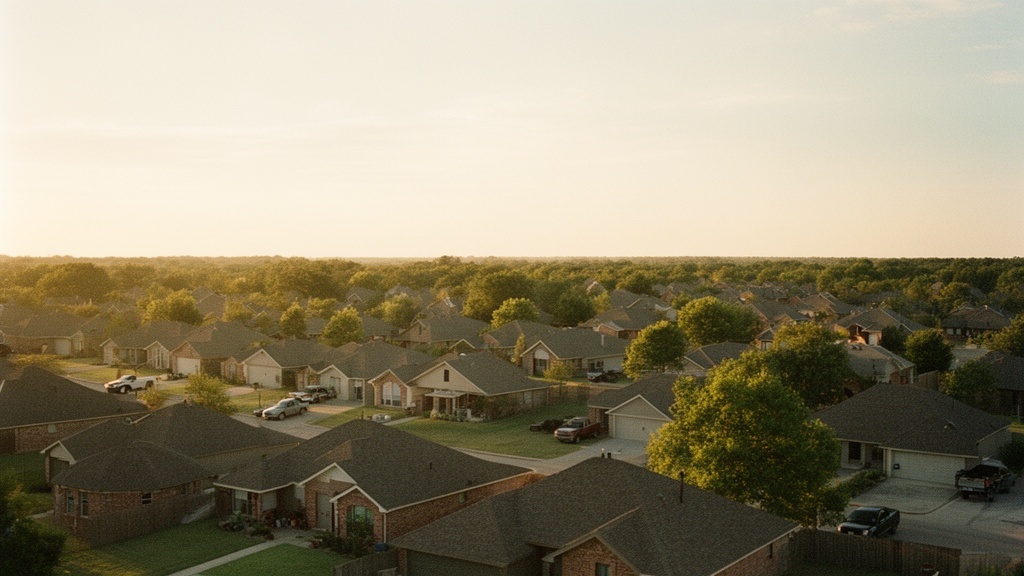
Southwest Madison, particularly the areas around Mineral Point Road and the Odana Road corridor, is seeing new single-family subdivisions and townhome communities. These projects are generally located within five to ten miles of the Capitol and offer relatively larger lots compared to infill construction closer to the Isthmus. Drive times to major employment centers like Epic Systems in Verona run roughly fifteen to twenty minutes from this part of the city.
North and Northwest Madison
The North and Northwest sides of Madison are absorbing a significant share of new construction in 2026, particularly along the Highway 30 and Sherman Avenue corridors and in the areas north of Highway 113. Several large apartment complexes and townhome developments are under construction in these areas, adding supply to a part of the city that has seen strong demand from buyers and renters priced out of the Isthmus.
The Token Creek and Northport Drive areas have active development proposals that include both market-rate apartments and affordable units supported by the state's new housing funding. These locations are roughly four to seven miles from the Capitol, with commute times of fifteen to twenty-five minutes by car depending on traffic and time of day.
3. What Types of Housing Are Being Built and at What Price Points
Not all new construction in Madison is the same product. The type of unit being built, and its price point, varies considerably depending on location, financing structure, and the developer's target market. Here is a breakdown of what is in the pipeline right now.
Apartments and Mixed-Use Buildings
The largest share of new construction in Madison in 2026 is rental apartments, particularly in the downtown core and along transit corridors. Monthly rents in newly constructed buildings downtown are running from roughly $1,600 for a studio to $3,200 or more for a two-bedroom unit with parking, though rents vary by floor, view, and amenity package. Income-restricted units in the same buildings, where they exist, are priced based on area median income thresholds set by HUD.
Mixed-use buildings along East Washington and Park Street are designed to activate street-level retail while adding residential density above. These buildings are generally five to twelve stories and take two to three years from groundbreaking to occupancy, so projects that broke ground in 2024 and 2025 are beginning to deliver units in 2026.
For-Sale Condos and Townhomes
For-sale new construction is a smaller slice of the pipeline but it is growing. Several condominium projects in the downtown area and on the Near East Side are in pre-sale or active construction phases in 2026. Prices for new downtown condos are generally starting in the mid $400,000s for a one-bedroom unit and running above $700,000 for larger two-bedroom and penthouse configurations. Townhome communities on the West and Southwest sides are coming to market in the $380,000 to $550,000 range depending on square footage and lot size.
Buyers considering new condos should pay close attention to HOA structures, reserve fund disclosures, and any developer warranties. New construction contracts are written by the builder's attorney and are not the same as a standard Wisconsin residential offer to purchase. Having an experienced buyer's agent review those documents before you sign is important.
Single-Family and Cottage Court Developments
Single-family new construction in Madison proper is limited by available land, but it is happening in the outer neighborhoods and in some infill situations where older structures have been demolished. Cottage court developments, which cluster smaller detached homes around a shared courtyard or green space, are appearing in several neighborhoods as a way to add density while keeping a residential character. These homes typically range from 1,100 to 1,800 square feet and are priced from the low $400,000s to the mid $500,000s.
Buyers who want a newly built single-family home with a larger lot often look just outside the Madison city limits to communities like Fitchburg, Sun Prairie, DeForest, and Middleton, where active subdivisions are delivering homes in the $450,000 to $650,000 range with more square footage and yard space than comparable in-city options.
4. How to Track Active Development Proposals in Madison
The city publishes a live database of every active development proposal, and it is one of the most useful tools available to buyers and sellers who want to understand what is coming to a specific area.
The City of Madison Planning Portal
The City of Madison's Department of Planning and Community and Economic Development maintains a public database of all current development proposals. You can search by address, neighborhood, or project type and see exactly what has been submitted, what has been approved, and what is still under review. The City of Madison current development proposals page is updated regularly and is the most authoritative source for understanding what is actually moving through the pipeline.
If you are buying in a specific neighborhood and want to know whether a large apartment complex is planned for the lot next door, this is the place to check. It lists project addresses, applicant names, project descriptions, and hearing dates, so you can follow a proposal from submission through final approval.
Staying Current as Projects Move Through Approval
Development proposals in Madison go through multiple review stages before construction can begin. A project might be approved by the Urban Design Commission, then reviewed by the Plan Commission, and finally voted on by the Common Council. That process can take anywhere from three months to over a year depending on the project's complexity and whether it requires a zoning variance or rezoning.
For buyers, this means a project you see in the planning portal today may not break ground for another twelve to eighteen months. For sellers, it means understanding the difference between an approved project and one that is still speculative. Edgar Montes-Lopez monitors active development activity across Madison regularly and can help you interpret what a nearby proposal means for a specific property you are considering.
5. What New Construction Means If You Are Buying or Selling Right Now
The wave of new housing developments and construction projects in Madison in 2026 creates real, practical implications for anyone in the market right now. Here is how to think about it depending on which side of the transaction you are on.
Buying New Construction Versus Existing Homes
New construction offers modern layouts, energy-efficient systems, and builder warranties, but it also comes with longer timelines, less room for negotiation on price, and the risk of delays. Existing homes in Madison often come with established landscaping, larger lots, and locations that are closer to the Isthmus or established commercial corridors where new land is simply not available.
In September 2026, the median sale price for existing single-family homes in the Madison metro area is running in the low to mid $400,000s, while comparable new construction single-family homes are typically priced ten to fifteen percent higher. That premium reflects the cost of new materials, labor, and current building code requirements. Whether that premium is worth it depends on your priorities, your timeline, and which neighborhoods are on your list.
For a full walkthrough of the buying process in Madison, including what to expect at each stage and what costs to budget for, the Buying a Home in the Madison, Wisconsin Area guide is a useful starting point.
How New Inventory Affects Sellers
New construction adds competition for sellers, particularly in price ranges and neighborhoods where new units are delivering. If you are selling a condo or townhome downtown and a new building nearby is offering comparable units with modern finishes and builder incentives, your pricing strategy needs to account for that. Buyers who are comparing your resale unit to a new construction option will weigh condition, location, and price carefully.
On the other hand, sellers of single-family homes in established neighborhoods where new construction is limited are in a stronger position. Land scarcity on the Isthmus and in popular Near East and Near West neighborhoods means buyers who want those locations have fewer new-construction alternatives. Pricing, condition, and timing still matter, but the competitive dynamic is different than it is in areas with active new supply.
If you are thinking about listing your home and want to understand how new construction in your area might affect your sale price and timeline, the Selling a Home in Madison, Wisconsin guide covers pricing strategy and what to expect from start to finish.
FAQ
Where are the most active new housing construction projects in Madison, Wisconsin in 2026?
In September 2026, the most active construction corridors in Madison are the East Washington Avenue corridor downtown, the Park Street corridor on the South Side, the Near East Side around Williamson Street, and the Northwest Side along Sherman Avenue and Highway 30. Several large mixed-use buildings are under construction or in final permit review downtown, while infill residential projects are moving forward on the Near East Side. Suburban areas just outside the city, including Fitchburg, Sun Prairie, and Middleton, are also seeing active single-family subdivision construction. The City of Madison's planning portal is the best place to look up specific projects by address or neighborhood.
Are there affordable housing units included in Madison's new construction projects in 2026?
Yes. A significant share of the new construction pipeline in Madison in 2026 includes income-restricted affordable units, supported in part by Wisconsin's $50 million housing development fund announced earlier this year. Many larger mixed-use projects along transit corridors are required to include a percentage of affordable units as a condition of city approval or tax-increment financing support. Income-restricted units are priced based on area median income thresholds set by HUD, and eligibility requirements vary by project. Prospective renters interested in income-restricted units should contact individual projects directly or check with the City of Madison's Community Development Division for current availability.
Should I buy new construction or an existing home in Madison right now?
The right choice depends on your priorities, budget, and timeline. New construction in Madison in 2026 typically carries a ten to fifteen percent price premium over comparable existing homes, but it comes with modern finishes, energy-efficient systems, and builder warranties. Existing homes often offer larger lots, established locations closer to the Isthmus, and faster closing timelines since you are not waiting for construction to complete. In neighborhoods where new construction is actively delivering, buyers have more options and some negotiating room. In established neighborhoods with limited new supply, existing homes remain competitive and sellers hold more pricing power. Edgar Montes-Lopez can help you compare specific properties side by side and evaluate which path makes more sense for your situation.