

← Back to Blog
Market Trends
Port Angeles, Washington Real Estate Market Guide: Prices, Neighborhoods and Timing
By Elijah Smith
Windermere Port Angeles · DRE# 711 E Front St, Port Angeles, WA 98362
September 4, 2026 · 9 min read
This Port Angeles, Washington real estate market guide covers everything buyers, sellers, and relocating households need to make confident decisions: current prices, what each part of the city actually looks like on the ground, and how to read the seasonal rhythms of this Olympic Peninsula market. Whether you are comparing neighborhoods near the waterfront or trying to figure out the right month to list, the details here are specific to Port Angeles, not recycled from a generic national template.
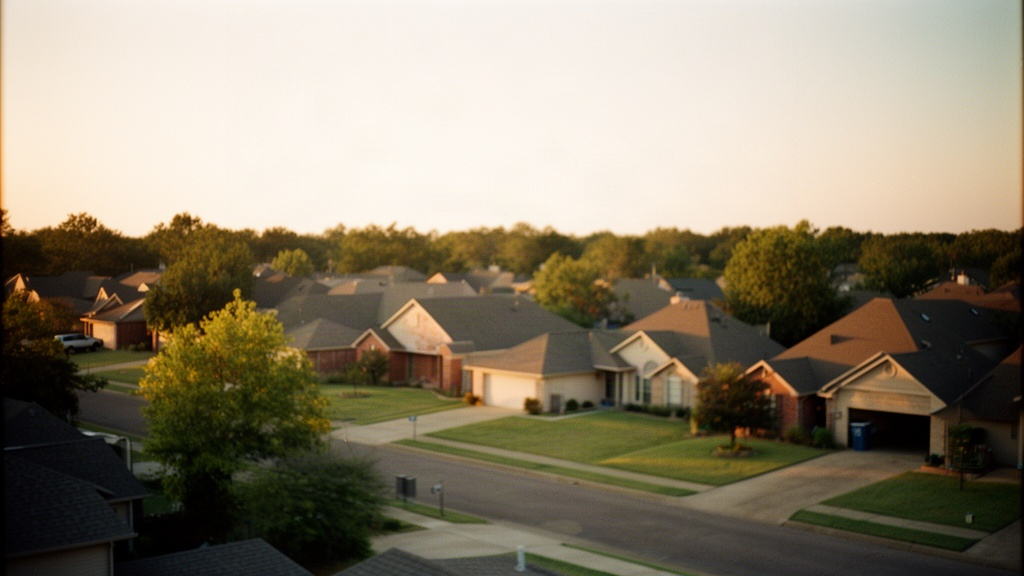
1. What the Port Angeles Market Looks Like Right Now
The Port Angeles housing market in September 2026 sits in a moderate-inventory environment with prices that have held firm through the year. The city is not experiencing the frenzied bidding wars that defined 2021 and 2022, but it is also not a buyer's market in any traditional sense. Well-priced homes in good condition still move within two to four weeks.
Current Price Ranges
As of September 2026, the median home price in Port Angeles sits in the low-to-mid $400,000s, though the range runs wide depending on location and condition. Entry-level single-family homes, typically older ramblers or smaller craftsman-style houses on the west side, start around $290,000 to $330,000. Mid-range homes with updated kitchens, larger lots, or views of the Strait of Juan de Fuca or the Olympic Mountains tend to land between $420,000 and $580,000. Properties with direct water views, acreage, or significant recent renovation push past $650,000 and can reach well above $800,000.
For current tracked data, Redfin's Port Angeles housing market page updates regularly with median sale price, days on market, and sale-to-list ratios, which gives a useful real-time snapshot alongside what you see in active listings.
Inventory and Competition
Port Angeles typically carries between 80 and 140 active residential listings at any given time, which is modest for a city of roughly 20,000 people. That number has risen slightly compared to 2025, giving buyers a bit more breathing room than they had during the post-pandemic rush. Even so, move-in-ready homes under $400,000 attract multiple offers quickly, while homes needing cosmetic or structural work tend to sit longer and leave room for negotiation.
Condominiums and townhomes are a smaller slice of the Port Angeles market than in larger cities. The city's housing stock leans heavily toward detached single-family homes, many built between the 1940s and 1980s, with a growing number of newer construction properties on the east side and in the foothills above town. Buyers relocating from Seattle or the Eastside sometimes underestimate how different the product mix is here.
2. A Neighborhood-by-Neighborhood Look at Port Angeles
Port Angeles divides naturally into distinct areas, each with its own housing character, price band, and relationship to the water, the mountains, and downtown. Understanding these differences matters because a home listed at $420,000 on the west side looks and feels very different from one at the same price on the east foothills, even if the square footage is similar. For a more detailed breakdown of each area, the Port Angeles neighborhoods guide on this site goes deeper on each pocket of the city.
West Side and the Waterfront Corridor
The west side of Port Angeles stretches from downtown toward Ediz Hook, the long natural sand spit that curves into the Strait of Juan de Fuca. Housing here includes a mix of older craftsman bungalows, mid-century ramblers, and a handful of newer infill builds. Lots tend to be smaller and streets are flatter, which makes this area walkable to downtown shops, the Port Angeles Waterfront Center, and the ferry terminal where the Coho ferry departs for Victoria, British Columbia. Prices on the west side generally run from the high $200,000s to the mid $400,000s, with waterfront-adjacent properties commanding a premium.
East Side and the Foothills
The east side of Port Angeles, including areas that rise toward the foothills below the Olympic Mountains, holds a larger share of newer construction. Homes here were often built from the 1990s onward, with more square footage, attached garages, and larger lots than the west side. Some streets in the upper foothills offer unobstructed views across the Strait toward Vancouver Island, and those view properties tend to price accordingly, often in the $500,000 to $750,000 range. The east side also sits closer to the highway corridor leading toward Sequim, roughly 15 miles east, which matters for buyers who work in that direction.
Central Port Angeles and Downtown Adjacent
The blocks immediately north and south of First Street, Port Angeles's main commercial corridor, include a mix of older Victorian-era homes, converted duplexes, and small multi-unit buildings. Buyers who want to walk to the Farmers Market, the Hollywood Beach area, or the Olympic Medical Center campus often focus here. Prices are variable because the housing stock ranges widely in condition, from original unrenovated homes to fully updated properties. Budget-conscious buyers sometimes find the best value per square foot in this central zone, though they need to factor in potential renovation costs and older infrastructure.
3. What Drives Prices in Port Angeles
Port Angeles prices are shaped by forces that do not apply in most Washington State markets. Understanding those forces helps buyers and sellers make sense of why values move the way they do, and why comparing Port Angeles directly to Tacoma or Bellingham produces misleading conclusions.
Olympic Peninsula Geography and Land Constraints
Port Angeles sits on a narrow coastal bench between the Strait of Juan de Fuca to the north and the Olympic Mountains to the south. That geography limits how far the city can physically expand. Olympic National Park begins essentially at the city's southern edge, and the water stops northward growth. This constraint on buildable land puts a floor under prices over time, because supply cannot grow freely the way it can in a flat inland city. New construction is happening, but it is concentrated in a few pockets rather than sprawling outward.
The Ferry Connection to Victoria
The Black Ball Ferry Line's Coho ferry connects Port Angeles to Victoria, British Columbia in roughly 90 minutes, and that connection has a measurable effect on the local real estate market. It draws Canadian buyers and investors who see Port Angeles as an accessible U.S. base, and it makes the city a practical hub for anyone whose work or lifestyle involves regular travel between the two countries. The ferry terminal is walkable from downtown, which adds value to properties in the western and central parts of the city.
Olympic National Park Proximity
The Hurricane Ridge Road entrance to Olympic National Park is about 17 miles from downtown Port Angeles, a drive of roughly 30 to 40 minutes depending on season and road conditions. Hurricane Ridge itself sits at 5,242 feet and offers skiing in winter and hiking in summer, making Port Angeles a year-round base for outdoor recreation. That access draws buyers from across the Pacific Northwest who want proximity to the park without living inside a tourist town. The Lake Crescent area, about 20 miles west on Highway 101, adds to that draw.
For longer-term appreciation context, NeighborhoodScout's Port Angeles real estate appreciation data tracks historical price growth in the city and breaks it down by neighborhood, which is useful for buyers weighing long-term value alongside current conditions.
4. Timing the Port Angeles Market: When to Buy and When to Sell
Port Angeles has a seasonal rhythm that is more pronounced than in urban markets, and buyers and sellers who understand it can use it to their advantage. The Olympic Peninsula's weather and the tourism cycle both shape when homes come to market and when buyers are most active.
The Spring and Summer Window
Inventory peaks between April and August, and buyer activity peaks alongside it. Sellers who list in late April or May catch the largest pool of active buyers, including people relocating from the Puget Sound region who want to be settled before the following school year. Homes with views, outdoor space, or proximity to the waterfront photograph best in summer light, and those properties tend to attract their strongest offers during the June-to-August window. Competition among buyers is highest during this stretch, so buyers should expect to move quickly and come prepared with financing already in place.
The summer tourist season also brings lookers who are visiting the area for vacation and decide they want to move here permanently. Those buyers often return in the fall to purchase, which extends the active season slightly past Labor Day. September, the current month, still sees meaningful buyer activity before the market quiets in October.
Fall and Winter Opportunities for Buyers
From October through February, the Port Angeles market slows considerably. Fewer homes come to market, but the ones that do are often listed by motivated sellers, whether due to a job change, estate situation, or a property that did not sell during the summer. Buyers who shop in this window face less competition and often negotiate better terms, including price reductions, seller-paid closing costs, or longer inspection periods. The tradeoff is a thinner selection of available homes.
One practical note for buyers considering the fall window: Port Angeles receives significant rainfall from October onward, and inspecting a home during the wet season reveals a lot about drainage, roof condition, and basement moisture that a summer visit might not. That is actually useful information, not a reason to avoid buying in fall.
5. What Buyers and Sellers Need to Know Before Acting
The Port Angeles market has specific due-diligence considerations that differ from buying or selling in a standard suburban market. Knowing these ahead of time prevents surprises that can derail a transaction.
Due Diligence Specific to Port Angeles
Septic systems are common in Port Angeles and Clallam County, particularly on properties outside the city's central sewer service area. Buyers should confirm whether a property is on city sewer or a private septic system, and if septic, budget for an inspection by a licensed inspector. Septic replacement or repair can run from $15,000 to $40,000 or more depending on soil conditions and system type, so this is not a detail to skip.
Well water is also present on rural and semi-rural parcels at the edges of Port Angeles. A water quality test and a flow rate test are standard practice in Clallam County transactions. Buyers purchasing acreage properties should also verify legal access, easements, and any timber or mineral rights that may be separate from the surface ownership. Title insurance is essential here, as it is anywhere, but Clallam County's rural land history makes a thorough title search especially important.
Flood zone status matters near the waterfront and along Peabody Creek and other drainages that run through the city. FEMA flood map designations affect insurance costs and sometimes lender requirements. Buyers should check the property's flood zone designation early in the process, not after an offer is accepted.
Seller Positioning in This Market
Sellers in Port Angeles right now are working in a market where buyers have slightly more options than they did two years ago, which means pricing strategy matters more than it did during the peak frenzy. Homes priced at or just below recent comparable sales tend to attract multiple showings in the first week. Homes priced above comparable sales, even by $20,000 to $30,000, often sit for 30 to 60 days before a price reduction brings buyers back. That initial period of sitting on the market carries a stigma that makes subsequent negotiations harder.
Presentation still moves the needle in this market. Professional photography, a clean and decluttered interior, and attention to curb appeal translate directly into more showings and stronger offers. Port Angeles buyers often include people relocating from larger cities who are browsing listings online before they ever visit in person, so the first impression is almost always digital.
FAQ
Is Port Angeles, Washington a buyer's market or a seller's market in September 2026?
Port Angeles sits in a balanced-to-slight-seller's-market condition as of September 2026. Inventory has risen modestly compared to 2025, giving buyers more choices than during the post-pandemic peak, but well-priced homes in good condition still attract multiple offers and sell within two to four weeks. Homes needing work or priced above recent comparables tend to sit longer and leave room for negotiation. The market is not uniformly competitive: the entry-level segment under $380,000 moves faster than the upper price tiers.
How do Port Angeles home prices compare to the rest of Clallam County?
Port Angeles is the county seat and the largest city in Clallam County, and its prices generally run higher than rural areas of the county but lower than the Sequim market, which has seen significant demand from retirees and remote workers over the past several years. Sequim, about 15 miles east, has pushed its median price close to or above Port Angeles in some recent periods. Properties in unincorporated Clallam County outside both cities can be considerably less expensive, though buyers trade proximity to services and infrastructure for that lower price point.
What should out-of-state buyers know before purchasing in Port Angeles?
Out-of-state buyers should understand that Port Angeles operates on a different timeline and pace than urban markets. The Olympic Peninsula has limited contractor availability, so renovation projects take longer and cost more to schedule than in Seattle or Portland. Internet connectivity varies by neighborhood and property, and buyers who work remotely should verify actual service options at a specific address before committing. Washington State has no income tax, which affects the overall cost-of-living calculation positively for buyers coming from California, Oregon, or other income-tax states. Working with a local agent who knows Clallam County's specific transaction norms, from well and septic inspections to title history on rural parcels, is genuinely important rather than just a formality.