← Blog'a Dön
Mahalleler
Seminole Heights Tampa'da günlük yaşam gerçekte nasıl?
Yazan Megandssdds Frost, e
Sotheby's International Reality · DRE# errdsds
3 Eylül 2026 · 11 dk okuma süresi
Seminole Heights Tampa'da günlük yaşam gerçekte nasıl? Bu rehber mahalleyi olduğu gibi anlatır: sabah alışkanlıkları, konut türleri, ulaşım, sık uğrayacağınız kafeler ve Eylül 2026'daki piyasa durumu.
1. Seminole Heights'ın fiziksel düzeni ve bunun günlük yaşama etkileri
Seminole Heights, Tampa merkezinin yaklaşık üç mil kuzeyinde, North Florida Avenue'ın her iki yakasına yayılır.Mahalle genellikle güneyde Old Seminole Heights, kuzeyde Greater Seminole Heights ve nehre daha yakın olan Southeast Seminole Heights olarak ayrılır. Her bölgenin kendine ait bir ruhu var, ama hepsi ağaçlı caddeler, orta büyüklükte arsalar ve Florida Avenue boyunca hareketli bir ticaret koridoru paylaşıyor.
Mahalle nasıl düzenlenmiş
Hillsborough Nehri, mahallenin büyük bir bölümünün doğu sınırını oluşturur ve bu konum günlük yaşam tarzı üzerinde somut etkiler yaratır.Southeast Seminole Heights sakinleri nehre on dakikadan kısa bir yürüyüş mesafesindeyken, Greater Seminole Heights —Hillsborough Avenue'ın kuzeyinde— suya biraz daha uzaktır ama Nebraska Avenue'daki ticari hayata daha yakındır. North Florida Avenue kuzey–güney omurgasıdır; bölgeyi tanımlayan restoranların, barların ve küçük dükkanların çoğu Hillsborough Avenue ile Sligh Avenue arasındadır.
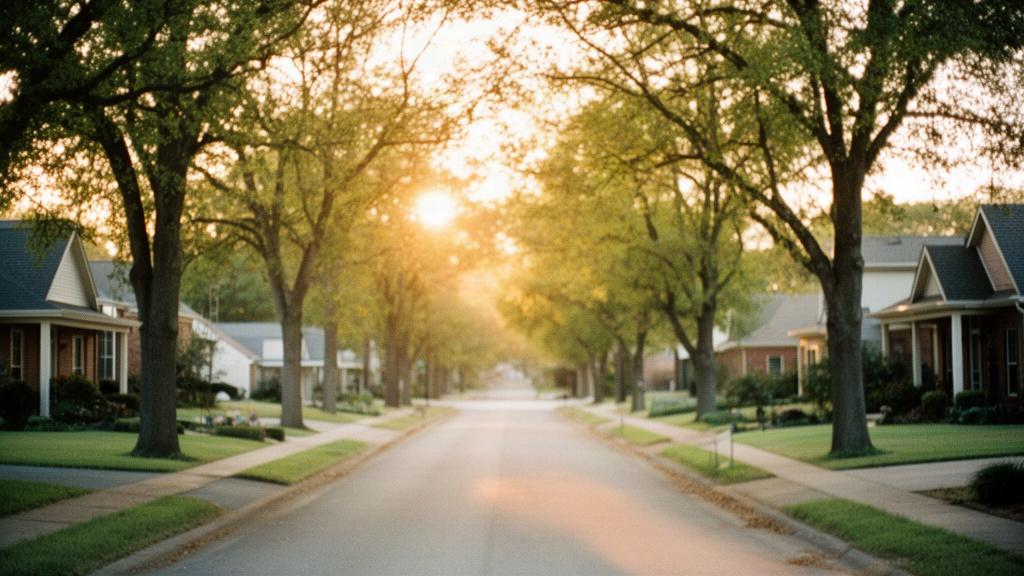
Yerleşim caddeleri genellikle sakin ve çoğunlukla konut amaçlıdır; Old Seminole Heights'ta genellikle kaldırım bulursunuz, daha kuzeye doğru yaya altyapısı daha az tutarlıdır.Arsalar genellikle yaklaşık 50 x 125 feet ölçülerindedir, nehre yakın yerlerde ise iki kat daha büyük olabilirler. Evlerin çoğu yükseltilmiş temeller üzerinde inşa edilmiştir —Tampa'daki yağışlar göz önünde bulundurulduğunda pratik bir tercih— ve sokakları örten büyük meşe ağaçları mahallenin ayırt edici özelliklerinden biridir.
Yürüyerek, bisikletle ve arabayla ulaşım
Seminole Heights, Tampa'daki birçok mahalleye göre daha yaya dostudur, ama genellikle yine de araba sahibi olmak faydalıdır.Old Seminole Heights'ın çoğu noktasından Florida Avenue'ya yürüyerek akşam yemeği, kahve ya da bir içki için ulaşmak kolaydır. Sakin konut caddeleri bisiklet için uygundur ve bazı sakinler Hillsborough River Greenway'i hem rekreasyon hem de merkeze ulaşım için kullanır. Büyük alışverişler —örneğin haftalık market— genellikle araba gerektirir. Konut bölgelerinde sokakta park etmek genelde kolaydır ve Florida Avenue üzerindeki ticari kesimler sık sık açık otopark sunar.
2. Konut tipleri, mimari ve güncel fiyatlar
Seminole Heights, 1940 öncesi çok sayıda orijinal mimari detaya sahip evlerin bulunduğu Tampa'daki az sayıda yerden biridir.Bu durum, 1980 sonrası inşa edilen beton blok yapılardan oluşan kentsel alanda belirgin bir kontrast yaratır. Mahallenin karakteri doğrudan bu binalardan kaynaklanır.
Bungalow'lar, Craftsman evler ve bazı orta yüzyıl örnekleri
En yaygın konut tipi, ağırlıklı olarak 1910–1945 arası inşa edilmiş Florida tarzı bungalow'lardır.Genelde tek kat veya bir buçuk katlı, ön verandalı, ahşap kaplamalı ve daha eski örneklerde orijinal bölmeli pencere ve kapılara sahip evlerdir. Craftsman tarzı evler Old Seminole Heights'ta yaygındır; açık kirişler ve konik veranda sütunları görürsünüz. Ayrıca şirin Tudor Revival kulübeler, bazı İspanyol Mission vurguları ve Greater Seminole Heights'ta, II. Dünya Savaşı sonrası büyüyen bölgede orta yüzyıl beton yapılar da göze çarpar. Yeni inşaat nadiren görülür; mahallenin tarihî dokusu büyük ölçüde korunmuştur.
Çoğu ev 900 ile 1,800 feet² arasında olup, çift arsa veya sonradan yapılan büyütmelerle daha büyük alanlara sahip olabilir.Eski evlerin çoğunda garaj eksikliği sık görülür; kulübeler ve sokak parkı yaygındır. Birçok konutta mutfak ve banyolar yenilenmişken, zeminler ve ahşap işçiliği orijinal kalır —alıcıların bu piyasada değer verdiği bir kombinasyon. Seminole Heights'i Tampa'nın diğer semtleriyle kıyaslamak için, Living in Tampa Real Estate'deki Seminole Heights mahalle rehberi altbölgeler ve farkları hakkında faydalı bir bağlam sunar.
Fiyat aralıkları Eylül 2026
Eylül 2026 itibarıyla, tadilat gerektiren giriş seviyesi bungalow'lar Seminole Heights'ta düşük–orta aralıkta yaklaşık $300,000 civarında satılıyor.Mutfak ve banyosu güncellenmiş, taşınmaya hazır evler genellikle büyüklük, arsa ve alt bölgeye göre $380,000 ile $480,000 arasında fiyatlanıyor. Büyük arsalı veya nehre yakın, tamamen yenilenmiş konutlar $550,000'ı aşabiliyor. Bölgede metrekare başına fiyat genelde $230 ile $310 arasında değişiyor; en yüksek değerler Old Seminole Heights, ticaret koridoruna ve nehre daha yakın olan bölgelerde yoğunlaşıyor.
Bu rakamlar, teklif savaşlarının birçok evi istenen fiyatın çok üzerine taşıdığı 2022 ve 2023'teki zirvelere göre bir soğuma olduğunu gösteriyor.Eylül 2026'da piyasada alıcılara daha fazla pazarlık payı ve daha uzun inceleme süreleri sağlanıyor; yine de iyi fiyatlanmış ve iyi durumda olan evler yayımlandıktan sonra genelde iki–üç hafta içinde satılıyor.
3. Seminole Heights'ta günlük rutininiz: kahve, pazar ve alışveriş
Seminole Heights Tampa'da günlük yaşam büyük ölçüde Florida Avenue koridoru tarafından şekillendiriliyor; burası mahallenin ana caddesi gibi çalışır.Parlak zincirlerle dolu cilalı bir bulvar değildir. Son on beş yılda organik olarak gelişen bağımsız restoranlar, mikro bira fabrikaları, kafeler ve küçük işletmelerin karışımıdır.
Sakinlerin nerede yiyip içtiği
North Florida Avenue'daki Ichicoro Ramen mahalle için bir kurum niteliğindedir; hafta sonları kapıda genellikle kuyruk olur.Ella's Americana Folk Art Cafe yıllardır semtin brunch noktası oldu, eklektik dekoru ve yoğun hafta sonlarıyla bilinir. Kahve için North Florida Avenue'daki Independent Bar and Cafe günlük olarak müdavimleri çeker; Buddy Brew Coffee de Seminole Heights sakinlerinin günlük kahve ihtiyacında sık tercih edilen bir yerdir. Mahallede Florida Avenue üzerinde veya yakınında yürüyüş mesafesinde üç mikro bira fabrikası var: Coppertail Brewing, Brew Bus Brewing ve Hidden Springs Ale Works; bu da gece hayatını zincir barlardan ziyade yerel biralara odaklandırıyor.
Gastronomi sahnesi bağımsız işletmeleri destekliyor; bu yüzden açılış ve kapanışlarla birlikte zaman içinde seçenekler değişiyor.Eylül 2026 itibarıyla restoran koridoru hâlâ canlı; yeni açılan mekanlar boş dükkânları nispeten hızlı dolduruyor. Zincirler yerine bağımsız restoranları tercih edenler, Florida Avenue boyunca uzanan hattın günlük alışkanlıklarına uyduğunu görecekler.
Marketler ve yiyecek tedariki gerçeği
Seminole Heights’ın çoğu konumundan yürüyerek erişilebilen tam hizmet süpermarket bulunmuyor.En yakın seçenekler kuzeye doğru Hillsborough Avenue üzerindeki bir Publix ve Nebraska Avenue’daki bir diğer Publix; her ikisi de yaklaşık beş ila on dakika araba mesafesinde. Fowler Avenue’daki bir Winn-Dixie mahallenin kuzey ucuna hizmet veriyor. Özel ürünler için yakınlardaki Tampa Heights’ta bulunan Rollin' Oats Natural Market organik ve özel ürünler sunuyor; Ybor City’deki Cumartesi çiftçi pazarı ise güneye doğru yaklaşık on beş dakikalık sürüş mesafesinde.
Hırdavatçılar, eczaneler ve büyük mağazalar kısa bir araba yolculuğu gerektiriyor.Hillsborough Avenue’daki bir Home Depot Old Seminole Heights’ın merkezinden yaklaşık iki mil uzaklıkta. Ana arterler boyunca CVS ve Walgreens şubeleri var. Pratikte Seminole Heights sosyal ve yeme içme hayatınızı yürüyerek karşılıyor, ancak haftalık market alışverişleri genellikle arabayla yapılıyor.
4. Cómo salir de Seminole Heights
Seminole Heights’tan ulaşım süreleri, mahallenin Tampa’daki diğer bölgelere göre sunduğu pratik avantajlardan biri.Şehrin hemen kuzeyinde yer alması, pek çok sakinin işe giderken otoyola ihtiyaç duymamasını sağlıyor.
Downtown Tampa y Channelside
Old Seminole Heights’tan Tampa merkezine normal trafik dışında arabayla yaklaşık on ila onbeş dakika sürüyor.Hafta içi sabah yoğunluğunda bu süre yerel yollarda yirmi ya da yirmi beş dakikaya çıkabiliyor; I-275’e girip kavşaklardaki sıkışıklığa yakalanırsanız biraz daha uzayabilir. Merkeze giden pek çok çalışan Florida Avenue veya Nebraska Avenue üzerinden gitmeyi tercih edip otoyola çıkmamayı tercih ediyor; bu da yolculuğu daha öngörülebilir kılıyor. Riverwalk ve Channelside bölgesi benzer uzaklıkta. Hyde Park ve South Tampa araba ile on beş-yirmi dakikada ulaşılabiliyor.
HART otobüs sistemi Seminole Heights’ı Nebraska Avenue ve Florida Avenue hattı üzerinde merkeze bağlıyor.Toplu taşıma merkeze gidenler için bir seçenek olmakla birlikte hattın sıklığı ve güvenilirliği değişkenlik gösteriyor. Tampa’nın Seminole Heights’a doğrudan hizmet veren bir metro veya tren hattı yok, bu yüzden çoğu sakin araba ile seyahat ediyor.
Banliyölere ve daha ötesine erişim
USF veya New Tampa bölgesine gitmek isterseniz I-275 kuzey veya Nebraska Avenue üzerinden yaklaşık yirmi ila otuz dakikada ulaşabilirsiniz.Westshore ve havaalanı koridoru Hillsborough Avenue veya I-275 üzerinden batıya doğru yaklaşık yirmi dakika uzaklıkta. Brandon ve doğudaki banliyöler ek olarak on beş yirmi dakika ekliyor. Tampa International Airport Seminole Heights’a yaklaşık on beş mil uzaklıkta ve normal trafikte yaklaşık yirmi dakikalık bir yolculuk; sık seyahat edenler için elverişli.
5. Parklar, Hillsborough Nehri ve açık hava yaşamı
Açık alanlara erişim Seminole Heights’ta günlük yaşamın temel bir parçası; sadece bir cazibe unsuru değil.Hillsborough Nehri mahallenin doğu sınırını oluşturuyor ve şehir tarafından sahil boyunca bakımı yapılan yeşil yol, hafta içi yürüyüşçüler, koşucular ve bisikletliler tarafından kullanılıyor.
Rivercrest Park ve nehir kıyısı
Rivercrest Park, Southeast Seminole Heights’ın doğu kenarında, Hillsborough Nehri’nin hemen üzerinde yer alıyor.Parkta tekne rampası, geniş çimen alanları, piknik yerleri ve kano ile kayık çıkışları için nehire erişim var. Hafta sonu sabahları köpekleriyle, kayıklarıyla ya da sadece bir kahve ile gelen sakinler için sık karşılaşılan bir buluşma noktası. Nehir kuzeye, Lowry Park yönüne ve güneye, merkeze doğru küçük tekneler için geçişe uygun; bazı sakinler sık kullanım için arka bahçelerine kayak saklıyor. Kentsel bir mahallede akan suya sahip olmak burada yaşamanın en ayırt edici özelliklerinden biri.
Leverett Park ve mahallenin yeşil alanları
Old Seminole Heights içinde bulunan Leverett Park, çocuk oyun alanı, açık çimenlikler ve bir topluluk bahçesi parseliyle insan ölçeğinde bir mahalle yeşil alanı sunuyor.Gayri resmi bir buluşma noktası olarak işliyor ve Old Seminole Heights’ın büyük bir kısmından yürüyüş mesafesinde. Osborne Avenue’daki Seminole Heights Park ilave alan ve bir basketbol sahası sağlıyor. North Boulevard’daki ZooTampa at Lowry Park, Güneydoğu ABD’nin en büyük akredite hayvan bahçelerinden biri olup mahallenin hemen kuzeyinde yer alıyor ve araba ile yaklaşık on dakika; düzenli ziyaret eden sakinler için pratik bir destinasyon.
Nehre erişim, mahalle parkları ve Lowry Park’a yakınlık kombinasyonu Seminole Heights’a, benzer büyüklükteki Tampa kent içi mahallelerin çoğundan daha çeşitli açık hava seçenekleri sunuyor.Tampa’nın subtropikal iklimi yılın büyük bölümünde açık hava aktivitelerine izin veriyor; başlıca sınırlama Haziran-Eylül arasındaki yoğun sıcak ve öğleden sonra fırtınaları. Yazın açık hava aktiviteleri için sabahlar tercih edilen zaman.
6. Eylül 2026 itibarıyla Seminole Heights emlak piyasası
Seminole Heights’ta alım ya da satım düşünüyorsanız piyasayı anlamak çok önemli.Mahalle, Tampa’nın daha geniş gayrimenkul dinamiklerinin parçası olmakla birlikte, arz kısıtları ve alıcı profili açısından daha yeni banliyö alt pazarlarından farklı hareket edebiliyor.
Por qué compiten los compradores
Seminole Heights’ta arz yapısal olarak sınırlı çünkü mahalle tamamen yerleşik.Büyük ölçekli geliştirme için boş arazi yok ve konut stoğu yeni parsellere göre daha yavaş el değiştiriyor. Eylül 2026’de genel Seminole Heights bölgesindeki aktif listeler genelde herhangi bir zamanda otuz ila elli arasında dalgalanıyor; bu da Tampa’da kentsel bir mahallede tarihî bir bungalow arayan alıcı talebine karşı dar bir piyasa yaratıyor. Duruma daha esnek yaklaşabilen alıcılar genelde daha fazla seçeneğe sahip; taşınmaya hazır ve belirli sayıda odaya ihtiyaç duyanlar daha sert rekabetle karşılaşıyor.
Seminole Heights’ın Tampa pazarındaki konumuna bağlam vermek için,Propiedades en Seminole Heights en Neighborhoods.comşu an mevcut olanları ve fiyatlarını gerçek zamanlı görmeyi sağlayan iyi bir başlangıç noktası sunuyor; bir danışmana ulaşmadan önce kontrol etmek faydalı.
Satıcıların bilmesi gerekenler
Eylül 2026’da Seminole Heights’taki satıcılar, 2021 ile 2023 başları arasında görülen satıcı piyasasına kıyasla daha dengeli bir pazarda hareket ediyor.Evlerin piyasada kalma süresi arttı ve alıcılar, talebin zirvesiyle kıyaslandığında ekspertiz şartları ve fiyat pazarlığı yapmaya daha yatkın. Yine de, doğru fiyatlanmış ve iyi sunulmuş evler ilk iki haftada hâlâ yoğun ilgi görüyor.
Seminole Heights’taki en eski evlerin bazıları, orijinal sıhhi tesisat veya elektrik sistemleri ya da yıpranmış çatı gibi inceleme sırasında sorun gösterebilir; daha yeni yapılarla alışık alıcılar bu tür hataları daha az görür.Mahallenin envanterini iyi bilen ve buradaki alıcı beklentilerini yönetebilen bir agent ile çalışmak, 2005’te inşa edilmiş tek tip evlerin olduğu bir konut bölgesine göre çok daha fazla değer katar.
SSS
Seminole Heights, Tampa’da arabasız yaşamak için yeterince yürünebilir mi?
Seminole Heights, Tampa’daki çoğu mahalleye göre daha yürünebilir ama tamamen araçsız yaşanabilecek bir yer değil. Old Seminole Heights adreslerinden yürüyerek restoranlara, kafelere, biraevlerine ve Rivercrest Park’a ulaşabilirsiniz. Büyük marketler, eczaneler ve büyük mağazalar için genellikle 5–10 dakikalık kısa bir araç sürüşü gerekir. Çoğu sakin, diğer bölgelere göre daha az araba kullandıklarını söylüyor ama haftalık alışveriş ve mahalle dışı işlere giderken hâlâ araca ihtiyaç duyuyor.
Seminole Heights’te hangi tür konutlar var ve bunların durumu nasıl?
Bölgede en yaygın konut tipleri Florida bungalovları ve 1910–1950 arasında inşa edilmiş Craftsman tarzı evler; Greater Seminole Heights’te ayrıca birkaç orta yüzyıl beton evi de var. Evlerin durumu büyük farklılık gösteriyor. Bazıları modern mutfak ve banyolar, güncellenmiş elektrik ve sıhhi tesisatla tamamen yenilenmiş, orijinal ahşap zeminler ve mimari detayları koruyor. Diğerleri orijinal durumda veya kısmen güncellenmiş ve değerleri buna göre belirleniyor. Alıcılar, modernize edilmemiş evlere teklif verirken kapsamlı bir ekspertiz bütçesi ayırmalı ve ana sistemlerin yaşını göz önünde bulundurmalı.
Seminole Heights’teki ev fiyatları Tampa’nın diğer merkezi mahalleleriyle nasıl karşılaştırılıyor?
Eylül 2026 itibarıyla Seminole Heights, metrekare başına genellikle Hyde Park ve South Tampa’dan daha uygun fiyatlı ve daha eski, karakterli bir konut stoğu sunuyor. Yenileme gerektiren başlangıç seviyesindeki evler düşük $300,000 civarından başlıyor; taşınmaya hazır bungalovlar genellikle $380,000–$480,000 aralığında. Daha büyük arsalarda tamamen yenilenmiş evler $550,000’ın üzerine çıkabiliyor. Karşılaştırma olarak, Hyde Park veya Palma Ceia’daki benzer büyüklükteki evler genelde $600,000’ın üzerinde fiyatlanıyor; bu da Seminole Heights’i şehir merkezine yakın, tarihi karakter arayanlar için daha erişilebilir kılıyor.