
← Back to Blog
Buying
Buying a home in Carmel-by-the-Sea, California: process, costs and timeline
By Megandssdds Frost, Real Estate Agent
Sotheby's International Reality · DRE# errdsds
September 23, 2026 · 12 min read
Buying a home in Carmel-by-the-Sea, California works quite differently from the process New York buyers are used to; there are different steps, costs and timelines. As of September 2026 the median sale price is about $4.4 million, inventory is extremely limited, and the town’s strict zoning rules require reviews and approvals you won’t see in many other markets. This guide walks through every stage of the process from pre-approval to closing so you know what to expect before deciding to move forward.
1. Why Carmel-by-the-Sea is different from the markets New York buyers know
Carmel-by-the-Sea is a town of roughly one square mile on the Monterey Peninsula; it sits about 120 miles south of San Francisco and about 350 miles north of Los Angeles.For New York buyers used to tight urban supply and bidding wars that cost tens of thousands, this market operates on a completely different scale.Prices are in the millions, many addresses don’t use street names, and the town exerts near-total control over what can be built, altered or even painted.
A town with its own rules
There is no door-to-door mail delivery in Carmel-by-the-Sea, much of the town has no street lighting, and many homes don’t have street numbers.Houses are known more by charming names and location descriptions than by formal numbers. The town of Carmel-by-the-Sea has its own Design Review Committee; façade changes, landscaping and new structures are reviewed far more strictly than buying a row house in Brooklyn or an apartment in Midtown Manhattan.
The town’s distinctive character is preserved by local rules and, because it’s on the California coast, some changes near the shoreline may also require approval from the California Coastal Commission.New York buyers planning renovations or additions should understand these layers of approval before making an offer, not after.
How the current numbers look
The median sale price in Carmel-by-the-Sea is about $4.4 million (September 2026), according to the latest market data. Homes that come on the market typically remain active for about 11 days on average before going under contract; this means motivated buyers need to be prepared to move quickly.The number of listings in town usually ranges between 20 and 40 active listings at any time; compared with the thousands of listings across New York’s five boroughs this is extremely low. The scarcity here is not a marketing slogan; it’s a defining characteristic of the market.
For broader context on price distribution and property characteristics across different Carmel-by-the-Sea neighborhoods this site’s Carmel-by-the-Sea real estate market guideanalyzes those details in depth.
2. Step-by-step buying process in Carmel-by-the-Sea
The buying process in Carmel-by-the-Sea follows the typical California real estate transaction framework; however some stages become more important here than in many other markets.Buyers accustomed to New York will notice that closings in California typically occur through title companies rather than real estate attorneys; this changes document flow and party responsibilities.
Step 1: Obtain a full pre-approval before you start searching
In this market pre-approval is not negotiable.For properties priced above $4 million most sellers and their agents will not accept offers without a signed pre-approval letter or proof of funds for cash buyers. A pre-qualification letter is generally insufficient. Jumbo loans above the limit (currently the conforming limit for a single-family home in Monterey County is $766,550) require more documentation than conventional financing; buyers using a mortgage should plan for two to four weeks for underwriting before they start serious searching.
Cash purchases are common in Carmel-by-the-Sea. If you plan to finance, work with a lender experienced in California jumbo loans; state requirements and insurance conditions for coastal properties can complicate approvals that may be simpler in New York.
Step 2: Work with a local buyer’s agent
In Carmel-by-the-Sea it’s important to find an agent who not only knows the Monterey Peninsula generally but who knows the town well.Many of the best homes are marketed quietly before hitting the MLS and a local agent with strong relationships may be among the first to hear about those opportunities. Your agent will also help identify which homes face renovation restrictions, which parcels overlap coastal zones, and which properties have pending matters with the Design Review Committee, all items that can affect your plans.
Because of California rules around buyer representation your agent will ask you to sign a Buyer Representation Agreement before most listed properties are shown. That agreement outlines the agent’s fees and responsibilities. It’s a statewide standard practice and should not be a cause for concern.
Step 3: Shop inside a small, tightly regulated supply
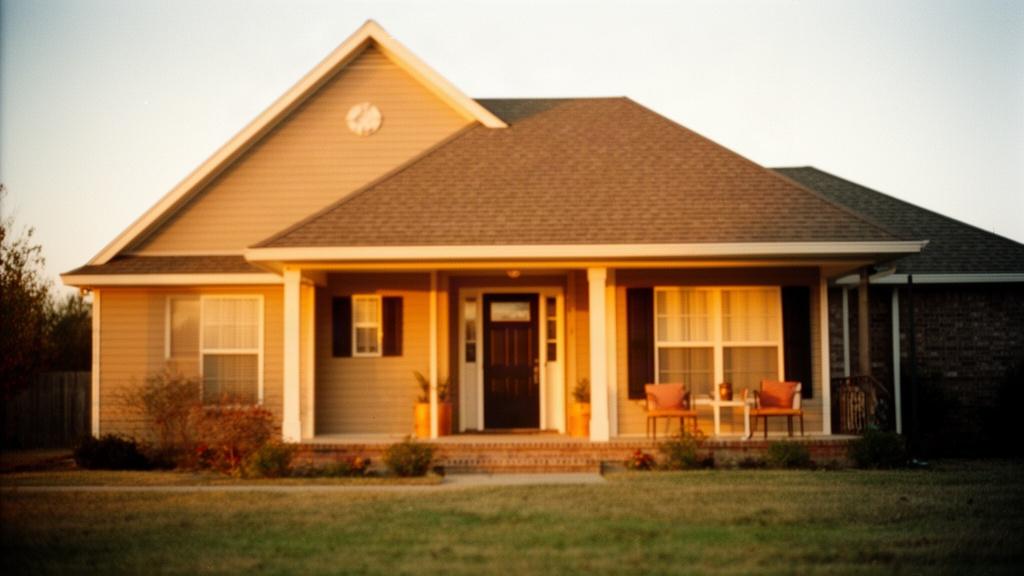
The housing supply in Carmel-by-the-Sea is almost entirely freestanding cottages and small houses built between 1920 and 1970.You’ll find Craftsman bungalows, English Tudor cottages, Mediterranean-style homes with red tile roofs and some mid-century moderns tucked into Monterey cypress and pine forests that cover much of the town. Lot sizes are generally small by California standards; most residential lots range from about 4,000 to 8,000 square foot, though coastal properties and canyon-edge lots can be substantially larger.
New construction is extremely rare. Zoning rules effectively cap the total number of housing units; that’s why prices remain high even when other California markets cool. Buyers prioritizing move-in-ready modern homes will have far fewer options than those willing to accept character homes that may need updating.
Step 4: Offers in a competitive market
When a desirable property is listed, it’s common to receive multiple offers within the first 72 hours.In California, purchase offers are submitted on the California Residential Purchase Agreement (RPA) form; this standard document covers price, terms, deposits, and deadlines. A typical earnest money deposit is between 1%, 3% of the purchase price; for a $4.4 million home that is $44,000, $132,000, and it is usually required to be deposited within three business days of acceptance. Because buyers in New York often put down 10% with the contract, earnest money deposits in California often start lower but can be increased strategically to strengthen an offer.
Terms beyond price are critically important here. In Carmel-by-the-Sea sellers typically prefer a short inspection period, a clean financing contingency (none for cash buyers), and a flexible closing date that fits their timeline. Your ability to communicate with the listing agent and present your offer compellingly can be as decisive as the numbers on paper.
Step 5: Inspections, appraisals and contingencies
In California the standard appraisal timeframe is 17 days from acceptance; in competitive situations buyers often agree to 10 days.During this period buyers commonly order a general home inspection, pest and dry rot inspections (very important in coastal areas), a roof inspection, chimney check if needed, and verification of seller disclosures. In Carmel-by-the-Sea you should also check the property’s City Design Review history and whether prior work was permitted; unpermitted additions are common in older village homes.
National Association of Realtors overview of the main steps from contract signing to closingclosing process guide for buyersincludes definitions; it’s a useful reference for buyers in California going through this process for the first time.
Step 6: Signing and transfer of ownership
In California closings are handled by an escrow company; not by a real estate attorney.The escrow officer is a neutral third party; they hold the funds, coordinate document signing, and ensure all contract conditions are met before title transfers. Buyers used to New York closings with attorneys at the table will find the California process more distributed: signatures can occur at the escrow office, via online remote notarization, or with a traveling notary; in Monterey County title is typically recorded one or two business days after documents are signed and funds received.
3. How much do you actually need to pay in Carmel-by-the-Sea?
Buying costs in Carmel-by-the-Sea go beyond the purchase price. Buyers should account for the deposit, closing costs, appraisal fees, transfer taxes, and immediate home maintenance items. Below is a breakdown of what to expect based on the current median price.
Purchase price and deposit
With a median price of $4.4 million, a 20% deposit equals $880,000.Some buyers put down 25% or 30% to get better jumbo rates or to strengthen an offer against cash buyers. Cash purchases remove the financing contingency entirely and can speed up the process. If financing is used, note that as of September 2026 jumbo mortgage rates are roughly 50-75 basis points higher than comparable conforming rates, which affects the monthly cost of such a loan.
Closing costs - California
Buyer closing costs in California generally run between 1%, 3% of the purchase price; this percentageaccording to Rocket Mortgage’s breakdown of California closing costscan vary. For a $4.4 million purchase those closing costs would be approximately $44,000, $132,000. Major items include escrow fees (which in Monterey County may be split between buyer and seller), title insurance, loan origination fees if financing, prorated property taxes and homeowners insurance, and recording fees paid to Monterey County.
California also has county transfer taxes; they are normally paid by the seller, but buyers should confirm in the contract who is responsible. Monterey County’s transfer tax rate is $1.10 / $1,000 of value; so if a buyer were responsible on a $4.4 million sale that would be $4,840.
Ongoing maintenance costs: include these in your budget
California’s Proposition 13 limits annual increases in assessed value to 2% after purchase, but the initial assessment is based on the purchase price.At a $4.4 million purchase price the basic property tax in Monterey County at about 1.1% is roughly $48,400 per year. This amount is substantially higher than many New Yorkers pay for comparable properties in their own market; include it in your budget from month one.
Coastal homeowners insurance has become both more expensive and harder to obtain in recent years. Several major insurers have reduced exposure in the state; buyers may be steered to the California FAIR Plan or to specialist carriers for coastal policies. Expect at least $8,000, $15,000 per year for a home in this price range, and do not waive insurance verifications during the appraisal contingency before confirming insurability.
4. How long does the process take from search to close?
Total purchase time in Carmel-by-the-Sea depends largely on how long it takes to find the right property. The escrow period after a contract is signed is relatively predictable.
Finding a suitable property
There are typically only 20-40 active listings in the market, so buyers with specific requirements, a certain street, architectural style, minimum lot size or ocean view, may wait months until the right home appears.Buyers with more flexible priorities who search within the village usually find a suitable home within four, eight weeks after starting a focused search. Buyers relocating from New York with a fixed timeline should plan for a two, six month search; finding the right house often requires patience.
If you broaden your search beyond the village to include Carmel Highlands, the corridor along Carmel Valley Road, or Hatton Fields just outside the village limits, inventory increases significantly and prices run from about $1.5 million up to well over $10 million. Thisvillage-specific buying guideexplains in detail how village limits affect pricing and regulations.
Escrow and closing timing
After your offer is accepted the standard escrow period in California is generally 30 days for financed purchases and 21 days for cash transactions; both timelines are negotiable.In competitive situations sellers sometimes demand faster 14-17 day closings from cash buyers. Lenders that provide jumbo loans typically need at least 21-30 days after ordering the appraisal to complete the loan commitment; buyers should not agree to a closing date that jeopardizes the lender’s timeline.
From preapproval to getting the keys, a buyer coming from New York should reasonably expect three to seven months to acquire a home in Carmel-by-the-Sea. Preapproved buyers working with well-connected local agents can shorten that timeframe. Buyers with very specific needs or seeking a particular property type should plan for the longer end of that estimate.
5. Market-specific considerations for inspections
Some aspects of Carmel-by-the-Sea’s strict review process differ from what buyers in New York, Manhattan, Brooklyn, or Westchester, typically encounter. Knowing these issues before making an offer prevents costly surprises at closing.
Historic registrations and renovation restrictions
Many homes in Carmel-by-the-Sea are listed in city records as historic or architecturally significant.These registrations can limit changes to façades, windows, wrought-iron gates, paint colors, and roofing materials. Before buying, check the city’s Design Review records and consult an architect or local contractor experienced with municipal approval procedures. A renovation that would take six weeks in another city can take six months in Carmel-by-the-Sea if Design Review Board approval is required.
Coastal Commission review
Properties within the California Coastal Zone, which includes much of Carmel-by-the-Sea, may require a Coastal Development Permit in addition to local permits for certain work.This covers demolitions, new construction, and some major remodels. The California Coastal Commission reviews these applications and the process can add months to project timelines. Oceanfront and bluff-top properties are most subject to this requirement. If you plan significant expansions or alterations, verify the lot’s Coastal Zone status during the property review and consult a local land-use attorney.
Water and environmental factors
The Monterey Peninsula Water Resources Agency controls water supply for Carmel-by-the-Sea, and water access is a common issue in the area.Any square footage increase or addition of a new dwelling unit requires water allocation, and those allocations may not always be available. Buyers planning additions or adding an accessory dwelling unit (ADU) should confirm water status with the agency before contingencies are removed. Coastal moisture also makes pest and dry rot inspections essential. Older houses in town frequently have subtle moisture damage that isn’t immediately obvious.
For New Yorkers: weigh personal use and investment potential togetherGuide to investment properties in Carmel-by-the-Seacovers the rental market, short-term rental restrictions, and expected returns in detail.
FAQ
Can a buyer from New York purchase a Carmel-by-the-Sea property remotely without seeing it in person?
While possible, a purchase at this scale is not always the ideal option. The town’s unique character means parcel-by-parcel variation, tree cover, ocean views, and proximity to the scenic road can make properties that look similar on paper behave very differently in practice. Most serious buyers in this price range visit the area at least once before bidding; many return two or three times during the pre-offer process. Because notarized electronic signatures are permitted, you can close after signing the contract without returning to California.
How does the purchase process in Carmel-by-the-Sea legally differ from New York?
The main structural difference is that in California closings are handled by escrow companies rather than attorneys. In New York, buyers and sellers are often represented by attorneys who negotiate the contract and manage closing. In California the purchase agreement is a standard form and an escrow firm conducts the closing. Buyers are not required to retain an attorney; however, legal counsel is common for complex entities like trusts, LLCs, or large renovation projects. California also has broad disclosure obligations; sellers complete detailed written disclosures about property condition and buyers review them during the inspection period.
Are there short-term rental restrictions buyers should know about in Carmel-by-the-Sea?
Yes. Carmel-by-the-Sea has historically imposed restrictions on short-term rentals and in recent years tightened regulations to protect the town’s character. If you plan to rent on platforms like Airbnb or VRBO, check current rules with the City of Carmel-by-the-Sea before buying; regulations change and enforcement has become stricter. Long-term rentals of 30 days or more are generally allowed, while short-term rentals are subject to local licenses and limits and may restrict or prohibit use of a particular property.