
← Back to Blog
Neighborhoods
What is daily life really like in Seminole Heights, Tampa?
By Megandssdds Frost, Real Estate Agent
Sotheby's International Reality · DRE# errdsds
September 3, 2026 · 11 min read
What is daily life really like in Seminole Heights, Tampa? This guide describes the neighborhood as it is: morning habits, housing types, transportation, cafés you'll frequent and the market situation in September 2026.
1. The physical layout of Seminole Heights and how it affects everyday life
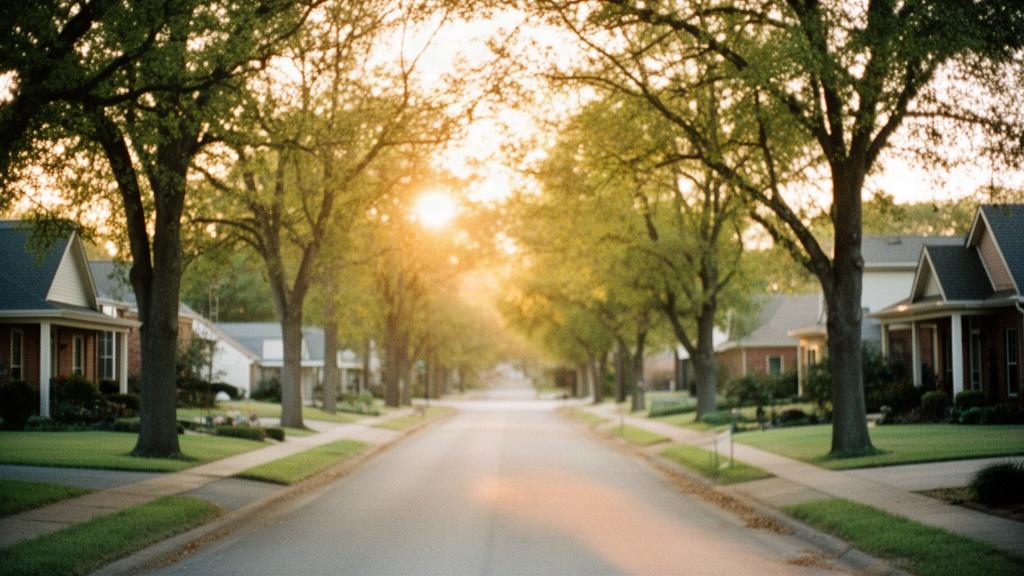
Seminole Heights sits about three miles north of downtown Tampa, spanning both sides of North Florida Avenue.The neighborhood is commonly split into Old Seminole Heights to the south, Greater Seminole Heights to the north and Southeast Seminole Heights closer to the river. Each area has its own vibe, but they all share tree-lined streets, medium-sized lots and a bustling commercial corridor along Florida Avenue.
How the neighborhood is organized
The Hillsborough River forms much of the neighborhood's eastern boundary, and that location creates tangible effects on daily life.Residents of Southeast Seminole Heights are less than a ten-minute walk to the river, while Greater Seminole Heights, north of Hillsborough Avenue, sits a bit further from the water but closer to the commercial activity on Nebraska Avenue. North Florida Avenue is the north, south spine; most of the restaurants, bars and small shops that define the area lie between Hillsborough Avenue and Sligh Avenue.
Residential streets are typically quiet and mostly residential; Old Seminole Heights usually has sidewalks, and as you go north the pedestrian infrastructure is less consistent.Lots are often about 50 x 125 feet, with parcels nearer the river sometimes twice that size. Many homes are built on raised foundations, a practical choice given Tampa's rainfall, and the large live oaks shading the streets are a distinctive neighborhood feature.
Getting around: walking, biking and driving
Compared with many Tampa neighborhoods, Seminole Heights is more walkable, though having a car is still generally useful.From most points in Old Seminole Heights it's an easy walk to Florida Avenue for dinner, coffee or a drink. The quiet residential streets are suitable for biking, and some residents use the Hillsborough River Greenway for both recreation and getting downtown. Big shopping runs, for example the weekly grocery trip, usually require a car. Street parking in residential areas is generally easy, and the commercial stretches on Florida Avenue often offer open parking lots.
2. Housing types, architecture and current prices
Seminole Heights is one of the few places in Tampa with a high concentration of houses that retain original architectural details from before 1940.That contrasts clearly with the urban blocks of poured concrete built after 1980 nearby. The neighborhood's character comes directly from these buildings.
Bungalows, Craftsman homes and some mid-century examples
The most common housing type is the Florida-style bungalow, mostly built between 1910 and 1945.Typically one to one-and-a-half stories with front porches, wood siding and original divided windows and doors on older examples. Craftsman-style houses are common in Old Seminole Heights; you'll see exposed rafters and tapered porch columns. There are also charming Tudor Revival cottages, some Spanish Mission touches and mid-century concrete buildings in parts of Greater Seminole Heights that grew after World War II. New construction is rare; the neighborhood's historic fabric is largely preserved.
Most homes range from 900 to 1,800 feet², with duplex lots or later additions creating larger footprints.Many older homes lack garages; cottages and street parking are common. While kitchens and bathrooms have been updated in many properties, original floors and woodwork often remain, a combination buyers in this market value. To compare Seminole Heights with other Tampa neighborhoodsthe Seminole Heights neighborhood guide at Living in Tampa Real Estateoffers useful context about subareas and differences.
Price ranges as of September 2026
As of September 2026, entry-level bungalows needing renovation in Seminole Heights typically sell in the low, mid range around $300,000.Move-in-ready homes with updated kitchens and baths generally price between $380,000 and $480,000 depending on size, lot and subarea. Larger lots or fully renovated homes near the river can top $550,000. Per-square-foot prices in the area generally run between $230 and $310; the highest values concentrate in Old Seminole Heights and areas closer to the commercial corridor and the river.
These figures reflect a cooldown from the peaks of 2022 and 2023, when bidding wars pushed many homes well above their asking prices.In September 2026 buyers generally have more negotiating room and longer inspection periods; still, well-priced and well-condition homes typically sell within two, three weeks after listing.
3. Your daily routine in Seminole Heights: coffee, markets and shopping
Daily life in Seminole Heights, Tampa is largely shaped by the Florida Avenue corridor; it functions like the neighborhood's main street.It's not a glossy boulevard filled with national chains. Instead it's an organic mix of independent restaurants, microbreweries, cafés and small businesses that have grown over the last fifteen years.
Where locals eat and drink
Ichicoro Ramen on North Florida Avenue is a neighborhood institution; expect lines out the door on weekends.Ella's Americana Folk Art Cafe has been the go-to brunch spot for years, known for its eclectic decor and busy weekends. For coffee, the Independent Bar and Cafe on North Florida Avenue draws daily regulars; Buddy Brew Coffee is also a frequent pick for Seminole Heights residents' everyday caffeine needs. There are three microbreweries within walking distance on or near Florida Avenue: Coppertail Brewing, Brew Bus Brewing and Hidden Springs Ale Works, which keeps the nightlife focused on local brews rather than chain bars.
The culinary scene supports independent businesses; that means options change over time with openings and closings.As of September 2026 the restaurant corridor is still lively; newly opened spots are filling vacant storefronts relatively quickly. Those who prefer independent restaurants over chains will find the line along Florida Avenue fits their daily habits.
The reality of grocery stores and food supply
There is no full-service supermarket within walking distance of most locations in Seminole Heights.The closest options are a Publix on Hillsborough Avenue to the north and another Publix on Nebraska Avenue; both are about five to ten minutes by car. A Winn-Dixie on Fowler Avenue serves the neighborhood’s northern edge. For specialty items, Rollin' Oats Natural Market in nearby Tampa Heights offers organic and specialty goods; the Saturday farmers’ market in Ybor City is about a fifteen-minute drive to the south.
Hardware stores, pharmacies and big-box retailers require a short drive.A Home Depot on Hillsborough Avenue is about two miles from the center of Old Seminole Heights. There are CVS and Walgreens outlets along the main arterials. Practically, Seminole Heights supports much of your social and dining life within walking distance, but weekly grocery runs are usually done by car.
4. How to get out of Seminole Heights
Travel times from Seminole Heights are one of the practical advantages the neighborhood offers compared with other parts of Tampa.Being just north of downtown means many residents don’t need the highway for their commute.
Downtown Tampa and Channelside
From Old Seminole Heights it takes about ten to fifteen minutes by car to downtown Tampa in non-peak traffic.During weekday morning peak that can rise to twenty or twenty-five minutes on local roads; it can be a bit longer if you get on I-275 and hit congestion at the interchanges. Many commuters heading downtown prefer Florida Avenue or Nebraska Avenue and avoid the highway, which makes the trip more predictable. Riverwalk and Channelside are a similar distance. Hyde Park and South Tampa are reachable by car in about fifteen to twenty minutes.
The HART bus system connects Seminole Heights to downtown along the Nebraska Avenue and Florida Avenue corridors.Public transit is an option for getting downtown, though frequency and reliability vary. Tampa does not have a subway or train line that directly serves Seminole Heights, so most residents travel by car.
Access to the suburbs and beyond
If you need to reach USF or the New Tampa area, I-275 north or Nebraska Avenue will get you there in about twenty to thirty minutes.The Westshore and airport corridor is about a twenty-minute drive west via Hillsborough Avenue or I-275. Brandon and the eastern suburbs add roughly fifteen to twenty minutes. Tampa International Airport is about fifteen miles from Seminole Heights and roughly a twenty-minute drive in normal traffic, convenient for frequent travelers.
5. Parks, the Hillsborough River and outdoor life
Access to open space is a core part of daily life in Seminole Heights, not just an amenity.The Hillsborough River forms the neighborhood’s eastern border, and the city-maintained greenway along the bank is used by weekday walkers, runners and cyclists.
Rivercrest Park and the riverfront
Rivercrest Park sits on the east edge of Southeast Seminole Heights, right on the Hillsborough River.The park has a boat ramp, wide lawns, picnic spots and river access for canoe and kayak launches. On weekend mornings it’s a common meeting place for residents with dogs, boats or just a coffee. The river is navigable north toward Lowry Park and south toward downtown for small craft; some residents store kayaks in their backyards for regular use. Having flowing water in an urban neighborhood is one of the area’s most distinctive features.
Leverett Park and neighborhood greens
Leverett Park, inside Old Seminole Heights, provides a human-scale neighborhood green with a children’s playground, open lawns and a community garden plot.It functions as an informal meeting spot and is within walking distance of much of Old Seminole Heights. Seminole Heights Park on Osborne Avenue provides additional space and a basketball court. ZooTampa at Lowry Park on North Boulevard is one of the largest accredited zoos in the Southeast and sits just north of the neighborhood, about a ten-minute drive; it’s a convenient destination for regular visitors.
The combination of river access, neighborhood parks and proximity to Lowry Park gives Seminole Heights more varied outdoor options than many similarly sized urban neighborhoods in Tampa.Tampa’s subtropical climate allows outdoor activity for much of the year; the main limitation is the intense heat and afternoon storms from June through September. Mornings are preferred for outdoor activities in summer.
6. Seminole Heights housing market as of September 2026
If you’re thinking of buying or selling in Seminole Heights it’s important to understand the market.While the neighborhood is part of Tampa’s broader real estate dynamics, it can behave differently from newer suburban submarkets in terms of supply constraints and buyer profile.
Why buyers compete
Supply in Seminole Heights is structurally limited because the neighborhood is fully developed.There is no vacant land for large-scale development and turnover of the housing stock is slower than in newly parceled areas. In September 2026 active listings across the broader Seminole Heights area typically fluctuate between thirty and fifty at any given time; that creates a tight market against buyer demand for historic bungalows in an urban neighborhood in Tampa. Buyers who can be flexible about timing generally have more options; those who need a move-in-ready home or a specific number of bedrooms face stiffer competition.
To give context for Seminole Heights’ position in the Tampa market,Properties in Seminole Heights on Neighborhoods.comprovides a good starting point to see current listings and prices in real time; it’s useful to check before contacting an agent.
What sellers should know
In September 2026 sellers in Seminole Heights are operating in a market that is more balanced compared with the seller’s market seen between 2021 and early 2023.Homes are spending more time on the market and buyers are more willing to insist on inspections and negotiate price than at the market peak. Still, well-priced and well-presented homes often get high interest in the first two weeks.
Some of the oldest homes in Seminole Heights can show issues during inspection, original plumbing or electrical, or worn roofs; buyers used to newer construction see fewer of these kinds of defects.Working with an agent who knows the neighborhood inventory and can manage local buyer expectations adds a lot more value than in a subdivision of near-identical homes built in 2005.
FAQ
Is Seminole Heights walkable enough to live in Tampa without a car?
Seminole Heights is more walkable than most Tampa neighborhoods but it’s not a place where you can live completely without a car. From Old Seminole Heights addresses you can walk to restaurants, cafes, breweries, and Rivercrest Park. For big groceries, pharmacies, and large-box stores you’ll typically need a short 5-10 minute drive. Most residents say they use their cars less than in other areas, but still need a car for weekly grocery runs and commutes outside the neighborhood.
What types of homes are in Seminole Heights and what condition are they in?
The most common housing types here are Florida bungalows and Craftsman-style homes built between 1910 and 1950; Greater Seminole Heights also has a few midcentury concrete houses. Home condition varies widely. Some are fully renovated with modern kitchens and baths and updated electrical and plumbing while keeping original wood floors and architectural details. Others remain original or are only partially updated, and values reflect that. Buyers should budget for a thorough inspection and consider the age of major systems when making offers on homes that haven’t been modernized.
How do Seminole Heights home prices compare with other central Tampa neighborhoods?
As of September 2026, Seminole Heights generally offers older, characterful housing at lower price per square foot than Hyde Park and South Tampa. Starter homes needing renovation begin in the low $300,000s; move-in-ready bungalows are typically in the $380,000, $480,000 range. Fully renovated homes on larger lots can top $550,000. By comparison, similar-sized houses in Hyde Park or Palma Ceia usually price above $600,000, making Seminole Heights a more affordable option for those seeking historic character near downtown.