
← Back to Blog
Market Trends
The Grayson, Georgia Area Has the Best Reputation Real Estate Market Guide: Prices, Neighborhoods and Timing
By Erika Rubio
September 20, 2026 · 9 min read
Grayson, Georgia has built a strong reputation as one of Gwinnett County's most in-demand communities, and for good reason: it combines established subdivisions, newer construction, and proximity to Atlanta without the price tag of closer-in suburbs. This guide covers everything buyers, sellers, and relocating households need to know about Grayson real estate right now, including current prices, what different neighborhoods actually look like on the ground, and how to time your move in September 2026.
1. Why Grayson Has Earned Its Real Estate Reputation
Grayson sits in the southeastern corner of Gwinnett County, roughly 35 miles northeast of Downtown Atlanta. That location matters. It keeps Grayson far enough from the urban core to offer larger lots and quieter streets, while still placing residents within reach of Gwinnett's major employment corridors along Highway 78, U.S. 29, and the Sugarloaf Parkway tech and medical hub.
What Makes Grayson Different from Other Gwinnett Communities
Grayson is an incorporated city with its own downtown district centered on Grayson Parkway and Cruse Road. The small-town character is tangible: Grayson City Park, the Grayson Community Garden, and the annual Grayson Day festival give the area a distinct identity that larger Gwinnett cities like Lawrenceville or Snellville do not replicate. That combination of civic identity and suburban convenience is a large part of why the Grayson, Georgia area has earned a strong reputation in the regional real estate market.
The Physical Landscape and Housing Stock
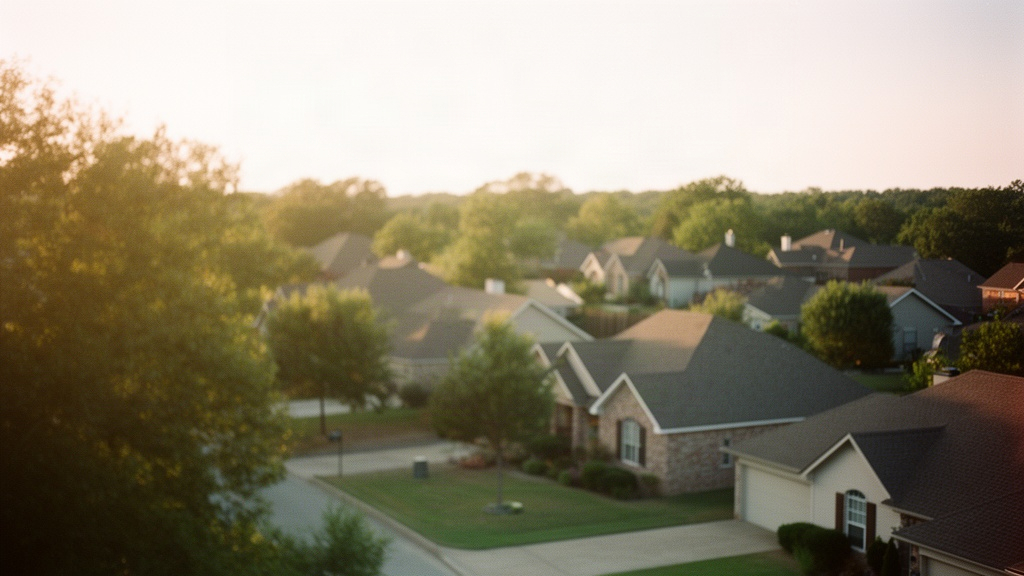
The terrain in Grayson is gently rolling, with tree canopy that has been preserved across many of the older subdivisions built in the 1990s and early 2000s. Lots commonly run from a quarter acre to just over half an acre in established neighborhoods, while some newer infill developments offer smaller footprints with more modern finishes. Brick-front colonials, craftsman-style homes, and traditional two-story plans with two-car garages are the dominant architectural styles you will find while driving through communities like Alcovy Crossing, Grayson Village, and the streets surrounding Grayson High School.
2. Current Home Prices in Grayson, Georgia
Home prices in Grayson have held firm through 2026 after the corrections that rippled through metro Atlanta in late 2024 and early 2025. The market stabilized, and demand has remained consistent because Grayson offers more square footage per dollar than comparable communities closer to I-85. For a detailed breakdown of what prices are doing right now, see What Are Home Prices Doing in Grayson Georgia Right Now in September 2026.
What the Numbers Show Right Now
As of September 2026, the median sale price in Grayson sits in the low-to-mid $400,000s. That figure reflects a market that has appreciated meaningfully over the past five years while remaining more accessible than Suwanee or Peachtree Corners, where median prices routinely clear $500,000 to $600,000. You can track current trend data at Redfin's Grayson housing market page, which updates monthly and shows median price, price per square foot, and sale-to-list ratios.
Price Ranges by Property Type
Entry-level homes in Grayson, typically three-bedroom, two-bath ranch or split-level plans under 1,800 square feet, are generally priced from the high $200,000s to the low $300,000s when they appear on the market. The most active price band sits from $350,000 to $480,000, covering the four-bedroom, two-and-a-half-bath two-story homes that make up the bulk of the housing stock in subdivisions like Grayson Village, Grayson Manor, and Alcovy Crossing. Larger executive-style homes on wooded lots of half an acre or more can reach $550,000 to $650,000 or higher, depending on finishes and lot position.
3. Neighborhood and Subdivision Features Across Grayson
Grayson's neighborhoods each have a distinct character shaped by when they were built, the builder who developed them, and their proximity to the city's core amenities. Understanding those differences helps buyers narrow their search before they ever walk through a front door.
Established Subdivisions
Communities built between roughly 1993 and 2008 account for the largest share of Grayson's housing stock. Alcovy Crossing, one of the most recognized names in the area, features traditional two-story homes with brick or hardiplank exteriors, mature oaks and pines lining the streets, and a community pool and tennis courts. Grayson Village sits close to downtown Grayson and Grayson City Park, making it walkable to the park's baseball fields, walking trail, and covered pavilion. Homes in these established communities often come with updated kitchens and baths because owners have had years to renovate, which can offer strong value relative to new construction.
Newer Construction Pockets
Infill development and smaller new-construction communities have appeared along the edges of Grayson near Rosebud Road and Highway 20 over the past several years. These homes typically feature open-concept floor plans, nine-foot ceilings on the main level, quartz countertops, and LVP flooring throughout, reflecting current buyer preferences. Lot sizes in newer developments tend to be smaller, often in the 6,000 to 9,000 square foot range, but the homes themselves are larger, with square footage starting around 2,200 and running above 3,000 for the upper tiers.
Lot Sizes and Architecture
One of the features that distinguishes Grayson from denser Gwinnett communities is the prevalence of wooded backyards. Many lots back up to Alcovy Creek tributaries or to natural buffers that the county has preserved, giving homeowners a sense of privacy that is harder to find in more densely platted subdivisions. Architecturally, brick-front colonials and craftsman plans dominate, though you will find a mix of ranch-style homes in older sections of the city, particularly along Grayson Parkway and New Hope Road.
4. Market Conditions and What They Mean for Buyers and Sellers
The Grayson market in September 2026 is best described as balanced, leaning slightly toward sellers in the most desirable price bands. That means well-priced homes in move-in condition still generate multiple showings within the first week, while overpriced listings or homes needing significant work sit longer.
Inventory and Days on Market
Active listings in Grayson have increased modestly compared to September 2025, giving buyers more options than they had during the tight inventory period of 2023 and early 2024. Despite that increase, the median days on market remains relatively low, with correctly priced homes in the $350,000 to $480,000 range typically going under contract in under three weeks. For a current look at how long homes are sitting, see How Long Are Homes Sitting on the Market in Grayson Georgia This Month.
What Buyers Should Know
Buyers entering the Grayson market right now need to move with intention. Getting pre-approved before you start touring homes is not optional in this market; sellers in Grayson routinely ask to see a pre-approval letter before accepting a showing on a hot listing. Because inventory is still below historical norms in the sub-$450,000 range, buyers who find a home that meets their criteria should be prepared to submit an offer within 24 to 48 hours of the first showing rather than waiting to see if something better appears.
What Sellers Should Know
Pricing strategy is the single biggest lever a Grayson seller controls. Homes listed at or slightly below market value are generating the most activity and, in some cases, multiple offers that push the final sale price above list. Homes priced 5 to 10 percent above comparable sales are sitting, accumulating days on market, and ultimately selling for less than they would have if priced correctly from day one. Condition matters equally: fresh paint, updated light fixtures, and a clean yard consistently produce faster sales and higher net proceeds in the Grayson market.
5. Timing Your Move: When to Buy or Sell in Grayson
Timing in real estate is never a perfect science, but the Grayson market does follow seasonal rhythms that buyers and sellers can use to their advantage.
Seasonal Patterns in the Grayson Market
Spring, from March through May, is historically the most active listing period in Grayson. Inventory peaks, buyer activity surges, and competition is highest. Summer brings a slight slowdown in showings as families manage school transitions and vacations, but serious buyers remain active. Fall, which is where the market sits right now in September 2026, offers a window that many buyers overlook: inventory is still reasonable, competition has eased from the spring peak, and sellers who have been on the market since spring are often more willing to negotiate on price or terms.
Interest Rates and Purchasing Power in 2026
Mortgage rates have moderated from their 2023 highs but remain elevated compared to the 2020 to 2022 period. For a Grayson buyer financing a $400,000 home with 20 percent down, the difference between a 6.5 percent and a 7.0 percent rate is roughly $130 per month in principal and interest, which translates to meaningful purchasing power over a 30-year term. Watching rate movements and locking when conditions are favorable is a concrete step buyers can take to improve affordability without waiting indefinitely for the perfect market. Forbes Advisor's 2026 housing market predictions offer useful national context for where rates and prices may head through the remainder of the year.
How to Use Timing to Your Advantage
For buyers, September through November in Grayson is a period worth acting on. Sellers who listed in spring and have not yet closed are motivated, and new listings that come on in early fall tend to be priced with the current market in mind rather than the optimism of peak spring activity. For sellers, listing in late September or early October captures buyers who want to close before the holidays, which creates a natural urgency that can work in a seller's favor even as overall activity slows.
6. Costs Beyond the Purchase Price
The sticker price of a Grayson home is only one part of the financial picture. Understanding property taxes, closing costs, and commute expenses helps buyers budget accurately and avoid surprises at the closing table.
Property Taxes
Grayson sits within Gwinnett County, and property taxes here are assessed by the county at a rate that includes both the county millage and a separate city millage for Grayson itself. On a $400,000 home, buyers should budget several thousand dollars per year in property taxes, though the exact figure depends on the assessed value the county assigns and any homestead exemptions the owner qualifies for. For a detailed breakdown of what you would actually owe, see What Are the Property Tax Rates in Grayson, Georgia and How Much Would I Pay on a $400,000 Home?.
Closing Costs
Buyers in Georgia typically pay closing costs equal to 2 to 4 percent of the loan amount, covering lender fees, title insurance, attorney fees (Georgia is an attorney-closing state), prepaid homeowners insurance, and escrow deposits for taxes. On a $400,000 purchase with 10 percent down, that translates to roughly $7,200 to $14,400 in closing costs before any seller concessions. For a full breakdown of every line item a Grayson buyer should expect, see What Are the Typical Closing Costs a Buyer Should Expect When Purchasing a Home in Grayson, Georgia?.
Commute Considerations
Grayson is approximately 35 miles from Downtown Atlanta, and the realistic commute time during peak hours via U.S. 78 or I-285 is 45 to 75 minutes depending on where exactly you are headed and what time you leave. Buyers who work in Lawrenceville, Snellville, or along the Highway 316 corridor will find the commute considerably shorter, often under 20 minutes. For a detailed look at commute routes and realistic drive times, see How Long Does It Take to Commute from Grayson Georgia to Downtown Atlanta?.
FAQ
Is the Grayson, Georgia real estate market competitive right now?
As of September 2026, the Grayson market is balanced with a slight lean toward sellers in the $350,000 to $480,000 price range, which is where most of the activity concentrates. Well-priced, move-in-ready homes are going under contract in under three weeks, while homes that are overpriced or need significant work are sitting longer. Buyers should come pre-approved and be ready to act quickly on listings that meet their criteria. The market is less frenzied than the 2021 to 2022 peak, but it is not a buyer's market either, so preparation matters.
What types of homes are most common in Grayson, Georgia?
The dominant housing type in Grayson is the four-bedroom, two-and-a-half-bath two-story home with a two-car garage, built primarily between 1995 and 2010 in planned subdivisions. These homes typically range from about 2,000 to 3,200 square feet and feature brick or hardiplank exteriors, often with wooded or partially wooded backyards. Ranch-style homes exist in older sections of the city and are less common but do appear on the market periodically. Newer construction in Grayson tends toward open-concept plans with contemporary finishes and slightly smaller lots than the older subdivisions.
How does Grayson compare to nearby Gwinnett County cities for home prices?
Grayson generally offers lower median prices than communities closer to I-85 or the Peachtree Industrial corridor. Cities like Suwanee, Peachtree Corners, and Duluth regularly see median prices in the $500,000 to $650,000 range, while Grayson's median sits in the low-to-mid $400,000s as of September 2026. That price difference reflects both Grayson's greater distance from Atlanta and its smaller commercial base, though the trade-off is larger lots, more mature tree cover, and a quieter pace. Snellville, which borders Grayson to the west, is a closer price comparison, though Grayson's incorporated city status and distinct downtown give it a different character.