
← Back to Blog
Local Living
Relocating to Grayson, Georgia: Neighborhoods, Costs and Timelines
By Erika Rubio
September 22, 2026 · 10 min read
Relocating to Grayson, Georgia means landing in a small Gwinnett County city with a distinct small-town character, a growing inventory of single-family homes, and a position roughly 35 miles northeast of downtown Atlanta. This guide covers the neighborhoods worth understanding before you buy, what homes actually cost right now in September 2026, and a realistic week-by-week timeline so your move does not catch you off guard.
1. What Makes Grayson Worth the Move
Grayson is a city in Gwinnett County, Georgia with a population of roughly 4,000 within city limits, though the surrounding unincorporated area the city draws its real estate market from is considerably larger. It sits along Grayson Parkway and Highway 20, about 35 miles northeast of downtown Atlanta and 15 miles east of Lawrenceville.
The City at a Glance
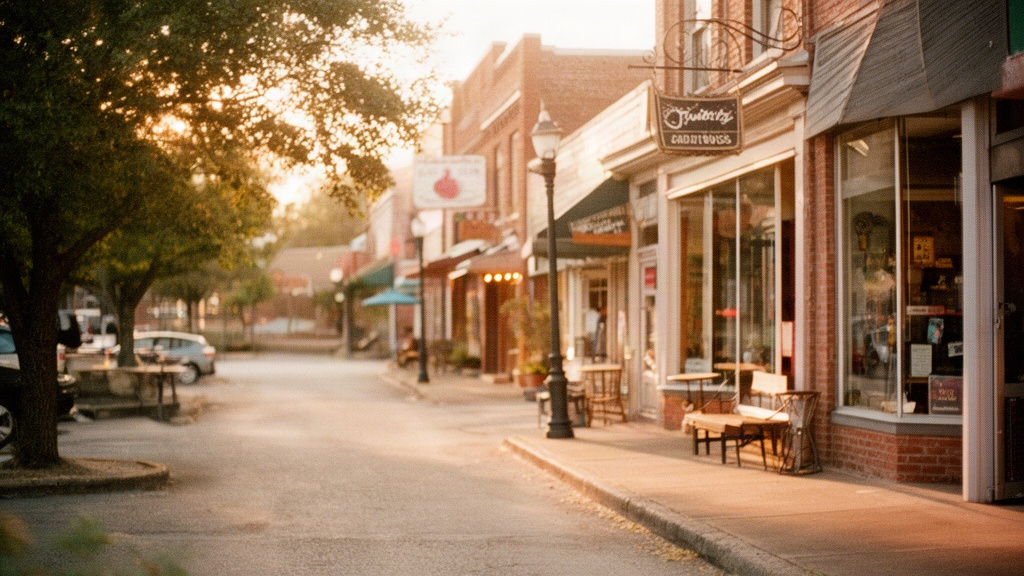
Grayson's downtown core is compact and walkable by suburban Georgia standards. The historic downtown area along Grayson Parkway has local restaurants, a city park, and a community feel that larger Gwinnett cities like Snellville or Lawrenceville do not replicate. Tribble Mill Park, one of the largest parks in Gwinnett County at over 700 acres, sits just minutes from most Grayson neighborhoods and offers paved trails, a lake, fishing, and open green space.
For a fuller picture of what daily life actually looks like once you have settled in, the day-to-day living guide on this site covers grocery access, local dining, and what residents actually do on weekends.
What You Will Find Day to Day
Grocery options include a Publix on Grayson Parkway and additional retailers within a 10-minute drive in Snellville and Loganville. Highway 78 and Highway 20 both run through or near Grayson, giving residents easy access to the broader Gwinnett County retail and restaurant corridor. The Grayson area also has its own city events calendar, including the annual Grayson Day festival held at City Hall, which draws the broader community together each spring.
2. Neighborhoods and Housing Stock in Grayson
Grayson's residential landscape is primarily made up of single-family subdivisions built between the mid-1990s and today. The mix ranges from older, established communities with mature trees and larger lots to newer active-build phases with modern floor plans and HOA amenities. Townhomes exist but make up a smaller share of the market than detached homes.
Established Subdivisions
Communities like Alcovy Crossing, Grayson Village, and Ivey Chase represent the established tier of Grayson real estate. Homes in these neighborhoods were largely built in the late 1990s through the mid-2000s. They typically sit on lots ranging from a quarter acre to just over half an acre, feature four-sided brick or brick-front exteriors, and offer floor plans between 1,800 and 3,500 square feet. Mature landscaping and quieter cul-de-sac streets are common features.
Alcovy Crossing in particular has its own detailed market breakdown. You can read the full Alcovy Crossing real estate market guide for pricing trends, lot details, and what buyers are competing for in that community right now.
Newer and Active-Build Communities
New construction activity in Grayson in 2026 is concentrated in communities that have opened phases within the last two to three years. These neighborhoods tend to feature open-concept floor plans, energy-efficient construction, smart-home wiring, and HOA amenities such as swimming pools, tennis courts, and walking trails. Lot sizes in newer builds are generally smaller than in the established subdivisions, often running between 0.15 and 0.30 acres, but the homes themselves are larger in square footage.
If new construction is on your radar, the guide to new subdivisions and developments being built in Grayson in 2026 covers which builders are active, what phase timelines look like, and how to evaluate a new-build contract before you sign.
Lot Sizes and Architecture
Architecture in Grayson skews toward traditional and craftsman styles, with brick and fiber-cement siding both common depending on the era of construction. Two-car garages are standard. Basement lots are available throughout the market, particularly in communities built on the rolling terrain east of Grayson Parkway, and finished basements can add 400 to 1,200 square feet of usable space depending on the home. Buyers relocating from denser metro areas often find the lot sizes and setbacks in Grayson noticeably more generous than what they left behind.
For a broader overview of how the different neighborhoods compare on features and price points, the neighborhoods and subdivisions guide for Grayson goes deeper into the specific communities and what distinguishes each one.
3. What It Costs to Buy a Home in Grayson Right Now
As of September 2026, the Grayson housing market sits in a moderate seller's position, with inventory tighter than pre-pandemic norms but more available than the peak competition years of 2021 and 2022. Buyers relocating to Grayson, Georgia should expect to compete on well-priced homes but will generally find more room to negotiate than they would have four years ago.
Current Price Ranges by Home Size
In September 2026, the median home price in Grayson sits in the low-to-mid $400,000s for a resale single-family home. Here is a practical breakdown of what different budgets buy in the current market:
- Under $350,000: Townhomes and smaller detached homes, typically 1,400 to 1,800 square feet, often with older finishes or in need of cosmetic updates.
- $350,000 to $450,000: The core of the Grayson resale market. Homes in this range are typically 2,000 to 3,000 square feet, four bedrooms, two-car garage, on lots of 0.25 to 0.50 acres in established subdivisions.
- $450,000 to $575,000: Larger homes in the 3,000 to 4,000 square foot range, often with finished basements, updated kitchens, and premium lots. Also the entry range for most new construction in active-build communities.
- Above $575,000: Executive-level homes, often 4,000 square feet and up, on larger lots or cul-de-sacs, sometimes with pools or extensive outdoor living areas.
Property Taxes and Ongoing Costs
Grayson sits within Gwinnett County, and property taxes are assessed by the county at a millage rate that in 2026 produces an effective rate of roughly 1.0 to 1.2 percent of assessed value for most residential properties. On a $400,000 home, that translates to approximately $4,000 to $4,800 per year in property taxes before any exemptions. Georgia's homestead exemption, available to owner-occupants, can reduce that figure meaningfully. HOA fees in Grayson subdivisions typically run between $400 and $900 per year for established communities, and $800 to $1,800 per year in newer communities with more amenities.
Closing Costs to Budget For
Buyers in Georgia typically pay between 2 and 4 percent of the purchase price in closing costs, covering lender fees, title insurance, attorney fees, prepaid homeowners insurance, and escrow setup. On a $420,000 purchase, that means budgeting $8,400 to $16,800 in addition to your down payment. Georgia requires a real estate attorney to handle closings, so attorney fees are a fixed part of the cost structure rather than an optional add-on.
The full breakdown of every line item is covered in the buyer's closing costs guide for Grayson, Georgia, which walks through each fee category with typical dollar ranges.
4. Your Relocation Timeline: From Decision to Keys
A realistic relocation to Grayson, Georgia from the point of decision to move-in day takes four to six months for most buyers working with a standard mortgage. Cash buyers can compress that to eight to ten weeks if they move quickly. Here is how the timeline breaks down in practice.
Months One and Two: Research and Pre-Approval
Start by getting pre-approved with a lender before you begin touring homes seriously. In the Grayson market right now, sellers on well-priced homes expect to see a pre-approval letter with any offer. This step typically takes one to two weeks if you have your financial documents organized: two years of tax returns, recent pay stubs, bank statements, and a list of current debts.
Use this period to research neighborhoods in depth, compare commute routes, and narrow your must-have list. If you are relocating from another state or from a distant part of metro Atlanta, plan at least one dedicated visit to Grayson specifically to drive the neighborhoods, check proximity to your workplace, and get a feel for the scale of the community. Remote buyers who skip this step frequently find that their online impressions do not match the on-the-ground reality.
Months Two Through Four: Active Search and Contract
Once pre-approved and clear on your target neighborhoods, active home searching in Grayson typically takes four to ten weeks. As of September 2026, the average days on market for homes in Grayson runs in the 20 to 35 day range for correctly priced properties, which means you have a reasonable window to evaluate options without the frantic pace of 2021. That said, move-in-ready homes under $450,000 still attract multiple offers within the first week of listing.
Once you are under contract, the standard Georgia purchase agreement allows for a due diligence period, typically 10 to 14 days, during which you complete inspections and can negotiate repairs or credits. Budget $400 to $600 for a standard home inspection in the Grayson area, and add a radon test ($150 to $200) and a sewer scope ($200 to $300) if the home is more than 15 years old.
Months Four Through Six: Closing and Move-In
From executed contract to closing, conventional mortgage transactions in Georgia typically take 30 to 45 days. FHA and VA loans can run 45 to 60 days depending on the lender's pipeline. New construction closings are tied to the builder's completion schedule, which in active-build Grayson communities currently runs 6 to 12 months from contract signing for a to-be-built home.
Plan your moving company booking at least four to six weeks before your anticipated closing date. Moving companies serving the Atlanta metro area book out quickly, particularly on weekends and at month-end. If you are selling a home in another market concurrently, coordinate the closing dates carefully to avoid a gap in housing or a double-move situation.
5. Practical Logistics for Moving to Grayson
Beyond the real estate transaction itself, relocating to Grayson, Georgia involves a set of practical logistics that are worth planning in advance. The details below reflect conditions as of September 2026 and are specific to the Grayson area.
Commute and Transportation
Grayson is a car-dependent community. There is no MARTA rail service, and local bus routes are limited. The drive to downtown Atlanta via US-78 West runs 45 to 65 minutes in normal traffic and can exceed 90 minutes during peak morning rush. Gwinnett County's Xpress commuter bus service operates park-and-ride routes that connect Gwinnett County to downtown Atlanta and Midtown, and the closest park-and-ride lots to Grayson are in Snellville and Lawrenceville. For buyers whose workplace is in Lawrenceville, Duluth, or the Gwinnett Place corridor, the commute from Grayson is considerably shorter, typically 20 to 35 minutes.
Utilities, Services and Setup
Most Grayson homes are served by Georgia Power for electricity and either Gwinnett County public water and sewer or a private well and septic system, depending on the subdivision. Homes in older or more rural sections of the Grayson area are more likely to have well and septic rather than county utilities. Ask your agent to confirm utility type during the search process, as it affects both inspection scope and long-term maintenance costs. Natural gas service is available in many subdivisions through Atlanta Gas Light. Internet options in Grayson include Comcast Xfinity cable internet and, in an expanding number of neighborhoods, fiber service through AT&T.
Schools and Research Resources
Grayson is served by Gwinnett County Public Schools, one of the largest school districts in Georgia. School assignments are address-based, so the specific schools your children would attend depend on the exact home you purchase. Before making a final decision, verify current attendance boundaries directly with Gwinnett County Public Schools using their official boundary lookup tool, and review performance data through the Georgia Department of Education's public report cards.
For a thorough guide to researching schools before you buy, including which sources to use and what questions to ask, see the school district research guide for Grayson, Georgia on this site.
For an independent overview of the Grayson area from a relocation perspective, the Grayson Relocation Guide 2026 from ATL Local Insider covers community background, amenities, and context that can help you orient before your first visit.
FAQ
How long does it typically take to relocate to Grayson, Georgia from start to finish?
For most buyers using a conventional mortgage, the full process from initial research to move-in day runs four to six months. The pre-approval and neighborhood research phase takes two to four weeks, active home searching typically runs four to ten weeks, and the closing process after an accepted offer takes 30 to 45 days. Cash buyers can compress the timeline to eight to ten weeks. New construction buyers should plan for a longer runway, as to-be-built homes in active Grayson communities currently take 6 to 12 months from contract to completion. Building buffer time into your plan reduces stress and avoids situations where a delayed closing forces a short-term housing scramble.
What is the realistic total budget for relocating to Grayson, Georgia, beyond just the home price?
Beyond the purchase price, buyers relocating to Grayson should budget for closing costs of 2 to 4 percent of the purchase price, which on a $420,000 home means $8,400 to $16,800. Add inspection costs of $750 to $1,100 depending on which inspections you order, a moving company ranging from $1,500 to $5,000 or more depending on distance and volume, utility deposits and setup fees of a few hundred dollars, and any immediate repairs or updates to the home. HOA dues in Grayson subdivisions run $400 to $1,800 per year. Property taxes on a $400,000 home run approximately $4,000 to $4,800 annually before exemptions. Having three to five percent of the purchase price in reserve beyond your down payment and closing costs is a practical cushion for the first year.
Do I need to visit Grayson in person before buying, or can I buy remotely?
Remote purchases are possible and do happen, particularly for buyers relocating from out of state, but at least one in-person visit before going under contract is strongly recommended for most buyers. Grayson's neighborhoods vary meaningfully in terms of terrain, proximity to Grayson Parkway, lot character, and feel, and those differences are hard to assess from photos and video alone. A focused one-day visit can cover five to eight neighborhoods and give you a clear sense of which areas match your priorities. If an in-person visit truly is not possible, working with a local agent who can do detailed video walkthroughs, measure commute routes in real time, and provide honest on-the-ground assessments is the next best option. Erika Rubio works regularly with relocation buyers and can provide that level of local detail for buyers who cannot visit before making a decision.