
← Back to Blog
Market Trends
Cabot, Arkansas Land Real Estate Market Guide: Prices, Neighborhoods and Timing
By Erika Sisson, Principal Broker
SB Realty & Property Management
October 2, 2026 · 11 min read
If you are thinking about buying or selling land in Cabot, Arkansas, this guide covers what you need to know right now: current price ranges, the types of lots available across different parts of town, what drives value on raw and improved land, and how timing affects your outcome in this market.
1. What the Cabot, Arkansas Land Market Looks Like in October 2026
Land transactions in Cabot move differently from home sales. Fewer buyers are competing for any single parcel, financing is more complex, and the gap between list price and what a parcel is actually worth can be wide. That makes local knowledge more important here than almost anywhere else in real estate.
How Land Fits Into the Broader Cabot Real Estate Picture
Cabot sits in Lonoke County about 25 miles northeast of Little Rock along US Highway 67/167, and that location shapes land demand significantly. Commuters who work in Little Rock, North Little Rock, or the Sherwood corridor look at Cabot-area land as a place to build a home with more square footage and yard space than they could afford closer to the city. At the same time, Cabot's own population growth, which has pushed the city past 26,000 residents over the past decade, keeps demand for residential lots steady.
The overall Cabot housing market has stayed competitive through 2026, with median home prices holding in the low-to-mid $200,000s for existing homes. You can track broader pricing trends through the Cabot housing market data on Redfin, which updates regularly. That context matters for land buyers because the cost to build a new home plus the cost of the lot needs to pencil out against what finished homes are selling for nearby.
Price Ranges by Lot Type and Location
Lot and land prices in the Cabot area in October 2026 vary widely depending on size, utilities, and location relative to town. A finished residential lot inside an established Cabot subdivision, meaning one with water, sewer, electricity, and a paved street already in place, typically lists between $25,000 and $60,000 depending on size and the subdivision's amenities. Larger lots of a half acre or more in newer developments can push toward $70,000 to $90,000.
Raw acreage on the outskirts of Cabot, particularly along the corridors heading toward Ward, Beebe, or Austin, runs considerably less per acre. Parcels of five to twenty acres without utilities often list in the $5,000 to $12,000 per acre range, though that figure shifts based on road frontage, soil drainage, and whether the parcel has any existing structures. Larger tracts of 40 acres or more can come in below $5,000 per acre when they require significant clearing or infrastructure investment.
2. Types of Land Available in and Around Cabot
The Cabot land market is not one single category. Buyers have meaningfully different options depending on whether they want a lot where they can break ground in a matter of weeks or raw land that will require years of permitting, clearing, and infrastructure work before it is buildable.
Residential Lots in Established Subdivisions
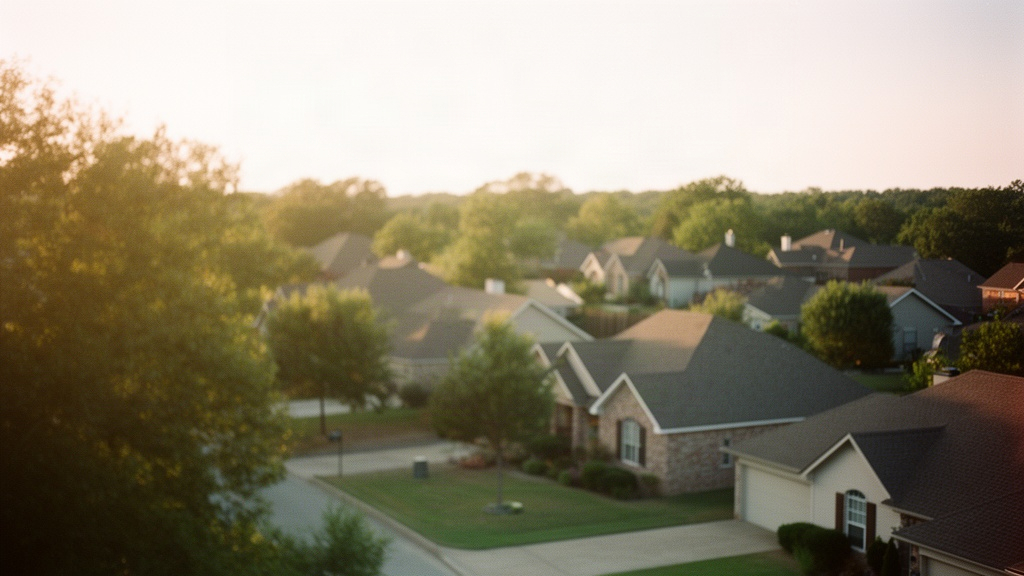
Cabot has a steady supply of platted residential lots in subdivisions across the city. Areas like Cherokee Ranch, Ashwood, and newer sections off Highway 321 and Judge Road have seen active development. These lots are typically a quarter to a half acre, already connected to city water and sewer, and governed by subdivision covenants that specify minimum square footage, exterior materials, and setbacks. For buyers who want to hire a builder and move quickly, these finished lots are the most straightforward path.
Cabot's newer subdivision activity is worth researching in detail before you buy a lot. New phases of existing developments can affect resale values and construction timelines for anyone building nearby. For a closer look at what is being built right now, the article on new developments and subdivisions in Cabot covers the active projects across the city.
Raw Acreage on the Outskirts of Town
Lonoke County surrounding Cabot still has a meaningful supply of undeveloped land. Parcels along Arkansas Highway 89, the corridors toward Ward to the north, and the rural stretches south toward England and Scott offer buyers the chance to own larger tracts. These parcels are often used for custom home builds on acreage, hobby farming, hunting leases, or simply as a long-term land investment. The Arkansas River bottomland east of Cabot also includes some agricultural parcels, though flood zone mapping is a critical consideration for any parcel in that direction.
Buyers of raw land should budget for expenses that do not apply to finished lots. A well and septic system in Lonoke County typically adds $15,000 to $30,000 or more to the cost of building, depending on depth to water and soil conditions. Bringing electric service to a remote parcel can add several thousand dollars per mile of line. These costs need to be factored into any comparison between a raw acreage purchase and a finished subdivision lot.
Commercial and Mixed-Use Parcels
Commercial land along Cabot's main corridors sees consistent demand tied to the city's growth. The US-67/167 frontage, the Main Street corridor through downtown, and the Highway 321 area near the Cabot School District facilities all attract interest from business owners and developers. Commercial parcels with highway frontage and existing utilities command a premium, often pricing well above comparable residential acreage on a per-square-foot basis.
3. What Drives Land Value in Cabot
Land value in Cabot is not just about acreage. Two parcels of identical size a mile apart can differ by tens of thousands of dollars based on a handful of factors that are easy to overlook if you are not familiar with the local market.
Utilities, Road Access, and Soil Conditions
Access to city water and sewer is the single biggest value driver for residential land in Cabot. Parcels within the Cabot city limits or in areas where the city has extended utility service are consistently worth more than comparable land that requires a private well and septic. Road access matters too: a parcel with paved road frontage is more valuable than one accessible only by easement or gravel road, both for financing purposes and for future resale.
Soil conditions in Lonoke County deserve attention, particularly for buyers planning to build. Much of the county has clay-heavy soil that can complicate both foundation design and septic system installation. A percolation test, commonly called a perc test, is standard practice before purchasing raw land intended for a home build. Some parcels that look attractive on paper have failed perc tests, which significantly limits their buildability and value.
Proximity to Cabot's Growth Corridors
Cabot's growth has pushed outward along several corridors, and land near those corridors tends to hold value well. The Highway 321 area, the Judge Road corridor, and the sections of town near Cabot Community Park and the Cabot Athletic Complex have seen consistent residential development. Land within a reasonable drive of the Walmart Supercenter on South Second Street, the Brookshire Brothers grocery, and the concentration of retail along the US-67 service road commands a premium because buyers know those amenities will remain accessible.
Commute access also affects land value in ways that are easy to underestimate. A parcel that sits three miles from the US-67/167 on-ramp adds meaningful drive time for anyone commuting to Little Rock or North Little Rock. That extra distance reduces the pool of buyers willing to pay top dollar, which matters when you eventually want to sell. Parcels with direct or near-direct highway access consistently move faster and at stronger prices.
Zoning and Deed Restrictions
Zoning determines what you can legally build on a parcel, and it is not always obvious from the listing. Cabot's city zoning map designates areas for residential single-family, residential multi-family, commercial, and agricultural uses, and the Lonoke County zoning ordinances apply to parcels outside city limits. Buyers should always verify current zoning with the City of Cabot Planning and Zoning Department or the Lonoke County offices before making an offer, especially if they have a specific intended use in mind.
Subdivision deed restrictions add another layer beyond zoning. Many Cabot subdivisions have covenants that restrict minimum home size, prohibit certain outbuildings, or require architectural approval. These restrictions can make a lot more or less attractive depending on what you plan to build. Reading the covenants before you close, not after, is essential.
4. Timing Your Land Purchase or Sale in Cabot
Timing matters in land transactions, though the patterns differ from the residential home market. Buyers and sellers who understand when demand peaks and when inventory builds up can use that knowledge to negotiate better terms.
Seasonal Patterns in the Cabot Land Market
Spring and early summer bring the most active land-buying period in Cabot, driven largely by buyers who want to break ground before the heat of an Arkansas summer peaks. Buyers who want to build a home often start land shopping in February or March so they can close, permit, and start construction by late spring. That seasonal demand pushes prices and competition higher from roughly March through June.
Fall and winter, by contrast, tend to be quieter for land in Cabot. October through January often see reduced buyer activity, which can work in favor of buyers willing to shop during that window. Sellers who list in fall sometimes accept more flexible terms or lower prices simply because fewer competing buyers are active. For buyers who are not in a rush, the fall months can offer real negotiating room on parcels that have been sitting since the spring rush.
How Inventory Levels Affect Your Leverage
Land inventory in Cabot is thinner than residential home inventory, which creates a different dynamic. When a finished lot in a desirable subdivision comes available, it can attract multiple interested buyers quickly, particularly if it is priced correctly and utilities are in place. Buyers who have already done their due diligence, confirmed financing options, and identified their preferred areas are in a much stronger position to act fast when the right parcel appears.
For sellers, pricing land accurately from the start is critical. Overpriced land sits. Unlike a home where buyers can see themselves living in the space, land requires more imagination and more financial planning from the buyer. A parcel that lingers on the market develops a stigma that makes subsequent price reductions less effective. Getting the price right at launch, based on current comparable sales rather than what a seller paid or what they hope to net, is the strongest strategy.
5. Practical Steps for Buyers and Sellers of Land in Cabot
Land transactions have more moving parts than most buyers and sellers expect going in. Working through these steps before you make an offer or list a parcel will save time, money, and frustration.
What Buyers Should Do Before Making an Offer
Confirm your financing first. Land loans are a separate product from home mortgages. Most conventional lenders require a larger down payment for raw land, often 20 to 35 percent, and interest rates on land loans run higher than on home loans. Some buyers use a construction-to-permanent loan that covers both the land purchase and the build, which can simplify the process if you plan to break ground within a defined timeframe. Knowing what you qualify for before you start shopping prevents wasted time and missed opportunities.
Order a survey if one is not already on file. Property boundaries on older Lonoke County parcels are sometimes described by metes and bounds in ways that do not match what a seller or their agent believes the parcel to be. A current survey protects you from buying less land than you think you are getting. Also pull the FEMA flood zone map for the parcel; much of the land east of Cabot toward the Arkansas River sits in or near flood zones that affect both buildability and insurance costs.
If you are also weighing whether to buy an existing home rather than build on land, the full breakdown of the buying process in Cabot is covered in the article on buying a home in Cabot: process, costs and timeline, which walks through every stage from pre-approval to closing.
What Sellers Should Do Before Listing
Gather your documentation before the parcel goes on the market. Buyers and their agents will want to see a current survey, the deed, any existing easements or encumbrances, utility availability letters from the City of Cabot or the relevant utility district, and any soil or perc test results you have. Having this documentation ready shortens the due diligence period and signals to buyers that the transaction will be straightforward.
Price based on what comparable land has sold for, not on what you need to net. Land comps in Cabot can be harder to pull than home comps because fewer transactions happen and the variables differ more between parcels. An agent with specific Cabot land experience can identify the most relevant sold parcels and help you build a defensible asking price. Sellers who skip this step and list at an aspirational price typically end up with a longer market time and a final sale price below what a correctly priced listing would have achieved.
For sellers who want to understand what the full listing process looks like, the article on who to call first before listing your home in Cabot covers the first steps in detail, including how to evaluate your options before signing anything.
The Arkansas housing market overall has remained active through 2026, with Lonoke County continuing to attract buyers priced out of the Little Rock metro. For a broader state-level view of what is driving buyer demand, the Arkansas housing market trends overview from Houzeo provides useful context on statewide price movements and inventory conditions.
FAQ
How is buying land in Cabot, Arkansas different from buying a house?
Land purchases require different financing than home purchases. Most lenders treat raw land and unimproved lots as higher-risk collateral, which means larger down payments, typically 20 to 35 percent, and higher interest rates than a standard mortgage. There is also no home inspection to rely on; instead, buyers need to conduct their own due diligence on soil conditions, flood zone status, utility availability, and zoning before committing. Title work is equally important, as older rural parcels in Lonoke County sometimes carry easements or boundary descriptions that need to be clarified before closing. Working with an agent who handles land transactions regularly in Cabot makes this process significantly smoother.
What is a realistic price range for a residential lot in Cabot right now?
As of October 2026, finished residential lots inside Cabot subdivisions with city water, sewer, and paved street access generally list between $25,000 and $70,000, with larger lots or those in newer developments with community amenities pushing toward $90,000. Raw acreage outside city limits on the surrounding Lonoke County roads typically runs $5,000 to $12,000 per acre for smaller parcels, though larger tracts and parcels requiring significant work can come in below that range. These figures represent active listing prices; actual sold prices depend on negotiation, days on market, and the specific characteristics of each parcel. Comparable sales pulled from the MLS give the most accurate picture for any specific area of town.
Is fall a good time to buy land in Cabot, Arkansas?
Fall tends to be a quieter period for land transactions in Cabot, which can work to a buyer's advantage. Fewer buyers are actively shopping between October and January compared to the spring and early summer rush, which means sellers of parcels that have been sitting may be more willing to negotiate on price or terms. The practical consideration is that if you plan to build, closing on land in fall means you likely will not break ground until the following spring, so you need to be comfortable with that timeline. Buyers who are patient and have done their homework on financing and due diligence requirements are well-positioned to find value during the fall months in this market.