← Back to Blog
Neighborhoods
What Are the Different Neighborhoods in Cabot, Arkansas and What Does Each Area Look Like
By Erika Sisson, Principal Broker
SB Realty & Property Management
August 29, 2026 · 6 min read
If you are trying to figure out what the different neighborhoods in Cabot, Arkansas look like before you buy or relocate, this guide breaks it down in plain terms. Cabot spans across a wide footprint in Lonoke County, roughly 25 miles northeast of downtown Little Rock, and the housing stock varies noticeably from one pocket of the city to the next. Knowing what to expect in each area can save you a lot of time during your search.
1. How Cabot Is Laid Out as a City
Cabot sits in Lonoke County and has grown steadily over the past two decades into one of the larger cities in central Arkansas. The city's layout is shaped largely by Highway 67/167, which cuts through the middle of town and serves as the main commercial spine. Residential areas fan out east and west of that corridor, with some neighborhoods tucked close to the original downtown grid and others stretching into what was farmland not long ago.
The Highway 67/167 Corridor
The corridor itself is mostly commercial, lined with grocery stores, restaurants, auto shops, and retail centers. Residential streets begin just a block or two off the main highway, and the transition from commercial to residential can happen quickly. Buyers who want walkable access to everyday errands often look at neighborhoods positioned just off this strip.
Cabot's Relationship to Little Rock
Commute times matter here. Cabot is approximately 25 miles from downtown Little Rock and about 20 miles from the Little Rock Air Force Base in Jacksonville. Drive times on Highway 67/167 can range from 30 to 45 minutes depending on traffic and which part of Cabot you leave from. For buyers who commute to the base or to the greater Little Rock metro, the location of a neighborhood within Cabot can affect daily drive times meaningfully.
2. Established Neighborhoods Near Downtown Cabot
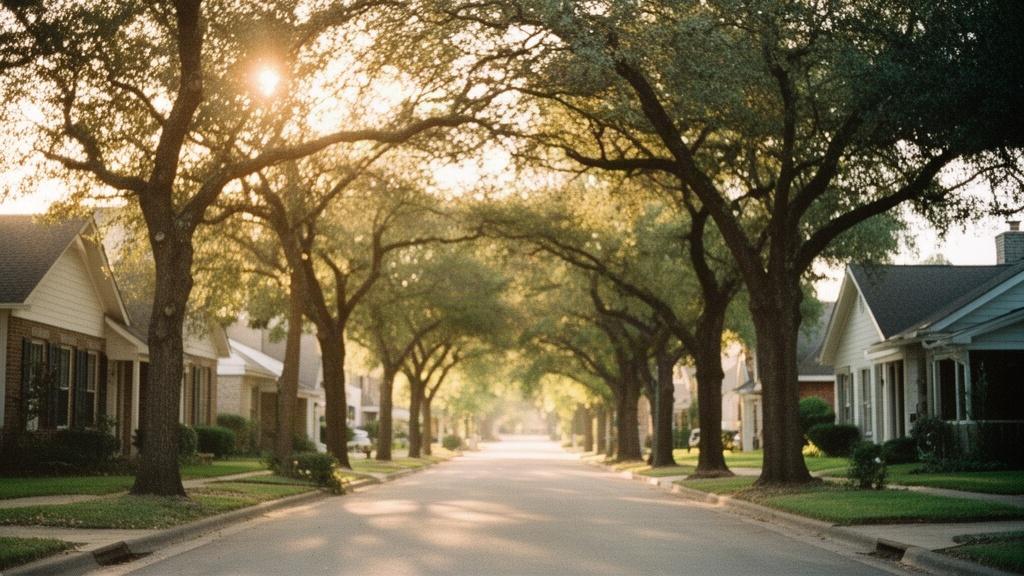
The areas closest to Cabot's original downtown core tend to feature older homes built from the 1960s through the 1990s. Streets here are more grid-like, lots tend to be smaller, and mature trees are common throughout. You will find a mix of ranch-style homes, brick construction, and some two-story houses that have been updated over the years.
Older Subdivisions and Lot Sizes
Lot sizes in the established core typically run from about 0.15 to 0.35 acres, which gives most homes a modest yard without requiring a lot of upkeep. Subdivisions like those along the streets west of Main Street or near the Cabot city park area reflect this pattern. Many of these homes have been owner-occupied for decades, and you will see a range of conditions from well-maintained originals to fully renovated properties.
Price Ranges in the Core
As of August 2026, homes in the older established sections of Cabot generally list in the $150,000 to $230,000 range, though updated homes with larger square footage can push higher. These areas tend to offer more square footage per dollar compared to newer construction, which can appeal to buyers who prioritize space and value over brand-new finishes. Condition varies widely, so inspections matter especially in this part of the market.
3. Newer Subdivisions on the Outer Edges of Cabot
Cabot has seen consistent residential development along its northern and eastern boundaries over the past 15 years, and that growth is still active in 2026. These newer subdivisions are where you will find the bulk of new construction and recently built homes, with HOAs, planned streetscapes, and amenities like community pools or walking trails in some communities. For a broader look at how these areas compare, this neighborhood breakdown from Arkansas House Search offers a useful overview of how Cabot's residential landscape is organized.
Growth Along the Northern and Eastern Boundaries
Areas along Ward Road, Cato Road, and the corridors heading toward Ward and Beebe have seen significant subdivision development. These neighborhoods typically feature homes built after 2005, with many constructed in the 2015 to 2026 window. Streets tend to be curvilinear rather than grid-based, cul-de-sacs are common, and the overall aesthetic is more suburban in character.
What Newer Construction Looks Like Here
Newer homes in these subdivisions commonly range from 1,400 to 2,800 square feet, with open floor plans, attached two-car garages, and vinyl or brick exteriors. Lot sizes are often in the 0.18 to 0.30 acre range, though some larger lots exist on the edges of newer phases. Price points for newer construction currently start around $220,000 and move up toward $380,000 or more for larger homes with premium finishes, as of August 2026.
4. Rural Acreage and Country Roads Around Cabot
Not every property in the Cabot area sits inside a subdivision. Lonoke County still has a significant inventory of acreage properties, rural homesites, and homes on private roads that fall within the Cabot school district or the broader Cabot zip codes. These listings look very different from subdivision homes and come with their own set of considerations.
Acreage Properties Outside the City Limits
Properties on one to ten acres or more are scattered throughout the rural roads surrounding Cabot, particularly heading east toward Lonoke and north toward Beebe. These homes often sit on well and septic systems rather than city utilities, and they range from modest older farmhouses to newer custom builds on large lots. The landscape here is flat to gently rolling, with open fields, tree lines, and occasional ponds on larger tracts.
What Buyers Should Know About These Listings
Acreage listings require additional due diligence. Well and septic inspections, perc tests for undeveloped land, and flood zone checks are all part of the process for rural properties in Lonoke County. Internet service options can also vary depending on how far a property sits from the city, so buyers who work remotely should verify broadband availability before making an offer.
5. What to Research Before Choosing Your Area in Cabot
Understanding what the different neighborhoods in Cabot, Arkansas look like is only the starting point. Before settling on an area, there are several practical factors worth verifying on your own through official sources. These are decisions that depend on your household's specific priorities, and a good agent will help you think them through while respecting that the final call is always yours.
Schools, Utilities, and Commute Considerations
School assignment in Cabot is tied to the Cabot School District, which serves most of the city and surrounding rural areas. Utility providers and service areas can also shift depending on whether a property is inside or outside city limits, so confirming water, sewer, and trash service with the City of Cabot directly is worth doing early.
Using Third-Party Sources to Compare Areas
For a broader picture of Cabot's residential areas, the AR Property neighborhood guide for Cabot provides a useful supplemental reference alongside your own research. Census data from the U.S. Census Bureau can give you demographic and housing unit breakdowns by zip code if you want to understand the housing composition of a specific pocket of the city. Pairing those resources with boots-on-the-ground knowledge from a local agent gives you the most complete picture.
FAQ
What are the different neighborhoods in Cabot, Arkansas and how do they differ in price?
Cabot's neighborhoods range from established older subdivisions near downtown, where homes typically list between $150,000 and $230,000, to newer construction communities on the city's outer edges where prices commonly run from $220,000 to $380,000 or more as of August 2026. Rural acreage properties outside city limits vary widely depending on land size and improvements. The biggest price drivers across all areas are square footage, age of the home, lot size, and whether the property is on city utilities or well and septic. Working with a local agent who knows current inventory across all these pockets will help you find the right fit for your budget.
Is Cabot, Arkansas still growing and are new neighborhoods being built?
Yes, Cabot has been one of the more active growth areas in central Arkansas for the past decade and that activity continues in 2026. New subdivision phases are regularly being added along the northern and eastern edges of the city, particularly in areas feeding off Ward Road and Cato Road. Builders active in the Cabot market offer a range of price points and floor plans, so buyers interested in new construction have real options here. Inventory in newer communities can move quickly, so staying connected with a local agent who tracks new phases as they open is helpful.
How do I figure out which part of Cabot, Arkansas is right for my household?
Start by identifying your non-negotiables, such as commute distance, budget, lot size preferences, and whether you want city utilities or are open to well and septic. From there, narrow your search by physically visiting neighborhoods at different times of day to get a feel for traffic, noise, and proximity to amenities like parks, grocery stores, and the Highway 67/167 commercial corridor. For school information, check the Arkansas Division of Elementary and Secondary Education's website directly, since school assignments can vary even within the same zip code. A local agent who works the Cabot market daily can help you match your priorities to specific subdivisions and listing inventory without wasting time on areas that do not fit your needs.