

← Back to Blog
Market Trends
Little Elm, Texas Has the Best Reputation Real Estate Market Guide: Prices, Neighborhoods and Timing
By Esther Kayode
JPAR Real Estate
September 16, 2026 · 10 min read
Little Elm, Texas has earned a strong reputation as one of the more active real estate markets in the Dallas-Fort Worth metro, and this guide breaks down exactly what buyers and sellers need to know in September 2026. Whether you are relocating from out of state, moving within Denton County, or preparing to list your home, understanding current prices, neighborhood features, and market timing will save you time and money. Here is everything that matters, in plain language, with real numbers.
1. Why Little Elm's Real Estate Reputation Holds Up in 2026
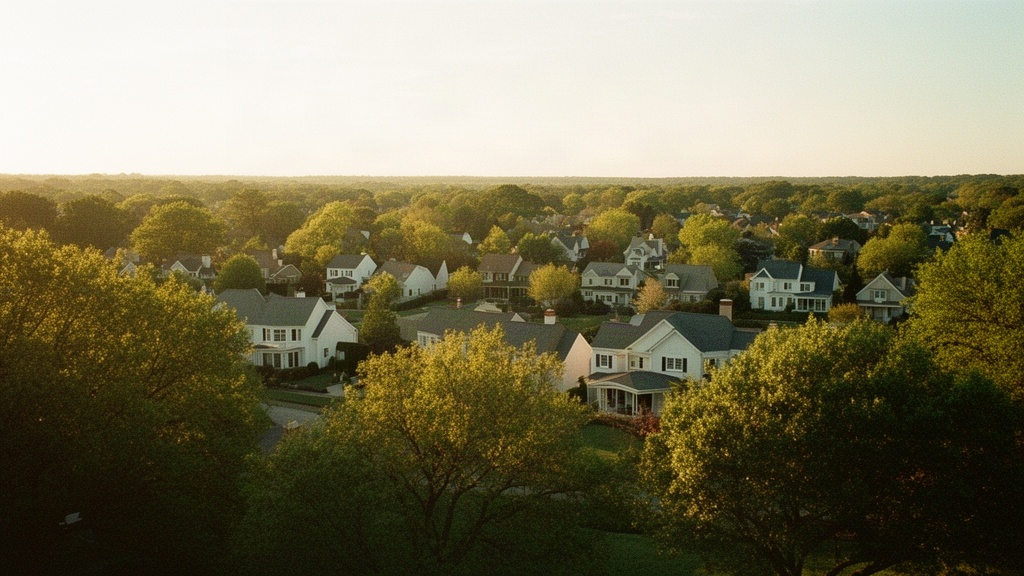
Little Elm's real estate market has a strong reputation because the fundamentals are real. The town sits on the north shore of Lewisville Lake, spans roughly 20 square miles, and sits about 35 miles north of downtown Dallas along the US-380 and FM-720 corridors. That combination of lake access, proximity to the Dallas North Tollway, and a steady pipeline of new construction has kept buyer interest consistent even as other DFW submarkets cooled between 2024 and 2026.
What Drives Demand in Little Elm
Three things consistently pull buyers toward Little Elm. First, the lake. Lewisville Lake offers roughly 29,000 acres of water, and homes along the shoreline or within walking distance of public boat ramps command a premium that holds even when the broader market softens. Second, price point. Compared to Frisco directly to the south or Prosper to the west, Little Elm has historically offered more square footage per dollar, which matters when median prices across Collin and Denton counties remain elevated. Third, infrastructure investment. The town has added retail, dining, and road capacity steadily over the past decade, and that trajectory has not reversed.
How Little Elm Fits Into the Broader Denton County Market
Denton County as a whole has seen inventory climb significantly since 2024. Statewide, Texas housing inventory jumped roughly 40 percent over that period, yet prices held relatively flat rather than dropping sharply, a pattern explained in detail by HousingWire's analysis of Texas inventory and pricing trends. Little Elm sits inside that broader dynamic: more homes to choose from than in 2022 or 2023, but sellers are not panicking on price. Buyers have more negotiating room than they did two years ago, but they should not expect deep discounts on well-maintained listings.
2. Current Prices and What They Mean for Buyers and Sellers
In September 2026, Little Elm's median home price sits in the low-to-mid $400,000s, with meaningful variation depending on lot type, age of construction, and proximity to the lake. For a detailed breakdown of current figures, the home prices in Little Elm Texas right now in September 2026 article on this site covers the numbers specifically.
Median Home Prices in September 2026
Entry-level detached homes, typically built between 2005 and 2015, are trading in the $360,000 to $410,000 range for 1,600 to 2,200 square feet. Mid-range homes with three or four bedrooms, a game room, and a two-car garage in a master-planned community are clustered between $420,000 and $520,000. Lakefront or lake-view properties, which represent a smaller slice of the market, frequently exceed $600,000 and can push past $900,000 for custom builds with private dock access. These ranges reflect what is actually closing right now, not list prices, which often start 2 to 5 percent higher.
Price Per Square Foot and What You Get for It
Price per square foot in Little Elm currently runs between $175 and $220 for most non-lakefront homes, depending on finishes and HOA amenities. New construction from builders like D.R. Horton, Lennar, and Bloomfield Homes tends to land at the higher end of that range because buyers are paying for warranties and modern floor plans. Resale homes in established sections of communities like Paloma Creek or Union Park often price slightly below new construction on a per-square-foot basis, which can represent real value if the home has been well maintained.
How Inventory Levels Are Shaping Negotiations
Inventory in Little Elm is running at roughly three to four months of supply as of September 2026, which puts the market close to balanced. That means buyers can ask for concessions, inspection repairs, and even rate buydowns without automatically losing a home to a competing offer. Sellers who price accurately from day one are still moving their homes within 30 to 45 days. Sellers who overprice are sitting longer and eventually reducing, which is a pattern worth understanding whether you are buying or listing. For a closer look at how long homes are actually sitting, the days on market in Little Elm Texas right now article has the current data.
3. Neighborhood Features Across Little Elm
Little Elm is not one uniform neighborhood. It contains a mix of lakefront streets, large master-planned subdivisions, older established sections near the town center, and active new construction corridors. Understanding the physical differences between these areas helps buyers focus their search and helps sellers position their home correctly.
Lakefront and Lake-Access Areas
The streets closest to Lewisville Lake, particularly along Eldorado Parkway near the Little Elm Park and the marina, include a mix of custom homes, townhomes, and older ranch-style properties on larger lots. Little Elm Park itself covers about 110 acres and includes a beach area, boat ramps, fishing piers, and a splash pad. Homes within a half-mile of the park tend to hold value well because that recreational draw is not going away. The tradeoff is that some of the older homes in this zone need updating, so buyers should budget for renovations if they are targeting a resale property rather than new construction. The living near Lewisville Lake in Little Elm article covers what that lifestyle actually looks like day to day.
Master-Planned Communities Inland
Paloma Creek is one of the largest master-planned communities in Little Elm, with several thousand homes built primarily between 2007 and 2018. It includes multiple pools, walking trails, a catch-and-release pond, and a community center. HOA fees in Paloma Creek currently run in the $500 to $700 per year range depending on the section, which is on the lower end for a community with that level of amenities. Union Park, located along Windsong Parkway near the Frisco border, is a newer master-planned development with a fitness center, resort-style pools, and fiber internet infrastructure built into the community design. Homes there tend to be newer and carry slightly higher HOA fees, typically in the $1,200 to $1,500 per year range.
For a thorough breakdown of what each neighborhood offers physically, the neighborhoods in Little Elm Texas guide on this site covers lot sizes, HOA structures, and community features across the major subdivisions.
New Construction Pockets
Active new construction in Little Elm in 2026 is concentrated in the northern sections of town near the Denton County line and along the FM-720 extension. Builders are delivering homes in the 1,800 to 3,200 square foot range, with three to five bedrooms and open-concept layouts that have been standard in DFW new construction since roughly 2018. Many of these homes come with smart home packages, energy-efficient HVAC systems, and builder warranties covering structural components for up to ten years. The catch is that some of these sections are still developing, meaning buyers may live next to active construction for one to two years after closing. The new construction developments in Little Elm Texas in 2026 article details which builders are active and what the current incentive packages look like.
4. Market Timing: When to Buy and When to List in Little Elm
Timing in real estate is rarely about finding the perfect month. It is about understanding the seasonal rhythm of a specific market and aligning your move with conditions that favor your position, whether you are buying or selling.
Seasonal Patterns That Affect Pricing
Little Elm follows the broader North Texas seasonal pattern, with the highest volume of listings and buyers active between March and June. That spring window typically produces the most competition among buyers and the strongest sale prices for sellers. Summer activity stays solid through July but begins to taper in August as families settle before the school year. September, which is right now, represents a transitional window. Buyer urgency has eased slightly compared to spring, but motivated buyers who missed out earlier in the year are still actively searching. Sellers who list in September and October face less competition from other listings than they would in April, which can work in their favor if the home is priced correctly.
What Days on Market Tell You Right Now
In September 2026, the average days on market for Little Elm homes is running between 28 and 45 days, depending on price band. Homes priced under $420,000 are moving faster, often under 30 days, because that price range attracts the largest pool of qualified buyers. Homes priced above $550,000 are sitting longer, sometimes 60 days or more, which reflects both a smaller buyer pool and the fact that rate-sensitive buyers are more cautious at that price point. Understanding where your target home or your listing sits within these bands shapes how aggressively you should negotiate or price.
Seller Strategy in a Balanced Market
Sellers in a balanced market cannot rely on multiple offers to push their price above asking. The homes that sell quickly and close at or near list price in September 2026 share a few characteristics: they are priced within 2 to 3 percent of comparable closed sales, they show well with updated kitchens or baths, and they are marketed with professional photography and accurate square footage. Sellers who skip staging, use phone photos, or price based on what they paid plus renovations rather than what the market will bear are the ones sitting for 60 or 90 days and eventually reducing.
5. Practical Steps for Relocating to Little Elm from Denton or Beyond
Relocating buyers, whether coming from Denton proper, from another Texas city, or from out of state, face a specific challenge in Little Elm: the market moves fast enough that remote research alone is rarely sufficient. Here is how to approach it systematically.
Getting Your Finances Lined Up First
Pre-approval is not optional in Little Elm. Even in a balanced market, sellers will not take an offer seriously without a lender letter, and in the sub-$420,000 range where competition is still real, a pre-approval from a reputable lender can be the difference between getting a home and losing it. Beyond the pre-approval itself, buyers relocating to Little Elm should factor in property taxes when calculating their monthly payment. Denton County property tax rates, combined with local MUD and PID assessments that apply to many newer subdivisions, can add $500 to $700 per month to the cost of a $450,000 home. The property tax rate in Little Elm Texas on a $450,000 home article breaks this down with actual numbers.
Narrowing Down the Right Neighborhood
Buyers relocating from Denton, which sits about 25 miles northwest of Little Elm along US-380, often have specific commute considerations. The drive from Little Elm to downtown Denton runs roughly 30 to 40 minutes on a normal weekday, depending on where in Little Elm you are starting. Buyers who work in Frisco, Plano, or Dallas should map their commute from specific neighborhoods before committing, because the difference between a home near the Dallas North Tollway and one on the far north end of town near Denton County Line Road can add 15 to 20 minutes each way. For commute context to Dallas specifically, the commute from Little Elm Texas to downtown Dallas during rush hour article has the real-world timing.
Beyond commute, buyers should research the school districts that serve the address they are considering, since Little Elm ISD and Frisco ISD both serve parts of the town depending on location. For school district research, the Texas Education Agency's website at tea.texas.gov publishes accountability ratings and campus-level data that buyers can review directly. This is a personal decision that every buyer should evaluate using official state sources rather than third-party rankings.
Working With a Local Expert
The Little Elm market has enough nuance, between HOA structures, MUD districts, builder incentives, and lake-area pricing premiums, that working with an agent who knows Denton County specifically makes a real difference. An agent familiar with the area can tell you whether a list price reflects the actual market or an optimistic seller, which new construction communities are offering meaningful incentives right now, and which streets have drainage or infrastructure issues that would not show up in a standard listing description. That local knowledge is not something you can fully replicate with online research alone, even with good data sources.
For broader context on how the Dallas area market fits into the Texas statewide picture, HousingWire's analysis of why Texas housing markets have stalled provides useful background on the macro forces shaping prices and inventory across the region.
FAQ
Is Little Elm, Texas a good market for buyers right now in September 2026?
September 2026 gives buyers more leverage than they had in 2022 or 2023. Inventory is running at roughly three to four months of supply, which means buyers can negotiate on price, ask for closing cost contributions, and request repairs without automatically losing a home to a competing offer. The sub-$420,000 price range is still competitive, so buyers in that band should be pre-approved and ready to move quickly. Above $500,000, buyers have more time and more room to negotiate. Overall, it is a more balanced market than Little Elm has seen in several years, which favors prepared buyers who have done their homework on pricing and taxes.
How do property taxes and HOA fees affect the true cost of owning a home in Little Elm?
Property taxes in Little Elm carry a combined rate that includes Denton County, the town of Little Elm, and in many newer subdivisions, a Municipal Utility District or Public Improvement District assessment on top of that. On a $450,000 home, the total annual tax bill can run between $9,000 and $12,000 depending on the specific district, which translates to $750 to $1,000 per month added to your mortgage payment. HOA fees vary widely, from around $500 per year in older sections of Paloma Creek to $1,500 or more per year in newer master-planned communities with resort amenities. Buyers should always calculate the full monthly cost including taxes, HOA, insurance, and any MUD assessments before comparing Little Elm to other markets.
What is the difference between homes in Little Elm ISD versus Frisco ISD within Little Elm?
Parts of Little Elm, particularly in the southern sections near the Frisco border including much of Union Park, are served by Frisco ISD rather than Little Elm ISD. The district boundary is address-specific, so two homes on the same street can sometimes be zoned to different districts. Buyers should verify the serving district for any specific address using the Texas Education Agency's school locator tool or by contacting the districts directly. For research on campus-level performance data, the TEA publishes accountability ratings at tea.texas.gov. This is an important step for any buyer with school-age children, and it should be confirmed before making an offer rather than assumed based on neighborhood name alone.