
← Back to Blog
Market Trends
Alpharetta, Georgia Real Estate Market Guide: Prices, Neighborhoods and Timing
By Evelyn Pinargote
Exp Realty, LLC Central
September 30, 2026 · 12 min read
Alpharetta, Georgia has earned a strong reputation as one of metro Atlanta's most closely watched real estate markets, and for good reason: prices are substantial, inventory moves quickly, and the mix of housing types is broader than most people expect. This guide covers what homes actually cost right now, how the major neighborhoods differ in character and price point, and how to think about timing whether you are buying, selling, or relocating to the area.
1. Why Alpharetta's Real Estate Market Stands Apart in Metro Atlanta
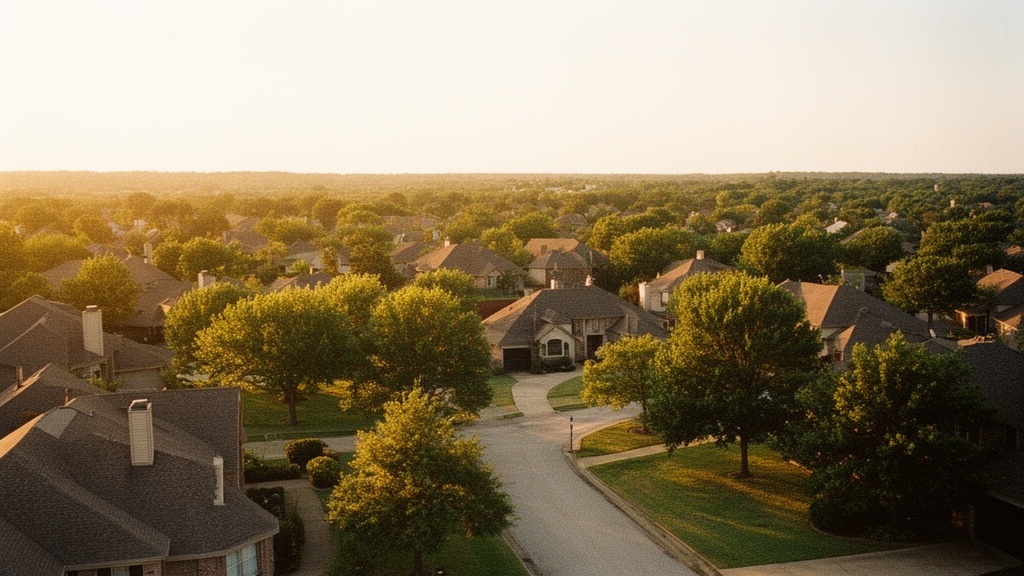
Alpharetta's real estate market carries a strong reputation because the fundamentals that drive it are concrete and durable. The city sits roughly 26 miles north of downtown Atlanta along the GA-400 corridor, which puts it within reach of Buckhead and Midtown while offering its own dense employment base. That combination of accessibility and local jobs has sustained buyer demand through multiple market cycles.
A Technology and Corporate Hub with Housing Consequences
The area around Alpharetta has accumulated a significant concentration of technology companies, financial services firms, and corporate campuses over the past two decades. That employment base generates consistent demand for housing from relocated employees and local workers alike. When a major employer expands or relocates to the area, the ripple effect on nearby home prices is measurable and relatively fast.
Alpharetta's proximity to Roswell, Johns Creek, and Milton also means buyers who cannot find what they want inside city limits often shop across those borders, which keeps the broader corridor competitive. Understanding Alpharetta's market therefore means understanding how it fits into the wider north Fulton County picture.
What the Reputation Actually Reflects
The city's reputation in real estate circles comes from a track record of price appreciation that has outpaced many comparable suburban markets, combined with a walkable downtown core that was largely built from scratch over the last decade. The Avalon mixed-use development, which opened in phases starting around 2014, fundamentally changed how people think about Alpharetta as a place to live. It added a walkable retail and restaurant district to what had previously been a car-dependent suburb, and home prices within walking distance responded accordingly.
For a broader look at how metro Atlanta's real estate landscape has evolved alongside Alpharetta's growth, HousingWire's profile of Atlanta's real estate market provides useful context on the scale of the region and the forces shaping it.
2. Alpharetta Home Prices: What the Numbers Say in September 2026
Alpharetta sits at the higher end of the metro Atlanta price spectrum. As of September 2026, the median sale price for single-family homes in Alpharetta is tracking in the range of $680,000 to $720,000 depending on the specific zip code and neighborhood, with the 30009 zip code covering downtown and Avalon consistently running at the upper end of that range.
Median Sale Price and Price Per Square Foot
Price per square foot in Alpharetta currently runs between $220 and $310 depending on age of the home, finishes, and proximity to Avalon and downtown. Newer construction in master-planned communities on the north side of the city tends to land closer to $250 to $280 per square foot, while renovated or custom homes near the downtown core can push past $300. Townhomes, which have become increasingly common in Alpharetta over the past several years, typically sell in the $450,000 to $600,000 range depending on size and location.
Condominiums and smaller attached units are less common in Alpharetta than in Midtown Atlanta or Buckhead, but the Avalon corridor has added a meaningful supply of higher-end attached product. Those units tend to start around $500,000 and can exceed $900,000 for larger penthouse-style layouts. Entry-level detached homes in Alpharetta are rare; buyers with budgets under $450,000 will find more options in neighboring Roswell or in parts of Cumming just north of the Fulton County line.
How Alpharetta Compares to the Broader Georgia Market
Georgia's housing market as a whole shows a wide spread between its urban and suburban cores and its smaller cities. A recent analysis from HousingWire noted a stark divide in how quickly homes sell across different Georgia markets, with high-demand suburban corridors like Alpharetta moving homes significantly faster than smaller or more rural markets. That contrast matters for buyers relocating from other parts of the state: the pace of competition in Alpharetta is materially different from what you would encounter in Augusta or Savannah.
If you are also considering Georgia, Georgia as part of your relocation search, the Georgia, Georgia real estate market guide on this site covers pricing, neighborhoods, and timing in that market in comparable depth.
3. Alpharetta Neighborhoods: Housing Stock, Character, and Price Ranges
Alpharetta is not a single neighborhood; it is a collection of distinct residential areas with different housing types, lot sizes, architectural styles, and price points. Understanding those differences is essential before writing an offer, because two homes priced similarly can sit in areas with very different commute distances, lot configurations, and access to amenities.
Downtown Alpharetta and the Avalon Corridor
The area immediately surrounding downtown Alpharetta and the Avalon development contains the city's most walkable housing. Older bungalows and craftsman-style homes from the mid-20th century sit alongside newer infill construction and townhome rows. Lot sizes are smaller here, typically under a quarter acre, but the tradeoff is the ability to walk to restaurants, the Alpha Loop trail system, and weekend events at Avalon without getting in a car.
Prices in this corridor reflect the walkability premium. A renovated three-bedroom bungalow within a half mile of downtown can list at $600,000 to $750,000. Newer townhomes built in the last five years often start at $550,000 and climb from there depending on finishes and whether they include a rooftop terrace or two-car garage.
North Alpharetta and Windward
Windward is one of Alpharetta's largest master-planned communities, built primarily in the 1980s and 1990s around Windward Lake and an 18-hole golf course. Homes here range from smaller patio homes around 1,800 square feet to large traditional two-story houses exceeding 5,000 square feet. The community has its own amenities including tennis courts, a swim club, and lakeside walking paths. Prices in Windward currently run from roughly $550,000 for smaller updated homes to well over $1.2 million for larger lakefront or golf-course-adjacent properties.
The broader north Alpharetta area along GA-400 near exits 11 and 12 also contains newer subdivisions built in the 2000s and 2010s, with four- and five-bedroom homes on half-acre lots. These neighborhoods tend to have homeowners association amenities like pools and tennis, and they sit close to the Alpharetta Technology Park corridor, which reduces commute times for employees of companies based there.
Webb Bridge and Old Milton Parkway Area
The area along Webb Bridge Road and Old Milton Parkway represents a middle tier in Alpharetta's market, with established subdivisions that were built largely between 1995 and 2010. Lot sizes here are typically between a quarter and three-quarters of an acre. Homes tend to be traditional brick or brick-front construction with four bedrooms and two to three car garages. Prices in this zone currently cluster between $575,000 and $850,000 depending on updates and lot position.
This part of Alpharetta is also where you find some of the city's largest swim and tennis communities, with pools that serve hundreds of households and active summer programming. The Webb Bridge Road corridor connects to Haynes Bridge Road, giving residents multiple east-west routes to avoid GA-400 congestion for local errands.
Crabapple and the Milton Border
The Crabapple area straddles the Alpharetta-Milton border and has a noticeably different character from the rest of Alpharetta. Lots are larger here, often one to five acres, and the housing stock includes a mix of custom-built homes, equestrian properties, and newer luxury construction. The Crabapple Crossing area has a small-town historic district feel with local shops and restaurants clustered around a crossroads, and the surrounding land retains a more rural character than you find closer to GA-400.
Prices in the Crabapple and Milton border area start around $700,000 and extend well past $2 million for larger custom homes on acreage. Buyers drawn to this area often prioritize privacy, larger lots, and the ability to have a detached workshop, pool house, or guest cottage, which are more feasible on the larger parcels available here than anywhere closer to downtown Alpharetta.
4. Market Conditions Right Now: Inventory, Days on Market, and Competition
Alpharetta's market in September 2026 remains supply-constrained relative to demand, which keeps sellers in a relatively strong position even as mortgage rates have moderated buyer purchasing power compared to the pre-2022 era. Active inventory levels are higher than they were at the peak of the 2021 to 2022 frenzy, but still below what would be considered a balanced market for a city this size.
Supply Levels and What They Mean for Buyers
Alpharetta currently has roughly two to three months of supply for most price bands below $900,000, which favors sellers. Above $1.2 million, inventory is more plentiful and buyers have more negotiating room, with some listings sitting for 60 to 90 days before going under contract. The sweet spot of competition is the $600,000 to $850,000 range, where well-priced, well-presented homes are still drawing multiple offers within the first week of listing.
New construction has added some supply pressure in specific pockets, particularly in the north Alpharetta area where several builders are active. For a detailed look at what is being built right now in and around the broader Georgia market, the article on new residential developments and subdivisions in 2026 covers active projects and what buyers can expect from new construction timelines and pricing.
How Fast Homes Are Moving
The median days on market for Alpharetta homes priced correctly is currently running between 12 and 22 days. Homes that come to market overpriced by even five percent tend to sit noticeably longer and often require price reductions, which can signal weakness to subsequent buyers and lead to lower final sale prices than if the home had been priced accurately from day one.
For sellers, the implication is clear: pricing strategy matters more in this market than it did when every home sold regardless of list price. For buyers, the implication is equally clear: when a home in the $600,000 to $850,000 range hits the market in good condition and at a fair price, waiting a week to see how things develop often means missing it entirely. Pre-approval letters and a clear sense of your priorities before you start touring are not optional in this market.
5. Timing Your Move: When to Buy or Sell in Alpharetta
Timing in Alpharetta follows a recognizable seasonal pattern, though the differences between peak and off-peak are less dramatic than in markets with harsher winters. The key is understanding what each season offers and aligning your goals with the period that serves them best.
The Seasonal Pattern in Alpharetta
Spring, specifically March through May, is when the largest volume of listings hits the market and buyer competition peaks. Sellers who list in this window typically see the most showings and the strongest offers. Summer carries strong activity through July, driven partly by corporate relocation cycles tied to fiscal year starts and transfers. August tends to slow slightly as families focus on the start of the school year.
Fall, from September through November, is a meaningful secondary selling season in Alpharetta. Inventory drops as some sellers who did not sell in spring take their homes off the market, which means buyers who are active in fall face less competition than in spring even though the total pool of available homes is smaller. Homes that sell in October and November tend to close before the holidays, which motivates both buyers and sellers to move efficiently through the process.
What September 2026 Looks Like for Buyers and Sellers
Right now, in September 2026, Alpharetta is in its fall transition. Some spring listings that did not sell have been pulled, reducing competition for buyers. New listings coming to market this month tend to be from sellers with genuine motivation, whether due to job changes, life events, or a decision to stop waiting for a market shift that may not come. That motivation often creates room for negotiation that was absent in the spring.
For sellers listing this month, the window to close before the holidays is real but not infinite. A home listed in late September that goes under contract within three weeks can realistically close in late October or early November, which aligns well with buyers who want to be settled before Thanksgiving. Pricing correctly from the start is especially important in September because the pool of active buyers, while serious, is smaller than in peak spring months.
If you are weighing whether to buy now or wait, the article on home inventory seasons and fall 2026 buying timing breaks down how seasonal inventory shifts affect buyer leverage in the current environment.
Buyers should also come prepared with a clear understanding of closing costs before making offers. The guide on what closing costs to expect as a buyer in Georgia this year walks through the line items in detail so there are no surprises at the closing table.
6. What Alpharetta Offers Beyond the Transaction
A real estate market guide is incomplete without acknowledging what makes people want to live somewhere in the first place. Alpharetta's physical infrastructure has been built out substantially over the past decade in ways that affect daily life and therefore long-term housing demand.
The Alpha Loop and Outdoor Infrastructure
The Alpha Loop is a multi-use trail system that, when complete, will connect downtown Alpharetta, Avalon, and surrounding neighborhoods in a continuous loop of approximately seven miles. Sections are already open and actively used for running, cycling, and walking. The trail passes through Big Creek Greenway, which itself extends for miles and connects to Forsyth County to the north. This kind of trail infrastructure is a meaningful amenity that shows up in the price premiums commanded by homes within a short walk of access points.
Dining, Retail, and the Avalon Effect
Avalon brought a curated mix of national retailers, local restaurants, a hotel, and a movie theater to a single walkable district that did not exist fifteen years ago. The development hosts outdoor concerts and seasonal events that draw residents from across north Fulton County. Downtown Alpharetta itself, centered on Milton Avenue and Academy Street, has a separate collection of locally owned restaurants, boutiques, and the Alpharetta City Center park, which hosts the weekly farmers market and outdoor programming throughout the year.
Commute Access and GA-400
GA-400 is the primary artery connecting Alpharetta to Atlanta, and commute times vary considerably depending on where in Alpharetta you live and where in Atlanta you work. During peak morning hours, the drive from the GA-400 and Windward Parkway interchange to the Buckhead area of Atlanta typically runs 35 to 55 minutes. The Georgia 400 Express Lanes, which allow toll-paying drivers to bypass general traffic, have reduced travel time variability for commuters willing to pay the toll. MARTA's North Springs station at the southern end of the GA-400 corridor provides rail access to downtown Atlanta, though it requires a drive or ride from most Alpharetta neighborhoods to reach the station.
For buyers evaluating Alpharetta as part of a broader Atlanta metro search, the Atlanta, Georgia real estate market guide covers the intown Atlanta market in comparable depth and can help clarify how the two markets relate to each other.
FAQ
What is the median home price in Alpharetta, Georgia right now?
As of September 2026, the median sale price for single-family homes in Alpharetta is running between $680,000 and $720,000 depending on the specific neighborhood and zip code. The 30009 zip code, which covers downtown Alpharetta and the Avalon area, consistently sits at the upper end of that range. Townhomes typically sell between $450,000 and $600,000, while luxury and custom homes in the Crabapple and Milton border area can exceed $2 million. Price per square foot ranges from roughly $220 to $310 depending on age, condition, and location.
Is Alpharetta a good market to buy in right now, or should I wait?
Alpharetta's market in September 2026 is in its fall transition, which typically offers buyers slightly less competition than the spring peak while still providing a reasonable selection of motivated sellers. Homes priced correctly in the $600,000 to $850,000 range are still moving within two to three weeks, so buyers need to be pre-approved and ready to act. Waiting for a significant price drop is a speculative strategy in a market this supply-constrained; the more reliable approach is to get your finances in order, understand your priorities, and work with a knowledgeable local agent to identify the right opportunity when it appears.
How do Alpharetta's different neighborhoods compare in price and housing type?
Alpharetta has several distinct residential areas with meaningfully different price points and housing styles. The downtown and Avalon corridor features walkable townhomes and renovated bungalows in the $550,000 to $750,000 range on smaller lots. Windward and north Alpharetta offer larger traditional homes in master-planned communities from $550,000 to well over $1.2 million. The Webb Bridge and Old Milton Parkway area contains established brick subdivisions from the mid-$500,000s to $850,000. The Crabapple and Milton border area has larger lots and custom homes starting around $700,000 and extending past $2 million. Each area has different commute distances, lot sizes, and community amenities, so the right choice depends on your specific priorities.