
← Back to Blog
Local Living
What Is It Like to Live in Downtown Ridgewood NJ and How Walkable Is the Village Area
By Fabienne Theard
September 26, 2026 · 10 min read
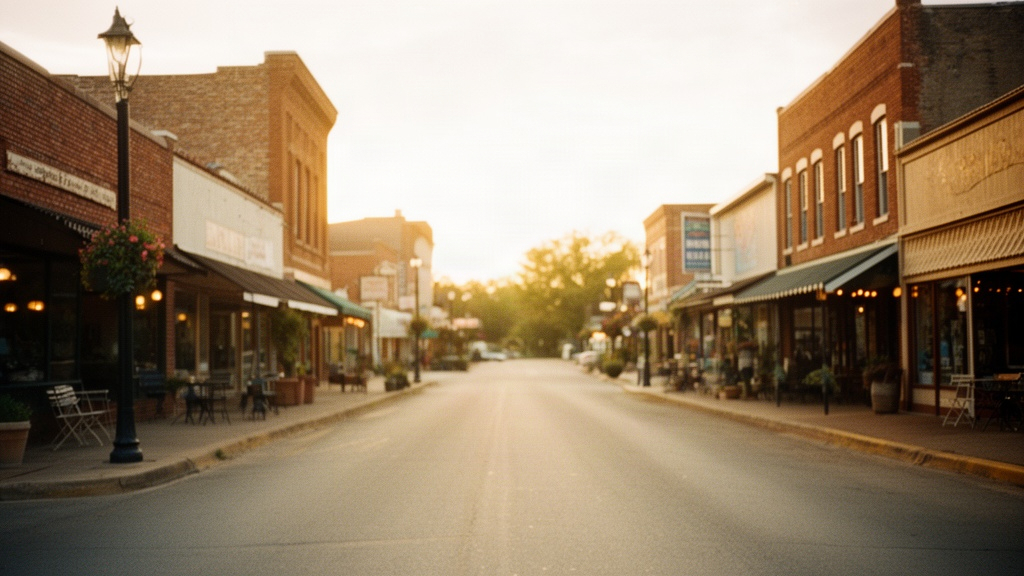
Downtown Ridgewood, NJ delivers a daily experience that is genuinely rare in Bergen County: a compact, tree-lined village center where you can walk to the train, grab coffee, run errands, and eat dinner without touching your car. If you are researching what it is like to live in downtown Ridgewood NJ and how walkable the village area really is, this guide covers everything from the street grid and housing stock to commute realities and the rhythm of everyday life within walking distance of the Ridgewood train station.
1. The Layout of Downtown Ridgewood and What Makes It Walkable
Downtown Ridgewood is genuinely walkable. The village core earns a Walk Score in the low-to-mid 80s, which places it in the "Very Walkable" category, meaning most everyday errands can be completed on foot. That score is not an abstraction: it reflects a tight grid of wide sidewalks, short blocks, and a concentration of retail, dining, and services within roughly a quarter-mile radius of the Ridgewood NJ Transit station on the Main Line.
The Street Grid and Sidewalk Network
The downtown grid centers on East Ridgewood Avenue, which runs east-west through the heart of the village and is lined with storefronts on both sides for several continuous blocks. North Broad Street, Chestnut Street, and Wilsey Square intersect nearby, creating a small but dense commercial core that you can walk end-to-end in under ten minutes.
Sidewalks throughout the village center are wide, well-maintained, and shaded by a mature tree canopy that the borough actively maintains. Crosswalks are marked and signaled at major intersections. The terrain is mostly flat, which matters for anyone who walks regularly or uses a stroller or bicycle.
Walk Score and What It Reflects in Practice
Walk Score algorithms measure proximity to amenity categories: grocery stores, restaurants, schools, parks, retail, and transit. Ridgewood's downtown performs well across nearly all of them. The score drops slightly as you move more than half a mile from the train station, where the character shifts from commercial to purely residential and sidewalks become narrower. If walkability is a priority, properties within about a five-to-seven-block radius of the station offer the most consistent pedestrian access.
For a broader look at how the village area fits into Ridgewood's overall real estate picture, the Ridgewood NJ real estate market guide covers pricing trends and neighborhood context across the whole town.
2. What You Can Reach on Foot from the Village Core
The village core puts a wide range of daily needs within a short walk. East Ridgewood Avenue and the surrounding blocks contain more than 200 individual businesses, including restaurants, cafes, specialty shops, a year-round farmers market, and personal services. This density is what separates downtown Ridgewood from most other Bergen County towns, where commercial activity is more spread out along arterial roads and requires a car.
Dining, Coffee, and Everyday Retail
The restaurant count in the village is high relative to the borough's size. You will find Italian trattorias, Japanese and Korean spots, French bistro-style dining, casual burger and pizza places, and multiple independent coffee shops, all within a few blocks of each other. Felina, a widely recognized wood-fired restaurant on East Ridgewood Avenue, draws diners from across Bergen County. Corkscrew Wine Bar and several other spots offer evening options without leaving the village on foot.
Retail is a mix of independent boutiques and a handful of national brands. You can find clothing, home goods, gifts, stationery, and specialty food items without leaving the walkable core. The Ridgewood Farmers Market runs on Saturdays from spring through fall in the municipal parking lot off Maple Avenue, roughly a three-minute walk from the center of East Ridgewood Avenue.
Groceries, Pharmacies, and Services
Full grocery shopping requires a short drive or a ride to a larger store, which is the one honest limitation of the village's walkability. The nearest full-size supermarkets, including a Stop and Shop and a ShopRite, are within about one to two miles of the village center, reachable by car in under five minutes. Within the walkable core itself, you will find a specialty grocer, a gourmet market, and a wine shop that can cover a good portion of weekly needs.
Pharmacies, a post office, banks, a library, and a variety of personal services including salons, dry cleaners, and fitness studios are all within easy walking distance. Ridgewood's Van Neste Square, a small park at the center of the downtown, sits adjacent to Borough Hall and the public library, making civic errands genuinely walkable as well.
Parks and Green Space Within Walking Distance
Van Neste Square is the most centrally located green space, a compact park with benches, seasonal plantings, and a bandstand that hosts outdoor concerts in warmer months. Graydon Pool, a beloved outdoor swimming facility on Linwood Avenue, is about a half-mile from the train station, an easy ten-minute walk. The Ho-Ho-Kus Brook Trail runs through parts of the borough and connects to wooded paths that feel removed from the commercial center despite being close in distance.
Schedler Park on the eastern edge of town and Memorial Park near the high school offer athletic fields and open lawn space. Neither is in the immediate downtown core, but both are reachable on foot from most village-area addresses in under twenty minutes.
3. Housing Stock in and Around the Downtown Village Area
Housing near downtown Ridgewood is a mix of attached and detached options. The village core itself contains a relatively small number of residential units compared to the broader town, because much of the ground-level real estate is commercial. But within a five-to-ten-minute walk of the train station, buyers and renters find a genuine range of housing types, from studio apartments above storefronts to large Victorian and Colonial single-family homes on tree-lined streets.
Condos and Apartments Near the Train Station
Ridgewood has a limited but real condo and townhome inventory in and around the downtown. Several buildings along North Maple Avenue, East Glen Avenue, and near the train station offer units that put residents within a two-to-four-minute walk of the platform. These tend to be smaller buildings, often converted older structures or purpose-built mid-century attached units, rather than large modern complexes.
For a detailed breakdown of the condo and townhome options specifically near the village center, this overview of downtown Ridgewood condo and townhome options covers building types, typical unit sizes, and what to expect from the buying process in this specific segment of the market.
Rental apartments are also available in the village area, though inventory is tight. Above-retail units and small apartment buildings within the walkable core tend to lease quickly, often without ever appearing on major listing platforms.
Single-Family Homes Within Walking Distance
The residential streets immediately surrounding the commercial core, including blocks along East Ridgewood Avenue east of the downtown, North Maple Avenue heading north, and the streets between the train station and the Ho-Ho-Kus border, are lined with single-family homes built primarily between 1890 and 1940. Architectural styles include Queen Anne Victorians, American Foursquares, Dutch Colonials, and Craftsman bungalows.
Lot sizes on these blocks are typically smaller than in the outer parts of Ridgewood, often running 50 by 100 feet to 75 by 150 feet. The trade-off is proximity: residents on these streets can walk to the train in under ten minutes and reach East Ridgewood Avenue in about the same time. Many of these homes have been renovated and updated while retaining their original exterior character.
Price Ranges as of September 2026
As of September 2026, single-family homes within a comfortable walk of the Ridgewood train station and downtown core are generally priced between $900,000 and $1.6 million, depending on size, condition, and exact location. Smaller homes and those needing updates can occasionally be found below that range, while larger or fully renovated properties on the most desirable blocks often exceed $1.6 million.
Condos and attached townhomes in the village area currently range from roughly $450,000 for a smaller one-bedroom unit to $850,000 or more for a larger two-bedroom with updated finishes and parking. Inventory in this category is limited, and well-priced units move quickly. If you are also thinking about what closing costs look like on top of the purchase price, the guide to closing costs for Ridgewood home buyers breaks down what to budget beyond the offer price.
4. The Train and Getting Around Without a Car
The Ridgewood NJ Transit station is the anchor of downtown walkability. Living within walking distance of the station means that commuting to New York City by train is a genuine option rather than a backup plan. The station sits on the Main Line, which runs direct service to Hoboken Terminal. From there, the PATH train connects to lower Manhattan, and ferry and bus services reach Midtown. The total commute from Ridgewood station to Midtown Manhattan typically runs between 55 and 75 minutes depending on connections and time of day.
NJ Transit Access from Ridgewood Station
The Ridgewood station has a small surface parking lot that fills early on weekday mornings, which reinforces the value of living close enough to walk. Trains run throughout the day with more frequent service during peak commuting hours. Off-peak and weekend service is available but less frequent, so residents who rely on the train for non-commute trips should check the NJ Transit schedule for their specific needs.
Bus service through NJ Transit also connects Ridgewood to surrounding towns and to the Port Authority Bus Terminal in Midtown Manhattan. The Route 165 and Route 166 buses serve the area and offer an alternative for riders whose schedules do not align with train departures.
Parking, Biking, and Getting Around Locally
The borough operates several municipal parking lots in the downtown area, including a large lot off Maple Avenue and additional lots on Chestnut Street and near Wilsey Square. Parking permits are available for residents, and metered street parking accommodates shoppers and visitors. Ridgewood does not currently have a bike-share program, but the flat terrain and relatively quiet residential streets make cycling a practical option for short trips within the village.
For residents who do own a car, Ridgewood's position at the intersection of Route 17 and close to Route 208 makes regional driving straightforward. The Garden State Parkway is accessible within about ten minutes, and Routes 4 and 46 are nearby for east-west travel. But the downtown village area is genuinely designed for pedestrian use first, and that shows in the daily experience of living there.
5. The Day-to-Day Feel of Village Life in Ridgewood
Living in downtown Ridgewood NJ has a distinct rhythm that sets it apart from suburban towns without a true village center. The sidewalks on East Ridgewood Avenue are busy on weekend mornings, with residents walking to coffee, the farmers market, and brunch spots. Weekday evenings bring a steady flow of commuters walking home from the train, often stopping at a restaurant or wine bar before heading to their street. That cycle of foot traffic keeps the downtown active across the week, not just on weekends.
Seasonal Events and the Village Calendar
The Ridgewood Arts Council, the Ridgewood Farmers Market, and the borough itself produce a consistent calendar of events throughout the year. The annual Ridgewood Guild International Film Festival draws visitors from across the region each fall. Summer concert series at Van Neste Square bring live music to the park on weekday evenings. The holiday season brings outdoor lighting, a Christmas tree lighting ceremony, and increased foot traffic through December.
The Ridgewood Sidewalk Sales, held each July, close portions of East Ridgewood Avenue to traffic and draw shoppers from neighboring towns. These events are not just entertainment; they reflect how the borough invests in maintaining the village as a genuine gathering place rather than a pass-through commercial strip.
What Residents Say About the Pace and Character
People who move to the downtown village area of Ridgewood consistently describe the experience of being able to walk to things as a meaningful part of daily life, not a novelty. The ability to walk to dinner, pick up a bottle of wine, stop at the library, and catch the train without driving is the core appeal. For buyers coming from denser urban environments, Ridgewood's downtown offers a softer landing that preserves much of that walkable convenience.
For buyers weighing whether to prioritize a walkable downtown address versus a larger lot further from the center, the current buyers vs. sellers market conditions in Ridgewood are worth understanding before you start making trade-offs under time pressure.
If you are relocating from a city and want to understand how Ridgewood compares to what you are leaving behind, the guide to what relocating professionals look for when moving to Ridgewood addresses that transition directly.
FAQ
Is downtown Ridgewood NJ actually walkable for daily errands, or do you still need a car?
For most daily errands, downtown Ridgewood is genuinely walkable without a car. Restaurants, cafes, a post office, the library, pharmacies, specialty food shops, and personal services are all within a five-to-ten-minute walk of the train station and the East Ridgewood Avenue commercial core. The one consistent exception is full grocery shopping: the nearest large supermarkets are one to two miles from the village center and most residents drive or get a ride for a weekly stock-up trip. For everything else, including the Saturday farmers market, the walkability is real and practical, not just theoretical.
What kinds of homes are available in the walkable downtown area of Ridgewood NJ, and what do they cost?
The housing stock within walking distance of downtown Ridgewood includes a mix of condos and attached units near the train station, priced roughly between $450,000 and $850,000 as of September 2026, and single-family homes on the surrounding residential streets, typically priced between $900,000 and $1.6 million depending on size and condition. The single-family homes nearest the downtown core were built primarily between 1890 and 1940 and include Victorian, Foursquare, Dutch Colonial, and Craftsman styles. Lot sizes on these blocks are smaller than in outer Ridgewood, which is the trade-off for the walkability premium. Condo inventory is limited and moves quickly when priced well.
How does living in downtown Ridgewood NJ feel compared to other Bergen County towns?
Ridgewood's downtown village area is one of the more active and self-contained commercial centers in Bergen County, with a concentration of restaurants, shops, and services that supports daily foot traffic throughout the week rather than just on weekends. The combination of a walkable street grid, a functioning NJ Transit station, and a consistent calendar of community events gives the village a character that is distinct from towns where commercial activity is scattered along highway corridors. Residents who prioritize being able to walk to dinner, the train, or a coffee shop without planning around a car tend to find the downtown Ridgewood experience closely matches that expectation. For objective comparisons of specific features across towns, Bergen County's municipal websites and NJ Transit's service maps are useful starting points.