
← Back to Blog
Market Trends
Are There Any New Construction Homes or Major Developments Happening in Ridgewood NJ in 2026?
By Fabienne Theard
September 24, 2026 · 10 min read
If you are asking whether there are any new construction homes or major developments happening in Ridgewood NJ in 2026, the short answer is yes, though the picture is more nuanced than a simple yes or no. Ridgewood is a built-out, established Bergen County village where large-scale subdivision development is rare, but targeted infill construction, multifamily projects, and downtown redevelopment are actively reshaping pockets of the community right now. This article breaks down exactly what is under construction, what is in the pipeline, and what all of it means if you are buying, selling, or relocating here.
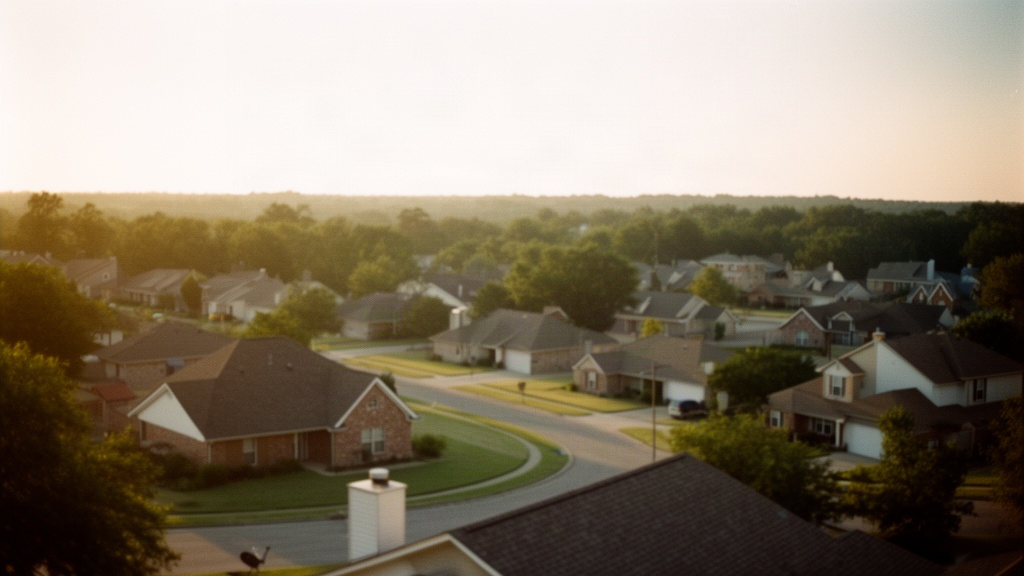
1. Why New Construction Is Limited But Not Absent in Ridgewood
The Nature of an Infill Market
Ridgewood is not a blank-canvas suburb. The village covers roughly 5.8 square miles and is almost entirely developed, which means there are no large tracts of vacant land available for a 50-home subdivision. Most of what gets built here falls into one of two categories: a teardown replaced by a new single-family home on an existing lot, or a larger mixed-use or multifamily project on a commercially zoned parcel near the downtown core or the train station.
That constraint is actually part of what gives Ridgewood its character. The housing stock is predominantly pre-war and mid-century construction: Colonials, Tudors, and Craftsman bungalows on tree-lined streets. When a new home does go up, it tends to be a custom or semi-custom build on a lot where an older structure was demolished. These projects are scattered across the village rather than concentrated in one area, so they rarely appear in a single search or listing cluster.
What Ridgewood's Zoning Allows
Ridgewood's zoning ordinances divide the village into residential zones ranging from R-1 through R-4, with increasing density permitted as you move toward the downtown. The Central Business District zone along East Ridgewood Avenue and the blocks immediately surrounding the NJ Transit Pascack Valley and Main/Bergen County rail stations allow mixed-use construction, which is where most of the meaningful new development activity is concentrated in 2026.
The Village of Ridgewood has been working through several zoning amendments in 2026, some of which are directly tied to New Jersey's affordable housing obligations under the state's Council on Affordable Housing framework. You can review active zoning proposals and amendments on the Village of Ridgewood's official projects page, which is updated as applications move through the approval process.
2. Active New Construction Projects in Ridgewood NJ in 2026
Yes, there are new construction homes and major developments happening in Ridgewood NJ in 2026. The activity spans three distinct categories: transit-oriented and downtown mixed-use projects, scattered infill single-family teardown-rebuilds, and multifamily residential developments driven in part by state affordable housing mandates.
Downtown and Transit-Adjacent Development
The area around Ridgewood's two rail stations, the Ridgewood station on the Main Line and the Glen Rock/Ridgewood border area, has drawn the most attention from developers in recent years. Transit-adjacent parcels are attractive because they allow higher density under New Jersey's Transit Village and affordable housing frameworks, and because walkability to the platform is a genuine selling point for commuters heading into Midtown Manhattan on the NJ Transit Main Line.
Several mixed-use proposals along East Ridgewood Avenue and adjacent side streets have been in various stages of planning board review through 2025 and into 2026. These typically involve ground-floor retail or commercial space with residential units above, ranging from a handful of units in smaller projects to 40 or more in larger applications. Not all of these proposals are approved; some are still in the hearing stage as of September 2026.
Infill Single-Family Construction
Teardown-rebuild activity remains a consistent thread in Ridgewood's housing market. A buyer or builder purchases an older, smaller home, typically a Cape Cod or a post-war ranch from the 1940s through 1960s, demolishes it, and constructs a new home that maximizes the lot's allowable square footage under current zoning. These new builds tend to run between 3,500 and 5,500 square feet, with four to six bedrooms, open-plan main floors, and modern mechanical systems.
Prices for completed teardown-rebuilds in Ridgewood in 2026 have generally landed in the $1.6 million to $2.5 million range, depending on lot size, location within the village, and finish level. Streets closer to the downtown core and within easy walking distance of Van Neste Square or the train station command the upper end of that range. For more context on where luxury pricing sits in the broader Ridgewood market, the article on the luxury home market in Ridgewood covers the full pricing landscape.
Multifamily and Mixed-Use Projects
New Jersey's affordable housing obligations have pushed Ridgewood, like most Bergen County municipalities, to accommodate a certain number of affordable units in its planning cycle. In practice, this has meant that several multifamily residential proposals have moved forward that would not have been considered under older zoning frameworks. These projects generally include a percentage of below-market-rate units alongside market-rate rentals or condominiums.
For buyers who are specifically interested in new condominium inventory, the multifamily pipeline in Ridgewood is worth watching. Units in completed mixed-use buildings near the downtown have historically sold or rented quickly because they offer a walkable lifestyle, access to the East Ridgewood Avenue restaurant and retail corridor, and a short walk to the train. If you are relocating to the area and want to understand what that commute looks like in practice, the post on the commute from Ridgewood to Midtown Manhattan gives you the full breakdown.
3. Zoning Changes and What They Mean for Future Development
Ridgewood's zoning landscape is actively shifting in 2026, and those shifts have direct consequences for where new construction can happen and what form it takes. Understanding these changes helps buyers evaluate whether a neighborhood they are considering is likely to see new construction activity nearby, and helps sellers understand how development pressure may affect their property's value over time.
Recent Zoning Updates
The Ridgewood Blog has been tracking local zoning discussions closely. According to their coverage of Ridgewood zoning changes in 2026, the village has been navigating amendments that touch on allowable building heights near the downtown, parking requirements for new mixed-use projects, and the designation of specific parcels for higher-density residential use. These are not abstract policy debates; they determine what gets built and where over the next three to five years.
One area of active discussion involves the parcels along the northern edge of the Central Business District, where several underutilized commercial properties sit within walking distance of the train station. Rezoning those parcels for mixed residential and commercial use would open them up to the kind of transit-oriented development that has already occurred in neighboring towns like Glen Rock and Westwood.
How COAH and State Mandates Factor In
New Jersey municipalities are required to provide a realistic opportunity for affordable housing under the state's Mount Laurel doctrine and the Council on Affordable Housing framework. Ridgewood's current round of affordable housing obligations has shaped which development proposals the village has been willing to approve, particularly for multifamily projects that include a set-aside of affordable units.
For buyers and sellers, the practical effect is that some projects that might have been denied under older zoning rules are now moving forward because they satisfy the village's affordable housing obligation. This does not mean Ridgewood is being transformed into a high-density suburb; the scale of these projects is modest relative to the overall housing stock of roughly 9,700 housing units in the village. But it does mean new residential supply is entering the market in ways that were not happening five years ago.
4. What New Construction Means for Ridgewood Home Buyers and Sellers
New construction activity in Ridgewood affects both buyers and sellers in concrete ways, even if you are not purchasing a newly built home yourself. Understanding the relationship between new supply and existing inventory is essential for making a well-timed decision in this market.
Pricing Context for New Builds
New construction in Ridgewood is priced at a significant premium to the broader market median. While the overall Ridgewood median sale price for single-family homes has been hovering in the $900,000 to $1.1 million range in 2026, new builds and teardown-rebuilds routinely clear $1.5 million and often push past $2 million for larger homes on desirable streets. Buyers who want new construction and have a budget closer to the market median will find that the inventory simply does not exist here at that price point.
Bergen County's overall market has remained competitive through 2026. Strong June 2026 sales data from Greater Bergen Realtors confirmed that buyer demand across the county continues to outpace available inventory, which keeps upward pressure on prices for both existing homes and new construction. That dynamic is especially pronounced in Ridgewood, where the supply of buildable lots is inherently constrained.
How Development Activity Affects Existing Home Values
Sellers sometimes worry that new construction nearby will pull buyers away from their existing home. In Ridgewood's market, that concern is largely offset by the fact that new builds are priced well above most existing homes, which means they are competing in a different segment. A buyer with a $1.1 million budget is not cross-shopping a $2 million teardown-rebuild; those are fundamentally different purchasing decisions.
What development activity does affect is the broader narrative about Ridgewood as a place where investment is ongoing. Downtown improvements, new mixed-use buildings, and visible construction activity reinforce the village's appeal and can support values across the market. For sellers considering timing, understanding current market velocity is worth reading alongside development context; the article on how long it takes to sell a house in Ridgewood NJ gives you the current numbers.
Buyers evaluating existing homes near active development sites should also factor construction timelines into their thinking. A mixed-use project under construction two blocks away may mean noise and traffic disruption for 18 to 24 months, but it may also mean new retail amenities and improved streetscapes once complete. Neither outcome is inherently good or bad; it depends on your priorities and timeline.
5. How to Track Ridgewood Development Projects in Real Time
The best way to stay current on new construction and development in Ridgewood is to go directly to the sources that update as projects move through the approval and construction process. No single database captures everything, so a combination of official village resources and local knowledge is the most reliable approach.
Official Village Resources
The Village of Ridgewood maintains a public projects page at ridgewoodnj.net that lists active capital and development projects, along with links to planning board agendas and meeting minutes. Planning board meetings are held monthly and are open to the public; the agendas are posted in advance and identify which applications are scheduled for hearing. If a specific address or block is on your radar, searching the planning board minutes for that address will tell you whether any applications have been filed.
Bergen County also maintains property records and building permit data through the county clerk's office and through individual municipal construction departments. Ridgewood's construction department issues permits for new construction, additions, and demolitions, and those records are public. A permit pull on a specific lot can tell you whether a teardown-rebuild is in process before the new listing ever appears on the MLS.
Working With a Local Agent Who Knows the Pipeline
Public records tell you what has been filed; a local agent tells you what is being discussed before it is filed. Builders and developers in a market as tight as Ridgewood often work through a small network of local professionals, which means an agent who is active in the village knows which lots are being assembled, which teardowns are in negotiation, and which mixed-use proposals are likely to move forward.
For buyers who are open to new construction, that kind of pipeline visibility can make a real difference. A home that is six months from completion and not yet listed publicly may be exactly what you are looking for, but you will only know about it if your agent has those relationships. For sellers, knowing that a new build is coming to your block in the next year is relevant context for pricing and timing decisions.
If you are relocating to Ridgewood and trying to understand how new construction fits into your housing search alongside existing inventory, the guide on what relocating professionals look for when moving to Ridgewood covers the broader decision-making process in detail.
The broader Ridgewood market context matters too. New construction does not exist in a vacuum; it is one piece of a supply picture that also includes resale homes, the pace of listings, and how quickly properties are moving. For a full read on current conditions, the Ridgewood NJ real estate market guide for 2026 gives you the complete picture on prices, inventory, and timing.
FAQ
Are there any new construction single-family homes available to buy in Ridgewood NJ right now?
Yes, though inventory is limited at any given time. Ridgewood's built-out character means new single-family construction is almost entirely teardown-rebuilds on existing lots rather than homes in a new subdivision. As of September 2026, a handful of completed or near-complete new builds are typically available on the MLS at any given time, generally priced between $1.6 million and $2.5 million. Additional homes in various stages of construction are not yet listed publicly, which is why working with a local agent who tracks building permits and builder relationships is the most effective way to find new construction before it hits the open market.
Will the new developments in Ridgewood NJ affect property values in surrounding neighborhoods?
The evidence from Ridgewood's market history suggests that well-executed mixed-use and infill development near the downtown tends to support rather than suppress surrounding property values. New construction at the $1.5 million-plus price point sets a high comparable sale that can lift appraisal values for nearby existing homes. The downtown redevelopment activity also reinforces Ridgewood's desirability as a walkable, transit-connected village, which sustains buyer demand across all price segments. That said, any individual project's impact depends on its scale, design, and proximity to specific properties, so it is worth discussing with a local agent who can assess the effect on a specific address.
How do I find out if a specific lot or address in Ridgewood has a new construction permit or development application filed?
The most direct route is Ridgewood's municipal construction department, which maintains public records of building permits including demolition and new construction permits. You can also search the planning board meeting agendas and minutes posted on the Village of Ridgewood's official website at ridgewoodnj.net, which list active applications by address. For larger development proposals, the planning board hearings are public and scheduled in advance. A local real estate agent with active ties to the Ridgewood market can also flag addresses that are in pre-permit negotiation or where a teardown is being assembled, which public records alone will not capture.