← Back to Blog
Local Living
What Is It Like to Live in the Historic District of Delaware Ohio Day to Day
By Faruq Shittu
September 23, 2026 · 11 min read
What is it like to live in the historic district of Delaware Ohio day to day? It means walking to coffee shops and restaurants on Winter Street, parking in front of a century-old Victorian, and hearing the Ohio Wesleyan University bell tower from your front porch. This article covers the practical realities: housing costs, commute times, parking, noise, walkability, and what owning a historic home actually involves.
1. What the Historic District Actually Looks Like on the Ground
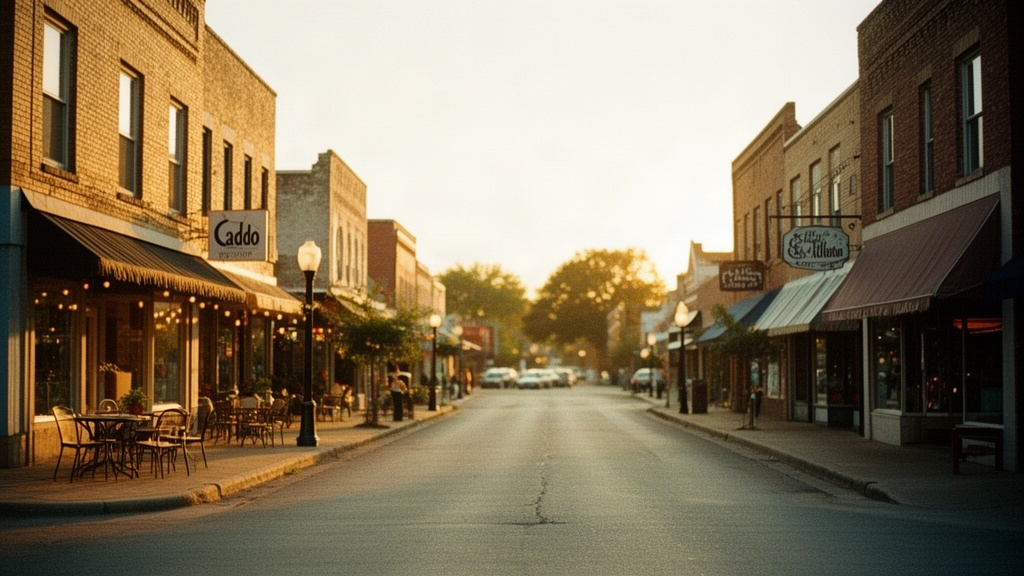
Delaware's historic district is a concentrated grid of tree-lined streets radiating from the downtown square at Sandusky and Winter Streets. The area is not a museum piece set apart from the rest of the city. People live here, run businesses here, and walk their dogs past homes built between the 1840s and the 1930s. The Ohio Wesleyan University campus sits at the southern edge, and its brick buildings blend into the residential streets without a hard boundary.
The Streets and Architecture
The residential blocks closest to downtown feature Italianate, Queen Anne, Greek Revival, and Craftsman homes on lots that typically run 50 to 75 feet wide. Front porches are common and close to the sidewalk. Mature oaks and maples form a canopy over streets like William, Franklin, and Central Avenue. Garages, where they exist, are detached and sit at the rear of the lot, which keeps the streetscape intact and gives the blocks a cohesive, pre-automobile character.
Many of the homes along North Sandusky Street north of downtown were built by Delaware's early merchants and professionals. You will find two and three-story Victorians with original woodwork, wide staircases, and tall double-hung windows. Smaller vernacular cottages fill in the side streets, giving buyers at different price points a foothold in the same district. For a broader look at the range of architectural styles across Delaware, the overview at iCare Home Group's Delaware home styles guide illustrates how the historic core compares to newer construction elsewhere in the city.
The Commercial Core Along Sandusky and Winter Streets
The ground-floor retail and restaurant scene on Winter Street and South Sandusky Street is walkable from most homes in the district. Restaurants, a brewpub, a coffee roaster, a bookshop, and a handful of locally owned boutiques occupy storefronts that date to the late 1800s. The Delaware County Courthouse anchors the square with its limestone facade, and the Strand Theatre on Sandusky Street hosts live performances throughout the year. This is the commercial layer residents interact with most on a typical weekday or weekend afternoon.
2. Day to Day Living: Walkability, Errands, and Getting Around
Living in the historic district of Delaware Ohio day to day is genuinely walkable for dining, coffee, and casual errands, but car-dependent for grocery shopping and big-box retail. That distinction matters when you are deciding whether this neighborhood fits your routine. Most residents keep at least one vehicle. The city does not have a fixed-route bus system that serves the historic core with useful frequency, so a car is the practical default for anything beyond a ten-minute walk.
What You Can Reach on Foot
From a home on Franklin Street or Central Avenue, the downtown square is a five to ten minute walk. Bun's Restaurant, one of Delaware's oldest diners, is on Winter Street. The Delaware Farmers Market runs on Saturdays from May through October at the Courthouse Square, putting fresh produce within walking distance for part of the year. Mingo Park, which sits along the Olentangy River about a mile from the district's center, is reachable by bicycle or a twenty-minute walk along the Olentangy Trail.
For grocery runs, the nearest major stores are outside the historic core. A Kroger sits on Columbus Pike, roughly two miles east of downtown, and an ALDI is nearby on the same corridor. The drive from the historic district to either store is under ten minutes. Residents who want to walk for dinner and drive for groceries find that the district supports exactly that split routine without much friction.
Commuting Out of the Historic District
Delaware sits at the intersection of US-36 and US-23, and the historic district is within five minutes of both corridors. Columbus is approximately 25 miles south. Under normal traffic conditions on US-23 or I-71, the drive to downtown Columbus takes 35 to 45 minutes. During peak hours heading south in the morning or north in the evening, that can stretch to 50 to 60 minutes. Many residents who work in Columbus treat the commute as a manageable trade-off for the housing character and price point the historic district offers.
The Ohio State University Medical Center in Columbus is about 30 miles from the historic district core. Employers in Marysville and Dublin are 20 to 25 miles away, with the Marysville Honda plant reachable via US-36 west in roughly 25 minutes outside of peak hours. Residents who work within Delaware itself, including at Ohio Wesleyan University or the Delaware County offices, can often walk or bike to work entirely.
If you are also researching how home prices in Delaware compare to nearby markets, the article on what home prices are doing in Delaware Ohio right now gives current numbers and year-over-year context.
3. What Is It Like to Live in the Historic District of Delaware Ohio as a Homeowner
Owning a home in the historic district means living with architecture that cannot be replicated, but it also means accepting maintenance responsibilities that newer construction does not carry. That is the honest trade-off, and understanding it before you make an offer is the difference between a purchase you love and one that overwhelms you.
Housing Stock and Price Ranges
As of September 2026, single-family homes in the historic district core typically list between $220,000 and $480,000, depending on size, condition, and how much restoration work has already been done. Smaller two-bedroom cottages on side streets can come in under $200,000 when they need significant work. Fully restored Victorians with updated mechanicals, new roofs, and period-appropriate finishes push toward the upper end of that range or above it. Square footage in the district generally runs from about 1,200 square feet for a modest cottage to over 3,000 square feet for a large Italianate or Queen Anne.
Circa Old Houses has written about Delaware Ohio's appeal to buyers seeking historic character at a price point that is still accessible compared to similar districts in larger Midwest cities. Their piece on why Delaware Ohio is worth considering for historic home buyers is worth reading if you are early in your research. The district draws buyers from Columbus who want more architectural character for their budget without leaving the metro commute shed.
What Historic Designation Means for Owners
Delaware's historic district includes properties listed on the National Register of Historic Places, and some blocks fall within a locally designated historic district with design review requirements. The practical effect is that exterior changes visible from the street, including window replacements, siding, and additions, may require approval from the Delaware Historic Preservation Commission. Interior changes are generally not regulated. This process adds a step to renovation planning, but it also protects the character that makes the street worth living on.
Owners of contributing properties may qualify for Ohio historic tax credits, which can offset a meaningful portion of qualified rehabilitation costs. The Ohio Historic Preservation Office administers both the state and federal programs. If you are buying a home that needs significant work, understanding which credits apply before closing can change the financial math of the renovation substantially. A buyer's agent with experience in Delaware's historic inventory can help you identify which properties are eligible and connect you with contractors who know the approval process.
For a thorough walkthrough of what buying a historic home in Delaware involves, including inspections, financing, and what to look for structurally, the guide at Oracle Home Group's historic home buying guide for Delaware Ohio covers the process in detail.
4. Noise, Parking, and the Rhythms of the Neighborhood
The day-to-day texture of the historic district is shaped as much by its sounds and traffic patterns as by its architecture. Understanding those rhythms before you move in prevents surprises and helps you pick the right block for your lifestyle.
Street Parking and Traffic Patterns
Most homes in the historic district do not have attached garages, and detached garages are not universal. Street parking is the norm for many residents and their guests. On blocks closest to the downtown square and Ohio Wesleyan's campus, parking fills up during events, home football games, and commencement weekends. Blocks further north on Sandusky or west on William Street have more consistent availability. If off-street parking is a priority for you, confirm whether the property has a driveway or garage before you fall in love with the facade.
Sandusky Street carries through traffic between downtown and the northern residential areas, so homes directly on that corridor experience more ambient noise than those a block or two off it. Winter Street east of the square quiets down significantly after business hours. The side streets, Franklin, Central, and Spring, are genuinely quiet most evenings. Train noise is occasionally audible near the CSX rail corridor that runs along the Olentangy River, roughly at the western edge of the district.
Events, the University, and Seasonal Activity
Delaware hosts a consistent calendar of downtown events throughout the year, and residents of the historic district are at the center of them. The Little Brown Jug harness race at the Delaware County Fairgrounds draws tens of thousands of visitors each September, and the fairgrounds are less than a mile from the historic district. That week brings increased traffic and parking pressure to the surrounding streets. The Delaware Arts Festival in May and the First Friday events on the downtown square are lower-key but bring foot traffic to the commercial blocks.
Ohio Wesleyan University's academic calendar shapes the rhythm of the district in a quieter way. During the academic year, students and faculty add foot traffic to the blocks around the campus perimeter on Henry Street and University Avenue. Summer is noticeably quieter. The university's Chappelear Drama Center and Gray Chapel host public performances that bring visitors into the neighborhood on weekends throughout the year.
5. Costs, Maintenance, and What to Expect Long Term
The cost of living in the historic district goes beyond the purchase price. Older homes carry ongoing maintenance demands that newer construction largely does not, and budgeting for those costs from the start is what separates owners who thrive in the district from those who feel stretched by it.
Utility and Upkeep Realities
Homes built before 1940 often have original plaster walls, knob-and-tube or early Romex wiring that has been partially updated, cast-iron plumbing, and single-pane or early double-pane windows. Heating costs in a 2,500-square-foot Victorian with original windows can run noticeably higher than a similarly sized newer home. Residents who have upgraded to modern insulation, high-efficiency HVAC systems, and storm windows report utility bills closer to what you would expect from newer construction, but those upgrades require upfront investment.
Roof replacement on a historic home often costs more than on a standard subdivision house because of the complexity of the rooflines and the need to use materials consistent with historic review guidelines. A realistic annual maintenance budget for a well-maintained historic home in the district is 1.5 to 2 percent of the home's value per year, which on a $350,000 home works out to $5,250 to $7,000. That is higher than the 1 percent rule of thumb often cited for newer construction, but it reflects the reality of owning a building with more age and more character.
Property Taxes and Insurance Considerations
Delaware County property taxes on homes in the historic district vary based on assessed value and applicable levies, but owners of a $300,000 home can generally expect an annual tax bill in the range of $4,500 to $6,500 depending on the specific school district and municipal levies that apply to their parcel. The Delaware City Schools district serves most of the historic district. You can verify the exact levies and millage rates for any parcel through the Delaware County Auditor's office online.
Homeowner's insurance on a historic property can be more expensive than on comparable newer construction because replacement cost coverage for original woodwork, plaster, and period details is higher. Some standard insurers exclude or limit coverage for certain older systems. Specialty insurers that focus on historic homes, including several that operate in Ohio, offer policies written specifically for properties with original materials and architectural details. Getting quotes from at least two or three carriers before closing is worth the time.
If you are comparing the historic district to other walkable areas in Delaware, the article on neighborhoods close to downtown Delaware Ohio maps out which blocks offer the most on-foot access to daily amenities.
And if you are ready to look at what is currently available in Delaware, the complete buyer's guide to homes for sale in Delaware Ohio walks through the buying process from search to close.
FAQ
Is the historic district of Delaware Ohio walkable enough for daily errands?
The historic district is genuinely walkable for restaurants, coffee, and the Saturday farmers market, but most residents drive for grocery shopping. The nearest major grocery stores, including a Kroger on Columbus Pike and an ALDI nearby, are about two miles east and a five to ten minute drive from the district's center. The downtown square is within a ten-minute walk of most homes in the core. Residents who prefer to walk for dining and leisure but drive for larger errands find the district supports that split routine well.
What do homes in Delaware Ohio's historic district typically cost in 2026?
As of September 2026, homes in the historic district generally list between $220,000 and $480,000, depending on size, condition, and the extent of prior restoration work. Smaller cottages in need of work can come in under $200,000, while fully restored Victorians with updated mechanicals and period finishes push toward the upper end of that range or above it. The price per square foot tends to be competitive with newer construction in Delaware's subdivisions, but the ongoing maintenance costs of an older home need to be factored into your total cost of ownership.
What restrictions apply to homeowners in Delaware Ohio's historic district?
Properties within the locally designated historic district may be subject to design review by the Delaware Historic Preservation Commission for exterior changes visible from the street, including window replacements, siding materials, and additions. Interior renovations are generally not regulated. Not every property in the broader historic neighborhood falls within the local overlay district, so it is important to confirm the specific designation of any property you are considering before you plan renovations. Owners of eligible properties may qualify for Ohio and federal historic tax credits, which can offset a significant portion of qualified rehabilitation expenses.