← Back to Blog
Buying
Homes for sale in Melbourne: A Local Guide
By Garry Deol
November 14, 2026 · 4 min read
Searching for homes for sale in Melbourne starts with understanding local suburbs, housing types, and commute times. This guide outlines where to look, what features impact price, and practical next steps for buyers and people relocating to Melbourne.
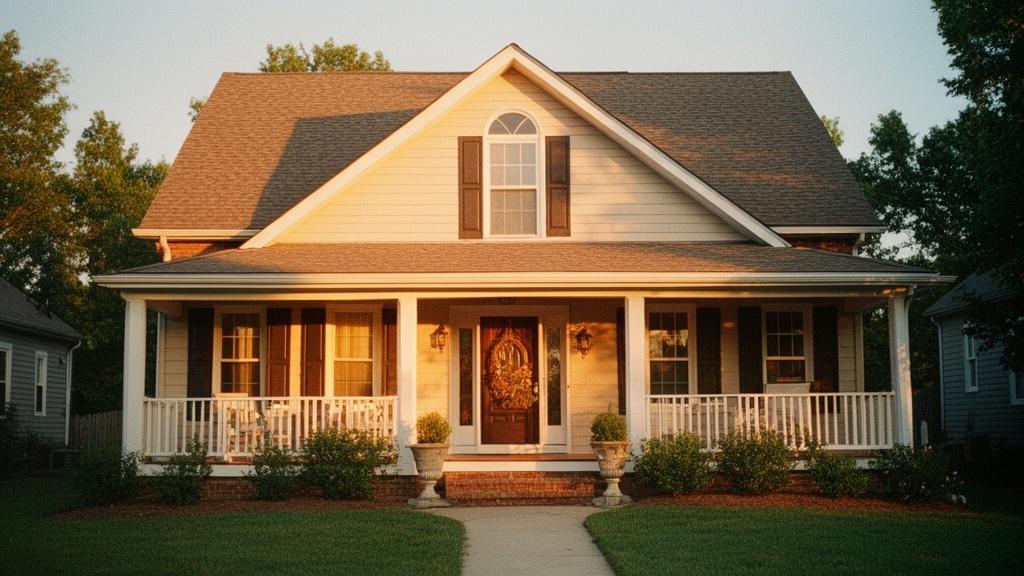
1. How to start your Melbourne home search
Get clear on basics first. Decide the number of bedrooms you need, whether you want a yard, and which transport links must be within reach before you start viewing homes for sale in Melbourne.
Define your must-have features
Prioritise features by impact on lifestyle. Examples include off-street parking, north-facing living areas, proximity to a tram or train line, and whether you need a study or ground-floor living.
Set a clear price range
Know what you can afford before you fall in love with a property. Speak to a lender for pre-approval, then filter listings by suburbs where median and typical house prices match your budget.
2. What kinds of homes you will find in Melbourne
Melbourne has diverse housing stock across close-in and outer suburbs. Expect inner-city apartments and Victorian terraces close to the CBD, period and postwar detached homes in middle rings, and larger lots and newer estates further out.
Inner-city apartments and terraces
What to expect near the CBD. Areas such as Southbank, Carlton, Fitzroy and Docklands offer studio to three-bedroom apartments, heritage terraces with narrow footprints, and easy access to trams, trains and the Yarra River.
Middle-ring, period homes and townhouses
Character homes and townhouses dominate the middle ring. Suburbs like Brunswick, Northcote, Hawthorn and Camberwell have Victorian and Edwardian houses, plus newer townhouse developments close to schools, parks and local shopping strips.
Outer suburbs and lot sizes
Larger lots and new estates appear further out. Areas such as Werribee, Craigieburn, and Pakenham offer single-level family houses on 400 to 700 square metre lots, with shopping centres and new transport links under development.
3. Where to look by lifestyle and commute
Choose suburbs with travel times and amenities you can live with. Map daily commutes to your workplace, check tram corridors to the CBD, and note train lines such as the Frankston, Sandringham and Craigieburn lines for direct connections.
City commute times and routes
Estimate travel by public transport and driving. For example, a train from Box Hill to Flinders Street takes about 25 minutes, while driving from Reservoir can take 25 to 40 minutes depending on peak traffic.
Popular bayside and inner suburbs
Bayside access and local amenities matter to many buyers. Suburbs like St Kilda, Brighton and Elwood offer beach access, cafes and parks, while inner areas such as South Yarra and Prahran provide shopping along Chapel Street and close tram routes.
Growth corridors and infrastructure links
Look for planned transport and services. Areas along the Metro Tunnel and new suburban rail projects may see increased development activity; check council plans and public transport Victoria resources for confirmed projects.
4. How to evaluate a specific property
Use comparables and a checklist to judge value. Pull recent sales of similar homes nearby, inspect condition closely, and add estimated costs for repairs and ongoing running expenses.
Comparable sales to pull
- Recent sales within 1 kilometre: Look for properties with the same bedroom count and lot size
- Same property type: Compare terrace with terrace, townhouse with townhouse, apartment with apartment
- Adjust for condition: Subtract or add a percentage for major renovations or new builds
Inspection checklist
- Roof and gutters: Note age, visible damage and last replacement
- Damp and drainage: Check under sinks, around windows, and at external foundations
- Electrical and plumbing: Ask for compliance certificates or recent work receipts
- Energy features: Record heating type, insulation and solar panels if present
Costs beyond the purchase price. Remember stamp duty, conveyancing fees, building and pest inspections, and ongoing council and water rates when budgeting for a purchase in Melbourne.
5. Next steps to buy a home in Melbourne
Follow a clear sequence from finance to settlement. Secure pre-approval, engage a conveyancer, inspect the property, make an offer, and plan settlement logistics including movers and utilities.
Financing and pre-approval
Pre-approval gives you negotiating clarity. Bring recent payslips, ID and details of existing debts to a lender so you can shop listings with confidence when you find homes for sale in Melbourne.
Making an offer and contract steps
Get professional advice before signing. A conveyancer or solicitor will explain cooling-off periods, special conditions, and the settlement timetable that forms part of the contract for properties in Victoria.
Tools like Trolto generate listing videos automatically from your photos. The property descriptions you provide become the foundation for how those videos appear in search.
Settlement and moving logistics. Book removalists early for suburb moves, arrange utilities through your local Melbourne providers, and confirm settlement date with your conveyancer to avoid delays.
6. Local tips from Garry Deol
Experience on the ground helps. I recommend previewing suburbs at the times you would commute and visiting local shopping strips such as Glenferrie Road, High Street Northcote and Lygon Street to check traffic and amenities.
Ask me for targeted comps. If you are looking at a specific address I can pull recent comparable sales, provide a net cost summary, and arrange inspections with trusted tradespeople in Melbourne.
Contact details. For personalised help finding homes for sale in Melbourne, or to arrange a suburb tour, reach out to Garry Deol and I will guide you through each step.
FAQ
How much deposit do I need to buy a home in Melbourne?
Most lenders look for a 5 to 20 percent deposit of the purchase price, plus additional savings for stamp duty and fees. A larger deposit reduces mortgage insurance costs and may improve your loan options. Speak to a lender about low-deposit programs and get pre-approval to understand your exact requirements.
Which suburbs offer quick access to the CBD by public transport?
Suburbs on established train and tram corridors provide the fastest access to the CBD. Examples include South Yarra and Richmond for trains, and Carlton and Fitzroy for trams. Check timetables and peak travel times for exact door to door estimates from your chosen address.
What inspections should I arrange before buying?
Arrange a building inspection and pest inspection at minimum, and consider a strata report for apartments. For older or period homes, add a roof and electrical inspection if not recently certified. Use inspection reports to negotiate repairs or to include special conditions in the contract.