
← Back to Blog
Market Trends
Swan River, Manitoba, Canada Has the Strongest Local Reputation Real Estate Market Guide: Prices, Neighborhoods and Timing
By Gene Vestby
September 3, 2026 · 13 min read
Swan River, Manitoba, Canada has built the strongest local reputation as a real estate market where buyers and sellers can still find genuine value, stable pricing, and a community with deep roots. This guide covers what properties actually cost right now, what each part of town offers physically, and how to read the timing signals that matter most in this market. Whether you are relocating from Winnipeg, moving within the Swan Valley, or selling a home you have owned for decades, the details here will help you make a well-informed decision.
1. What the Swan River Real Estate Market Looks Like Right Now
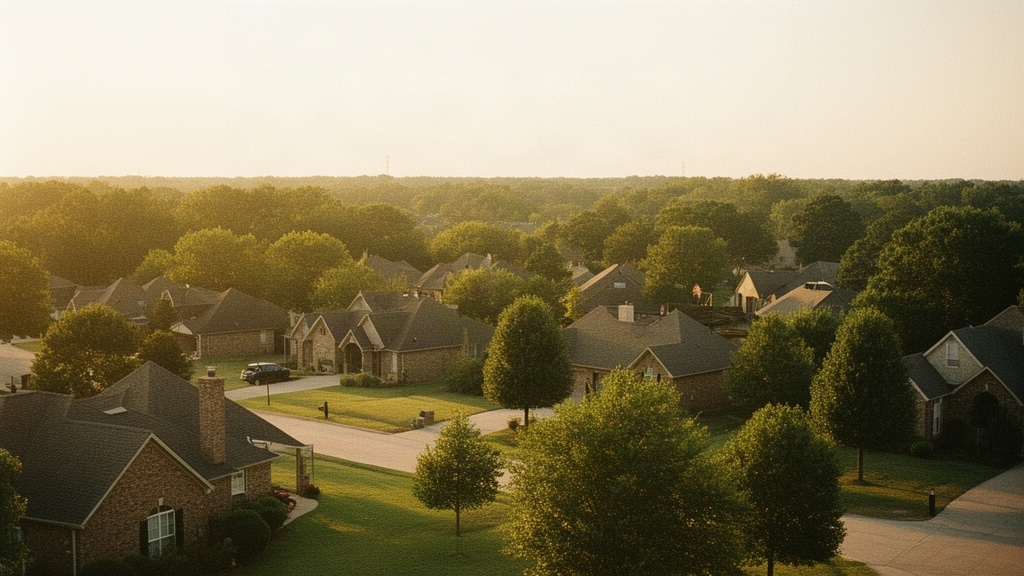
Swan River, Manitoba sits at the centre of the Swan Valley, roughly 620 kilometres northwest of Winnipeg via Highway 10. The market here is defined by modest but steady demand, a limited supply of new construction, and a housing stock that skews toward detached single-family homes on generous lots.
Current Price Ranges by Property Type
As of September 2026, entry-level detached homes in Swan River typically list in the $120,000 to $175,000 range. These are generally older bungalows built between the 1950s and 1980s, often on 50-foot to 66-foot town lots, with basements that may be partially finished. Buyers in this range should budget for updates to mechanical systems, windows, or kitchens depending on when the home was last renovated.
Mid-range homes, typically priced between $175,000 and $280,000, represent the broadest segment of the Swan River market. These properties include updated bungalows, bi-levels, and two-storey homes built from the late 1980s through the 2000s. Many have attached or detached garages, larger lots, and finished lower levels. This price band moves the fastest when inventory is tight.
Properties above $280,000 in Swan River generally fall into two categories: newer builds constructed in the last ten to fifteen years with modern finishes and energy-efficient systems, or acreage properties on the edges of town and in the surrounding Swan Valley. Acreages within a ten-minute drive of town can range from $250,000 to well over $400,000 depending on land size, outbuildings, and water source. You can browse current active listings across major platforms to get a real-time sense of what is available. REALTOR.ca listings for Swan River is a reliable starting point for active MLS inventory.
How Inventory Levels Shape Your Options
Swan River is a small market by volume, which means inventory fluctuates meaningfully from month to month. In September 2026, the total number of active residential listings in Swan River and the immediate surrounding area typically sits between 30 and 60 properties at any given time. When that number drops below 30, buyers have fewer choices and sellers tend to see quicker offers. When it climbs above 60, buyers gain negotiating room.
Because the Swan River market is relationship-driven, many properties are discussed and even sold before they appear on MLS. Working with a local agent who has a long track record in the valley gives buyers access to those conversations early. If you want to understand the full picture of what has sold recently and at what prices, HonestDoor's recently sold data for Swan River provides a useful independent reference point for recent transaction prices.
2. Swan River Neighborhood Features: What Each Area Offers
Swan River's residential areas each have a distinct physical character shaped by when they were developed, what lots are available, and how close they sit to the town's core services. Describing these areas by their features, rather than by rankings or comparisons, gives buyers the most accurate picture of what daily life there actually involves.
Central Swan River
The central area of Swan River, anchored by Main Street and the blocks immediately surrounding it, contains the town's commercial core alongside older residential lots. Homes here are predominantly bungalows and one-and-a-half storey houses built between the 1940s and 1970s, sitting on standard town lots. The Swan River Arena, the Parkland Co-op, and the main branch of the Swan Valley Credit Union are all within a short walk or drive from this area. Residents are close to the post office, local restaurants along Main Street, and the Swan River Museum, which documents the agricultural and logging history of the valley.
Lot sizes in central Swan River typically run 50 to 66 feet wide and 100 to 132 feet deep. Garages vary: some properties have detached single-car garages, others have had garages converted to living space, and some lots have room to add a garage if that is a priority for the buyer.
East End and River Road Area
The east end of Swan River runs toward the Swan River itself and includes River Road, a stretch of properties that back onto or sit close to the river corridor. Homes along and near River Road tend to sit on larger lots than those in the central core, and some properties include direct river access or significant mature tree coverage. The Rotary Trail, a multi-use path that follows the river through town, is accessible from this area and connects to Kelsey Trail and the broader green space network along the waterway.
Properties in this part of town include a mix of older character homes and some more recently renovated houses. Buyers interested in river proximity, larger outdoor spaces, or properties with mature landscaping often focus their search here. Prices in this area vary considerably based on lot size, river proximity, and the condition of the structure.
West Side Residential Streets
The west side of Swan River includes several residential streets developed primarily from the 1970s through the 2000s. Housing stock here tends to be bi-levels, raised bungalows, and two-storey homes, many with attached double garages and fully fenced yards. Lot sizes are generally consistent at 60 to 80 feet wide. The Centennial Arena and the Swan River Aquatic Centre are accessible from the west side within a short drive.
This area of town tends to attract buyers looking for move-in-ready homes with updated mechanical systems and modern layouts. Many homes here were built during a period when Swan River's forestry and agriculture sectors were expanding, and the construction quality from that era is generally solid. Buyers who want a larger garage, a finished basement, and a quieter residential street often focus on the west side.
Acreages and Rural Properties Near Town
The Swan Valley surrounding the town offers acreage properties that range from two-acre hobby farms to quarter sections of agricultural land with a residence on site. Communities like Minitonas, Benito, and Durban are within 30 to 60 kilometres of Swan River along Highway 10 and Highway 83, and properties in those areas sometimes appeal to buyers who want more land at a lower price point while remaining connected to Swan River's services.
Acreage buyers need to account for well and septic systems, road maintenance agreements if applicable, and heating costs for larger structures. Natural gas service is available within Swan River's town limits, but many rural properties in the Swan Valley rely on propane or wood heat. These are practical considerations that affect both operating costs and resale appeal.
3. What Drives Property Values in Swan River
Understanding what moves prices in Swan River helps both buyers evaluate whether a listing is priced fairly and sellers position their home competitively. The factors that matter most here are somewhat different from those in larger urban markets, because Swan River's economy, geography, and housing stock create their own set of value drivers.
Lot Size and Land Characteristics
In Swan River, lot size has a meaningful impact on value, particularly for properties with river access, mature trees, or space for outbuildings. A standard 66-foot lot in the central core might sell for $20,000 to $35,000 as bare land. A double lot or a property with a large yard on the east side near the river can command a premium of $15,000 to $40,000 over a comparable home on a standard lot, depending on the specifics.
Alley access, rear-lane garages, and the ability to subdivide a lot are also factors that experienced local buyers and investors pay attention to. Swan River's zoning bylaws govern what can be built on a given parcel, and the Town of Swan River's planning department is the right place to verify what is permitted on any specific property.
Proximity to Amenities and Services
Swan River functions as the regional service centre for the entire Swan Valley, which means the town itself has a concentration of amenities that rural properties nearby cannot match. The Parkland Lakeview Credit Union Place, the Swan Valley Health Centre, the Parkland Co-op food store, Canadian Tire, and a range of local businesses are all within the town limits. Properties that put these services within a short walk or a five-minute drive tend to hold their value well, particularly for buyers who prioritize convenience.
Condition and Age of Housing Stock
Because Swan River has limited new construction, updated older homes carry a significant premium over unrenovated ones of the same era. A 1970s bungalow with a new roof, updated electrical panel, modern windows, and a renovated kitchen can sell for $40,000 to $70,000 more than an identical floor plan that has not been touched since it was built. Buyers who are comfortable with renovation projects can find value in unrenovated properties, but they need to price in the cost of updates realistically before making an offer.
Heating system type also matters in Swan River's climate. Homes with natural gas forced-air systems are generally easier to sell than those relying on electric baseboard heat, because natural gas operating costs in the Swan Valley are considerably lower over a Manitoba winter. Buyers relocating from southern Manitoba or from other provinces should factor heating costs into their monthly budget calculations.
For a deeper look at how these value factors play into the buying process specifically, the article on buying a home in Swan River, Manitoba covers the full process, costs, and timeline in detail.
4. Timing the Swan River Market: When to Buy and When to Sell
Timing in Swan River follows seasonal patterns that are more pronounced than in larger cities, because the pool of active buyers and sellers is smaller and more sensitive to the calendar. Understanding these patterns helps both buyers and sellers make strategic decisions about when to act.
Seasonal Patterns in Swan River
The busiest listing and buying period in Swan River runs from late April through August, when the ground is clear, homes photograph well, and buyers who want to move before the school year often feel the most urgency. This is when inventory tends to peak and when sellers who price correctly see the most showings. Homes listed in May and June historically attract more buyer attention than those listed in January or February, when the Swan River winter limits viewing activity.
September, where the market sits right now, is a transitional month in Swan River. Some buyers who did not find what they wanted over the summer are still actively searching. Sellers who list in September often face less competition from other listings than they would have in June, which can work in their favour if their home is priced well. By late October, buyer activity tends to slow noticeably as the season shifts.
Winter listings in Swan River do sell, but they typically take longer and attract buyers who have a specific, pressing need to move rather than those browsing opportunistically. For sellers who can choose their timing, listing in late April or May gives the broadest exposure to the market's most active buyer pool.
Reading Inventory and Days on Market
Days on market (DOM) is one of the most useful signals in a small market like Swan River. When well-priced homes in the $150,000 to $250,000 range are selling in under 30 days, that signals a market favouring sellers. When similar homes sit for 60 to 90 days without offers, buyers have more room to negotiate. Tracking DOM across a few months gives a clearer picture than any single listing.
Buyers who are serious about Swan River should also watch the ratio of list price to sale price. In a balanced Swan River market, homes typically sell within three to seven percent of their asking price. When that gap widens, it usually means sellers are overpricing relative to what the market will support, which can be useful information when structuring an offer.
For sellers who want to understand how long the process typically takes from listing to closing, the article on selling a home in Swan River, Manitoba covers pricing strategy, timeline expectations, and what to prepare before going to market.
5. What Relocating Buyers Need to Know About Swan River
People relocating to Swan River from Winnipeg, other Manitoba communities, or from out of province face a market that operates differently from what they may be used to. Understanding those differences upfront prevents surprises during the buying process.
The Swan River Economy and Its Effect on Housing Demand
Swan River's economy is anchored by agriculture, forestry, and the public sector services that a regional hub provides. The Tolko Industries sawmill, the Swan Valley Health Centre, the Swan Valley School Division, and the Parkland Co-op are among the larger employers in the area. This economic base creates a steady, if modest, level of housing demand that does not spike and crash the way resource-dependent boom towns sometimes do.
Relocating buyers who are moving for employment at one of these institutions often have a defined timeline and a specific budget. Because the rental market in Swan River is limited compared to larger centres, buyers who know they are moving to the area often find it more practical to purchase than to rent, particularly if their stay is likely to be more than two or three years.
Infrastructure and Services Relocating Buyers Should Verify
Swan River has municipal water and sewer service within town limits, natural gas distribution through Manitoba Hydro, and high-speed internet available through several providers including Xplornet and local cable services. Buyers considering rural properties outside town limits should confirm which utilities are available at the specific parcel, because service availability varies meaningfully once you move beyond the town boundary.
The Swan River Regional Airport offers scheduled service connections, and the drive to Dauphin is approximately 140 kilometres south along Highway 10, where additional commercial services are available. Buyers relocating from urban centres should plan for longer drives to reach big-box retail, specialized medical services, or post-secondary institutions, as Swan River's regional services cover the essentials but not everything that a city of 50,000 or more would offer.
For research purposes, you can also review active listings and neighbourhood information through the RE/MAX Swan River real estate guide, which provides additional context on the local market alongside current listings.
Outdoor Recreation and the Physical Setting
Swan River is situated within the Swan Valley, with the Duck Mountains to the east and the Porcupine Hills to the west. Duck Mountain Provincial Park, approximately 40 kilometres east of town via Highway 10, encompasses Wellman Lake and Madge Lake, offering swimming, boating, hiking, and camping within a reasonable drive. The Asessippi Ski Area is roughly 120 kilometres southeast, and Riding Mountain National Park is about 180 kilometres south. These outdoor assets are a draw for buyers who prioritize access to nature alongside a stable housing market.
Within town, the Rotary Trail along the Swan River provides a multi-season path for walking and cycling. The Swan River Curling Club, the local hockey programs at the Centennial Arena, and the Swan Valley Stampeders junior hockey team are part of the recreational and community fabric that long-time residents often cite when describing why they chose to stay in the valley.
If you are still in the early stages of researching the market, the overview of homes for sale in Swan River, Manitoba is a good companion to this guide.
FAQ
What is the average home price in Swan River, Manitoba, right now?
As of September 2026, the Swan River residential market spans a wide range depending on property type and condition. Entry-level detached homes typically list between $120,000 and $175,000, mid-range updated homes fall between $175,000 and $280,000, and newer builds or acreage properties with outbuildings can exceed $300,000 to $400,000 or more. The market is small by volume, so averages can shift noticeably from month to month as individual sales close. Checking recently sold data through sources like HonestDoor alongside active MLS listings gives the most accurate current picture.
Is Swan River, Manitoba a good place to buy real estate right now?
Swan River offers relatively affordable entry points compared to larger Manitoba centres, a stable local economy anchored by agriculture, forestry, and public services, and a housing stock that skews toward detached homes with generous lots. Whether it is the right market for a specific buyer depends on their employment situation, lifestyle priorities, and long-term plans, all of which are personal decisions. Buyers should research services, utilities, and commute distances themselves to determine whether the Swan Valley fits their needs. Consulting with a local agent who knows the market in depth is the most efficient way to evaluate specific properties against your criteria.
When is the best time of year to sell a house in Swan River, Manitoba?
Late April through August is historically the most active period for listings and buyer activity in Swan River, aligning with the end of the Manitoba winter and the period when buyers with school-age considerations want to finalize a move. Homes listed in May and June typically attract the broadest pool of interested buyers. September, where the market sits currently, is a transitional period with some active buyers still searching but activity beginning to slow toward winter. Sellers who list in the spring season with accurate pricing and good presentation tend to see the strongest results in this market.