
← Back to Blog
Market Trends
Swan River, Manitoba, Canada Real Estate Market Guide: Prices, Neighborhoods and Timing
By Gene Vestby
September 2, 2026 · 11 min read
This Swan River, Manitoba, Canada real estate market guide covers everything a buyer, seller, or relocating household needs to know: what homes actually cost right now, how the town's distinct areas compare on housing stock and lot size, and which months tend to produce the most activity. Swan River sits in the Swan Valley at the base of Riding Mountain National Park's western boundary, roughly 600 kilometres northwest of Winnipeg, and its market moves on its own rhythm that has very little to do with what is happening in the capital.
1. Understanding the Swan River, Manitoba Real Estate Market in 2026
Swan River is a small but active real estate market. The town has a permanent population of roughly 3,900 people and serves as the commercial and service hub for the entire Swan Valley, drawing buyers from surrounding municipalities including Minitonas, Benito, Bowsman, and the rural RM of Swan River. That regional pull gives the local market more depth than the town's population alone would suggest.
What Makes Swan River's Market Unique
Unlike Winnipeg or Brandon, Swan River's market is driven primarily by local employment, agriculture, and forestry rather than speculative investment or interprovincial migration waves. The Tolko Industries lumber mill is one of the largest employers in the valley, and its operational status has a direct effect on housing demand. When the mill is running at full capacity and hiring, listings move faster. When seasonal slowdowns hit, the pace eases.
The Swan River Valley also draws buyers who want acreage within a reasonable distance of town services. Riding Mountain National Park's western gate is approximately 80 kilometres to the south via Highway 10, and Wellman Lake and other provincial recreation areas sit within 30 kilometres of town. That outdoor access influences what buyers are willing to pay for rural lots and waterfront parcels in the region.
Current Price Landscape
As of September 2026, detached homes in Swan River's town limits are selling in a broad range depending on age, condition, and lot size. Entry-level houses, typically bungalows built between the 1950s and 1980s, are generally priced from the low $100,000s to around $200,000. Updated or newer construction homes with modern kitchens, attached garages, and larger lots push into the $250,000 to $350,000 range. Properties above $350,000 exist but are less common and usually involve significant land, a newer build, or substantial renovations.
For broader Manitoba context, Manitoba Real Estate Market 2026 data from StartRite Homes confirms that smaller regional centres across the province have seen steadier, more modest price growth compared to Winnipeg, which aligns with what buyers and sellers are experiencing in Swan River right now.
2. Swan River Neighborhood and Area Breakdown: Housing Stock and Features
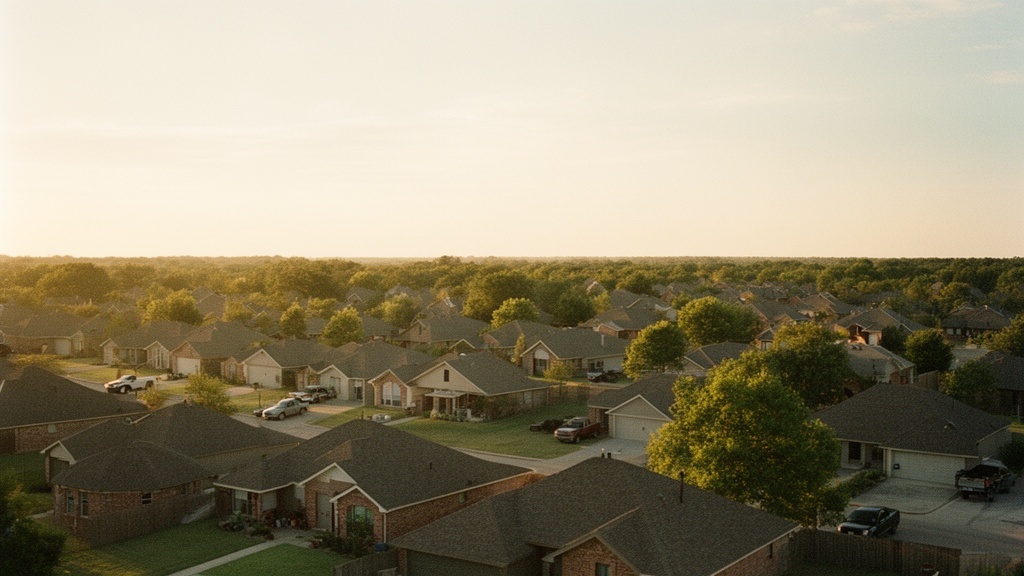
Swan River's residential areas each have a distinct character defined by the era they were built, the lot sizes available, and their proximity to town services. Understanding these differences helps buyers narrow their search before they even schedule a showing, and helps sellers position their property accurately. You can browse current listings across these areas at REALTOR.ca's Swan River listings to get a live sense of what is available in each pocket of town.
Downtown and Central Swan River
The blocks closest to Main Street and the commercial core contain some of the oldest housing stock in town, with many homes dating from the 1940s through the 1960s. These are typically one and a half storey or bungalow-style homes on narrower lots of roughly 50 by 120 feet. Proximity to the Swan River Health Centre, the local schools, and the downtown shops makes these addresses convenient for households who want to walk or cycle to services.
Prices in the central area tend to sit at the lower end of the town's range, often between $100,000 and $190,000, because many of the homes require updating. Buyers willing to put work into a property can find good value here. Sellers with updated homes in this zone should highlight the walkability and the lot's proximity to the Kelsey Trail Recreation Centre, the curling rink, and Centennial Park along the Swan River.
North End and Parkview Area
The north end of Swan River, including the streets that push toward the Parkview subdivision, contains a higher proportion of homes built from the 1970s through the 2000s. Lots here tend to be somewhat larger, often 60 by 130 feet or more, and many properties include attached or detached garages, which matter considerably in a climate where January temperatures regularly reach minus 25 Celsius or colder.
Split-level and raised bungalow designs are common in this part of town. Finished basements are a practical feature in the Swan River market generally, and homes in the north end that have developed lower levels command a noticeable premium over comparable homes with unfinished basements. Prices here typically run from $170,000 to $290,000 depending on condition and updates.
Rural Acreages and Swan River Valley Properties
Beyond the town limits, the Swan River Valley offers acreage properties ranging from small hobby farms of two to five acres to larger agricultural parcels. Homes on acreages within 10 to 15 kilometres of town are particularly sought after because buyers can access town services quickly while enjoying significant privacy and space. Gravel road access and well and septic systems are standard features on most rural properties in the valley.
Acreage prices vary widely. A small lot with a modest home close to town might list around $200,000, while a well-maintained property with a larger house, outbuildings, and 10 or more acres could push toward $400,000 or beyond. Waterfront or creek-adjacent properties on the Swan River itself or near Roaring River carry additional value and tend to sell faster when they come to market.
3. Swan River Home Prices: What Buyers and Sellers Need to Know Right Now
Price transparency is one of the most important parts of any Swan River, Manitoba real estate market guide. The numbers below reflect what is actively trading in September 2026, based on local market activity.
Entry-Level and Mid-Range Homes
Entry-level detached homes in Swan River start around $100,000 to $130,000 and are almost always older bungalows that need cosmetic or mechanical work. These properties attract investors looking to renovate and rent, as well as first-time buyers with a higher tolerance for a project. The rental market in Swan River is active because of the mill workforce and the valley's seasonal workers, so investors do find demand for finished rental units.
Mid-range homes, broadly defined as $180,000 to $280,000, represent the core of the Swan River market. This bracket includes updated bungalows, split-levels with finished basements, and newer modular homes on permanent foundations. Buyers in this range should expect to find properties with two to four bedrooms, one or two bathrooms, and a single attached garage. Homes that have had their furnaces, windows, or roofs replaced in the last decade sell noticeably faster than those with deferred maintenance.
Acreages and Larger Properties
Acreage buyers in the Swan River area should budget for well and septic inspections in addition to the standard home inspection. These systems are a significant cost if they need replacement, and their condition is not always visible during a walkthrough. A septic replacement in rural Manitoba can run $15,000 to $30,000 or more depending on the system type and site conditions, so due diligence here is critical.
Larger agricultural properties in the Swan Valley that include cultivated land are priced differently from residential acreages and are typically assessed partly on the quality and quantity of arable land. Buyers interested in farmland should be aware that agricultural financing programs through Farm Credit Canada or Manitoba's own agricultural lending programs may apply and can affect the structure of an offer.
How Swan River Compares Within the Parkland Region
Swan River sits within Manitoba's Parkland region alongside communities like Dauphin, Russell, and The Pas. Dauphin, roughly 175 kilometres to the south on Highway 10, tends to have slightly higher average prices because of its larger population base and greater commercial activity. Swan River's prices are generally more accessible, which draws buyers who want the valley lifestyle without the Dauphin price point. Russell, to the southwest, is smaller and has a thinner inventory at any given time.
4. Timing the Swan River Real Estate Market: When to Buy and When to Sell
Timing matters in Swan River, but not in the same way it does in a large urban market. Because the total number of active listings at any given time is relatively small, sometimes fewer than 30 to 40 properties across all types, a single new listing can meaningfully shift what buyers perceive as available. The seasonal patterns below are real but should be understood as tendencies rather than guarantees.
Seasonal Patterns in Swan River
Spring, from late April through June, is consistently the busiest listing season in Swan River. Sellers list in spring because the ground is clear, homes photograph better, and buyers are motivated to be settled before the next school year. Buyers who wait for spring listings get the most choice but also face the most competition. Conditional offers with financing and inspection conditions are standard, but in a busy spring market, sellers occasionally receive multiple offers on well-priced properties.
Summer, from July through August, sees continued activity but at a slightly slower pace as families travel and attention shifts. Fall, from September through October, is a secondary active period. Serious buyers who missed spring listings often come back to the market in September, and sellers who need to move before winter are motivated to price competitively. Right now, in September 2026, the market is in this fall window, which can be a productive time for both sides of a transaction.
Winter, from November through March, is the quietest stretch. Listings that sit through winter have often been on the market for an extended period or are priced above what the local market will bear. Buyers who shop in winter have less selection but can sometimes negotiate more favourable terms. Sellers who must list in winter should price precisely from day one, as overpriced winter listings tend to stagnate and accumulate days-on-market that hurt their spring prospects.
Market Conditions in September 2026
As of September 2026, Swan River's market is balanced to slightly favouring sellers on move-in-ready properties in the $180,000 to $280,000 range, where inventory is thin relative to buyer demand. Properties requiring significant work are sitting longer and seeing more price reductions before selling. Acreage inventory has been relatively steady, with a handful of properties at any given time in the 10 to 30 kilometre radius around town.
Interest rates in Canada have moderated compared to the peak levels of 2023 and 2024, which has improved affordability for buyers financing in the $200,000 to $300,000 range. For Swan River buyers, this means mortgage payments on a $250,000 purchase are more manageable than they were two years ago, and pre-approval amounts have increased for many households, bringing more buyers into the mid-range bracket.
5. Practical Steps for Buying or Selling in Swan River, Manitoba
Whether you are buying your first home in the valley or selling a property you have owned for decades, the Swan River market has specific practical considerations that differ from a larger urban centre. The steps below apply directly to how transactions move in this market.
What Buyers Should Prepare
Get pre-approved before you search seriously. In a market where total inventory is small, a property you want can go conditional within days of listing. Arriving with a pre-approval letter from a lender means you can move quickly when the right home appears. Buyers relocating from Winnipeg or other cities sometimes underestimate how fast a well-priced Swan River listing can move, even in a market of this size.
Budget for rural-specific costs if you are considering acreages. Well water testing, septic inspections, heating oil or propane tank assessments, and private road maintenance agreements are all costs that do not apply to in-town purchases. A thorough home inspection is non-negotiable in Swan River's older housing stock, where knob-and-tube wiring, aging oil tanks, and original plumbing are still present in some properties.
You can also browse current listings on the homes for sale in Swan River, Manitoba page on this site to get a current picture of what is available before booking showings.
What Sellers Should Know
Pricing accurately from the first day on the market is the single most important decision a Swan River seller makes. Because the buyer pool is smaller than in a city, overpriced homes do not attract enough traffic to generate offers, and the longer a home sits, the more buyers assume something is wrong with it. A comparative market analysis using recent sales within the town and surrounding area is the correct starting point, not a number based on what a neighbour received three years ago.
Presentation matters more than many Swan River sellers expect. Professional photography, clean and decluttered interiors, and a well-maintained exterior all improve how a listing performs online, where the majority of buyers now begin their search. Even in a small market, buyers browse listings on their phones before they ever contact an agent, and a listing with dark or cluttered photos gets skipped.
Working With a Local Expert
Swan River's market is small enough that local knowledge is a genuine advantage. An agent who knows the valley understands which streets flood in spring, which areas have private well concerns, how long specific types of properties typically sit before selling, and what comparable sales actually look like when the public database has limited recent data. Gene Vestby works in Swan River and the surrounding valley and brings that ground-level knowledge to every transaction.
For a broader picture of what is currently listed across Swan River and the valley, you can also review the Swan River Real Estate and Neighbourhood Guide at RE/MAX Canada for additional market context alongside local listing data.
FAQ
What is the average home price in Swan River, Manitoba, in 2026?
As of September 2026, detached homes in Swan River's town limits are selling across a broad range. Entry-level properties in need of updating start around $100,000 to $130,000, while move-in-ready homes with updated kitchens, attached garages, and finished basements typically sell between $180,000 and $290,000. Newer construction or substantially renovated homes can reach $300,000 to $350,000. Rural acreages within 15 kilometres of town add additional variables including land size, well and septic condition, and outbuildings, which push prices anywhere from $200,000 to $400,000 or more. These figures reflect current local sales activity and can shift with inventory levels and seasonal demand.
Is Swan River, Manitoba, a good place to buy real estate right now?
Whether Swan River is the right place to buy depends entirely on your own priorities, employment situation, and lifestyle preferences, and those are decisions only you can make after researching the community directly. What is factually true as of September 2026 is that Swan River offers detached home prices well below the provincial average, a functioning local economy anchored by the Tolko mill and the valley's agricultural sector, and access to healthcare through the Swan River Health Centre. The fall market window is currently active, meaning there is reasonable inventory to view and sellers who are motivated to close before winter. Speaking with a local agent like Gene Vestby will give you the most accurate picture of what is available right now.
How long do homes typically sit on the market in Swan River, Manitoba?
Days on market in Swan River vary considerably by price point and condition. Well-priced, move-in-ready homes in the $180,000 to $280,000 range can go conditional within two to four weeks during active spring and fall periods. Properties requiring significant work or priced above current market comparables may sit for 60 to 120 days or longer, particularly if they enter the market in winter. Acreages have a smaller buyer pool and often take longer to sell than in-town properties, though waterfront or creek-adjacent parcels tend to attract interest faster. Monitoring days-on-market for specific properties before making an offer is a useful negotiating data point that a local agent can help you interpret.