← Back to Blog
Neighborhoods
Atlanta Homes for Sale by Neighborhood: Find the Right Area in Atlanta, Georgia
By Haja Sow
October 19, 2026 · 5 min read
Searching for atlanta homes for sale by neighborhood? This guide breaks down housing types, typical price ranges, commute times, local amenities, and market notes for key Atlanta areas so you can narrow your search quickly.
1. Overview: How to Use Neighborhood Listings
Start with a clear search area. Searching for atlanta homes for sale by neighborhood narrows results from thousands of citywide listings to the handful that match exact commute, school, and amenity needs. Use filters for price, beds, lot size, and year built to make neighborhood searches efficient.
Why neighborhood-level searches matter
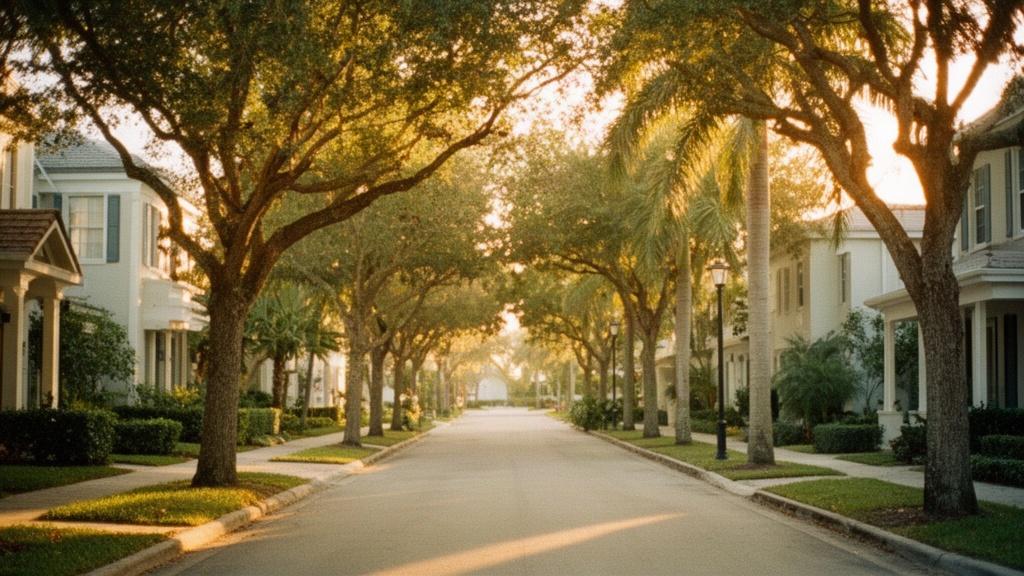
Local detail clarifies tradeoffs. Two homes with the same square footage can sit in very different contexts in Atlanta; one may be a 1920s bungalow on an established oak-lined street, another a 2018 townhome near a light rail stop. Neighborhood-level searches expose those differences so buyers and sellers make informed choices.
2. Pricing, Housing Stock, and Commutes by Neighborhood
This section gives quick, comparable facts for popular Atlanta neighborhoods. Each neighborhood entry lists housing types, typical price ranges, and common commute distances to downtown Atlanta or key employment centers.
Midtown, Buckhead, Old Fourth Ward
Midtown facts. Housing: condos and midrise apartments, some older brick apartment conversions. Price range: many condos list between $300,000 and $900,000, with high-end penthouses higher. Commute: 5 to 15 minutes to downtown businesses via surface streets or MARTA Arts Center station proximity. Amenities include Piedmont Park, the High Museum, and short walks to major office towers.
Buckhead facts. Housing: single family homes on larger lots, gated communities, and luxury condos. Price range: single family homes commonly from the high six figures into the millions; condos vary more. Commute: 15 to 30 minutes to central business districts depending on traffic; GA 400 is a major corridor. Amenities: Lenox Square, Phipps Plaza, and several large parks.
Virginia Highland, Inman Park, East Atlanta
Virginia Highland facts. Housing: predominantly craftsman bungalows and smaller single family homes, some newer townhomes. Price range: many listings fall between $500,000 and $1,000,000. Commute: 10 to 25 minutes to Midtown and downtown depending on route. Amenities include walkable retail corridors and neighborhood parks.
Inman Park facts. Housing: historic Victorian homes, renovated properties, and new construction townhomes. Price range: many homes range from mid six figures to over a million. Commute: 10 to 20 minutes into Midtown; MARTA accessibility and BeltLine access are common features.
East Atlanta facts. Housing: a mix of bungalows, ranches, and newer infill. Price range: many single family homes list between $350,000 and $700,000. Commute: 20 to 30 minutes to Midtown or downtown by car, with I-20 access. Notable amenities include music venues, local restaurants, and parks.
Decatur, West Midtown, Summerhill
Decatur facts. Housing: older single family homes on tree-lined streets, plus downtown condos. Price range: many homes between $400,000 and $900,000. Commute: 15 to 30 minutes to downtown Atlanta by car or MARTA from Decatur station. Decatur Square offers restaurants, a historic courthouse, and frequent events.
West Midtown facts. Housing: converted industrial lofts, contemporary condos, and new townhomes. Price range: condos and lofts often start in the $300,000s; townhomes rise from there. Commute: 10 to 25 minutes to Midtown or downtown; proximity to I-75/85 helps. West Midtown also hosts manufacturing-turned-retail hubs and restaurants.
Summerhill facts. Housing: a growing mix of historic homes and new infill construction. Price range: many properties list from the $300,000s upward, with new developments priced higher. Commute: 10 to 20 minutes to downtown; easy access to I-75/85. Summerhill is adjacent to the Mercedes-Benz Stadium and benefits from recent investment in infrastructure.
3. Where New Development and Build-to-Rent Fit In
New construction and build-to-rent are changing listings in many Atlanta neighborhoods. Build-to-rent projects are rapidly increasing around Atlanta, creating more professionally managed single family rentals and impacting supply in neighborhoods where infill is occurring. That trend affects inventory levels and offers different options for buyers who want new construction or investors tracking rental demand.
Recent projects and trends
Mixed-use development is common near BeltLine corridors. Along the BeltLine Eastside Trail and corridors like Ponce de Leon Avenue, developers continue adding mixed-use buildings that combine retail on the ground floor with apartments above. Those projects add condo and rental inventory close to parks, trails, and dining.
4. How to Search and Tour Neighborhood Homes
Be methodical when you browse listings. Set up neighborhoods as separate saved searches, compare the same price point across areas, and track days on market. That approach makes it clear whether a price is competitive for an area or an outlier.
Search filters to use
- Price range: narrow to three price bands that fit your budget
- Property type: single family, townhouse, condo, lot
- Commute time: filter by drive time where available or use map tools
- Year built and lot size: useful for comparing new construction versus historic homes
Open house and tour tips
Inspect the immediate surroundings. Check street parking, sidewalk conditions, and nearby commercial uses during a visit. Time drives on key commutes during the actual commute window to confirm drive times listed online. Ask about recent upgrades, roof and HVAC age, and any HOA details when touring condos or townhomes.
5. Local Resources and Next Steps
Use official data sources before deciding. Check the Georgia Department of Education and local school districts for school details, the City of Atlanta and police department sites for municipal information, and the Census Bureau for demographics. For market-level context on pricing trends and ZIP code differences, reputable real estate publications publish searchable data and lists of high-value ZIP codes in the region.
How I can help. As an Atlanta area agent, I provide neighborhood-specific listing alerts, custom commute maps, and on-the-ground knowledge about recent sales and active inventory. Tell me the neighborhoods you are weighing and I will set up targeted searches and arrange tours around your schedule.
Neighborhood searches help you find the right house faster. Focusing on atlanta homes for sale by neighborhood highlights real differences in housing stock, commute times, and amenities so you can make a confident choice. Reach out and I will walk you through current listings that match what matters to you.
FAQ
How do I start searching for atlanta homes for sale by neighborhood?
Begin by listing 3 to 5 neighborhoods you want to compare. Use price and property type filters and save searches for each area. Track new listings for a week to see inventory levels and days on market, then schedule tours for the top properties.
What price ranges should I expect across Atlanta neighborhoods?
Expect wide variation: some intown neighborhoods commonly see condos in the $300,000s to $900,000s, while single family homes in Buckhead and certain intown pockets often start in the high six figures. Suburban-edge areas and older intown neighborhoods offer many options in the $300,000s to $600,000s. Local market data will refine these ranges for your preferred neighborhoods.
Are build-to-rent developments affecting listings in Atlanta?
Yes, build-to-rent has expanded in the Atlanta area, adding professionally managed single family rental inventory in many markets. That growth increases rental supply and can affect for-sale inventory where developers convert land to rental projects. For more on the trend, see industry coverage linked in this guide.