← Back to Blog
Selling
Selling a Home in Queen Creek, Arizona: Pricing, Timeline and What to Expect
By Harry Patel
September 22, 2026 · 11 min read
Selling a home in Queen Creek, Arizona involves more moving parts than most sellers expect, and the decisions you make in the first two weeks often determine how much you net at closing. This guide covers what actually drives pricing in Queen Creek right now, how long the process takes from prep to close, and what surprises tend to catch sellers off guard in this specific market.
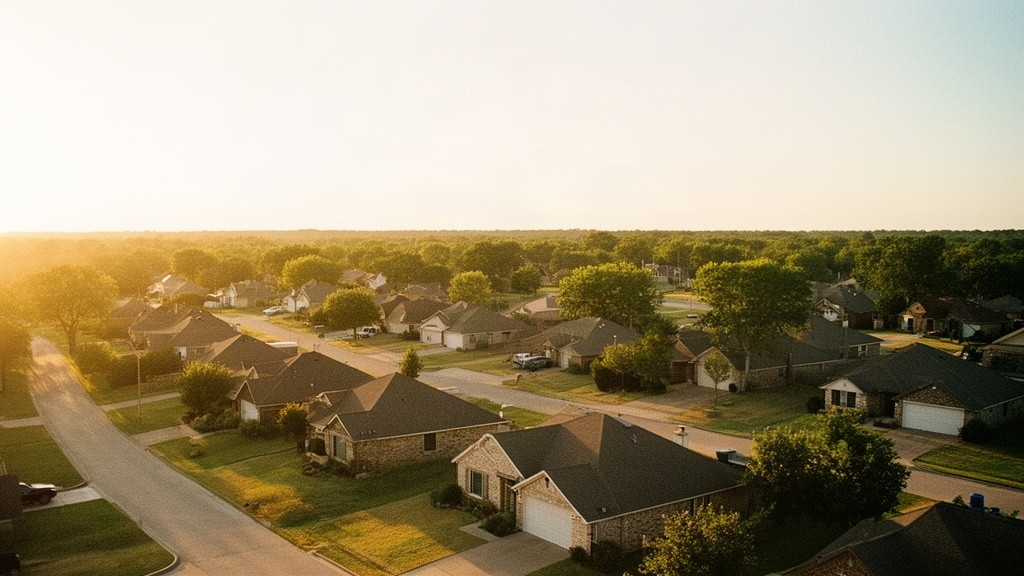
1. How Queen Creek Home Pricing Works in September 2026
Pricing is the single variable that controls everything else in a home sale. Set it correctly and you attract multiple serious buyers within the first ten days. Set it too high and the listing goes stale, which triggers price cuts that buyers interpret as a red flag. In Queen Creek specifically, buyers are well-informed; they are cross-referencing your home against active listings in Cortina Ranch, Legado, Meridian, and Encanterra, and they are watching days-on-market data closely.
What Buyers Are Paying Right Now
As of September 2026, the Queen Creek resale market is sitting in a range where most detached single-family homes trade between the low $400,000s and the high $600,000s, depending on square footage, lot size, and subdivision. For a detailed breakdown of current median figures by price tier, see the average home price in Queen Creek for September 2026. Homes on larger lots, particularly those on the half-acre to one-acre parcels that still exist in older sections of Queen Creek along Rittenhouse Road and Ellsworth Road, tend to command a premium over comparable square footage on standard 6,000- to 8,000-square-foot lots.
Upgrades matter, but not equally. Kitchens with quartz countertops, extended cabinetry, and stainless appliances are now table stakes in the $500,000-plus bracket. Buyers in that range expect them. What actually moves the needle in Queen Creek is outdoor living: covered patios, extended pavers, built-in BBQ areas, and pools. The summer heat makes usable outdoor space a concrete selling point, and homes with thoughtfully finished back yards consistently appraise and sell above those without.
How Builders Affect Your Resale Price
Queen Creek is one of the most active new-construction markets in the entire Southeast Valley. Builders including Taylor Morrison, Toll Brothers, and Meritage are actively selling in several master-planned communities right now, and they are offering incentives, rate buydowns, and design-center credits that resale sellers simply cannot match dollar for dollar. This is not a reason to panic, but it is a reason to price honestly. A resale home priced at $590,000 needs to clearly justify that number over a comparable new build at $575,000 with a builder incentive. Your justification is usually location within the community, lot size, mature landscaping, and the absence of a construction zone next door.
The Cost of Overpricing in a Data-Driven Market
Every day a Queen Creek home sits without an offer, buyers assume something is wrong with it. Current days-on-market data for Queen Creek shows that well-priced homes are going under contract meaningfully faster than overpriced ones that eventually reduce. You can check the current days-on-market figures for Queen Creek in September 2026 to see exactly how long homes are sitting right now. The homes that sell fast and close at or above asking price are almost always priced within two percent of their actual market value from day one.
2. The Full Selling Timeline: From Decision to Close
Most Queen Creek sellers close within 45 to 75 days of making the decision to sell, but the range is wide depending on how prepared the home is and how quickly a buyer is found. Here is how the process typically unfolds, broken into three phases.
Weeks One and Two: Prep and Positioning
The two weeks before going live are the most important and most underestimated part of selling a home in Queen Creek, Arizona. During this window, your agent completes a comparative market analysis using recent closed sales within roughly a two-mile radius, you handle any deferred maintenance items, professional photos are scheduled, and the listing copy is written. In Queen Creek's newer subdivisions, buyers expect professional photography that captures the open floor plans and outdoor spaces well. Drone shots are particularly useful for homes on larger lots or those backing to open space.
Sellers who skip the prep phase consistently leave money on the table. A fresh coat of neutral interior paint, cleaned grout lines, and a pressure-washed driveway cost a few hundred dollars and routinely add several thousand to the final sale price. The Queen Creek buyer pool includes many relocating households who are making decisions quickly and often sight-unseen, which means online presentation is everything.
Going Active and Receiving Offers
Once the listing goes live on the MLS, the first 72 hours are the highest-traffic window you will ever have. Buyers and their agents have saved searches set up, and a new listing in Queen Creek triggers immediate alerts. Showings typically cluster in the first weekend. In the current market, a well-priced home in a community like Cortina Ranch or Legado can receive offers within three to five days. Homes priced at the top of their range or with limited showing availability may take two to three weeks.
When evaluating offers, price is only one factor. Financing type, down payment percentage, requested closing cost contributions, inspection contingency terms, and proposed close date all affect the net value of an offer. A cash offer at $10,000 below asking with a 15-day close can easily outperform a financed offer at full price with a 45-day close and a $10,000 seller concession request, depending on your situation.
Under Contract Through Closing
Once you accept an offer, the contract period in Arizona typically runs 30 to 45 days for financed buyers. During this time, the buyer completes their inspection (usually within the first ten days), the appraisal is ordered by the lender, and title work is processed. In Queen Creek, the inspection period is where most renegotiations happen. Buyers commonly request repairs or credits for HVAC servicing, roof conditions, and pool equipment, since homes here work those systems hard.
Closing takes place at a title company, and Arizona is a dry-close state, meaning funds are disbursed after the deed records with Maricopa County, not at the table itself. Most sellers receive their net proceeds via wire transfer within 24 hours of the deed recording.
3. What Sellers in Queen Creek Actually Net After Costs
Understanding your net proceeds before you list prevents surprises at the closing table. The gross sale price is not what you walk away with; several cost categories come out of it first.
Commission and Transaction Costs
Real estate commission in Arizona is negotiable and not set by law or any governing body. In practice, total commission on a Queen Creek resale transaction in 2026 commonly falls in a range that reflects the services provided by both the listing agent and the buyer's agent. Beyond commission, sellers in Maricopa County typically pay for title insurance, escrow fees, and a portion of prorated property taxes. Arizona does not have a transfer tax, which is a meaningful advantage compared with many other states. For a detailed look at all the cost line items, the closing costs guide for Queen Creek buyers covers the full picture from both sides of the transaction.
Seller Concessions in the Current Market
Buyer requests for seller-paid closing cost contributions have become more common in 2026 as mortgage rates remain elevated compared with the historic lows of 2020 and 2021. A buyer asking for a two percent seller concession on a $500,000 home is asking you to contribute $10,000 toward their closing costs or a rate buydown. Whether to accept, counter, or reject that request depends entirely on your competing offers and days on market. In a multiple-offer situation, you have leverage to push back. With one offer after three weeks on market, the calculus changes.
How HOA and Property Tax Prorations Factor In
Almost every resale home in Queen Creek sits within an HOA, and HOA dues are prorated at closing. If you have prepaid dues for the quarter, you receive a credit. If dues are owed, they are collected. HOA transfer fees and disclosure document fees are also typically a seller cost in Arizona. These can range from a few hundred to over a thousand dollars depending on the community. For specifics on what HOA fees look like across Queen Creek communities, see the HOA fees guide for Queen Creek. Property taxes in Maricopa County are also prorated, and because Arizona taxes are paid in arrears, sellers typically owe a credit to the buyer for the portion of the tax year they occupied the home.
4. What to Expect From Buyers in the Queen Creek Market
Knowing who is actually shopping in Queen Creek helps you position your home and your expectations correctly. The buyer pool here is distinct from what you would find in Scottsdale or central Phoenix.
Who Is Shopping in Queen Creek Right Now
A significant share of Queen Creek buyers in September 2026 are relocating from out of state, particularly from California, Colorado, and the Pacific Northwest. These buyers are often purchasing with equity from a higher-cost market, which means stronger down payments and less sensitivity to current mortgage rates. They are drawn to Queen Creek's newer housing stock, the proximity to the San Tan Valley corridor, and access to outdoor recreation at San Tan Mountain Regional Park. Local move-up buyers, people already living in the Southeast Valley who are upsizing within Queen Creek, represent another meaningful segment.
Inspection and Appraisal Dynamics
Arizona is a buyer-friendly inspection state. Under the standard Arizona Association of Realtors purchase contract, buyers have an inspection period during which they can cancel for any reason or request repairs. In Queen Creek, the most common inspection findings involve HVAC systems, which work extremely hard in summer heat, roof conditions on homes built in the 2000s and early 2010s, and pool equipment. Sellers who order a pre-listing inspection and address known issues before going to market often avoid renegotiation surprises entirely.
Appraisals in Queen Creek are generally straightforward in active subdivisions where there are ample comparable sales. The challenge arises with unique properties, such as custom homes on large acreage or homes with significant upgrades that exceed neighborhood norms. In those cases, your agent's ability to provide the appraiser with a solid comparable sales package can make a real difference in the outcome.
Competing With New Construction
New construction is the most persistent competitor a Queen Creek resale seller faces. Builders advertise heavily, staff their model homes seven days a week, and offer financing incentives through their preferred lenders. The advantage resale homes hold is immediacy: a buyer can close in 30 days rather than waiting six to twelve months for a build to complete. Resale homes also offer established landscaping, window treatments, and often a pool, none of which are included in most builder base prices. Leaning into those advantages in your listing marketing is essential.
For more context on what is being built and where, the guide to new master-planned communities in Queen Creek in 2026 outlines the active developments your buyers are also considering.
5. Timing Your Sale for Maximum Results
Timing matters in any market, and Queen Creek has its own seasonal rhythm that differs from the national pattern. Understanding it helps you list when buyer demand is highest relative to inventory.
Seasonal Patterns in the Southeast Valley
The Queen Creek market typically sees its strongest buyer activity from late January through early May, driven by the Arizona winter visitor effect and by relocating buyers who want to close before the school year ends. Summer in Queen Creek, particularly July and August, is the slowest period. Many local buyers pause their search during the peak heat months. Activity picks back up in September and October as temperatures drop into the mid-90s and below, which is exactly where the market sits right now. The fall window, September through November, is historically the second-best selling period in the Southeast Valley and often less competitive for sellers than spring because fewer homes are listed.
When to List for the Most Attention
Within any given week, Thursday is consistently the highest-traffic day for new listing views in most U.S. markets. Research from Realtor.com, reported by Inman, identifies Thursday as the optimal day to go live because it positions the listing perfectly for the weekend showing rush. In Queen Creek, where many buyers are touring homes Saturday morning before the afternoon heat, a Thursday activation means your listing has 48 hours of online visibility before the first showing weekend.
Avoid going live on a Friday afternoon or over a long holiday weekend. Those listings miss the peak early-week search activity and can appear stale by the time serious buyers are browsing again Monday morning. The first seven days of a listing's life generate roughly 60 to 70 percent of its total showing activity, so wasting even two of those days on a low-traffic window has a measurable cost.
FAQ
How long does it take to sell a home in Queen Creek, Arizona from start to finish?
The full process, from making the decision to sell through receiving your net proceeds, typically runs 45 to 75 days for most Queen Creek sellers. The prep and listing phase takes one to two weeks, and once you accept an offer, a financed buyer close takes 30 to 45 days. Cash transactions can close in as few as 10 to 15 days. Homes that are priced accurately and show well tend to go under contract within the first one to two weeks on market, which keeps the overall timeline on the shorter end of that range.
What costs should a Queen Creek home seller budget for before going to market?
Before listing, sellers commonly spend on cosmetic prep work such as paint, cleaning, and landscaping touch-ups, as well as professional photography and potentially a pre-listing inspection. At closing, the largest seller costs are real estate commission, title insurance, escrow fees, HOA transfer and disclosure fees, and prorated property taxes. Arizona does not charge a real estate transfer tax, which reduces the cost burden compared with many other states. Seller-paid closing cost concessions to buyers are also common in the current market and should be factored into your net proceeds estimate.
Does selling a home in Queen Creek, Arizona require disclosing known defects?
Yes. Arizona law requires sellers to complete a Seller's Property Disclosure Statement, which covers known material defects including roof condition, HVAC history, plumbing issues, pool equipment, and any past water intrusion or structural concerns. Sellers are required to disclose what they know; they are not required to investigate what they do not know. Completing the disclosure accurately and completely protects you legally and builds buyer confidence. Working with a knowledgeable local agent like Harry Patel ensures the disclosure process is handled correctly and that nothing is inadvertently omitted.