← Back to Blog
Local Living
Which Athens neighborhoods are within a 15-minute drive to UGA campus and what are typical home prices there right now (October 2026)
By Holly Horgan
October 5, 2026 · 5 min read
Which Athens neighborhoods are within a 15-minute drive to UGA campus and what are typical home prices there right now (October 2026). This guide lists specific Athens areas within about 15 minutes drive of the University of Georgia, shows typical current price ranges, notes commute distances and local amenities, and points you to data sources for further research.
1. Quick Answer: Areas within 15 minutes and price overview
Short answer. Several Athens neighborhoods are within about a 15-minute drive of the University of Georgia campus from most points: Five Points, Cobbham, Normaltown, Boulevard, Downtown/Broad Street, and parts of East Athens and Gaines School area. Typical home prices right now, October 2026, range roughly from the low $300,000s for smaller bungalows or condos up to the high $700,000s or low $800,000s for larger renovated homes closer to downtown.
How I measured drive time
Method note. Drive times cited use typical daytime traffic conditions from central points in each neighborhood to the UGA Tate Center area. Actual times vary by time of day, events, and construction, but most places listed will fall within a roughly 0.5 to 8 mile driving distance and under 15 minutes under normal daytime flows.
2. Details by neighborhood
Five Points and Cobbham
Neighborhood snapshot. Five Points sits about one mile north of the UGA campus and Cobbham is immediately north and northeast of Five Points. Drive time to Tate Center is typically 5 to 10 minutes. Housing here includes early 20th century bungalows, small Craftsman homes, and a growing number of renovated properties. Lots are often smaller than 0.2 acre closer to the intersection of Milledge Avenue and Five Points.
Typical price range. Prices for single family homes in Five Points and Cobbham right now, October 2026, generally fall between about $350,000 and $650,000. Smaller cottages and condos can list in the low $300,000s, while fully renovated homes on larger lots can push into the $600,000s.
Normaltown and Boulevard
Neighborhood snapshot. Normaltown lies east of downtown along Prince Avenue, with Boulevard stretching southeast toward the Oconee Hill Cemetery area. Drive times to campus are usually 6 to 12 minutes depending on exact start point and route. Housing stock includes 1920s to 1950s bungalows, some mid century houses, and newer infill construction on small parcels.
Typical price range. Normaltown and Boulevard homes in October 2026 commonly list from about $300,000 for modest cottages up to $700,000 for larger renovated houses near Prince Avenue. Condos and duplexes can appear in the mid $200,000s to low $400,000s.
Downtown and Broad Street corridor
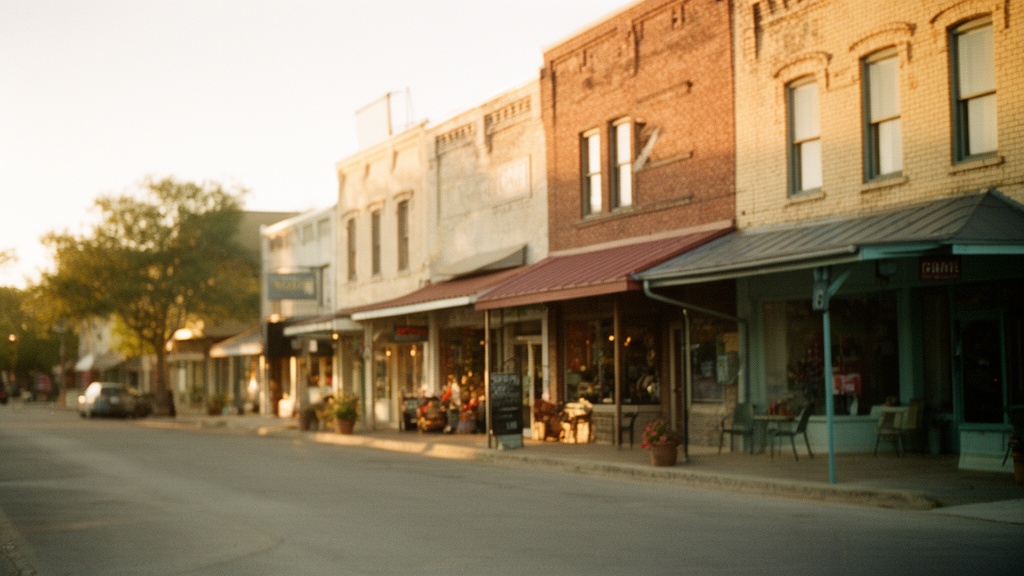
Neighborhood snapshot. Downtown Athens and the Broad Street corridor are within a 3 to 8 minute drive to the core of campus. This area contains historic commercial buildings, loft conversions, and a mix of townhomes and small single family parcels. On-street parking and municipal parking decks are common near Broad Street destinations.
Typical price range. Condo lofts and renovated historic properties downtown can range from about $300,000 to $750,000 in October 2026. Larger historic homes near the north end of downtown or closer to Milledge Avenue may exceed $800,000 depending on lot size and renovation level.
East Athens and Gaines School area
Neighborhood snapshot. East Athens stretches toward the Georgia Square Mall and the Gaines School neighborhood sits southeast of downtown. Parts of these areas are within a 10 to 15 minute drive to UGA under normal conditions. Housing here includes postwar ranches on larger lots and newer subdivisions with 0.2 to 0.4 acre lots.
Typical price range. In October 2026 typical single family homes in East Athens and Gaines School area are often priced from the mid $200,000s up to about $500,000. Newer construction on larger lots can surpass those ranges depending on finishes.
3. What 'typical home prices' mean in Athens right now
Median versus typical. Median sale prices report a single middle value, but typical prices in this guide reflect common listing ranges you will see day to day by neighborhood. In Athens, smaller lots and older homes near the university tend to command higher per-square-foot prices than larger suburban lots further out.
Housing stock. Athens' housing stock includes early 1900s bungalows, mid century ranches, 1990s subdivisions, and recent infill. Lot sizes range from under 0.1 acre near downtown to 0.3 acre or more in established East Athens neighborhoods.
4. Commute considerations and local amenities
Drive time variables
What affects commute. Event days, class schedules, and Saturday football gamedays can double or triple travel times around campus. Plan for longer travel during peak morning and late afternoon class changes and check game-day road closures when buying within a 15-minute drive.
Transit and parking
Options nearby. Athens Transit provides fixed routes connecting many neighborhoods to campus, and UGA operates shuttle loops near key student housing. Downtown and Broad Street offer municipal lots and parking decks. Factor parking costs and permit rules into your monthly budget if you will drive to campus regularly.
5. How to use this information when house hunting
Search and budgeting tips
Start with priorities. Decide whether proximity, lot size, or renovation level matters most. Use the price ranges above to set realistic search filters, then expand or contract your commute tolerance by a few minutes to see more inventory.
Inspection priorities. For older bungalows check foundation and roof condition; for infill homes confirm drainage and neighbor setbacks. If parking is limited, confirm legal on-street rules or whether off-street spaces exist.
Where to check more data. For broader cost of living context see the Forbes Advisor Athens cost of living calculator, and for rental or buyer demographics the National Association of Realtors publishes MSA buyer reports and rental trend analysis.
Useful links. Check the Forbes Advisor cost of living page for Athens and NAR research pages on buyers and single-family rental geography for national trends that affect local decisions.
Forbes Advisor cost of living.
6. Next steps for buyers and sellers near UGA
If you are buying. Get preapproved, pick 2 to 3 neighborhoods from this guide that match your commute tolerance, and plan weekday visits at the times you will commute to see real travel times.
If you are selling. Price homes competitively against similar nearby properties, highlight commute times to UGA, and note transit options and recent renovations in your listing details.
Local help. If you want neighborhood-specific comps and a personalized drive-time map, contact Holly Horgan. I provide localized market analysis and will show you homes that fit your commute and budget in Athens, Georgia.
FAQ
Are there reliable public transit options for commuting to UGA from these neighborhoods?
Yes. Athens Transit runs fixed routes connecting several neighborhoods to downtown and the UGA campus, and UGA operates shuttle services that serve major student housing corridors. Service frequency varies by route, so check current schedules on Athens Transit and UGA transportation pages when planning a commute.
How much do gamedays affect drive times to campus?
Gamedays substantially increase travel time around campus, often doubling or tripling normal drive times and causing road closures near Sanford Stadium. If you will commute on Saturdays or attend games, plan alternate routes or allow extra time. Sellers sometimes note gameday impacts in listing remarks.
Where can I confirm school boundaries and crime data for neighborhoods?
School attendance zones are published by the Clarke County School District on their website, and municipal police departments publish crime statistics and maps. These are the primary official sources to consult directly when researching neighborhood services and public data.