← Back to Blog
Buying
Where to Find Homes for sale in Los Angeles: Neighborhoods, Prices, and How to Search
By Ingrid Chavez, Broker Owner
Ingrid's Real Estate · DRE# 01923390
October 23, 2026 · 4 min read
Looking for homes for sale in Los Angeles? This guide breaks down the city's housing types, typical price bands, commute considerations, and where to look first so you can search efficiently.
1. What types of homes are available in Los Angeles
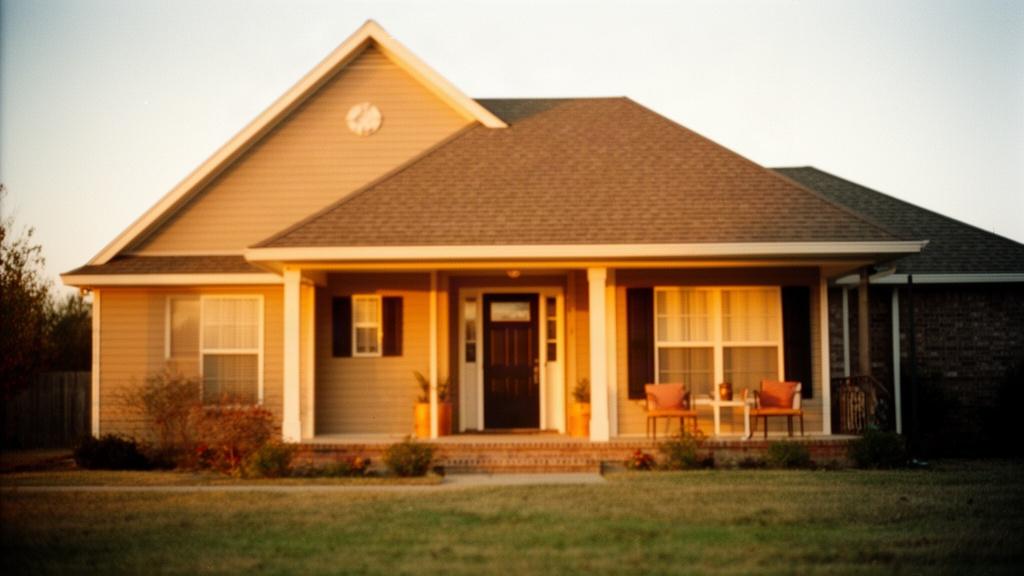
Los Angeles offers a wide variety of housing stock. Expect single-family craftsman houses, Spanish revival bungalows, midcentury modern homes in neighborhoods like Miracle Mile and Silver Lake, condominium towers in Downtown, and townhomes in areas such as Koreatown and Sherman Oaks.
Single-family homes
Most single-family homes sit on small to medium lots compared with other US metros. Lot sizes range from garden lots in West Hollywood to larger parcels in the Hollywood Hills and parts of the San Fernando Valley. Many houses were built between 1920 and 1960, with frequent remodels and additions.
Condos, townhomes, and new construction
Condo living is common near transit and in central neighborhoods. Downtown Los Angeles, Century City, and Santa Monica have high-rise condos, while Koreatown, Echo Park, and Pasadena offer smaller condo complexes and townhomes. New infill projects and accessory dwelling units are also appearing across the city.
2. Typical price ranges and what they buy
Price ranges in Los Angeles vary dramatically by neighborhood. Below are broad categories with representative examples to help set expectations when you search for homes for sale in Los Angeles.
- Entry-level: Condos and small single-family homes in neighborhoods such as North Hollywood, portions of the Valley, and some South LA blocks
- Mid-range: Larger condos, townhomes, and modest single-family homes in areas like Culver City adjacent neighborhoods, Echo Park, and parts of Westchester
- Higher-price pockets: Hillside homes, coastal neighborhoods, and newer luxury condos in places such as Brentwood, Pacific Palisades, Malibu outskirts, and Hollywood Hills
Look at recent comparable sales in the specific neighborhood you are considering. That will tell you what features are valued nearby, such as views, usable outdoor space, parking, or permitted ADUs.
3. Where to look by lifestyle and commute
Choose locations based on travel patterns and local amenities. Below are practical commute and amenity notes for common search corridors in Los Angeles.
Westside and coastal areas
Proximity to the beach and major employers is a key draw here. Santa Monica, Venice, and West Los Angeles offer shorter drives to jobs in West LA and shorter public transit rides to downtown Santa Monica. Parking and lot size can be limited in closer-in coastal blocks.
Downtown and transit corridors
If access to rail lines or bus rapid transit matters, focus on central neighborhoods. Downtown LA, Koreatown, and North Hollywood are within transit corridors that link to employment centers. Building age, condo HOA rules, and parking vary widely, so check each listing carefully.
San Fernando Valley and eastern neighborhoods
The Valley and foothill areas provide different lot sizes and commute tradeoffs. Sherman Oaks, Studio City, and Burbank offer more mid-century and ranch-style homes with drive times that depend on freeway routes. Check drive times at the specific times you would commute.
4. How to run an effective Los Angeles search
Use precise filters and local knowledge to reduce time spent on unsuitable listings. Below are actionable steps to make searches more productive when looking for homes for sale in Los Angeles.
Set the right filters
Start with three must-haves and two deal-breakers. Filter by property type, minimum and maximum price, number of beds, parking, and lot size. Include commute time search where available to see realistic drive times to your workplace.
Check comparable sales and disclosures
Look at sold listings within a half mile and the last six months. Pay attention to sale price versus list price, sold date, and features such as permitted additions, views, and parking. Review seller disclosures, rental rules for condos, and any recorded easements.
According to the National Association of Realtors, inventory trends and buyer readiness are topics buyers should watch. That article offers context about inventory that you can compare with local MLS data for Los Angeles.
5. Next steps and working with a local agent
A local agent can save time and spot issues specific to Los Angeles. Here are the practical questions to ask when you interview agents or when you are ready to make an offer.
- Local experience: Ask how many transactions the agent closed in your target neighborhood in the last 12 months
- Comparable evidence: Request the most similar three sold properties and the agent's pricing rationale
- Inspection and disclosures: Ask about common disclosure items in LA, such as retrofit notices, hill-bracing, or geological reports where relevant
- Closing logistics: Confirm escrow timelines, typical lender timelines in Los Angeles, and any local utility transfer steps
The National Association of Realtors has resources about timing and buyer preparation that can help you plan showings and offers. Use those national checklists alongside neighborhood-level data for Los Angeles.
Tools like Trolto can generate marketing materials automatically from listing photos, and agents in Los Angeles use those tools to streamline showings and online promotion.
6. Practical tips for buyers relocating to Los Angeles
Relocating buyers should plan a focused preview trip. Map a 48 to 72 hour itinerary that includes drive-time checks during commute hours, visits to grocery stores and parks, and time inside sample homes so you can compare layout and light.
Consider temporary housing near the areas you shortlisted. Short-term rentals give you a better feel for noise, parking patterns, and nearby services than a single listing visit.
FAQ
How do I start searching for homes for sale in Los Angeles?
Begin with a clear budget and a short list of nonnegotiable features, such as parking, number of bedrooms, or minimum lot size. Filter listings by neighborhood, commute time, and property type. Then ask an agent to pull recent comparable sales within a half mile to understand local pricing nuances.
Should I worry about natural hazards when buying in Los Angeles?
Los Angeles has varied geology and wildfire exposure across different parts of the city. Review seller disclosures, check municipal hazard maps, and request geotechnical reports or retrofit documentation when relevant. Your agent can point you to city and county resources for objective data.
What are typical closing timelines in Los Angeles?
Closing timelines depend on the type of financing and whether the property is a condo with HOA approvals. Standard escrow periods range from 30 to 45 days for conventional loans, but cash transactions can close faster. Confirm timelines with your lender and the listing agent early in negotiations.