
← Back to Blog
Market Trends
Sacramento, California Real Estate Market Guide: Prices, Neighborhoods and Timing
By Irina Mikayelyan
Keller Williams Realty · DRE# 02356303
September 1, 2026 · 10 min read
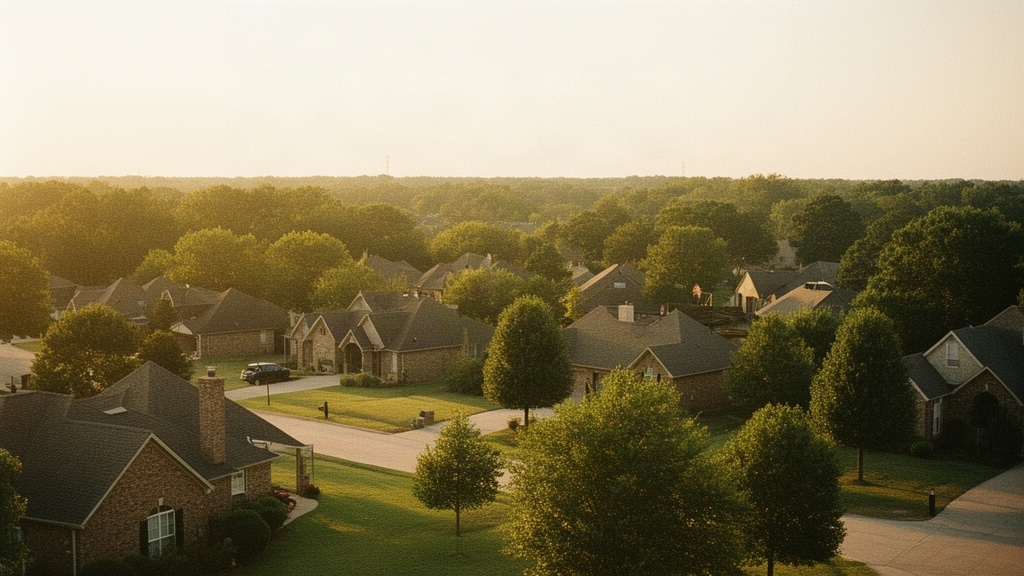
Whether you are buying, selling, or relocating, understanding the Sacramento, California real estate market guide covering prices, neighborhoods, and timing gives you a real edge. This article breaks down what the market looks like right now, which parts of the city have which types of housing stock, what prices actually look like across different areas, and how to think about the calendar when making your move.
1. What Sacramento Home Prices Look Like Right Now
Sacramento home prices are holding firm in August 2026, with the citywide median sitting in the low-to-mid $500,000s. That figure represents a market that has cooled from its 2022 peak but has not retreated significantly, largely because the Sacramento metro continues to attract buyers priced out of the Bay Area and other coastal California markets.
Citywide Median and Price Per Square Foot
According to Redfin's 2026 Sacramento housing market data, the median sale price for Sacramento homes has been tracking in a range that reflects both sustained demand and the effects of mortgage rates that remain elevated compared to 2020 and 2021 levels. Price per square foot across the city generally runs between $280 and $380, depending heavily on the neighborhood, the age of the home, and whether it has been updated.
Single-family homes in established inner neighborhoods tend to command higher price-per-square-foot figures than comparable square footage in newer suburban subdivisions. Condos and townhomes in areas like Midtown or the R Street Corridor typically start in the $350,000s and climb toward $600,000 for larger or recently renovated units.
How Prices Vary Across the City
The price spread across Sacramento is wide. A bungalow in Oak Park or Del Paso Heights might list in the high $300,000s to low $400,000s, while a craftsman in East Sacramento or a Victorian in Poverty Ridge can easily reach $700,000 to $900,000 or more depending on condition and lot size. Elk Grove, which sits about 15 miles south of downtown, offers newer construction in the $500,000 to $700,000 range for four-bedroom homes on larger lots. Folsom, roughly 25 miles northeast, has a similar price band for newer homes with access to Folsom Lake and the American River Parkway trail system.
2. Sacramento Neighborhoods: Housing Stock, Features, and Price Ranges
Sacramento's neighborhoods each have a distinct physical character shaped by when they were built, how they are laid out, and what is around them. This section covers the major areas you will encounter while searching, with factual detail on what the housing stock looks like and what you can expect to pay.
Midtown and East Sacramento
Midtown Sacramento sits between downtown and East Sacramento, bordered roughly by the Capitol building to the west and Alhambra Boulevard to the east. The housing stock here is a mix of early-twentieth-century apartment buildings, converted Victorians, and infill condos. Lot sizes are small, walkability is high, and proximity to the grid of restaurants, coffee shops, and the Sacramento Natural Foods Co-op on R Street makes it one of the most walkable ZIP codes in the city. Prices for condos start in the mid-$300,000s; single-family homes, when they appear, often exceed $600,000.
East Sacramento, centered around the Fab Forties and McKinley Park, features larger craftsman and Tudor Revival homes on tree-lined streets with lots that run 6,000 to 8,000 square feet. The neighborhood is within walking distance of McKinley Park's rose garden and public pool. Homes here regularly list between $650,000 and $1.1 million, with updated kitchens and original hardwood floors being common selling points.
Natomas and North Sacramento
North Natomas, located north of downtown near Sacramento International Airport, is dominated by planned subdivisions built primarily between 1995 and 2015. Homes here are typically two-story stucco construction with three to five bedrooms, two-car garages, and small to medium rear yards. Prices generally range from the mid-$400,000s to the low $600,000s. The Golden 1 Center arena, home of the Sacramento Kings, is about a 15-minute drive south. Airport access is a practical draw, with Sacramento International roughly five miles from most Natomas addresses.
North Sacramento and the Woodlake and Noralto areas offer older ranch-style homes from the 1950s and 1960s on standard city lots. These homes typically run 1,000 to 1,500 square feet and list in the $350,000 to $450,000 range, making them among the more accessible entry points in the Sacramento market.
South Sacramento and Elk Grove Corridor
South Sacramento encompasses a broad swath of the city south of Highway 50, including neighborhoods like Meadowview, Valley Hi, and Florin. The housing stock is a mix of post-war ranch homes and 1970s to 1990s tract development. Prices in this part of the city tend to run $350,000 to $500,000, offering larger square footage for the dollar compared to the inner city. Cosumnes River College sits in this corridor, and the light rail's Blue Line connects several South Sacramento stops to downtown in roughly 25 to 35 minutes.
Suburbs: Roseville, Folsom, and Elk Grove
Roseville, about 20 miles northeast of downtown Sacramento via I-80, is one of the fastest-growing cities in the region. New construction communities from builders like JMB Homes and Lennar have been active in the west Roseville and Fiddyment Farm areas, with four-bedroom homes priced from the high $500,000s to the low $700,000s. Roseville's Westfield Galleria mall and the Fountains outdoor shopping center are major commercial anchors.
Folsom offers a different physical character: rolling terrain, proximity to Folsom Lake State Recreation Area, and a historic downtown district along Sutter Street. Homes in Folsom range from $500,000 townhomes near the Empire Ranch golf course to $900,000-plus custom homes in the gated Broadstone and Briggs Ranch areas. The commute to downtown Sacramento runs about 30 to 40 minutes on US-50 during off-peak hours, longer during the morning rush.
3. Commute Times, Infrastructure, and What Shapes Sacramento's Geography
Where you live in the Sacramento metro has a direct impact on your daily commute, and understanding the geography helps you weigh price against convenience. The Sacramento region is crisscrossed by three major freeways: I-80 running east-west toward Roseville and Davis, US-50 heading southeast toward Folsom and El Dorado Hills, and Highway 99 running north-south through the agricultural valley toward Stockton and Fresno.
Getting Around the City
Within the city limits, most destinations are reachable in 15 to 25 minutes by car during off-peak hours. Peak morning traffic on I-80 between Roseville and downtown can stretch commutes to 45 to 60 minutes. The American River Bike Trail, which runs roughly 32 miles from Old Sacramento to Folsom Lake, gives cyclists a dedicated route that many commuters use between Midtown and the eastern suburbs.
Light Rail and Regional Connections
Sacramento Regional Transit's light rail system covers two main lines: the Gold Line running from downtown to Folsom, and the Blue Line connecting North Sacramento to Cosumnes River College in the south. End-to-end trips take roughly 60 to 75 minutes, so light rail works best for mid-corridor riders rather than those at the outer ends. The Capitol Corridor Amtrak train connects Sacramento to the Bay Area, with the ride to Emeryville taking about two hours, which matters for buyers who need occasional Bay Area access without a car commute.
4. Timing the Sacramento Market: When to Buy and When to Sell
Timing matters in Sacramento, though it does not override the fundamentals of price and condition. The Sacramento market follows a seasonal rhythm that is more pronounced than in many other California metros, partly because of the region's hot, dry summers and the strong influence of the state government employment calendar.
Seasonal Patterns in Sacramento
Listing activity in Sacramento typically peaks between March and June, when inventory rises and buyers are most active before the summer heat sets in. July and August, when temperatures regularly exceed 100 degrees Fahrenheit in the Sacramento Valley, tend to see fewer new listings and slightly less foot traffic at open houses. September and October bring a secondary wave of activity as the weather moderates. Winter months, particularly December and January, are historically the slowest, which can create opportunity for buyers willing to move during the off-season when competition is lighter.
What Inventory Levels Tell You
Inventory in Sacramento as of August 2026 remains below the levels that would constitute a balanced market, which is generally defined as four to six months of supply. Months of supply in the Sacramento metro has been running closer to two to three months in most price bands, meaning sellers still hold meaningful leverage, particularly for move-in-ready homes priced accurately. Overpriced listings, however, are sitting longer than they did in 2021 and 2022, which tells you that buyers are more selective even when supply is tight.
For a deeper look at what the current inventory environment means specifically if you are selling, the article on what the Sacramento housing market looks like right now for sellers covers that in detail.
How Interest Rates Are Affecting Decisions in 2026
Mortgage rates in 2026 remain elevated compared to the historic lows of 2020 and 2021, and that is shaping buyer behavior in Sacramento in two key ways. First, many existing homeowners with sub-3% rates are reluctant to sell and take on a new mortgage at current rates, which is one reason inventory stays constrained. Second, buyers are more sensitive to monthly payment math than they were four years ago, which means purchase price negotiations are happening more often and concession requests, particularly for rate buydowns and closing cost contributions, are more common.
If you are weighing whether now is the right moment to act, the article covering whether right now is a good time to buy a home in Sacramento walks through that question in full.
5. What Buyers and Sellers Need to Know Before Acting
The Sacramento market rewards preparation. Whether you are buying or selling, working with an agent who has a clear picture of current conditions is the best way to maximize your outcome and secure the home you want.
For Buyers: What to Prepare
Pre-approval is not optional in Sacramento's current market. Sellers in the $450,000 to $650,000 range, where competition is sharpest, will not take an offer seriously without a lender letter in hand. Beyond that, buyers should understand the difference between list price and likely sale price. In East Sacramento, Midtown, and parts of Natomas, well-priced homes are still receiving multiple offers within the first week, so knowing your ceiling before you walk into a showing matters.
Buyers relocating from out of state or from the Bay Area should also factor in Sacramento's specific inspection considerations. Homes built before 1978 may have lead paint. Older neighborhoods like Oak Park, Land Park, and Curtis Park have a higher proportion of homes with original knob-and-tube wiring or cast-iron sewer laterals that may need replacement. A thorough inspection, including a sewer scope, is standard practice here. The article on what Sacramento buyers need to know about homes for sale covers the inspection and offer process in more depth.
For Sellers: What Drives Offers Right Now
Condition and pricing accuracy are the two variables that determine how fast a Sacramento home sells and at what price. Homes that are professionally photographed, priced within two to three percent of comparable sales, and available for showings within the first few days of listing consistently outperform those that are not. Deferred maintenance, particularly visible roof wear, aging HVAC systems, or dated kitchens, tends to attract lower offers and more contingencies rather than buyers who will overlook the issues.
Sellers who are uncertain about how to position their home should read up on what to look for when choosing a listing agent in Sacramento, since the agent you choose will directly influence how your home is priced, marketed, and negotiated.
For additional context on how Sacramento's city prices compare to the surrounding suburbs, this breakdown of the Sacramento real estate market across city and suburban areas is a useful reference point.
FAQ
What is the median home price in Sacramento, California right now?
As of August 2026, the median sale price for Sacramento homes is tracking in the low-to-mid $500,000s citywide, though that number varies significantly by neighborhood. Inner-city areas like East Sacramento and Land Park skew higher, often into the $650,000 to $900,000 range, while South Sacramento and parts of North Sacramento offer entry points in the $350,000 to $450,000 range. Suburbs like Elk Grove and Roseville generally fall between $500,000 and $700,000 for a four-bedroom home. Price per square foot across the metro runs roughly $280 to $380 depending on location, condition, and age of the home.
Is Sacramento a buyer's market or a seller's market in 2026?
Sacramento currently leans toward sellers in most price bands, with months of supply running around two to three months rather than the four to six months that would indicate a balanced market. That said, the market is more nuanced than a simple label suggests. Overpriced homes are sitting longer than they did in 2021 and 2022, and buyers are successfully negotiating concessions like rate buydowns and closing cost credits on homes that have been on the market for more than three weeks. Move-in-ready homes priced accurately are still generating multiple offers quickly, particularly in the $400,000 to $600,000 range.
What should I research about Sacramento neighborhoods before buying?
Beyond price and square footage, buyers should look at commute time to their workplace using actual drive-time data during peak hours rather than mileage alone. For school information, California's own Department of Education website at cde.ca.gov publishes enrollment, test score, and program data by school so you can review it directly rather than relying on third-party ratings. For neighborhood-level data on any other factors important to you, the Sacramento Police Department publishes public crime statistics and the U.S. Census Bureau's American Community Survey provides demographic and housing data by census tract. These are decisions that depend on your household's specific priorities, and reviewing primary sources gives you the most accurate picture.