← Back to Blog
Neighborhoods
Paloma del Sol Temecula Real Estate Market Guide
By Irma Manzanares, Broker
Manzanares Realty · DRE# 01754755
September 11, 2026 · 12 min read
Paloma del Sol is one of the most established master-planned communities in Temecula, California, and it draws consistent attention from buyers who want suburban space, walkable parks, and a location that keeps major employment corridors within reach. This guide covers the Paloma del Sol area of Temecula, California real estate market in detail: what homes cost right now in September 2026, what the housing stock actually looks like, how the internal sub-neighborhoods differ, and when the data says buyers and sellers tend to hold the stronger hand.
1. What Is Paloma del Sol and Where Does It Sit in Temecula?
Paloma del Sol is a master-planned community in the southwestern portion of Temecula, California. It was developed beginning in the late 1980s and built out through the mid-1990s, making it one of the city's earlier large-scale planned neighborhoods. The community sits roughly between Margarita Road to the east, Meadows Parkway to the west, Pauba Road to the north, and De Portola Road to the south, covering several hundred acres of what was formerly open land in the Temecula Valley.
Location and Layout
The community is organized around a central park spine that runs through the interior, connecting several smaller pocket parks and recreation areas. Paloma del Sol Park, the anchor green space, sits near the heart of the development and includes baseball and softball diamonds, soccer fields, a tot lot, picnic shelters, and walking paths. The park is accessible on foot from most sections of the community without crossing a major arterial road, which is a meaningful feature for a suburban Temecula neighborhood built at this scale.
Street Grid and Internal Circulation
Streets inside Paloma del Sol follow a curvilinear pattern typical of master-planned communities designed in the late 1980s Southwest California style. Cul-de-sacs are common throughout, which reduces cut-through traffic on residential streets. The community connects to Margarita Road and Meadows Parkway at multiple points, giving residents several options for reaching Highway 79 South (Temecula Parkway) and Interstate 15 without funneling all traffic through a single exit point.
2. Paloma del Sol Real Estate Prices in September 2026
Home prices in Paloma del Sol currently sit in a range that reflects the community's established character and consistent buyer demand. As of September 2026, median sale prices in the Paloma del Sol area generally fall between approximately $620,000 and $750,000 for single-family detached homes, depending on square footage, lot position, and renovation status. Attached townhome products trade at lower price points, typically in the $440,000 to $530,000 range. You can track current listing and sale data through the Paloma del Sol housing market page on Redfin, which updates frequently as new transactions close.
Median Sale Price and Price Per Square Foot
Price per square foot in Paloma del Sol typically runs between $280 and $340 for single-family homes in September 2026. Homes at the lower end of that range tend to be larger floor plans, often 2,200 to 2,800 square feet, where the per-foot math works in the buyer's favor. Smaller homes in the 1,400 to 1,700 square foot range frequently push above $320 per square foot because demand for lower absolute price points is strong and inventory in that size band stays thin.
Homes that have been updated with modern kitchens, primary suite renovations, or new HVAC systems consistently close at the higher end of the price-per-foot range. Original-condition homes from the early 1990s still sell, but buyers factor in renovation costs and typically negotiate accordingly. A home with original 1993 finishes in otherwise good structural condition might close 8 to 12 percent below a comparable updated home on the same street.
How Paloma del Sol Compares to Broader Temecula
Temecula's citywide median home price in September 2026 sits in the low-to-mid $600,000s for single-family homes, as covered in more detail in the average home price in Temecula California guide for September 2026. Paloma del Sol homes at the median sit roughly in line with or slightly above the citywide figure, which reflects the community's larger lot sizes, park access, and the premium buyers place on an established neighborhood with mature landscaping.
Newer construction communities in Temecula, particularly those being built in the southern reaches of the city near Temecula Parkway, sometimes offer comparable square footage at similar price points. The trade-off is that newer communities have young landscaping, smaller established trees, and HOA amenity packages that are still being built out. Paloma del Sol's parks, mature street trees, and 30-plus years of community character are part of what buyers are paying for when they choose this area.
3. Housing Stock: What You Will Actually Find Inside Paloma del Sol
Paloma del Sol contains a mix of single-family detached homes and attached townhome-style products, built across several phases by multiple builders. Understanding what each product type looks like on the ground helps buyers set accurate expectations before scheduling tours.
Single-Family Detached Homes
The dominant housing type in Paloma del Sol is the single-family detached home, built in a California stucco exterior style with tile roofs. Floor plans range from roughly 1,350 square feet on the smaller end to approximately 3,100 square feet in the larger plan homes. Most homes are two-story, with the primary bedroom upstairs and a formal living room, family room, and kitchen on the ground floor. Single-story homes exist in the community but are less common and tend to attract strong buyer interest when they come to market because of their relative scarcity.
Bedroom counts most commonly run three to five bedrooms, with four-bedroom plans being the most frequently listed configuration. Many homes in the community have a downstairs bedroom and full bath, which is a layout feature that buyers with multi-generational living arrangements or frequent guests often prioritize. Attached two-car garages are standard across essentially all single-family homes in the community.
Townhomes and Attached Products
Several sections of Paloma del Sol include attached townhome-style residences that were built as part of the original master plan. These units typically run 1,100 to 1,600 square feet, with two to three bedrooms and one and a half to two and a half bathrooms. They share at least one wall with a neighboring unit but generally have a small private patio or yard space. HOA fees for attached products in the community are higher than for detached homes because the association covers exterior maintenance on the building envelope.
Lot Sizes, Garages, and Outdoor Space
Lot sizes for single-family homes in Paloma del Sol generally fall between 4,500 and 8,500 square feet. Corner lots and cul-de-sac lots occasionally run larger, and homes backing to the community's greenbelt or park areas carry a meaningful premium because of the open space and privacy those positions provide. Backyard dimensions are adequate for a pool in most of the larger lots, and a notable share of homes in the community have already had pools installed, which is a relevant data point for buyers who want that feature without the construction timeline and cost.
4. Sub-Neighborhoods and Internal Variation Inside Paloma del Sol
Paloma del Sol is not a single uniform neighborhood; it is a master-planned community made up of several distinct sub-tracts, each built in different phases and by different builders. These internal differences affect price, layout, lot size, and HOA structure in ways that matter when you are comparing active listings.
Older Core Sections Built in the Early 1990s
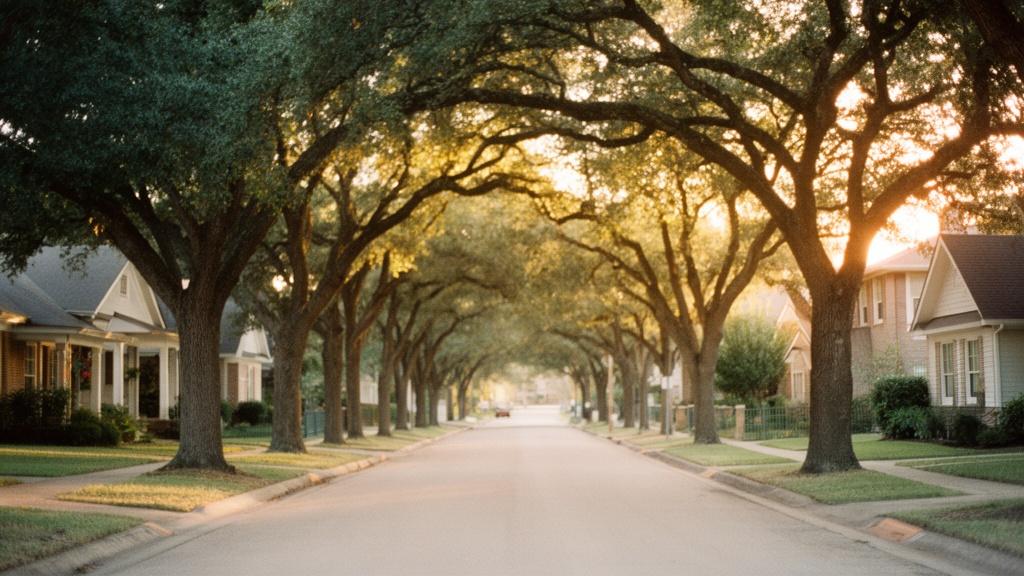
The earliest sections of Paloma del Sol, built roughly between 1989 and 1993, tend to have larger lots and more mature landscaping than later phases. Street trees in these sections have had 30-plus years to establish, giving the streetscape a canopy that newer construction areas in Temecula do not have. Homes in these sections also tend to have slightly less open floor plans by current standards, with more defined formal rooms and smaller kitchen islands, reflecting the design preferences of that era. Many owners have since remodeled kitchens and baths, so condition varies significantly from one home to the next.
Later Phases and Infill Pockets
Phases built in the mid-to-late 1990s introduced slightly more open floor plans and, in some cases, larger primary suites. These sections sometimes have smaller lot sizes than the earlier phases because the builder density increased as land costs in Temecula rose through the decade. Buyers comparing homes across different phases of Paloma del Sol will notice these differences in person and should factor them into their price-per-foot analysis rather than treating all Paloma del Sol listings as equivalent.
HOA Structure and Community Amenities
Paloma del Sol operates under a master HOA that governs the entire community, with some sub-tracts carrying an additional sub-association fee on top of the master fee. The master HOA covers maintenance of the common area parks, greenbelts, and community recreational facilities. Monthly HOA fees for single-family detached homes in the master-only sections typically run in the $60 to $100 range as of September 2026. Homes in sub-associations pay the master fee plus an additional amount, often bringing the combined monthly total to $130 to $200 depending on the sub-tract. Buyers should confirm the exact HOA structure for any specific listing before making an offer.
Community amenities managed through the HOA include several tot lots, sports courts, and the greenbelt pathway system connecting the internal parks. Paloma del Sol Park itself is a City of Temecula park, not an HOA amenity, which means it is publicly maintained and accessible to all Temecula residents, not just community members. That distinction matters for buyers who want to understand what their HOA fees are actually covering.
5. Timing the Paloma del Sol Market: When to Buy and When to Sell
Timing in the Paloma del Sol real estate market follows patterns similar to broader Temecula but with some nuances specific to this community's buyer profile. Understanding those patterns helps both buyers and sellers make more informed decisions about when to act.
Seasonal Patterns in Listing Volume
Listing volume in Paloma del Sol peaks in the spring, typically March through May, when sellers list ahead of the summer buying season. A secondary wave of listings often appears in late August and September as sellers who missed the spring window try to close before the holiday slowdown. Right now in September 2026, the market is in that secondary active period, which means buyers have more options than they did in July but competition is still present on well-priced, move-in-ready homes. The slowest listing period historically runs from mid-November through January, when inventory drops and the pool of active buyers shrinks.
Days on Market and Offer Dynamics
Well-priced, updated homes in Paloma del Sol are currently going under contract in approximately 14 to 28 days in September 2026. Homes that need significant work or are priced above what the comps support are sitting longer, sometimes 45 to 60 days, before sellers adjust. That gap between fast-moving and slow-moving inventory is wider right now than it was in 2024, reflecting a buyer pool that has become more selective as mortgage rates have kept monthly payments elevated. You can track detailed neighborhood-level data through the Paloma del Sol profile on NeighborhoodScout, which aggregates transaction data for the community specifically.
What Sellers Should Know Right Now
Sellers in Paloma del Sol who price accurately and present their home well are still achieving solid results in September 2026. The market is not the frenzied multiple-offer environment of 2021 and 2022, but correctly priced homes are not sitting either. The biggest pricing mistake sellers make in this community is anchoring to the peak prices of that earlier period rather than the current comparable sales. Homes that come to market overpriced by 5 to 8 percent are sitting long enough to develop a stigma that makes it harder to recover even after a price reduction.
Sellers who invest in pre-listing preparation tend to see better outcomes. Fresh interior paint, updated light fixtures, landscaping cleanup, and professional photography are the highest-return pre-listing investments in this price range. Buyers touring homes in the $620,000 to $750,000 range have strong expectations for presentation, and a home that shows well attracts more offers and a faster close than one that looks dated in listing photos.
What Buyers Should Know Right Now
Buyers in Paloma del Sol currently have more negotiating room than they did in 2021 through early 2023, but that room is not unlimited. On homes that have been sitting for 30 or more days, buyers are successfully negotiating seller concessions toward closing costs or rate buydowns, which can meaningfully reduce the effective monthly payment. On fresh listings that are priced correctly and show well, expect to compete and write a clean offer. For a broader look at how to structure your offer in the current Temecula market, the Temecula buyer's guide covers the full process from pre-approval through closing.
6. Commute and Connectivity from Paloma del Sol
Paloma del Sol's position in southwestern Temecula places it within a reasonable drive of several major employment destinations, though commute times vary significantly by direction and time of day. From Paloma del Sol, drivers reach the Interstate 15 on-ramps at Temecula Parkway in approximately 8 to 12 minutes under normal conditions. That access point feeds both north toward Murrieta, Lake Elsinore, and the Inland Empire, and south toward Fallbrook and ultimately San Diego County.
The drive from Paloma del Sol to the Murrieta Hot Springs Road employment corridor in Murrieta runs approximately 15 to 20 minutes without freeway congestion. Reaching the Promenade Temecula mall area and the Winchester Road commercial corridor takes about 15 minutes via Margarita Road or Meadows Parkway. For commuters heading to San Diego, the drive to downtown San Diego runs 60 to 80 minutes on a clear weekday morning, though northbound congestion on I-15 during the afternoon return can add 20 to 40 minutes on heavy traffic days. Buyers who commute south should factor that variability into their daily schedule planning.
Within the community's immediate surroundings, residents have walkable or short-drive access to the Redhawk Town Center at Margarita Road and Temecula Parkway, which includes a grocery store, pharmacy, restaurants, and service retailers. The Temecula Valley Hospital on Temecula Parkway is approximately 10 minutes from most Paloma del Sol addresses, and the Chaparral High School campus on Calle Chaparral is within the community's immediate vicinity. For information on school attendance boundaries and district structure, the Temecula Valley Unified School District website is the primary source to consult, as boundaries can change and should be verified directly with the district rather than assumed from a home's address.
FAQ
What is the typical price range for homes in Paloma del Sol in September 2026?
Single-family detached homes in Paloma del Sol are currently selling in approximately the $620,000 to $750,000 range as of September 2026, with price per square foot generally running between $280 and $340. Attached townhome-style products in the community trade at lower price points, typically $440,000 to $530,000. Homes with updated kitchens, bathrooms, and mechanical systems close at the higher end of the range, while original-condition homes from the early 1990s tend to close at a discount that reflects the cost of modernization. HOA fees add to the monthly cost of ownership and vary by sub-tract, so buyers should confirm the exact fee structure for any specific property.
How long do homes in Paloma del Sol typically stay on the market before selling?
In September 2026, well-priced and move-in-ready homes in Paloma del Sol are going under contract in roughly 14 to 28 days. Homes that need significant work or that are listed above what the current comparable sales support are sitting 45 to 60 days or more before sellers make price adjustments. The spread between fast-moving and slow-moving inventory is wider right now than it was in 2022 and 2023, reflecting a more selective buyer pool. Buyers who are patient and watching the market can find opportunities on homes that have been sitting, where sellers are more open to concessions on closing costs or rate buydowns.
Does Paloma del Sol have a homeowners association, and what does it cover?
Yes, Paloma del Sol operates under a master HOA that governs the entire community. The master HOA covers maintenance of common area parks, greenbelts, and community recreational facilities, with monthly fees for single-family detached homes in master-only sections typically running $60 to $100 as of September 2026. Some sub-tracts within the community also carry an additional sub-association fee, which can bring combined monthly HOA costs to $130 to $200 depending on the specific section. Attached townhome products pay higher combined fees because the association also covers exterior building maintenance. Buyers should request the full HOA disclosure package, including the CC&Rs, financials, and meeting minutes, before removing contingencies on any Paloma del Sol purchase.