← Back to Blog
Market Trends
Texarkana Real Estate Market Guide: Prices, Neighborhoods and Timing for 2026
By Jackie Davis
ReMax Preferred · DRE# 903-794-5250
September 2, 2026 · 12 min read
This Texarkana real estate market guide covers everything buyers, sellers, and relocating households need to know right now: what homes cost in September 2026, what the different parts of the city actually look like on the ground, and how timing affects your outcome whether you are buying or listing. Texarkana, TX sits on the Arkansas state line and draws buyers from both states, which gives this market a character you will not find anywhere else in East Texas.
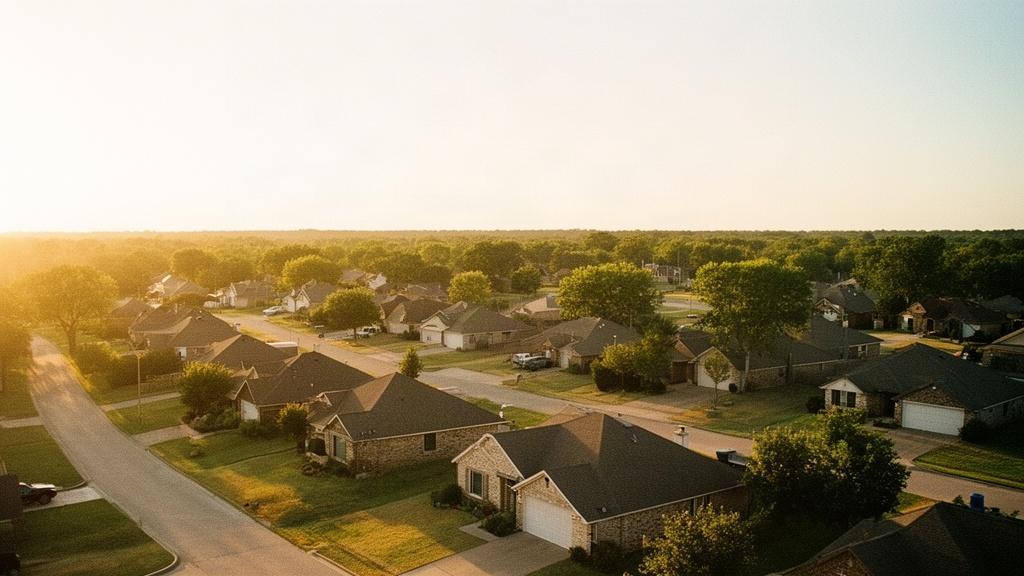
1. Where Texarkana Home Prices Stand Right Now
Texarkana, TX home prices in September 2026 are running in the low-to-mid $200,000s for a typical three-bedroom, two-bath house on the Texas side. That median sits meaningfully below the national median, which is one reason buyers relocating from Dallas, Houston, or out of state consistently find the value proposition here compelling. You can track current figures directly on Zillow's Texarkana, TX market page, which is updated regularly and gives you a quick read on where the median is moving month to month.
Median Price and Price Per Square Foot
Price per square foot on the Texas side of Texarkana is currently in the $90 to $130 range depending on the area and condition of the home. Entry-level homes, typically smaller bungalows and ranch-style houses built between the 1950s and 1980s, start in the $120,000 to $160,000 range. Move-up homes with updated kitchens, larger lots, and newer construction generally fall between $220,000 and $350,000. Luxury and acreage properties push past $400,000 and can reach well above $600,000 for larger parcels with custom builds outside the city core.
How Prices Have Moved in 2026
Appreciation in Texarkana has been measured rather than dramatic through 2026. The market did not experience the same runaway price growth that hit larger Texas metros, which means buyers here are not walking into a market that already priced them out. Year-over-year price growth has been in the low single digits, reflecting steady local demand rather than speculative pressure. That stability is one reason this market continues to attract first-time buyers who were priced out of Shreveport or the DFW suburbs.
What Different Price Bands Get You
At $150,000 to $175,000 you are typically looking at an older ranch home with original fixtures, a single-car garage, and a lot in the 7,000 to 9,000 square foot range. Spend $225,000 to $275,000 and you get into homes with updated bathrooms, granite or quartz countertops, and sometimes a covered back porch on a quarter-acre lot. At $300,000 and above, buyers find newer construction from the 2010s and 2020s, open-concept floor plans, and in some cases, acreage on the outskirts of the city near Nash or Wake Village.
2. Texarkana Neighborhoods: What the Housing Stock Actually Looks Like
Texarkana is a city of distinct pockets, and the housing stock changes noticeably from one part of town to another. Understanding what each corridor offers physically, in terms of lot size, home age, architecture, and proximity to amenities, is the first step in narrowing your search. This Texarkana real estate market guide breaks the city into four broad areas so you can orient yourself before scheduling showings.
Central and Older Established Areas
The central part of Texarkana, TX includes the areas closest to downtown and the historic State Line Avenue corridor. Housing here is largely Craftsman bungalows, two-story foursquares, and brick ranch homes built from the 1920s through the 1960s. Lots tend to be narrower and deeper than in newer subdivisions, and you will find mature pecan and oak trees throughout. Home prices in established central blocks range from the $120,000s on the low end for homes needing renovation, up to the mid-$200,000s for fully updated properties. Proximity to Texarkana College and to downtown offices makes this corridor practical for buyers who want a short commute.
The historic Robison Road and Summerhill Road areas are worth mentioning specifically. These streets have larger lots, more architectural variety, and homes that were built with more square footage than the core bungalow neighborhoods. Buyers interested in character homes with original hardwood floors and arched doorways tend to focus their search here. Renovation costs are a real factor to budget for, so a thorough inspection is non-negotiable in this price range.
North Texarkana and the Highway 82 Corridor
North Texarkana stretches toward the Arkansas state line and includes a mix of post-war ranch homes and newer infill construction. The Highway 82 corridor connects this part of the city to Walmart's regional distribution operations and to several manufacturing employers, so buyers who work in those industries often prioritize this area for its short drive times. You will find brick ranch homes from the 1970s and 1980s on lots of a quarter acre or more, priced generally between $140,000 and $220,000. Newer builds in subdivisions off Highway 82 push into the $250,000 to $320,000 range.
West Texarkana and the Richmond Road Area
West Texarkana along the Richmond Road and Moores Lane corridors is where you find much of the city's newer residential development from the 2000s onward. Subdivisions here feature brick-front homes with attached two-car garages, open-concept interiors, and HOA-maintained common areas in some communities. Lot sizes are typically 8,000 to 12,000 square feet, and the price range runs from the high $190,000s to the low $400,000s depending on square footage and finishes. This corridor has convenient access to the Texarkana Farmer's Market on Sundays and to the Richmond Road retail strip, which includes grocery, dining, and medical offices.
Buyers considering the Richmond Road area should also look at the adjacent communities of Nash and Wake Village, which are independent municipalities but sit within minutes of west Texarkana's amenities. Nash and Wake Village both have their own municipal services, and home prices there can be slightly lower than comparable properties inside the Texarkana city limits. Lot sizes in those communities tend to be larger, and you will find more homes with detached workshops or barns.
South Texarkana and the New Texas Boulevard Corridor
South Texarkana runs along New Texas Boulevard and extends toward the Loop 245 area. The housing stock here is a blend of 1990s and early 2000s construction, with some older sections closer to the city center. You will find a range of lot sizes, from compact city lots under 8,000 square feet to larger corner lots approaching half an acre. The Texarkana Regional Airport sits in the southern part of the city, which means buyers who travel frequently for work or who value quick access to air service often look here first. Christus St. Michael Health System, one of the largest employers in the region, is also located in this part of the city.
3. Commute Times, Employers, and Why Location Inside the City Matters
Where you live inside Texarkana has a real effect on your daily commute, and that affects resale value too. Texarkana is not a large city by Texas standards, but it sprawls enough that a home on the north side can add 20 to 25 minutes to a commute to the medical district in the south, and vice versa. Understanding the employer map before you commit to a neighborhood is practical advice, not a minor detail.
Major Employers and Where They Sit
Christus St. Michael Health System is located near the Loop 245 and Highway 59 interchange in south Texarkana, making south and west residential areas practical for healthcare workers. Red River Army Depot, one of the largest military installations in East Texas, is located in Texarkana but its main operations gate is roughly 15 miles west of downtown via US Highway 82. Buyers who work at the Depot often look at homes in the Nash, Wake Village, or west Texarkana areas to keep that commute under 20 minutes. Walmart's regional distribution center and supporting logistics operations are concentrated in the northern part of the metro. Texarkana College and Texas A&M Texarkana are both located closer to the city center, within a few miles of downtown.
Commute Distances Worth Knowing
Texarkana to Shreveport, Louisiana is approximately 75 miles via I-49, which takes about an hour and 15 minutes without traffic. Some buyers who work in Shreveport choose to live in Texarkana for the lower home prices and commute on a hybrid schedule. Texarkana to Tyler, TX is roughly 110 miles west on US 259, about an hour and 45 minutes. Dallas is approximately 180 miles southwest via US 67 or I-30, a drive of about two hours and 45 minutes under normal conditions. These distances matter for buyers who are relocating from those metros and want to understand what they are trading in terms of access.
4. Timing the Texarkana Market: When to Buy and When to List
Timing in the Texarkana real estate market follows a pattern that is fairly consistent year to year, though 2026 has had some shifts worth noting. Buyers and sellers who understand the seasonal rhythm can use it to their advantage, whether that means listing before the spring surge or making an offer during the quieter fall months when competition is lower.
Seasonal Patterns in Texarkana
Listing activity in Texarkana picks up in March and peaks through May and June, which mirrors the national pattern but is driven locally by the school calendar and the Red River Army Depot's PCS transfer season. Military transfers bring a reliable wave of buyers to the market each spring, which means sellers who list in late February or early March are positioned to catch that demand early. Summer listings can still move well, but by August the pool of active buyers starts to thin. September, which is where the market sits right now, tends to be a transitional month: motivated sellers are still active, and buyers who did not find a home in the spring often return with renewed urgency before the holidays.
For buyers, the fall window from September through November can offer more negotiating room than the competitive spring months. Sellers who have not moved their home by September are often more flexible on price or closing costs. That said, inventory also contracts in the fall, so the selection of available homes is narrower. Buyers who are not in a rush might find the spring a better time to shop for variety; buyers who want leverage on price often do better in the fall.
Inventory Levels and Days on Market
Texarkana has historically carried a relatively modest inventory compared to its population, which keeps the market from becoming heavily buyer-favored even during slower seasons. Days on market for well-priced homes in the $180,000 to $280,000 range have been running in the 30 to 55 day range through 2026. Homes priced above $350,000 tend to sit longer, often 60 to 90 days, because the buyer pool at that price point is smaller in this market. Overpriced homes at any level can linger for months, which is why accurate pricing from the start is so important. You can see current median days-on-market figures at Redfin's Texarkana housing market page, which tracks this metric in near real time.
Interest Rate Context in September 2026
Mortgage rates in September 2026 remain elevated compared to the historic lows of 2020 and 2021, which has kept some potential buyers on the sidelines nationally. In Texarkana, this has had a moderating effect on buyer competition, particularly in the mid-price range. The silver lining for buyers is that multiple-offer situations are less common than they were in 2021 and 2022, giving buyers more time to conduct due diligence. Sellers should price carefully because buyers are running affordability calculations more tightly than they were when rates were lower. A home priced $15,000 too high can translate to a $100 monthly payment difference that knocks a buyer out of qualification.
5. What Buyers and Sellers Should Know Before They Move
Whether you are buying your first home in Texarkana or preparing to list a property you have owned for years, there are several local details that do not show up in national real estate guides. This section covers the practical steps that make the difference between a smooth transaction and a frustrating one in this specific market.
Due Diligence Steps Specific to Texarkana
Older homes in central Texarkana frequently have original cast iron or galvanized plumbing, which can be costly to replace. A full inspection that includes a plumbing camera scope is worth the extra cost on any home built before 1980. Foundation issues are also worth scrutinizing in this part of East Texas, where expansive clay soils can cause pier-and-beam foundations to shift over time. Ask your inspector specifically about pier condition and any evidence of differential settlement. For homes near Bringle Lake or Spring Lake Park, flood zone status is worth verifying through FEMA's flood map service before you make an offer.
If you are buying on the Texas side of the state line, confirm which municipal utility district or city water system serves the property. Some properties in the outer areas of Texarkana are served by well and septic rather than city utilities, which affects both the inspection checklist and the long-term maintenance budget. Buyers relocating from urban areas sometimes overlook this detail until they are already under contract.
For a deeper look at what to watch for before making an offer, this buyer's guide for Texarkana homes covers the offer process and inspection strategy in detail.
Pricing Strategy for Sellers
The single biggest mistake Texarkana sellers make in 2026 is pricing based on what a neighbor sold for in 2022, when rates were lower and buyer demand was higher. A current comparative market analysis, based on homes that closed in the last 90 days within a half-mile radius, is the only reliable pricing tool in this environment. Homes that are priced correctly from day one spend fewer days on market and typically net more than homes that start high and reduce later, because price reductions signal to buyers that something may be wrong.
Presentation matters more than many Texarkana sellers expect. Professional photography, a clean exterior, and freshly painted interior walls in neutral tones can meaningfully reduce days on market in the $180,000 to $300,000 price band, where buyers are comparing several similar homes simultaneously. If you are weighing whether now is the right time to list, this article on timing a Texarkana home sale walks through the current market conditions sellers should weigh before deciding.
Sellers should also think carefully about who they hire. An agent with a verifiable track record of closed sales in Texarkana specifically, not just East Texas broadly, will have the comparable data and the buyer network to price and market your home accurately. You can learn what to look for when evaluating an agent's credentials in this guide on checking a Texarkana agent's sales history.
FAQ
What is the average home price in Texarkana, TX right now?
As of September 2026, the median home price in Texarkana, TX is in the low-to-mid $200,000s for a typical three-bedroom, two-bath home. Entry-level homes start in the $120,000 to $160,000 range, while updated move-up homes generally fall between $220,000 and $350,000. Luxury properties and those on acreage can exceed $400,000 to $600,000 or more. Price per square foot currently runs between roughly $90 and $130 depending on location and condition. For the most current figures, Zillow and Redfin both maintain updated median price trackers for the Texarkana, TX market.
Is Texarkana, TX a buyer's market or a seller's market in 2026?
The Texarkana, TX market in September 2026 is closer to balanced than to either extreme, though conditions vary by price band. In the $150,000 to $280,000 range, well-priced homes still move in 30 to 55 days and sellers retain reasonable leverage. Above $350,000, inventory sits longer and buyers have more room to negotiate. Elevated mortgage rates nationally have moderated buyer competition compared to 2021 and 2022, which gives buyers more time for due diligence and reduces the frequency of multiple-offer situations. Sellers who price accurately and present their homes well are still achieving solid results.
What should I know about the Texarkana, TX market if I am relocating from another state?
Texarkana, TX sits directly on the Arkansas state line, and the metro area straddles both states, so you will want to be clear about which side of the line you are buying on since property taxes, school district boundaries, and municipal services differ. Texas has no state income tax, which is a financial consideration for buyers coming from states that do. Red River Army Depot is a major employer that drives relocation demand each spring, so if you are PCSing to the Depot, starting your home search in January or February gives you the best selection. Buyers from larger metros like Dallas or Houston often find that their purchasing power stretches significantly further in Texarkana, where the cost of living is considerably lower.