
← Back to Blog
Market Trends
Tallahassee Has the Best Client Reviews Online Real Estate Market Guide: Prices, Neighborhoods and Timing
By Jacqueline Betancourt
Hill Spooner & Elliott, Real Estate, Inc.
September 28, 2026 · 11 min read
If you are researching the Tallahassee real estate market, this guide covers what you actually need to know: current prices, how different parts of the city compare on housing stock and commute, and when the timing works in your favor. Tallahassee has the best client reviews online when buyers and sellers go in prepared, and this page is built to get you there. Whether you are relocating, buying your first home, or deciding when to list, read on for the full picture as of September 2026.
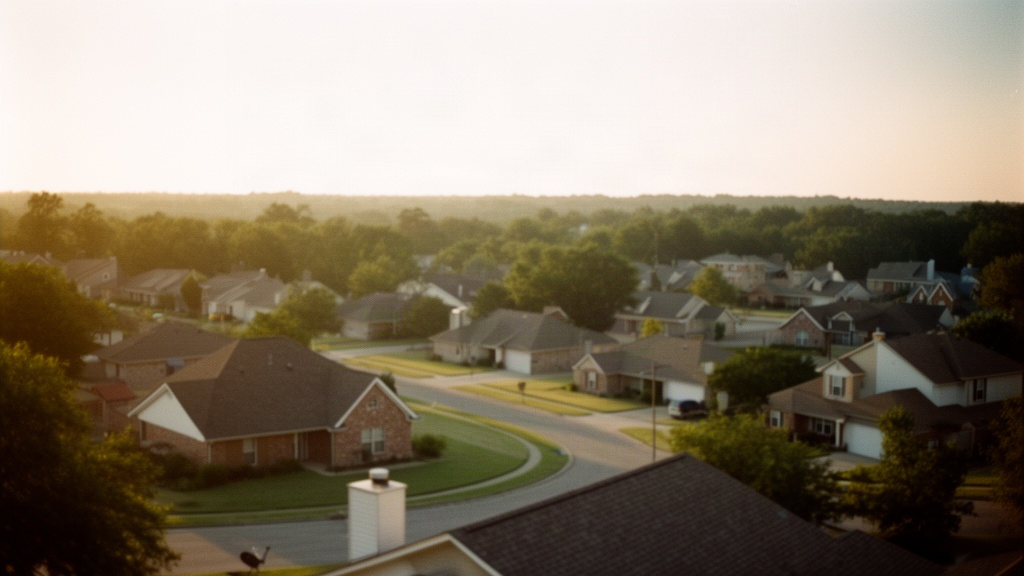
1. What the Tallahassee Market Looks Like Right Now
The Tallahassee housing market in September 2026 is operating in a measured, transitional mode. Inventory has loosened compared to the tight conditions of 2022 and 2023, giving buyers more options than they had two or three years ago, while sellers are still finding reasonable demand from a steady pool of relocating state workers, university-connected households, and local move-up buyers.
Median Prices and Inventory Levels
The median sale price for a single-family home in Tallahassee sits at approximately $295,000 to $315,000 as of September 2026, depending on the specific submarket. Entry-level homes in the $200,000 to $240,000 range still exist in northwest and southwest Tallahassee, while northeast Tallahassee and planned communities like SouthWood push median prices into the $350,000 to $450,000 range for newer construction. Luxury homes along Ox Bottom Road, in Killearn Estates, and in gated communities north of I-10 regularly trade above $600,000.
Active listings in Leon County have climbed to roughly 1,400 to 1,600 homes at any given point this fall, compared to fewer than 900 during the low-inventory stretch of late 2021. Days on market for the broader metro averages around 45 to 60 days right now, which is longer than the frenzied pace of 2021 but still shorter than the pre-pandemic norm of 75 to 90 days. Homes priced correctly and in good condition continue to move in two to four weeks.
How Tallahassee Compares to the Broader Florida Market
Tallahassee has held its value better than some coastal Florida markets that saw sharper price corrections in 2024 and 2025. The city's economy is anchored by state government employment and two major universities, Florida State University and Florida A&M University, which insulates the local market from the investor-driven volatility that hit markets like Tampa and Jacksonville harder. According to Florida Realtors, Florida's real estate market broadly is evolving, with the data pointing to a bifurcated story between inland capitals and coastal resort markets. Tallahassee sits firmly in the steadier inland category.
Price appreciation in Tallahassee has averaged in the low to mid single digits annually since 2024, rather than the double-digit swings seen in Miami or Orlando during the pandemic peak. That steadiness is one reason buyers relocating from higher-cost Florida metros often find Tallahassee's price-to-square-footage ratio appealing. A 2,000-square-foot home with a yard that would cost $600,000 in South Florida frequently trades for $320,000 to $380,000 in northeast Tallahassee.
2. Neighborhoods: Housing Stock, Price Ranges and What to Expect
Tallahassee's neighborhoods vary considerably in age, architecture, lot size, and price point. Understanding the physical character of each corridor helps buyers and sellers set realistic expectations before touring homes or setting a list price. If you want to go deeper on any one area, the internal guides linked throughout this article cover each submarket in detail.
Northeast Tallahassee
Northeast Tallahassee is the largest and most varied residential corridor in the city. The area stretches from the Killearn Estates and Killearn Lakes communities near Bannerman Road all the way south toward the Capital Circle corridor. Homes here range from 1970s and 1980s brick ranches on half-acre lots in Killearn Estates to newer two-story construction in subdivisions built in the 2010s near Buck Lake Road. Lot sizes tend to run larger than in midtown, and the canopy of mature oaks along roads like Ox Bottom Road and Thomasville Road gives the area a distinct visual character.
Price ranges in northeast Tallahassee currently run from about $280,000 for a smaller updated ranch to over $700,000 for a newer custom home on a wooded lot near the Miccosukee Road area. The commute from Killearn Estates to the Capitol Complex downtown is roughly 20 to 25 minutes by car depending on traffic on Thomasville Road. For a deeper look at listing strategy in this corridor, see the guide on selling a home in northeast Tallahassee.
Northwest and Southwest Tallahassee
Northwest Tallahassee contains some of the city's oldest residential neighborhoods as well as more affordable newer construction west of Capital Circle. The Waverly Hills and Betton Hills areas sit just north of midtown and feature 1940s to 1960s cottages and bungalows on smaller lots, often in the $250,000 to $380,000 range. Further west along Pensacola Street and into areas like Tallahassee's west side, buyers find ranch homes from the 1970s and 1980s with price points starting in the low $200,000s. The proximity to Florida A&M University and Florida State University makes this corridor popular with buyers who want a shorter campus commute.
Southwest Tallahassee, including areas near Crawfordville Highway and the Wakulla County line, has seen growing new construction activity. Subdivisions in this corridor often offer three and four-bedroom homes in the $260,000 to $340,000 range with modern floor plans. The trade-off is a longer commute to downtown, typically 25 to 35 minutes. The full northwest and southwest market breakdown is covered in the Tallahassee real estate market guide for northwest and southwest areas.
Midtown and the Urban Core
Midtown Tallahassee occupies the stretch between downtown and the university district, roughly bounded by Tennessee Street to the north and Gaines Street to the south. The housing stock here is predominantly older, with Craftsman bungalows, mid-century ranches, and converted duplexes. Lot sizes are small, often 5,000 to 7,000 square feet, and walkability to restaurants along Gaines Street, the Railroad Square Art District, and Cascades Park is a defining feature of the area. Median prices in midtown run from $280,000 to $420,000, with fully renovated bungalows on the higher end.
Downtown condos and townhomes add another layer to the urban core inventory, with units in the $200,000 to $350,000 range depending on size and building. The midtown market has its own distinct dynamics, which are covered in detail in the Midtown Tallahassee real estate market guide.
SouthWood and Planned Communities
SouthWood is Tallahassee's largest master-planned community, located in the southeast quadrant of the city near the Florida Department of Transportation headquarters. The development includes a mix of single-family homes, townhomes, and apartments built around a town center, walking trails, a golf course, and community pools. Homes in SouthWood range from about $300,000 for a smaller townhome to $550,000 or more for a larger single-family home on a premium lot. The commute to the Capitol Complex runs about 15 to 20 minutes via Capital Circle Southeast. For the full SouthWood breakdown, the SouthWood real estate market guide covers pricing, inventory, and what to expect when buying or selling there.
3. Timing: When to Buy and When to Sell in Tallahassee
Timing your move in Tallahassee matters more than most people realize, and the local seasonal rhythm differs from coastal Florida markets. The legislature-driven calendar, the university academic year, and Florida's climate all shape when buyers are most active and when sellers get the most competitive offers.
The Seasonal Rhythm of the Local Market
Spring is the strongest season for sellers in Tallahassee, typically from late February through May. The Florida Legislature convenes in March, which brings an influx of staff and lobbyists who often look for housing. University families making decisions about the following academic year are also active in this window. Homes listed in March and April historically see more showings, more offers, and shorter days on market than homes listed in July or August.
Summer slows noticeably in Tallahassee, particularly July and August, when the heat and humidity reduce foot traffic and many university-connected households are traveling. Fall, from September through November, brings a secondary uptick in activity as the legislative session approaches and new FSU and FAMU faculty and staff arrive. Florida Realtors noted in a 2026 report that timing matters more for Florida sellers than it did five years ago, a finding that aligns with what agents are observing on the ground in Tallahassee right now.
What September 2026 Conditions Mean for You
September 2026 is a reasonable window for buyers who have been waiting on the sidelines. Inventory is near its seasonal peak for the year, competition from other buyers is lower than it was in spring, and sellers who did not sell in the spring cycle are often more willing to negotiate on price or closing costs. Mortgage rates remain a factor for everyone, but buyers with strong pre-approvals are finding that well-priced homes in northeast Tallahassee and SouthWood are still moving within 30 days.
Sellers listing in September and October 2026 should price precisely. Overpriced homes are sitting longer than they did in 2021 and 2022, and price reductions after 30 or more days on market tend to signal weakness to buyers. A well-prepared listing at market value, with professional photos and a clear description of the home's features, is outperforming aspirationally priced listings by a wide margin this fall.
4. What Drives Prices in Tallahassee
Tallahassee's price drivers are different from most Florida cities, and understanding them helps buyers and sellers make better decisions. The market is not primarily shaped by retiree migration or tourism. It is shaped by government employment, higher education, and the legal and lobbying industries that cluster around the Capitol.
State Government and University Employment
Florida state government is the single largest employer in Leon County, with tens of thousands of positions spread across agencies headquartered in Tallahassee. Florida State University employs roughly 14,000 faculty and staff, and Florida A&M University adds several thousand more. This employment base creates consistent housing demand that does not evaporate when tourist seasons shift or when a major employer relocates. It also means that neighborhoods within a reasonable commute of the Capitol Complex and the university campuses tend to hold their value through broader market cycles.
The university connection also drives demand for smaller homes and condos near campus, which can make midtown and the areas around FSU's campus more competitive on a per-square-foot basis than their distance from downtown would suggest. Buyers considering investment properties in Tallahassee should factor in this university-driven demand carefully. The investment property guide for Tallahassee covers rental demand, cap rates, and what to look for in an income property in this market.
Infrastructure, Growth Corridors and New Development
Tallahassee's growth is pushing outward along several corridors, particularly northeast along Bannerman Road and Fleischmann Road, and southeast toward the Woodville Highway area. New residential subdivisions in these corridors are delivering homes in the $300,000 to $430,000 range with modern open floor plans, energy-efficient construction, and community amenities like walking trails and pocket parks. The city's investment in road widening along Capital Circle and the extension of utility infrastructure into these growth areas has accelerated development timelines.
Proximity to Cascades Park, Tom Brown Park, and the St. Marks Trail also influences pricing in adjacent neighborhoods. Homes within walking distance of Cascades Park in the downtown and midtown area command a premium over comparable homes further from the park. The St. Marks Trail, which runs 16 miles from downtown Tallahassee to the Gulf Coast town of St. Marks, has made the properties along its northern trailhead in the Apalachee Parkway corridor more attractive to buyers who prioritize outdoor access.
5. How to Use This Market Knowledge to Make a Stronger Move
Knowing the data is only useful if you translate it into a concrete strategy for your specific situation. The Tallahassee market in September 2026 rewards buyers who move with preparation and sellers who price with discipline.
For Buyers: Getting Competitive Without Overpaying
Get pre-approved before you tour homes, not after you find one you love. In Tallahassee's current market, sellers in northeast Tallahassee and SouthWood are still seeing multiple offers on well-priced homes, and a buyer without a pre-approval letter is at a significant disadvantage. Know your ceiling and stick to it; homes that require a stretch to afford become much harder to carry if rates move or your situation changes.
Study the days-on-market data for the specific neighborhood you are targeting. A home that has been sitting for 60 days in a corridor where the average is 30 days is telling you something about its price or condition. That information gives you negotiating room. Conversely, a home listed in the past week in a fast-moving pocket of northeast Tallahassee may warrant a full-price offer with a clean contract to be competitive. If you are relocating from outside Florida, the guide on relocating to Tallahassee from out of state walks through the full process, costs, and timeline.
For Sellers: Positioning Your Home to Move Quickly
The first two weeks on market are the most important, and the list price you set on day one shapes everything that follows. In September 2026, the homes selling fastest in Tallahassee are those priced within two to three percent of their last comparable sale in the neighborhood. Homes priced five to ten percent above comps are sitting, accumulating days on market, and eventually selling for less than they would have at a sharper initial price.
Presentation matters as much as price in the current market. Professional photography, a clean and decluttered interior, and any deferred maintenance addressed before listing will differentiate your home from competing listings. Buyers in Tallahassee right now have enough inventory to be selective, and a home that photographs poorly or needs obvious repairs will be passed over in favor of one that is move-in ready. For a complete walkthrough of what to expect when selling in Tallahassee, the guide on selling a home in Tallahassee, Florida covers every step from pricing to closing.
FAQ
What is the median home price in Tallahassee right now?
As of September 2026, the median sale price for a single-family home in Tallahassee is approximately $295,000 to $315,000 across the broader Leon County market. That range shifts significantly by neighborhood: northwest and southwest Tallahassee have entry-level homes starting in the low $200,000s, while northeast Tallahassee and SouthWood see medians closer to $350,000 to $450,000 for newer construction. Luxury homes in gated communities and along Ox Bottom Road regularly exceed $600,000. Knowing which submarket you are targeting is essential before drawing conclusions from any single median figure.
Is it a good time to buy a home in Tallahassee in fall 2026?
Fall 2026 offers conditions that favor prepared buyers. Inventory in Leon County is near its seasonal peak, competition from other buyers is lower than in the spring selling season, and sellers who did not move their homes in spring are often more open to negotiating on price or contributing to closing costs. Mortgage rates remain a variable that every buyer should factor into their budget, but the combination of more choices and less competition makes September and October a practical window for buyers who are ready to act. Getting pre-approved before you start touring homes is the single most important step to take right now.
Which Tallahassee neighborhoods have the most homes for sale right now?
Northeast Tallahassee consistently carries the largest share of active listings in Leon County, with inventory spread across communities like Killearn Estates, Killearn Lakes, and the Bannerman Road corridor. SouthWood in the southeast also maintains steady inventory thanks to ongoing new construction phases. Midtown and the areas near FSU's campus tend to have fewer listings at any given time because the housing stock is older and turnover is lower. Northwest and southwest Tallahassee offer the most affordable price points and have seen new subdivision activity that adds inventory periodically. The right neighborhood depends on your budget, commute needs, and the type of home you are looking for, and a conversation with a knowledgeable local agent will narrow that down quickly.