← Back to Blog
Neighborhoods
What Is It Actually Like to Live in the Highlands Neighborhood in Louisville and What Kind of Homes Are There
By Jalyn Nutgrass
Re/Max Premier Properties | The Lewis Real Estate Group · DRE# 301453
September 3, 2026 · 10 min read
If you are asking what it is like to live in the Highlands neighborhood in Louisville and what kind of homes are there, the short answer is: it is one of the most architecturally varied, walkable, and commercially active urban neighborhoods in the entire city. This guide breaks down the housing stock, price ranges, streets, commute distances, local businesses, and everything else you need to know before making a move.
1. Where the Highlands Actually Is and How It Is Laid Out
The Highlands sits on the eastern side of Louisville's urban core, stretching roughly from the edge of Cherokee Park on the east to the Bardstown Road corridor that runs northeast toward downtown. It is not a single platted subdivision but a collection of residential streets and commercial blocks that locals and the city have long grouped under one name.
The Geographic Footprint
The neighborhood runs along Bardstown Road from roughly Eastern Parkway in the south to the Baxter Avenue intersection in the north, a stretch of about two miles. Residential streets branch east and west off that spine, running through blocks of older housing toward Cherokee Road and Grinstead Drive on the north and Longest Avenue and Trevilian Way on the south. The zip codes 40204 and 40205 cover most of what people call the Highlands.
How the Sub-Areas Differ
Within the broader Highlands, locals often distinguish between the Upper Highlands and the Lower Highlands. The Upper Highlands, closer to Cherokee Park and the 40205 zip code, tends to have larger lots, more substantial homes, and quieter residential blocks. The Lower Highlands, nearer to Baxter Avenue and the 40204 zip, is denser, with more mixed-use buildings, smaller lots, and a higher concentration of converted multi-units.
Bonnycastle, Belknap, and Cherokee Triangle are three named sub-neighborhoods that sit within or immediately adjacent to the Highlands and each carries its own street character. Cherokee Triangle, for example, is known for its Victorian-era architecture and tree-lined streets that border Cherokee Park directly. Bonnycastle has a mix of bungalows and two-stories on narrower lots closer to the commercial strip.
2. What Kind of Homes Are in the Highlands
The Highlands housing stock is almost entirely pre-1960, with the majority of homes built between 1900 and 1950. That means buyers will find genuine architectural variety: Victorian-era foursquares, Craftsman bungalows, Colonial Revivals, Tudor Revivals, and early mid-century ranch homes, often on the same block.
Architectural Styles and Eras
Craftsman bungalows are the most common single-family type throughout the Highlands. These typically run 1,100 to 1,800 square feet, feature front porches, exposed rafter tails, and built-in shelving inside. Many were built in the 1920s and 1930s and retain original hardwood floors, plaster walls, and decorative woodwork.
Victorian and foursquare homes appear more frequently in Cherokee Triangle and along the streets closest to Cherokee Park. These are generally two and a half to three stories, with 2,000 to 3,500 square feet, wraparound porches, decorative gable trim, and original transoms over doorways. Many have been updated inside while preserving exterior character.
Multi-unit properties, including duplexes and converted single-families, are scattered throughout the Lower Highlands. Some buyers purchase these as owner-occupied investment properties, living in one unit and renting the other. Condos and small apartment buildings also appear near the Baxter Avenue end of the corridor.
Lot Sizes and Property Characteristics
Lots in the Highlands are urban in scale. Most single-family lots run between 4,000 and 7,000 square feet, with narrow frontages and moderate depth. Side yards are often minimal, and driveways frequently run along one side of the house to a detached garage in the rear. Backyard spaces vary considerably: some are compact and fenced, others open onto shared alleys.
Larger lots do exist, particularly on streets like Alta Vista Road and Longest Avenue in the Upper Highlands, where properties occasionally reach 10,000 square feet or more. Basement configurations are common: many Highlands homes have full unfinished basements, and a portion have been finished into bonus rooms, home offices, or additional bedrooms.
Current Price Ranges in September 2026
As of September 2026, the Highlands carries some of the higher price points among Louisville's established urban neighborhoods. Entry-level Craftsman bungalows in need of updating are trading in the low-to-mid $300,000s. Move-in-ready bungalows with updated kitchens and baths typically list and sell in the $380,000 to $480,000 range. Larger Victorian and foursquare homes in Cherokee Triangle are commonly priced from $500,000 to $750,000, with fully restored examples occasionally exceeding $800,000.
Condos and smaller attached units near the Baxter Avenue end start closer to $200,000 and can reach $350,000 depending on finishes and square footage. For a broader look at how these figures fit into Louisville's overall market, the Louisville, Kentucky Real Estate Market Guide on this site covers city-wide price trends in detail.
You can browse current Highlands listings and recent sale data at All Homes in Louisville's Highlands page to get a real-time sense of what is on the market and what has recently closed.
3. What Daily Life Looks Like in the Highlands
Living in the Highlands neighborhood in Louisville means most everyday errands are walkable or bikeable for a large share of residents. The density of retail, restaurants, and services along Bardstown Road means that many households go days without needing a car for anything other than commuting.
Walkability and Getting Around
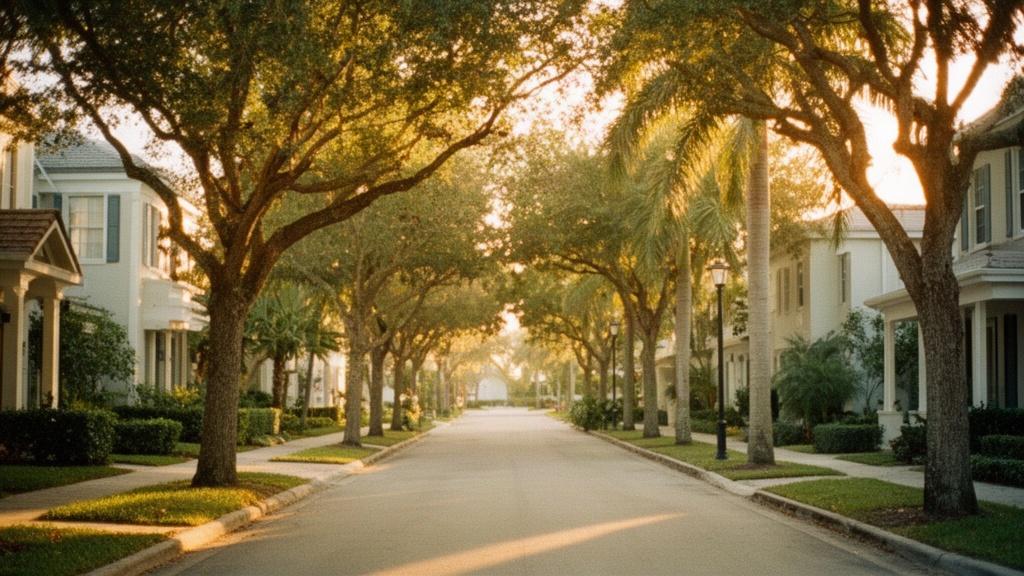
Walk Score ratings for most Highlands addresses fall in the 80s and 90s, which is unusually high for Louisville. Streets are generally sidewalked, tree-canopied, and flat enough for comfortable walking. The Louisville Loop, a multi-use trail system, passes through Cherokee Park and connects to other parts of the city by bike.
TARC bus service runs along Bardstown Road and Baxter Avenue, providing transit access to downtown and other corridors without a car. For residents who do drive, street parking is available on most residential blocks, though it can be competitive on weekend evenings near the busier restaurant clusters.
Bardstown Road and the Commercial Corridor
Bardstown Road is the commercial spine of the Highlands and one of Louisville's most active independent business corridors. Within a ten-minute walk of most Highlands addresses, residents have access to independent coffee shops, bookstores, vintage clothing shops, hardware stores, pharmacies, and a dense cluster of locally owned restaurants. The street hosts the annual Bardstown Road Aglow holiday event and the St. James Court Art Show draws visitors from across the region each October to the nearby Old Louisville border.
Grocery options within or immediately adjacent to the Highlands include a Kroger on Bardstown Road near Eastern Parkway and a Whole Foods on Shelbyville Road a short drive away. The Let's Go Louisville neighborhood guide covers many of the specific restaurants and venues along the corridor if you want a street-level sense of what is open and operating right now.
For a detailed look at what to eat, drink, and do in the Highlands, the Let's Go Louisville Highlands guide covers the corridor block by block with current business listings.
Parks and Green Space
Cherokee Park is the defining green space of the Highlands. Designed by Frederick Law Olmsted, the same landscape architect behind Central Park in New York, Cherokee covers 409 acres and includes a 2.4-mile scenic loop road, multiple trail systems, a dog park, tennis courts, picnic shelters, and a pond. The park's Beargrass Creek runs through it, and the terrain rolls with enough topography to make trail runs genuinely varied.
Seneca Park, just east of Cherokee, adds another 600-plus acres of green space with golf, soccer fields, and additional trail connections. Together, these two parks give Highlands residents access to more contiguous green space than almost any other Louisville neighborhood that is also this close to the urban core.
4. Commute Times and Getting Out of the Neighborhood
The Highlands sits roughly two to four miles from downtown Louisville, making it one of the closer residential neighborhoods to the central business district. Commute times depend heavily on the time of day and your specific destination, but the neighborhood's location gives residents options that more suburban addresses do not.
Driving to Downtown Louisville
From most Highlands addresses, driving to the downtown core via Baxter Avenue or Eastern Parkway takes eight to fifteen minutes in normal traffic. During morning rush hour, Bardstown Road and Baxter Avenue can back up, adding five to ten minutes. The Broadway and Breckinridge Street corridors offer alternative routes that bypass the worst of the Bardstown Road congestion.
The University of Louisville's Belknap Campus is approximately two miles from the heart of the Highlands, reachable in under ten minutes by car or by a longer bike route through the neighborhood streets. Norton Healthcare's main campus and Baptist Health Louisville are each within a ten-minute drive as well.
Getting to Other Parts of the Metro
Reaching the eastern suburbs, including St. Matthews and Middletown, takes fifteen to twenty-five minutes via Grinstead Drive to I-64 or via Shelbyville Road. Jeffersontown, another active Louisville neighborhood and employment hub, is about twenty to thirty minutes southeast via I-264. If you are also considering Jeffersontown, the Jeffersontown home buying guide on this site walks through that area's housing market in detail.
Louisville Muhammad Ali International Airport is approximately fifteen to twenty minutes from the Highlands via I-264 or I-65, depending on traffic. The neighborhood's location between the urban core and the eastern corridors makes it relatively central for residents who travel frequently or commute to multiple locations.
5. What Buyers and Sellers Should Know About the Highlands Market Right Now
The Highlands real estate market in September 2026 is competitive for well-priced, move-in-ready homes and slower for properties that need significant work or are priced above comparable sales. Understanding what drives that dynamic helps both buyers and sellers set realistic expectations.
Inventory and Competition
Active inventory in the Highlands has remained relatively tight through 2026 compared to the broader Louisville metro. The neighborhood's fixed geographic boundaries mean no new construction is entering the market; every available home is an existing structure, and the supply of desirable ones is genuinely limited. That constraint keeps prices from softening significantly even when broader market conditions shift.
Buyers shopping in the Highlands should expect to move quickly on homes that are priced correctly and presented well. Multiple-offer situations are still occurring on updated bungalows and well-located Victorians as of this month, though the frenzy of 2021 and 2022 has moderated and buyers generally have more time to conduct inspections and negotiate terms than they did in those peak years.
What Moves Quickly and What Sits
Updated Craftsman bungalows priced between $380,000 and $460,000 are the segment that moves fastest in the current Highlands market. These hit a price point accessible to a wide range of buyers and typically need little work, which matters when buyers are already stretching on price. Homes that need full kitchen or bathroom renovations tend to sit longer unless priced to reflect the cost of that work.
Larger Victorians above $600,000 have a narrower buyer pool and often take thirty to sixty days to find the right buyer even when the condition is excellent. Sellers in that segment benefit from patience and from working with an agent who understands how to market a distinctive, higher-priced urban property rather than treating it like a standard suburban listing.
How the Highlands Compares to the Broader Louisville Market
The Highlands consistently trades at a premium over Louisville's city-wide median, which sits in the low-to-mid $200,000s as of September 2026. Buyers pay that premium for walkability, architectural character, lot proximity to Cherokee Park, and access to Bardstown Road's commercial amenities. Those are factors that do not exist in most of Louisville's newer suburban corridors, and they tend to hold value through different market cycles.
If you are weighing the Highlands against other Louisville neighborhoods or trying to decide whether now is the right time to buy, the Louisville KY Housing Market Trends guide on this site provides current data on inventory, pricing trends, and buyer conditions across the metro.
For sellers, pricing a Highlands home correctly is more nuanced than running a simple price-per-square-foot comparison. The condition of original features, the quality of any renovations, the specific block, and the proximity to Cherokee Park all affect where a home lands relative to its neighbors. The Louisville home selling guide on this site walks through the pricing and timeline process in full.
FAQ
Is the Highlands neighborhood in Louisville a walkable place to live?
The Highlands is one of Louisville's most walkable urban neighborhoods. Most addresses in the 40204 and 40205 zip codes score in the 80s and 90s on Walk Score, meaning daily errands, dining, and coffee are accessible on foot for most residents. Bardstown Road runs through the neighborhood with a dense mix of independent shops, restaurants, pharmacies, and grocery options within a short walk of most residential streets. TARC bus service along Bardstown Road and Baxter Avenue also provides transit access to downtown and other parts of the city. Residents who commute by car still benefit from the neighborhood's proximity to I-64 and I-264 for reaching other parts of the metro.
What are the most common home styles in the Highlands neighborhood in Louisville?
Craftsman bungalows built between the 1910s and 1940s are the most common home type throughout the Highlands, typically ranging from 1,100 to 1,800 square feet with front porches, hardwood floors, and built-in cabinetry. Victorian and foursquare homes appear more frequently in the Cherokee Triangle sub-area, where properties can reach 2,000 to 3,500 square feet with decorative exterior details and multi-story layouts. Tudor Revival and Colonial Revival homes also appear throughout the neighborhood, particularly on the larger lots closer to Cherokee Park. Duplexes and converted multi-unit properties are present in the Lower Highlands near Baxter Avenue. New construction is essentially nonexistent: the neighborhood is fully built out, and all available homes are existing structures.
How much do homes in the Highlands neighborhood in Louisville cost in 2026?
As of September 2026, entry-level Craftsman bungalows needing updates are selling in the low-to-mid $300,000s, while move-in-ready bungalows with updated kitchens and bathrooms typically sell between $380,000 and $480,000. Larger Victorian and foursquare homes in Cherokee Triangle commonly list from $500,000 to $750,000, with fully restored examples occasionally exceeding $800,000. Condos and smaller attached units near the Baxter Avenue end of the corridor start around $200,000 and can reach $350,000 depending on finishes and square footage. These figures represent a meaningful premium over Louisville's city-wide median, which sits in the low-to-mid $200,000s as of this month. The premium reflects walkability, architectural character, and proximity to Cherokee Park, all of which are specific to this location and not easily replicated in newer parts of the metro.