
← Back to Blog
Local Living
Relocating to Louisville, Kentucky: Neighborhoods, Costs and Timelines
By Jalyn Nutgrass
Re/Max Premier Properties | The Lewis Real Estate Group · DRE# 301453
September 4, 2026 · 12 min read
Relocating to Louisville, Kentucky involves more decisions than just picking a ZIP code. This guide covers the neighborhoods worth understanding, what housing actually costs right now in September 2026, what the full moving budget looks like, and how long the whole process realistically takes from first search to move-in day.
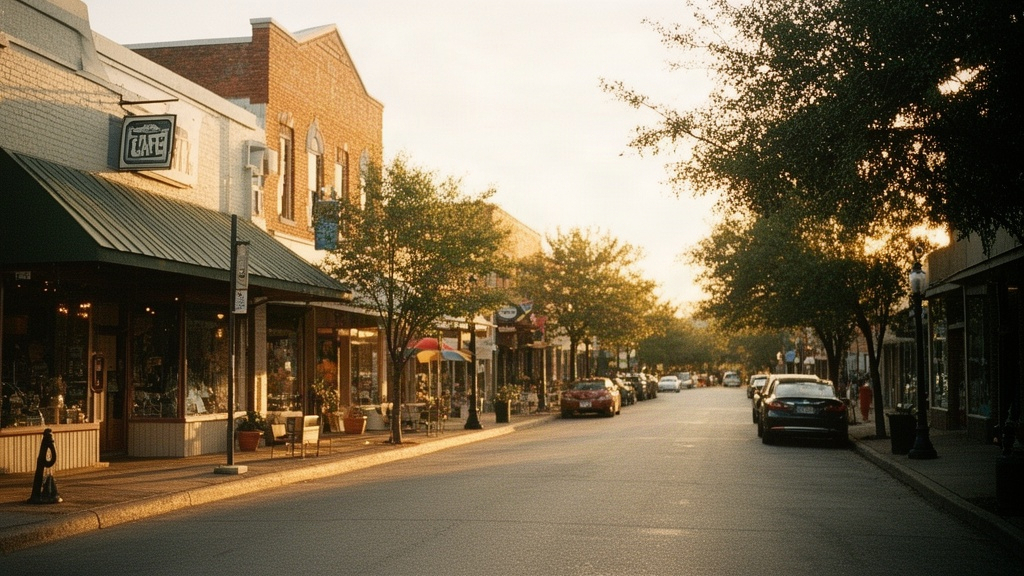
1. What Louisville Looks Like on the Ground
Louisville is a mid-sized city with a genuinely varied housing market. The metro population sits around 1.4 million people across Jefferson County and the surrounding counties, which means you get a real city with professional sports, a major airport, a medical corridor, and a bourbon tourism industry, without the traffic gridlock or housing prices of a coastal metro.
The City's Layout and Scale
Louisville sits on the south bank of the Ohio River, with Indiana directly across. The city spreads east, south, and southeast from downtown, with Interstate 264 (the Watterson Expressway) forming an inner ring and Interstate 265 (the Gene Snyder Freeway) forming an outer ring about 15 to 20 miles from the urban core. Most people living inside the Watterson can reach downtown in 15 to 25 minutes during normal traffic. Living near the Gene Snyder adds 10 to 20 minutes to that commute depending on direction.
The airport, Louisville Muhammad Ali International, sits on the south side of the city, roughly 10 minutes from downtown. The University of Louisville campus anchors the south-central part of the city. Norton Healthcare, Baptist Health, and UofL Health operate major hospital campuses spread across the metro, which matters if you are relocating for a healthcare career.
How Louisville Compares on Cost of Living
Louisville consistently runs below the national average on overall cost of living. Housing is the largest driver of that gap. Groceries, utilities, and transportation costs are also slightly below national averages, which makes the city's housing prices feel even more accessible when you are building a full household budget. You can use the Forbes Advisor cost of living calculator for Louisville to compare your current city's expenses against what you would likely spend here.
2. Neighborhoods Worth Knowing Before You Decide
Louisville's neighborhoods vary significantly in housing stock, price range, lot size, and commute distance. No single area fits every buyer's needs, so understanding what each part of the city actually contains is the starting point for any relocation decision.
The Highlands and Germantown
The Highlands stretches along Bardstown Road from downtown south toward the Watterson Expressway. The housing stock is primarily early-to-mid 20th century construction: bungalows, Craftsman cottages, two-story foursquares, and Tudor revivals on lots that typically run 40 to 60 feet wide. Homes here rarely have large yards, but the walkability to restaurants, coffee shops, and Cherokee Park is a defining physical feature of the area.
Median home prices in the Highlands currently run between $280,000 and $420,000 depending on condition and exact block, with some renovated properties pushing past $500,000. Germantown, just west of the Highlands near Goss Avenue, has smaller homes at lower price points, with many properties in the $200,000 to $320,000 range. Both areas are inside the Watterson, putting most employers within a 15-minute drive.
For a deeper look at what buying in this area involves, see the full guide to buying a home in the Highlands on this site.
St. Matthews and Crescent Hill
St. Matthews sits just east of the Watterson along Shelbyville Road and Lexington Road. It functions as a self-contained commercial hub with its own retail corridor, restaurants, and Beargrass Creek greenway access. The housing stock mixes post-war ranch homes, split-levels, and brick colonials, most built between the 1940s and 1970s, on lots that are notably larger than what you find in the Highlands.
Median prices in St. Matthews currently sit in the $290,000 to $380,000 range. Crescent Hill, just west of St. Matthews along Frankfort Avenue, offers Victorian-era and early 20th century homes with a strong streetcar-suburb character. Prices there are similar, though the homes tend to be older and on narrower lots.
Jeffersontown and the East End
Jeffersontown, commonly called J-Town, sits about 15 miles east of downtown near the intersection of Taylorsville Road and the Gene Snyder Freeway. It has its own incorporated city government, a business park corridor along Hurstbourne Lane and Bluegrass Parkway, and a housing stock that mixes 1970s-to-1990s subdivisions with newer construction. Lot sizes are generally larger here than in the urban core, with many properties offering quarter-acre to half-acre lots.
Median prices in Jeffersontown currently run between $260,000 and $370,000, with newer construction pushing higher. The broader East End corridor, including Middletown and Anchorage, offers larger homes on larger lots, with prices in Anchorage frequently exceeding $600,000 to $800,000 for properties on acreage. Commute times from Jeffersontown to downtown Louisville run 25 to 35 minutes during morning rush.
South End and Okolona
The South End, anchored by Preston Highway and Dixie Highway, offers some of Louisville's most accessible price points. Okolona, Valley Station, and Pleasure Ridge Park are the primary sub-areas, each with post-war and 1960s-to-1980s ranch homes and brick split-levels. Lot sizes are moderate, typically 6,000 to 9,000 square feet, and the proximity to the airport makes this area practical for people who travel frequently for work.
Median prices in Okolona and the broader South End currently run between $190,000 and $280,000, making this one of the more affordable parts of Jefferson County. Commute times to downtown run 20 to 30 minutes depending on traffic on Preston Highway.
New Albany and Jeffersonville, Indiana
Many people relocating to Louisville end up buying across the river in southern Indiana. New Albany and Jeffersonville are 5 to 15 minutes from downtown Louisville via the Kennedy Bridge or the Lincoln Bridge, and both cities have their own distinct housing stock. New Albany has a walkable historic downtown with 19th century architecture and a growing restaurant scene along Spring Street. Jeffersonville offers newer subdivisions and riverfront condos.
Indiana's property tax structure differs from Kentucky's, and buyers should compare both states' carrying costs before making a decision. Indiana does not have a homestead exemption structured the same way Kentucky does, which can affect annual tax bills even when purchase prices are similar.
3. What Housing Actually Costs in Louisville Right Now
As of September 2026, the Louisville metro median home price sits around $280,000 to $295,000, though that number varies considerably by area and property type. For current market data and trend lines, Redfin's Louisville housing market overview is updated regularly and shows median prices, days on market, and sale-to-list ratios. For a detailed breakdown of what the average home price looks like across different Louisville submarkets right now, see this month's average home price guide on this site.
Median Prices by Area
- South End and Okolona: $190,000 to $280,000 median, with entry-level ranch homes available under $220,000.
- Germantown: $200,000 to $320,000 for smaller bungalows and row houses.
- Jeffersontown: $260,000 to $370,000 for 1970s-to-1990s subdivisions and newer builds.
- St. Matthews and Crescent Hill: $290,000 to $380,000 for post-war brick homes and early 20th century properties.
- The Highlands: $280,000 to $500,000-plus depending on renovation level and proximity to Cherokee Park.
- Anchorage and Far East End: $500,000 to $900,000-plus for larger properties on significant acreage.
- New construction (metro-wide): $320,000 to $550,000 depending on builder, community, and lot size.
Property Taxes and Carrying Costs
Jefferson County property taxes are calculated using the assessed value set by the PVA (Property Valuation Administrator) office, which in Kentucky is required to assess at 100% of fair market value. The effective tax rate in Jefferson County runs approximately 0.85% to 1.05% of assessed value annually, depending on the specific taxing districts your property falls within. On a $300,000 home, that translates to roughly $2,550 to $3,150 per year in property taxes.
Kentucky offers a homestead exemption for homeowners who are 65 or older or who are totally disabled, which reduces the assessed value by approximately $46,350 for the 2026 tax year. Standard owner-occupants do not receive a blanket homestead reduction, but the overall tax burden is still lower than many comparable metros in the Midwest and Southeast.
4. Your Full Moving Budget: Beyond the Purchase Price
Most people relocating to Louisville underestimate their total move-in cost because they focus on the purchase price and forget the layer of expenses that stack on top of it. A realistic budget includes closing costs, moving expenses, and a cash reserve for immediate repairs or purchases after you take possession.
Closing Costs and Financing Costs
Buyer closing costs in Kentucky typically run 2% to 3.5% of the purchase price. On a $300,000 purchase, that is $6,000 to $10,500 in closing costs, covering lender origination fees, title insurance, title search, recording fees, prepaid homeowners insurance, and the initial escrow deposit for taxes and insurance. Kentucky also charges a mortgage tax (technically called a recordation tax) of $0.115 per $100 of the loan amount, which adds roughly $345 on a $300,000 loan.
- Lender origination fee: 0.5% to 1% of loan amount, varies by lender.
- Title insurance (owner's policy): Approximately $700 to $1,200 on a $300,000 purchase in Louisville.
- Home inspection: $350 to $550 for a standard single-family home; radon testing adds $100 to $150.
- Appraisal: $500 to $700, typically required by the lender before closing.
- Prepaid escrow (taxes and insurance): Typically two to three months of property taxes and 12 months of homeowners insurance collected at closing.
- Kentucky mortgage recordation tax: $0.115 per $100 of loan amount, so roughly $345 on a $300,000 loan.
Physical Moving Expenses
The cost of physically moving your household to Louisville depends heavily on distance and volume. A local move within the metro typically runs $1,000 to $2,500 for a professional crew. A long-distance move from another state, say from Chicago, Atlanta, or Dallas, can run $4,000 to $10,000 or more depending on weight and mileage.
Moving scams have become a real problem for people relocating across state lines. The Federal Motor Carrier Safety Administration requires interstate movers to be registered and licensed. Before you book anyone, verify their USDOT number on the FMCSA website. The NAR Realtor Magazine's overview of moving costs and scams has practical guidance on what to watch for when vetting movers.
Beyond the moving truck, budget for utility connection fees (Louisville Gas and Electric and Louisville Water Company both charge connection fees), any immediate landscaping or storage needs, and a cash cushion of $3,000 to $5,000 for the first month of unexpected expenses. Older Louisville homes, particularly those built before 1970, sometimes surface HVAC, plumbing, or electrical issues within the first few months of ownership.
5. A Realistic Timeline for Relocating to Louisville
Most successful relocations to Louisville take four to seven months from the decision to move through closing day. Trying to compress that into six weeks is possible but stressful; stretching it past nine months usually means you are overthinking it or waiting for market conditions that may not materialize.
Months One Through Three: Research and Financing
Start by getting pre-approved with a lender who understands the Louisville market. A local lender or mortgage broker who closes loans in Jefferson County regularly will know the nuances of the Kentucky mortgage recordation tax, local title company timelines, and which neighborhoods have HOA structures that affect loan qualifying. Use this phase to research neighborhoods using the details in this guide, visit Louisville if you have not already, and narrow your geographic focus to two or three areas.
This is also when you should connect with a local agent. An agent who works Louisville full-time will know which streets within a neighborhood have different price dynamics, which subdivisions have deferred maintenance issues that show up repeatedly, and which new construction communities have realistic delivery timelines. For a full breakdown of the buying process from start to finish, the first-time home buyer guide for Louisville covers every step in detail, even if you have bought before.
Months Three Through Five: Active Search and Contract
Once you are pre-approved and have a clear geographic target, active home shopping in Louisville typically takes four to ten weeks before you go under contract. The Louisville market in September 2026 is moving at a measured pace compared to the frenzied years of 2021 and 2022, meaning most buyers are not losing four or five offers before winning one. Competitive properties in the $280,000 to $380,000 range still move within one to two weeks of listing, so you need to be ready to act.
Once you are under contract, the inspection period in Kentucky is typically negotiated in the purchase agreement, most often 10 to 14 days. After inspections are resolved, the appraisal is ordered. Conventional loans typically require 30 to 45 days from contract to closing; FHA and VA loans can sometimes take 45 to 50 days depending on the lender's pipeline.
If new construction is on your list, timelines shift considerably. Most Louisville-area builders are quoting 8 to 14 months for a fully custom spec build, while move-in-ready inventory homes can close in 30 to 45 days. The guide to new construction and master-planned communities in Louisville in 2026 has current details on what is being built and where.
Months Five Through Seven: Closing and Move-In
Closing in Kentucky is typically handled by a title company or real estate attorney. You will sign a significant stack of documents at the closing table, and Kentucky allows remote online notarization, so if you are still out of state at closing time, ask your agent and title company whether a remote closing is possible for your transaction.
After closing, plan for two to four weeks before you are fully settled. Utilities need to be transferred, address changes need to be filed with USPS, and Kentucky requires new residents to obtain a Kentucky driver's license within 30 days of establishing residency. Vehicle registration must be completed within 15 days of bringing a vehicle into the state. The Jefferson County Clerk's office on Fiscal Court Road handles both.
- Month 1 to 3: Get pre-approved, research neighborhoods, connect with a local agent, visit Louisville.
- Month 3 to 4: Active home search, make offers, negotiate and go under contract.
- Month 4 to 5: Inspections, appraisal, final loan approval, title work.
- Month 5 to 6: Closing, key handover, utility transfers, physical move.
- Month 6 to 7: Kentucky driver's license, vehicle registration, USPS address change, settle in.
FAQ
How long does it realistically take to relocate to Louisville, Kentucky from another state?
Most out-of-state buyers take four to seven months from the initial decision to move through their closing date. The research and financing phase typically takes one to three months, active home searching takes four to ten weeks, and the contract-to-closing period runs 30 to 50 days depending on the loan type. If you are buying new construction rather than resale, add 8 to 14 months for a build-to-suit home, or 30 to 45 days if you are purchasing a finished inventory home from a builder. Planning ahead and getting pre-approved early compresses the timeline considerably.
What are the total upfront costs when buying a home in Louisville, Kentucky?
Beyond the down payment, buyers in Louisville should budget 2% to 3.5% of the purchase price in closing costs, which on a $300,000 home runs $6,000 to $10,500. That covers lender fees, title insurance, the home inspection ($350 to $550), appraisal ($500 to $700), prepaid insurance and tax escrow, and Kentucky's mortgage recordation tax of $0.115 per $100 of loan amount. On top of closing costs, budget $1,000 to $10,000 for the physical move depending on distance, and a cash reserve of $3,000 to $5,000 for immediate post-closing expenses. Older Louisville homes in particular can surface maintenance needs in the first few months of ownership.
Which Louisville neighborhoods have the most affordable home prices for someone relocating on a tighter budget?
The South End, including Okolona, Valley Station, and Pleasure Ridge Park, currently offers some of the most accessible price points in Jefferson County, with median prices running $190,000 to $280,000 as of September 2026. Germantown, just south of downtown, has smaller bungalows and row houses in the $200,000 to $320,000 range with relatively short commutes to the urban core. Jeffersontown offers a broader range starting around $260,000, with more suburban lot sizes and newer housing stock than the urban neighborhoods. Each area has distinct housing types, lot sizes, and commute distances, so the right fit depends on what features matter most to your household. Visiting each area in person before committing is the most reliable way to make that comparison.