

← Back to Blog
Market Trends
Belton, Texas Has the Best Reviews From Recent Clients: Real Estate Market Guide on Prices, Neighborhoods and Timing
By Jayci Humphrey
September 18, 2026 · 12 min read
When people search for guidance on the Belton, Texas real estate market, they consistently want three things: honest pricing data, a clear picture of what each neighborhood actually offers, and a straight answer on timing. This guide pulls all three together using current September 2026 market conditions, specific price ranges, and the kind of neighborhood detail that only comes from working this market every day. Whether you are buying, selling, or relocating, you will find the local specifics here that generic real estate sites simply do not provide.
1. What the Belton, Texas Real Estate Market Looks Like Right Now
The Belton market is moderately active in September 2026, with inventory sitting above the historic lows seen in 2021 and 2022 but still tight enough that well-priced homes move within two to four weeks. Buyers have more choices than they did two years ago, and sellers who price correctly are still closing at or very near list price.
Median Prices and Inventory in September 2026
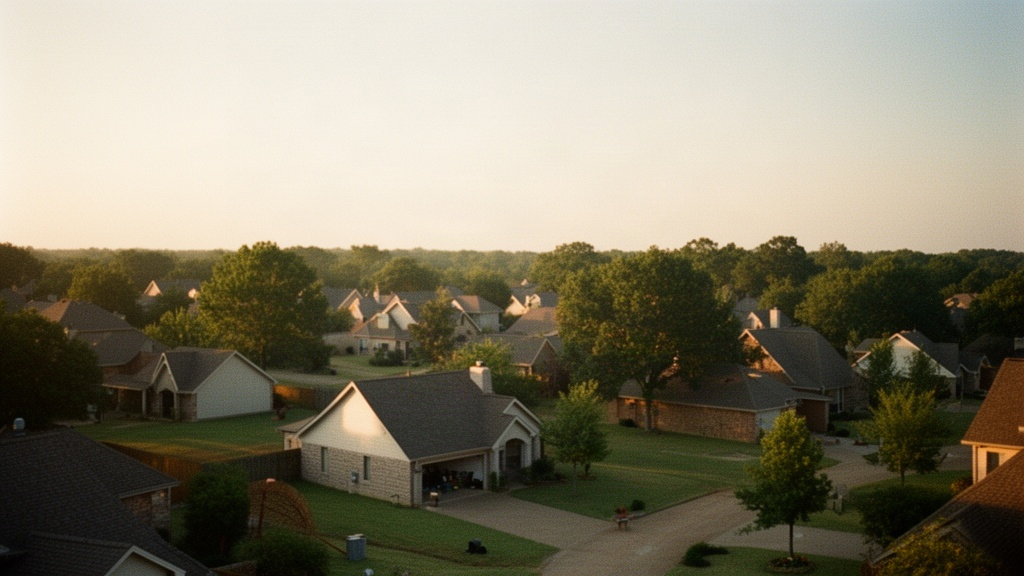
Median home prices in Belton are currently in the low-to-mid $300,000s for a standard three- or four-bedroom single-family home on a typical lot. Entry-level homes, meaning smaller ranch-style houses built in the 1970s through the 1990s on the west and south sides of the city, tend to list in the $220,000 to $270,000 range. Newer construction in master-planned sections north of town and along the Lake Belton corridor regularly lists from $350,000 to $500,000, depending on square footage and lot position.
Active listings in Belton proper have been running between 80 and 120 homes in most months of 2026, which translates to roughly two to three months of supply. That figure puts the city in balanced-to-slightly-seller-favoring territory. Homes that sit past 45 days are almost always overpriced relative to comparable sales, and price reductions in those cases tend to be in the $10,000 to $20,000 range before the property finds a buyer. For a deeper look at current inventory figures across the Temple-Belton corridor, this Temple-Belton housing inventory breakdown provides useful context on how supply has shifted across the metro area.
How Belton Compares to Surrounding Bell County Cities
Belton sits directly between Temple to the north and Killeen to the southwest, and that geography matters for pricing. Temple median prices are generally $20,000 to $40,000 higher than Belton for comparable square footage, largely because Temple carries a larger commercial base and more established medical employment. Killeen, which is closer to Fort Cavazos, runs somewhat lower than Belton. Buyers relocating from out of state sometimes focus only on Waco or Austin pricing and are surprised by how far their budget stretches in Belton, where $350,000 buys a four-bedroom home with a two-car garage and a yard in a subdivision built after 2010.
Belton's position on I-35 also means commuters can reach Temple in about 15 minutes, Waco in roughly 45 minutes, and Austin in about an hour and 20 minutes depending on traffic. That commute range makes Belton a practical base for people working in multiple Bell County locations or occasionally traveling to the Austin metro.
2. Belton Neighborhood Features: What You Actually Get for Your Money
Belton's neighborhoods are genuinely distinct from one another in terms of housing stock, lot size, age of construction, and proximity to the city's main draws. Understanding those differences before you start touring homes saves time and prevents the frustration of falling in love with a house that is in the wrong part of town for your daily routine.
Central Belton and the Historic Downtown Core
The blocks surrounding downtown Belton, especially the streets near the Bell County Courthouse and along Central Avenue, contain some of the oldest housing stock in the city. Craftsman bungalows, two-story foursquares, and early ranch-style homes built between the 1920s and the 1960s are common here, with lot sizes typically running from 6,000 to 9,000 square feet. Prices in this pocket range from around $190,000 for a smaller home needing updates to $310,000 for a fully renovated three-bedroom with original hardwood floors and a covered porch.
The draw of central Belton is walkability to the square, the Bell County Museum, local restaurants along Central Avenue, and the city's annual events like the Belton Fourth of July Celebration, which draws visitors from across Central Texas. Buyers who want character architecture and a short walk to downtown services tend to focus their search in this zone. The tradeoff is that garages are less common, lots are smaller, and some homes carry deferred maintenance that buyers should budget for.
North Belton and the Lake Belton Corridor
North of downtown, the city transitions into newer subdivisions built primarily from the late 1990s through the present day. Developments like Sparta Road neighborhoods and the communities spreading toward Lake Belton offer brick-and-stone construction, open floor plans, and lots ranging from a quarter acre to just over half an acre. These homes typically list between $300,000 and $480,000, with waterfront or water-view properties on Lake Belton commanding premiums that can push prices past $600,000.
Lake Belton itself covers approximately 12,300 acres and is managed by the U.S. Army Corps of Engineers, which means the surrounding parks, boat ramps, and shoreline access points are maintained as public amenities. Belton Lake Outdoor Recreation Area, Westcliff Park, and Winkler Park all sit within a short drive of the north Belton residential areas. Buyers who want newer construction with outdoor recreation nearby consistently gravitate toward this corridor.
South Belton and the I-35 Frontage Areas
South Belton, particularly the neighborhoods accessible from the Business 190 corridor and the areas near Nolan Creek, offers a mix of mid-century homes and more affordable 1980s and 1990s construction. Prices here tend to be the most accessible in the city, with three-bedroom homes frequently listed in the $210,000 to $280,000 range. Lot sizes are modest, averaging around 7,000 to 8,500 square feet, and the housing stock is more varied in condition than the newer north Belton subdivisions.
The practical advantage of south Belton is direct I-35 access, which shortens commutes to Temple, Georgetown, and points south. Buyers who prioritize price per square foot and highway convenience over newer construction often find their best value in this part of the city. If you are weighing these tradeoffs as part of a relocation decision, the guide on relocating to Belton from out of state covers the full cost and logistics picture in detail.
3. Pricing Trends: What Buyers and Sellers Should Know
Belton prices have stabilized after the sharp appreciation of 2020 through 2022, but they have not retreated to pre-pandemic levels. Sellers who bought before 2020 are still sitting on substantial equity. Buyers entering the market now are purchasing at prices that reflect a more normalized environment, with room to negotiate on condition, closing costs, and minor repairs in a way that was nearly impossible two years ago.
How Prices Have Moved Over the Past Year
From September 2025 to September 2026, median sale prices in Belton have moved modestly, with most data sources pointing to appreciation in the 2 to 4 percent range year over year. That is a significant slowdown from the 15 to 20 percent annual gains recorded during the 2021 peak, but it signals a market that is holding value rather than correcting. Days on market have extended slightly compared to this time last year, averaging around 28 to 35 days for homes priced accurately, up from the 18 to 22 days typical in early 2025.
List-to-sale price ratios are currently running around 97 to 99 percent for homes that are priced well from the start. Homes that start too high and require a price reduction are closing closer to 93 to 95 percent of original list price, which means overpricing costs sellers real money. For a more detailed look at how these dynamics play out when you are ready to list, the article on selling a home in Belton, Texas walks through pricing strategy, timeline expectations, and what to prepare.
What Drives Price Variation Within Belton
Within Belton's city limits, the biggest price drivers are age of construction, lot position relative to the lake, and proximity to the downtown core. A 2,000 square foot home built in 2018 in a north Belton subdivision will typically list $60,000 to $90,000 higher than a 2,000 square foot home of similar condition built in 1985 on the south side. Finished square footage, garage count, and whether the home has been updated in the kitchen and bathrooms also move the needle significantly, often by $25,000 to $50,000 on a mid-range home.
Acreage properties on the rural fringes of the Belton city limits, particularly those in the extraterritorial jurisdiction toward Sparta and Pendleton, add another price tier. Homes on one to five acres in that zone list from $380,000 to well over $600,000 depending on improvements, well and septic condition, and whether the land has any lake or creek frontage. Buyers interested in that segment should also read the overview of the Belton luxury home market for a breakdown of what higher-end properties in this area typically include.
4. Timing the Belton Market: When to Buy and When to Sell
Timing in a market like Belton is less about finding the perfect month and more about understanding the seasonal rhythm and where you currently sit within it. September is a transitional month in Bell County real estate, and that transition creates specific opportunities for both buyers and sellers.
Seasonal Patterns in Bell County
The Belton and broader Bell County market follows a pattern that is fairly consistent from year to year. Listing activity peaks in March through June, when buyers are most active and competition is highest. July and August bring a slight slowdown as Central Texas heat discourages casual touring. September through November represents a second, quieter wave of activity as buyers who did not find what they needed in spring return to the market with renewed urgency before the holiday slowdown in December.
For sellers, listing in spring typically produces the most competing offers and the fastest sales. For buyers, fall offers the advantage of less competition for each listing, sellers who have already tested the market and may be more motivated, and the ability to take time making a decision without another offer appearing overnight. The tradeoff is that fall inventory is thinner, so buyers may need to wait for the right property rather than choosing from a large pool.
What September 2026 Conditions Mean for Your Decision
Right now, in September 2026, buyers are in a more negotiable position than they were at any point in 2021 or 2022. Interest rates have moderated from their 2023 highs, and while they are not at pandemic-era lows, monthly payments on a $320,000 home are workable for buyers with solid qualifying income. Sellers currently on the market have had their homes listed through the slower summer months in many cases, and some are open to concessions on closing costs or repair credits that would have been unthinkable three years ago.
If you are a seller considering whether to list now or wait until spring, the current market rewards correct pricing above all else. A home priced within 2 percent of its true market value will still attract serious buyers this fall. A home priced optimistically will sit, accumulate days on market, and ultimately sell for less than it would have if priced right from day one. The article on whether it is a good time to sell in Belton or wait goes deeper on this specific question.
5. Why Recent Clients Trust a Local Belton Expert
Buyers and sellers who have worked with Jayci Humphrey consistently point to the same thing: local knowledge that no algorithm or national real estate portal can replicate. Knowing that a particular street in north Belton backs up to a drainage easement, or that a subdivision near the lake has a homeowners association with specific restrictions on short-term rentals, or that a listed price is $18,000 above what comparable homes in that block have actually closed for, that kind of information only comes from being in this market every week.
What a Local Agent Knows That Online Tools Do Not
Automated valuation models, the price estimates you see on major real estate portals, are built from public record data and comparable sales, but they cannot account for condition, updates, or hyper-local demand shifts. In Belton, where a two-block difference can mean a $40,000 price swing based on proximity to the lake or the age of the subdivision, those automated estimates routinely miss the mark by 5 to 12 percent in either direction. A local agent who has walked comparable homes in person and knows which streets command premiums provides a more accurate picture than any automated tool.
For buyers relocating from out of state, local expertise is especially valuable because the Texas purchase contract has specific timelines, option period mechanics, and disclosure requirements that differ from most other states. Missing an option period deadline or misunderstanding how earnest money works in Texas can cost a buyer thousands of dollars or the deal itself. The guide on buying a home in Texas as a Belton buyer explains these contract mechanics in plain language.
Questions to Ask Before You Commit to a Transaction
Whether you are buying or selling, there are a handful of questions worth asking before you sign anything. On the buying side: What have the three most similar homes on this street actually closed for in the last 90 days? Is this property in a flood zone, and what does that mean for insurance? Does the subdivision have an HOA, and if so, what are the monthly fees and restrictions? On the selling side: What is the current absorption rate for homes in my price range in Belton? How does my home's condition compare to what is currently selling, and what repairs or updates would generate the best return before listing?
These are not questions a portal can answer, but they are exactly the kind of questions Jayci Humphrey addresses with every client before a transaction begins. For a broader look at how to evaluate any agent's local knowledge and track record before committing, the article on how to verify a real estate agent's experience in Belton is a useful starting point.
For additional context on current Belton pricing and market trends from a third-party data source, the Belton TX housing market dashboard provides a regularly updated snapshot of neighborhood-level prices and inventory trends across the city.
FAQ
What is the median home price in Belton, Texas right now?
As of September 2026, the median sale price for a single-family home in Belton sits in the low-to-mid $300,000s, though that number varies significantly by location and construction era. Entry-level homes in south Belton and older central neighborhoods start in the $210,000 to $270,000 range, while newer construction in north Belton and properties near Lake Belton list from $350,000 to $500,000 or higher. Acreage properties and waterfront homes can push well past $600,000. The best way to get an accurate value for a specific address is to request a comparative market analysis from a local agent who has recent sales data for that exact neighborhood.
Is Belton, Texas a buyer's market or a seller's market in 2026?
Belton is currently in a balanced-to-slightly-seller-favoring market as of September 2026, with roughly two to three months of active inventory. That means neither buyers nor sellers hold a dramatic advantage, but the balance has shifted meaningfully toward buyers compared to 2021 and 2022. Well-priced homes still sell within two to four weeks and close near list price, but buyers now have more room to negotiate on closing costs, repair credits, and minor concessions than they did during the peak years. Sellers who overprice are seeing their homes sit and ultimately sell below original asking price, so accurate pricing from day one is essential.
What neighborhoods in Belton, Texas have the most new construction?
The most active new construction in Belton is concentrated in north Belton, particularly in subdivisions along and near Sparta Road and the Lake Belton corridor. Builders have been active in this zone since the late 1990s, and new phases continue to come online as the city grows northward toward the lake. These homes typically feature brick and stone exteriors, open-concept floor plans, and two-car garages, with prices generally ranging from $330,000 to $480,000 for production builds. Custom builds on larger lots closer to the lake start higher. Central and south Belton have very limited new construction, as most available land in those areas was developed decades ago.