← Back to Blog
Buying
Buying a Home in Midtown Oklahoma City: Process, Costs and Timeline
By Jeanine Martin
Lime realty
September 10, 2026 · 11 min read
Buying a home in Midtown Oklahoma City is a decision worth understanding from every angle before you commit. This guide walks through the full process, the real costs involved, and a realistic timeline so you know exactly what to expect from your first search to your closing day.
1. What Makes Midtown Oklahoma City a Distinct Place to Buy
Midtown Oklahoma City is a specific, walkable corridor roughly bounded by NW 10th Street to the south, NW 36th Street to the north, Classen Boulevard to the west, and Broadway Avenue to the east. It sits between Downtown OKC and the Paseo Arts District, which means buyers get urban proximity without being inside the central business core.
The Housing Stock and Architecture
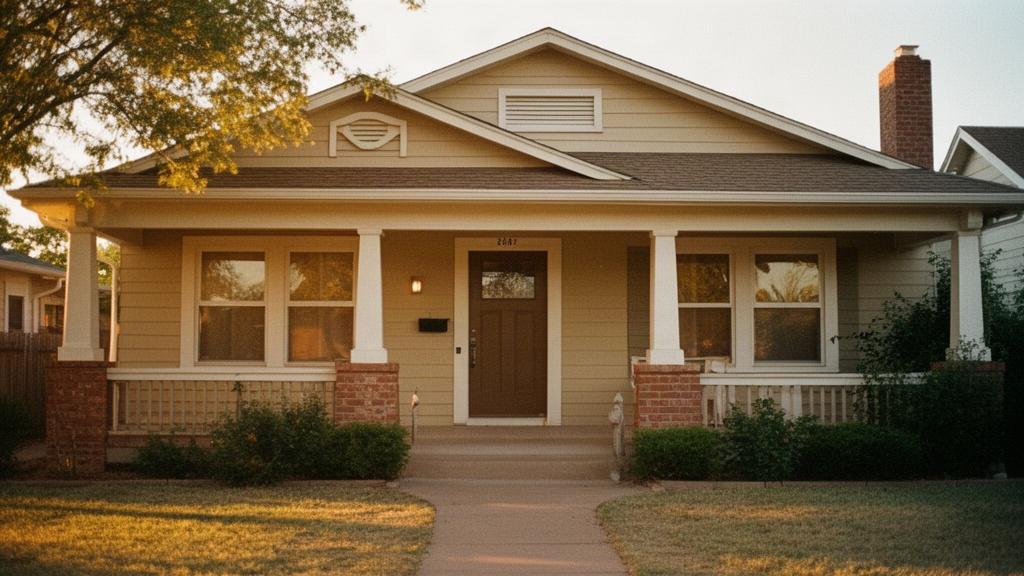
Midtown's housing stock is one of its most defining characteristics. Most of the residential properties were built between the 1920s and the 1950s, so you find a mix of Tudor Revival cottages, Craftsman bungalows, Colonial Revival two-stories, and Spanish Eclectic homes on lots that typically run 50 to 75 feet wide. Square footage ranges widely: small bungalows start around 900 square feet, while larger two-story homes can reach 2,800 to 3,500 square feet.
The neighborhood has also seen a wave of new construction infill on vacant lots and teardown sites over the past decade, so it is not unusual to find a 2019-built modern farmhouse sitting next to a 1938 brick Tudor. Buyers who want character and architectural detail tend to gravitate toward the older homes, while those who want open floor plans and newer mechanical systems lean toward the infill builds.
Proximity to Employers, Hospitals and Downtown
Midtown's location is genuinely central. The OU Health Sciences Center campus is less than two miles to the southeast, and SSM Health St. Anthony Hospital sits at the southern edge of the neighborhood. Downtown Oklahoma City is roughly a five-to-ten minute drive south on Broadway or Classen. Integris Baptist Medical Center is about four miles northwest via NW 23rd Street.
The area also has immediate access to NW 23rd Street, which runs east-west through the heart of Midtown and connects to a stretch of locally owned restaurants, coffee shops, and retail. The Paseo Arts District is walkable or a short bike ride from many Midtown addresses, and the Plaza District on NW 16th is similarly close.
2. What Does It Cost to Buy a Home in Midtown Oklahoma City
The cost of buying a home in Midtown Oklahoma City depends on the age, condition, and size of the property, but buyers in September 2026 are working with a market that remains more affordable than comparable urban-core neighborhoods in most other major metros. For broader context on Oklahoma City's overall affordability position, the Oklahoma City housing market overview on Norada Real Estate tracks trends and forecasts that are useful background reading before you start your search.
Purchase Price Ranges Right Now
In September 2026, Midtown homes are selling across a wide band depending on condition and updates. Entry-level bungalows in need of cosmetic work are listed in the $180,000 to $240,000 range. Move-in-ready homes with updated kitchens and bathrooms typically fall between $280,000 and $420,000. Fully renovated larger homes and new infill construction on premium lots can reach $500,000 to $700,000 or higher, particularly on the blocks closest to NW 23rd Street or with detached garage apartments.
The price per square foot in Midtown currently runs roughly $150 to $220 for updated existing homes, with new infill sometimes exceeding $250 per square foot. These figures reflect the premium buyers place on the neighborhood's walkability and architectural character relative to suburban alternatives at similar price points.
Closing Costs and Upfront Expenses
Closing costs in Oklahoma typically run 2% to 4% of the purchase price for buyers. On a $320,000 home, that means budgeting $6,400 to $12,800 in closing costs on top of your down payment. Those costs include lender origination fees, title insurance, the title search, recording fees paid to Oklahoma County, prepaid homeowners insurance, and prepaid property taxes.
You will also pay for a home inspection before closing, which in the Oklahoma City market runs $350 to $550 for a standard single-family home. Given the age of most Midtown homes, many buyers also add a sewer scope inspection ($150 to $250) and an HVAC-specific inspection if the system is older. The appraisal, which your lender orders, typically costs $500 to $700 and is paid at or before closing.
Ongoing Costs After Closing
Oklahoma County property taxes are a meaningful ongoing expense. For a Midtown home assessed at $300,000, annual property taxes generally land between $3,000 and $4,500 depending on the millage rate and any homestead exemption you qualify for. Oklahoma's homestead exemption reduces the assessed value by $1,000, which provides a modest reduction for owner-occupants who file with the county assessor by March 15 of the tax year.
Homeowners insurance in Oklahoma is higher than the national average because of the state's exposure to severe weather, including hail and tornadoes. Budget $2,000 to $3,500 per year for a standard Midtown home depending on the age of the roof, the replacement cost value of the structure, and the deductible you choose. Lenders require coverage before they fund the loan.
3. The Step-by-Step Buying Process in Midtown Oklahoma City
The process of buying a home in Midtown Oklahoma City follows the same general sequence as any Oklahoma City purchase, but the specifics of Midtown's older housing stock and its competitive price points shape how each step plays out. If you want a broader look at how the overall Oklahoma City buyer process works, the Oklahoma City Real Estate Market Guide on this site covers city-wide pricing and timing in detail.
Getting Pre-Approved and Setting Your Budget
Pre-approval is the first concrete step, and in Midtown it matters more than in slower markets. Well-priced, updated homes in Midtown can receive multiple offers within the first few days on the market, particularly in the $280,000 to $380,000 range. Sellers in this neighborhood generally will not entertain an offer without a pre-approval letter from a lender, and a local lender letter often carries more weight than one from an out-of-state online bank.
Your pre-approval will be based on your credit score, debt-to-income ratio, employment history, and the assets you have for a down payment. Conventional loans in Oklahoma currently require a minimum 3% to 5% down payment for qualifying buyers, while FHA loans require 3.5% down with a credit score of 580 or higher. VA loans remain a strong option for eligible veterans buying in Midtown, with no down payment required. The NAR's consumer guide to preparing for homeownership is a useful reference for understanding what lenders look at before they issue a pre-approval.
Searching and Making an Offer
Midtown's inventory is tighter than suburban OKC because the neighborhood is geographically small and the housing stock is finite. In September 2026, active listings in the Midtown core typically number in the low dozens at any given time, compared to hundreds of listings in a suburban area like Yukon or Moore. That scarcity means buyers need to be decisive when a property fits their criteria.
When you write an offer on a Midtown home, your agent will advise on the offer price relative to recent comparable sales, the earnest money deposit (typically 1% of the purchase price in Oklahoma, though some sellers request more), the inspection period length, and any seller concessions you want to request. Oklahoma uses a standardized Oklahoma Real Estate Commission (OREC) purchase contract, so the form itself is familiar to every agent and seller in the state.
Inspection, Appraisal and the Path to Closing
Once your offer is accepted, the inspection period begins immediately. In Midtown, inspections on older homes routinely surface deferred maintenance items: aging electrical panels (some homes still have Federal Pacific or Zinsco panels that insurers flag), galvanized plumbing in homes built before 1960, foundation pier issues common to Oklahoma's expansive clay soils, and roof wear from hail. None of these findings automatically kill a deal, but they give you negotiating leverage or inform your decision to walk away during the option period.
After the inspection is resolved, your lender orders the appraisal. If the appraisal comes in at or above your purchase price, you proceed to the final underwriting stage. If it comes in low, you will negotiate with the seller, make up the difference in cash, or, in some cases, cancel the contract. Oklahoma's standard contract includes an appraisal contingency that protects buyers in this scenario.
4. How Long Does It Actually Take to Buy in Midtown
From the day you start seriously searching to the day you get keys, buying a home in Midtown Oklahoma City typically takes two to four months for most buyers. That range reflects the time it takes to find the right property in a limited inventory market, get through the contract process, and complete the lender's underwriting timeline.
Timeline From First Search to Closing
Pre-approval generally takes three to seven business days if your documents are organized. Active home searching in Midtown can take anywhere from two weeks (if you find something immediately and move fast) to two months (if inventory is thin and you are waiting for the right property). Once you are under contract, the typical closing timeline in Oklahoma is 30 to 45 days for a conventional or FHA loan. VA loans sometimes run 45 to 60 days due to the additional steps involved.
The inspection period under the standard OREC contract is typically 10 business days, though this is negotiable. Appraisals in the Oklahoma City market currently take seven to fourteen days to complete after the lender orders them. Final underwriting and clear-to-close can take another seven to ten business days after the appraisal is received, assuming no additional documentation is needed.
What Can Speed Up or Slow Down the Process
Having all your financial documents ready before you start shortens the pre-approval step considerably. Lenders want two years of tax returns, two months of bank statements, recent pay stubs, and a copy of your government-issued ID. Delays in providing any of these documents are the single most common reason closings get pushed back.
On the seller's side, title issues on older Midtown properties can add time. Homes that have changed hands multiple times since the 1930s occasionally have title clouds, unpaid liens, or easement questions that the title company must resolve before closing. Your title company handles this, but it can add one to three weeks if the issue is complex.
5. Key Things to Know Before You Buy in Midtown Oklahoma City
Buying a home in Midtown Oklahoma City comes with a few specific considerations that do not apply to buying in a newer suburban subdivision. Understanding these upfront saves you from surprises after you are under contract.
Older Homes and What to Watch For
Homes built before 1978 may contain lead-based paint, and sellers are required by federal law to disclose this possibility. Homes built before 1980 may also contain asbestos in insulation, floor tiles, or pipe wrap. An inspector can flag areas of concern, and a certified asbestos inspector can test if needed. These are manageable issues in most cases, but they affect renovation costs if you plan to do significant work.
Oklahoma's clay-heavy soils cause foundation movement in older homes across the metro, and Midtown is no exception. Many homes have already had pier work done, which is not inherently a problem if it was done correctly and the foundation is currently stable. Ask your inspector specifically about foundation movement, and request any prior foundation repair documentation from the seller before you close.
HOA and Historic District Considerations
Most Midtown properties are not part of a traditional homeowners association, which means no monthly HOA dues and no HOA approval process for exterior changes. However, portions of the Midtown area fall within or adjacent to Oklahoma City's Heritage Hills Historic Preservation District, which has its own design review process for exterior modifications. If the home you are buying is in a historic overlay zone, you will need approval from the city's Historic Preservation Commission before making changes to the exterior, including windows, doors, roofing materials, and additions.
Your agent can confirm whether a specific address falls within a historic overlay by checking the Oklahoma City zoning map before you write an offer. This matters most if you plan to renovate or add a structure, and it is worth knowing before you commit.
Working With a Local Agent Who Knows Midtown
Midtown's market moves quickly enough that buyers working with an agent who does not know the neighborhood well can miss properties or overpay. A local agent knows which blocks have alley access (important for garage placement on narrow lots), which streets have commercial zoning on one side, and which properties have been sitting because of a known issue versus ones that are genuinely new to market. That contextual knowledge is hard to replicate from a national search portal.
If you are also thinking about how to choose the right agent for this kind of purchase, the guide to choosing a realtor to buy a home in Oklahoma City on this site covers what to look for and what questions to ask. And if you are weighing whether now is the right time to buy at all, the article on whether right now is a good time to buy in Oklahoma City gives a current-market perspective worth reading before you decide.
FAQ
Is buying a home in Midtown Oklahoma City more expensive than buying in the suburbs?
On a price-per-square-foot basis, Midtown homes generally cost more than comparable square footage in suburban areas like Yukon, Moore, or Mustang. However, the absolute purchase prices can be similar because Midtown homes are often smaller. A 1,400-square-foot updated bungalow in Midtown might sell for $310,000 to $360,000, while a 2,200-square-foot suburban home at the same total price would offer more space but a longer commute to central Oklahoma City. The trade-off is square footage and lot size versus proximity to downtown, hospitals, and walkable commercial areas. What you prioritize determines which option fits your situation.
Do I need a large down payment to buy in Midtown Oklahoma City?
No, a large down payment is not required. Conventional loans allow as little as 3% down for first-time buyers, and FHA loans require 3.5% down with a qualifying credit score. On a $300,000 Midtown home, a 3.5% FHA down payment is $10,500, which is manageable for many buyers. Putting down less than 20% on a conventional loan means you will pay private mortgage insurance (PMI) until your equity reaches 20%, which adds to your monthly cost. Oklahoma also has down payment assistance programs through the Oklahoma Housing Finance Agency (OHFA) that some Midtown buyers qualify for, depending on income and purchase price limits.
How competitive is the Midtown Oklahoma City market for buyers right now?
In September 2026, the Midtown market is active but not as frenzied as it was in 2021 and 2022. Well-priced, updated homes in the $280,000 to $400,000 range still attract multiple offers, sometimes within the first weekend on the market. Properties that need significant work or are priced at the higher end of the market tend to sit longer and offer more room for negotiation. Buyers who are pre-approved, decisive, and working with an agent who monitors new listings daily are in the strongest position. Coming in with a clean offer and a reasonable inspection timeline is more effective in Midtown than aggressive lowball strategies.