← Back to Blog
Local Living
What Is It Actually Like to Live in the Midtown Oklahoma City Neighborhood Day to Day
By Jeanine Martin
Lime realty
October 3, 2026 · 12 min read
What is it actually like to live in the Midtown Oklahoma City neighborhood day to day? If you are considering buying or relocating here, this guide covers the streets, the housing stock, the commute, the restaurants, the noise levels, the weekend rhythms, and the things you only learn after you have been a resident for a while. Midtown is one of the most walkable and historically layered parts of OKC, and it rewards close attention.
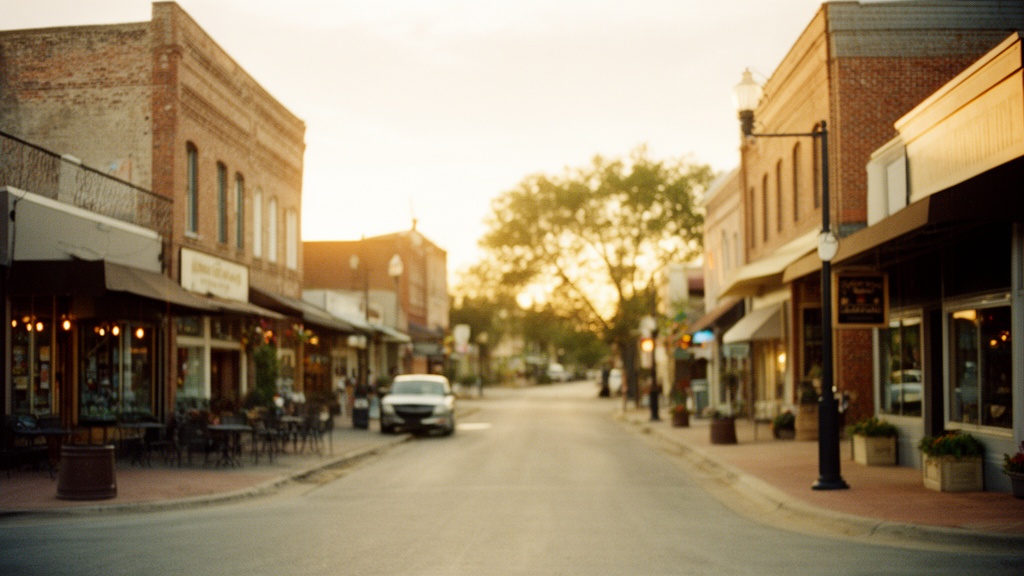
1. What Midtown Oklahoma City Actually Is and Where It Sits
Midtown is the roughly one-square-mile district sitting immediately northwest of Downtown Oklahoma City, bounded loosely by NW 10th Street to the south, NW 23rd Street to the north, Classen Boulevard to the west, and the Broadway Extension to the east. It is not a suburb, not a transitional zone, and not a new development. It is one of OKC's oldest intact urban neighborhoods, built out primarily between 1900 and 1940, with a grid of tree-lined streets that still reads the way the original city planners intended.
The Boundaries and the Grid
The street grid here is tight and consistent. Blocks are short, sidewalks are present on most streets, and the mix of residential and commercial uses means that within a five-minute walk from most Midtown addresses you will pass a coffee shop, a restaurant, a pocket park, and a handful of historic commercial buildings that have been converted to offices or retail. That density of uses is unusual for Oklahoma City, where most neighborhoods are built around the car.
The neighborhood sits at the intersection of several of OKC's most important corridors. Classen Boulevard runs along the western edge and connects directly to the Plaza District and the Paseo Arts District a few blocks further north. NW 10th feeds into the medical corridor. The Broadway Extension puts Downtown's core about two miles to the southeast. That positioning means Midtown residents are genuinely central to the city in a way that most OKC addresses are not.
How It Connects to the Rest of OKC
Midtown's location makes it a practical hub. The Oklahoma Health Center campus, which includes OU Health, Children's Hospital, and the VA Medical Center, is less than a mile from the southern edge of Midtown. The State Capitol building is about a mile to the northeast. Bricktown, the Entertainment District, and the convention center are all reachable in under ten minutes by car. For a city that is largely car-dependent, Midtown offers an unusually short drive to almost everything that matters in OKC.
2. The Housing Stock: What You Will Actually Find and What It Costs
The housing in Midtown is genuinely varied, and that variety is one of the things that makes the neighborhood interesting to buyers. You will find Craftsman bungalows from the 1910s sitting next to Tudor Revival homes from the 1930s, alongside mid-century brick ranch houses, and newer infill townhomes built in the last decade. The architectural diversity is real, and so is the range of condition: some blocks have been meticulously restored, while others still have homes that are priced to reflect the work they need.
Bungalows, Tudors, and Infill Townhomes
The bungalows are the most common housing type in Midtown. Most run between 1,000 and 1,800 square feet, sit on lots of 5,000 to 7,500 square feet, and feature the details that period buyers value: hardwood floors, plaster walls, front porches, and mature trees that shade the street. The Tudor Revival homes, concentrated along some of the neighborhood's more prominent blocks, tend to be larger, often 1,800 to 2,800 square feet, with steeply pitched rooflines and brick or stone exteriors.
Infill townhomes and small-lot new construction have added a different product type over the last several years. These are typically two-story, attached or semi-detached, with modern finishes, rooftop decks, and attached garages. They appeal to buyers who want the Midtown location without the maintenance demands of an older home. The tradeoff is lot size: infill townhomes often sit on 2,500 to 3,500 square foot lots with minimal yard space.
Price Ranges in October 2026
Midtown carries a price premium relative to many OKC neighborhoods, driven by its location and the demand for walkable urban housing. As of October 2026, entry-level bungalows in need of updating are trading in the low-to-mid $200,000s. Fully renovated bungalows and Tudor Revival homes in good condition typically range from the mid-$300,000s to the mid-$400,000s. Larger renovated homes and newer infill townhomes can reach $500,000 to $650,000 or above depending on finish level and exact location within the neighborhood. Condos and smaller attached units on the southern end of Midtown can start below $200,000.
For broader context on how Midtown pricing compares to other OKC submarkets, the Oklahoma City real estate market guide covering prices and neighborhoods breaks down current conditions across multiple parts of the city.
3. Day-to-Day Life: Errands, Food, and Getting Around
Day-to-day life in the Midtown Oklahoma City neighborhood is more walkable than almost anywhere else in OKC, but it is still a car-owning city and most residents drive for larger errands. The distinction matters: you can walk to coffee, lunch, a bar, a salon, and a gym without getting in your car, but a major grocery run will likely involve driving to a Homeland, a Sprouts on NW 23rd, or a Trader Joe's a short distance away.
Walkability and Biking
Midtown scores among the highest Walk Scores in Oklahoma City, typically in the 70s to low 80s depending on the specific block. That puts it in a category OKC calls 'Very Walkable,' which is meaningful in a metro where most zip codes score below 30. The sidewalk network is reasonably complete, though some residential blocks have older, uneven concrete that gets attention from the city on a rolling basis. Bike lanes exist on several streets including NW 10th and portions of Classen, and the OKC Streetcar route runs along NW 10th on the southern boundary of the neighborhood, connecting Midtown to Bricktown and the Health Sciences District.
The OKC Streetcar is free to ride and runs seven days a week, which is a genuine daily-life convenience for Midtown residents who work or socialize downtown. It is not a replacement for a car, but for a quick trip to a restaurant on Film Row or a game at Paycom Center, it is a real option that most OKC neighborhoods do not have.
Restaurants, Coffee, and Groceries
The food scene in Midtown is dense and varied for a neighborhood of its size. Stella Modern Italian Kitchen on NW 9th has been a neighborhood anchor for years. Empire Slice House, known for its New York-style pizza, operates out of the district. Cheever's Cafe, housed in a converted flower shop, is one of the most recognizable dining rooms in the city. Coffee options include Clarity Coffee, which roasts in-house and has a loyal following, and multiple other independent cafes within walking distance of most Midtown addresses.
For groceries, the nearest full-service options require a short drive. Sprouts Farmers Market on NW 23rd is about a mile from the center of Midtown. A Homeland is accessible to the east. Whole Foods is further out in the northwest part of the city. Most Midtown residents keep a car for grocery runs and use walkable options for daily coffee and meals.
Noise and Pace
Midtown is an urban neighborhood, and noise is part of the deal. Streets like NW 10th, Classen, and NW 23rd carry consistent traffic throughout the day and into the evening. Blocks closer to restaurant and bar clusters will hear ambient activity on weekend nights. The interior residential streets are noticeably quieter, and the mature tree canopy absorbs some of the sound. If you are coming from a suburban OKC neighborhood like Yukon or Mustang, the ambient noise level will be an adjustment.
The pace of the neighborhood is active but not frantic. Morning foot traffic picks up around 7 a.m. as people walk dogs, head to coffee shops, and commute toward Downtown. Weekend afternoons bring more people out to restaurant patios and the green spaces. It has the rhythm of a neighborhood that is genuinely inhabited rather than just passed through.
4. Commuting From Midtown to the Rest of Oklahoma City
Midtown's central location gives it one of the shortest average commute profiles in the metro. Most major employment centers in OKC are reachable in under 20 minutes from Midtown during normal traffic, which is a real advantage in a city where suburban residents often spend 30 to 45 minutes on the highway each way.
Downtown and Midtown Distance
The drive from central Midtown to the core of Downtown Oklahoma City is approximately two miles and takes five to ten minutes in typical morning traffic. Broadway and Classen are the main arteries southward. The OKC Streetcar on NW 10th is a non-driving alternative for those who work along the streetcar corridor. Parking in Downtown is available but adds cost and time; Midtown's proximity reduces that friction compared to commuting from further out.
Getting to the Medical District and Beyond
The Oklahoma Health Center campus is less than a mile from Midtown's southern boundary, making it one of the shortest commutes available to medical professionals in the metro. The State Capitol complex is about 1.5 miles northeast via NE 23rd or Lincoln Boulevard. Tinker Air Force Base, the metro's largest single employer, is roughly 15 to 18 miles southeast via I-40; that commute runs 20 to 30 minutes depending on time of day. Will Rogers World Airport is about 8 miles southwest, typically a 15-minute drive outside of peak hours.
If you are weighing Midtown against a suburban address, the commute comparison is worth running carefully. Our guide on the commute from Yukon and Mustang into Downtown OKC during morning rush hour gives a useful benchmark for what suburban-to-urban driving actually looks like: commute times from Yukon and Mustang to Downtown OKC.
5. Parks, Green Space, and Weekend Life in Midtown
Green space in Midtown is present but not abundant. The neighborhood compensates with tree canopy, wide parkways along many streets, and proximity to larger parks just outside its boundaries. Weekend life leans heavily on the restaurant and bar scene, the arts districts nearby, and the OKC Streetcar as a way to move around the city without driving.
Taft Park and Neighborhood Green Space
Taft Park, located at NW 18th and Shartel, is the neighborhood's primary green space. It is a modest urban park with open lawn, mature trees, and a playground. It serves as a gathering point for dog walkers and is used for small community events. It is not a destination park on the scale of Will Rogers Park or Lake Hefner, but it fills the role of a walkable neighborhood green well.
For larger park experiences, Midtown residents typically drive. Will Rogers Park, with its rose gardens, tennis courts, and picnic areas, is about two miles northwest. Lake Hefner, OKC's primary sailing and jogging destination, is roughly five miles northwest. Scissortail Park, the 70-acre urban park that opened in Downtown OKC in 2021 and connects to the convention center, is about two miles south via the Streetcar or a short drive.
Events and the Arts Corridor Connection
Midtown sits at the center of OKC's arts corridor. The Paseo Arts District, one of the city's oldest and most established arts neighborhoods, is about a mile northwest along Classen. The Plaza District, a walkable stretch of NW 16th with galleries, boutiques, and restaurants, is directly accessible from Midtown's western edge. The Paseo Arts Festival each Memorial Day weekend draws tens of thousands of visitors and is reachable on foot from much of Midtown.
For a detailed look at what living in the Paseo Arts District is like, including its housing stock and character, the Paseo Arts District living guide covers it thoroughly. The two neighborhoods share a lot of DNA and many buyers consider both before deciding.
Inman recognized Midtown OKC as one of America's hottest neighborhoods, pointing to its walkability, restaurant density, and urban housing revival as the drivers. That recognition reflects what residents experience on the ground: the neighborhood has genuine momentum and a physical environment that is unlike most of OKC.
6. What to Know Before You Buy in Midtown
Buying in Midtown requires understanding what older urban housing stock actually involves. The neighborhood's appeal is inseparable from its age, and that age comes with practical considerations that buyers moving from new construction or suburban neighborhoods may not have encountered before.
Older Homes and What That Means
Most Midtown homes were built between 1910 and 1950, which means buyers should budget for systems that may have been updated partially or not at all. Electrical panels in older homes sometimes still have fuse boxes or 60-amp service, which most modern households outgrow quickly. Plumbing in homes from this era may include galvanized steel pipes that have corroded over time. Foundation issues, particularly pier-and-beam foundations that have settled unevenly, are common and worth inspecting carefully. These are not reasons to avoid the neighborhood; they are reasons to budget accurately and get a thorough inspection.
Renovation costs in Midtown can run higher than equivalent work in newer neighborhoods because older construction methods require more skilled labor and specialty materials. A buyer purchasing a bungalow at $240,000 with the intent to renovate should plan for $60,000 to $120,000 or more depending on scope, and should get contractor estimates before closing rather than after. The finished product, if done well, typically commands strong resale value in this market.
HOAs, Deed Restrictions, and Historic Considerations
Most single-family homes in Midtown are not part of a homeowners association, which is one of the distinctions between urban OKC neighborhoods and the master-planned suburban communities further out. However, some blocks and specific developments within Midtown do carry deed restrictions that govern exterior modifications, additions, or uses. Buyers should review the title commitment carefully and ask their agent about any restrictions specific to the property they are considering.
A portion of Midtown falls within or adjacent to Oklahoma City's historic preservation overlay districts, which can affect what exterior changes are permitted without a Certificate of Appropriateness from the city's Historic Preservation Commission. This applies most directly to window replacements, siding changes, additions, and demolition. Buyers who want to make significant exterior changes should confirm whether their target property is within a protected district before closing. The City of Oklahoma City's planning department publishes the overlay boundaries and the applicable design guidelines.
For a detailed walkthrough of the buying process in OKC, including what to expect on costs and timelines, the Oklahoma City home buying guide covering process, costs, and timeline is a useful companion to this article.
Midtown OKC is also covered in detail in the Midtown OKC neighborhood guide on liveinokcity.com, which includes additional context on the neighborhood's development history and current amenities.
FAQ
Is Midtown Oklahoma City walkable enough to live without a car?
Midtown is the most walkable part of Oklahoma City by most measures, with Walk Scores typically in the 70s to low 80s, and OKC Streetcar access along NW 10th. You can handle daily coffee, lunch, dinner, and some errands on foot or via the Streetcar. That said, Oklahoma City is a car-dependent metro and most Midtown residents own at least one vehicle for grocery runs, airport trips, and reaching parts of the city not served by transit. The honest answer is that you can reduce car use significantly compared to any suburban OKC address, but eliminating it entirely is difficult for most households.
What are the biggest surprises for people who move to Midtown OKC from the suburbs?
The most common adjustment is the ambient noise level. Streets like NW 10th, Classen, and NW 23rd carry steady traffic, and blocks near restaurants or bars hear weekend evening activity. The second adjustment is the reality of older homes: pier-and-beam foundations, original plumbing, and aging electrical systems are common and require budgeting for maintenance or updates. On the positive side, most people are surprised by how much they can do on foot and how short their commute becomes. The neighborhood's physical character, with mature trees, wide parkways, and 1920s and 1930s architecture, is also something that many suburban transplants find genuinely different from what they expected OKC to look like.
How do Midtown Oklahoma City home prices compare to what you get for the money?
Midtown carries a location premium relative to comparable square footage in suburban OKC neighborhoods. As of October 2026, a renovated 1,400-square-foot bungalow in Midtown might sell for $340,000 to $400,000, while a similar-sized home in Yukon or Mustang might be priced in the $220,000 to $280,000 range. What you are paying for in Midtown is the walkability, the commute reduction, the architectural character, and the access to the city's dining and arts infrastructure. Whether that premium is worth it depends entirely on how you use the city day to day. Buyers who commute to the medical district or Downtown and who value walkable access to restaurants and coffee tend to find the premium easy to justify; buyers who work remotely and rarely go out may find suburban pricing more attractive.