← Back to Blog
Buying
Buy a Home in Katy, Texas Now or Wait? Market Guide
By Jennifer Taylor
EXP Realty
August 29, 2026 · 6 min read
If you have been asking yourself whether right now is a good time to buy a home in Katy, Texas or if you should wait, you are not alone. Buyers across the Houston metro are weighing mortgage rates, home prices, and their own financial situations before making a move. This post breaks down what the Katy market actually looks like in August 2026 so you can make a decision grounded in real numbers, not headlines.
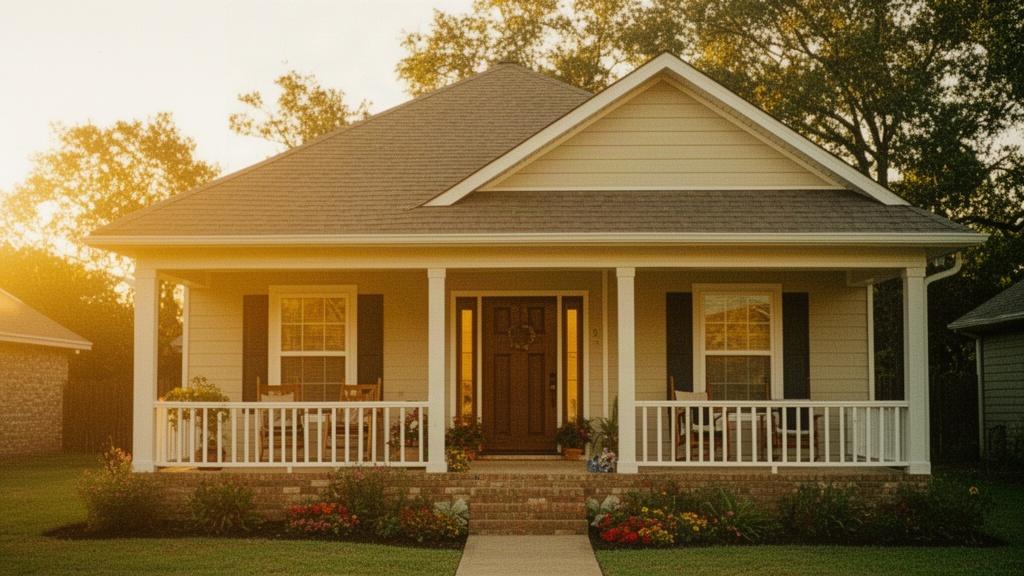
1. What the Katy, Texas Housing Market Looks Like Right Now
The Katy market in August 2026 is meaningfully different from what buyers faced in 2021 and 2022. Active inventory has grown over the past 18 months, giving buyers more options across price points and communities. Median home prices in the Katy area are hovering in the low-to-mid $300,000s for resale homes, with entry-level townhomes in the high $200,000s and larger four-to-five bedroom homes in master-planned communities stretching into the $500,000s and above.
Inventory and Price Trends
Days on market have stretched out compared to the frenzied pace of a few years ago, which means sellers in Katy are generally more open to negotiation on price, closing costs, and repairs. That shift in leverage is significant for buyers who felt priced out or outcompeted during the peak years. Homes in established neighborhoods like Cinco Ranch, Cross Creek Ranch, and Firethorne are still moving, but they are no longer disappearing in 48 hours with dozens of offers.
How Katy Compares to the Broader Houston Metro
Katy sits roughly 30 miles west of downtown Houston along I-10, and its growth corridor along the Grand Parkway (TX-99) continues to attract new residents and employers. That sustained demand has kept Katy's market more stable than some other suburban pockets of the metro. According to a 2026 buyer's perspective analysis from HAR, Katy remains one of the more active suburban submarkets in the Houston area, with consistent buyer interest even as affordability pressures have reshaped decisions across Texas.
2. The Case for Buying a Home in Katy Now
For buyers who are financially ready, there are real advantages to purchasing in Katy right now rather than waiting. The combination of increased inventory, longer listing timelines, and sellers who are willing to negotiate creates conditions that simply did not exist two or three years ago. If you are asking whether right now is a good time to buy a home in Katy, Texas or should you wait, your personal financial readiness matters just as much as market timing.
More Negotiating Room Than in Recent Years
Seller concessions are back on the table. In many Katy transactions right now, buyers are successfully negotiating contributions toward closing costs, rate buydowns, and repair credits. These are real dollar savings that can offset the impact of current mortgage rates. A rate buydown funded by the seller, for example, can reduce your monthly payment by hundreds of dollars in the early years of your loan.
Locking In Before Prices Climb Further
Katy's long-term demand drivers are still firmly in place. The continued buildout of the Grand Parkway corridor, ongoing commercial development near the Katy Mills area and along I-10, and proximity to the Energy Corridor all support steady population growth. If rates ease even modestly in late 2026 or into 2027, more buyers will enter the market and competition will increase. Buying now means you are ahead of that potential wave.
3. The Case for Waiting
Waiting is not always the wrong answer, and it is worth being honest about the scenarios where pausing makes sense. Affordability remains a genuine challenge in 2026. As HousingWire notes in their coverage of affordability trends shaping the 2026 housing market, stretched budgets are pushing buyers to recalibrate what they can realistically purchase. That is a real consideration, not something to brush aside.
When Waiting Makes Financial Sense
If your credit score needs work, your down payment savings are thin, or your income situation is in flux, waiting to strengthen your financial foundation is a legitimate strategy. Buying a home you are stretched to afford in Katy's current rate environment could put you in a difficult position if your circumstances change. Spending six to twelve months improving your credit profile and building reserves can meaningfully improve both your loan terms and your monthly payment.
What Could Change Between Now and 2027
Rate movement is the biggest variable on the horizon. If mortgage rates drop meaningfully, your purchasing power improves, but so does every other buyer's. That means more competition and less negotiating leverage on Katy homes. Waiting for a perfect rate environment often means competing in a more crowded market. There is no guaranteed win in either direction, which is why your personal situation should anchor the decision more than any macro forecast.
4. What Your Dollar Gets You in Katy Right Now
Understanding what you can actually buy in Katy at different price points helps ground this decision in something concrete. The city's housing stock ranges from compact townhomes near the Katy Town Center area to large brick homes on generous lots in communities like Cane Island and Seven Meadows.
Single-Family Homes Across Katy's Master-Planned Communities
In the high $200,000s to low $300,000s, buyers in Katy can find three-bedroom resale homes in established subdivisions with community amenities including pools, walking trails, and recreation centers. Moving into the $350,000 to $450,000 range opens up four-bedroom homes with dedicated home offices, larger yards, and updated kitchens in communities like Falcon Ranch and Kelliwood. Above $500,000, buyers find newer construction with premium finishes, larger lots, and access to community amenities like lazy rivers and fitness centers in places like Cross Creek Ranch and Cane Island.
New Construction vs. Resale
Katy has a healthy supply of new construction, with builders like Perry Homes, David Weekley, and Lennar actively developing in communities along the FM 1463 and Katy-Fulshear corridors. Builders right now are offering incentives including rate buydowns and design center credits to move inventory, which can make new construction surprisingly competitive against resale. The tradeoff is that new builds often require a longer timeline to close, and some communities are still in early phases with limited surrounding development.
5. How to Make the Right Call for Your Situation
The question of whether right now is a good time to buy a home in Katy, Texas or if you should wait does not have a single correct answer for every buyer. It depends on your income stability, your savings, your credit profile, and how long you plan to stay in the home. A buyer planning to stay five or more years has a very different calculus than someone who might need to relocate in two years.
Questions to Ask Before You Decide
Start by getting pre-approved so you know your actual budget, not an estimate. Then ask yourself: Can I comfortably afford the monthly payment at today's rate without straining my budget? Do I have three to six months of reserves after closing? Am I planning to stay in Katy long enough to build equity? If the answers are yes, the current market offers real opportunities. If one or more answers give you pause, it may be worth a few more months of preparation before you start touring homes.
Working With a Local Expert
General market data only tells part of the story. Knowing which Katy neighborhoods have the most negotiable sellers right now, which builders are offering the strongest incentives, and which resale homes have been sitting long enough to justify a lower offer requires someone who is working in this market every day. That local knowledge is what separates a good deal from a missed opportunity.
FAQ
Are home prices in Katy, Texas expected to go up or down in the next year?
Katy's home prices have remained relatively stable through 2026, supported by consistent demand from the Energy Corridor workforce and ongoing population growth along the Grand Parkway corridor. Most local market indicators suggest prices are more likely to hold or edge upward than to drop significantly, particularly if mortgage rates ease and more buyers return to the market. That said, no one can predict price movement with certainty, and outcomes will vary by neighborhood, price point, and property condition. The best way to understand where prices are heading in a specific area of Katy is to review recent comparable sales with a local agent who tracks that data week to week.
How much do I need for a down payment to buy a home in Katy?
The amount you need depends on the loan type you qualify for and the purchase price of the home. Conventional loans typically require between three and twenty percent down, while FHA loans can go as low as 3.5 percent for eligible buyers. On a $320,000 home in Katy, a five percent down payment would be $16,000, while twenty percent would be $64,000. Some buyers in Katy also explore USDA loan eligibility for properties in certain outer areas, which can allow for zero down payment financing. Getting pre-approved with a lender before you start shopping will clarify exactly what you need based on your credit profile and income.
Is it better to buy a new construction home or a resale home in Katy right now?
Both options have genuine advantages in Katy's current market. New construction from builders active in communities like Cane Island, Cross Creek Ranch, and the Katy-Fulshear area often comes with builder incentives right now, including rate buydowns and closing cost contributions, which can lower your effective monthly payment. Resale homes, on the other hand, are typically located in more established parts of Katy with mature landscaping, closer proximity to retail and dining, and a clearer sense of the community. The right choice depends on your timeline, your priorities for location and finishes, and how long you are willing to wait to close. A local agent can walk you through the pros and cons of specific communities and builder contracts before you commit.